yahoo Press
Why Don’t Orcas Kill People?
Images
1 / 14
2 / 14

3 / 14

4 / 14

5 / 14

6 / 14
7 / 14
8 / 14
9 / 14
10 / 14
11 / 14
12 / 14
13 / 14

14 / 14
The post Why Don’t Orcas Kill People? appeared first on A-Z Animals.

Orcas maintain a 0 percent fatality rate against humans despite being the ocean’s most capable predators.

The 14 teeth per jaw side create a specific mechanical limitation during high-speed aquatic feeding sessions.

Orcas disprove the proximity myth by sharing human-heavy waters without ever initiating predatory strikes or incidents.

People love a tidy villain, so sharks get cast as the ocean’s hitmen, while orcas get treated like spooky geniuses with manners. Reality is less cinematic and more biological. Orcas are fully capable of killing a human, but such incidents almost never occur in the wild. Great white sharks injure people more often, and their hunting style makes those injuries more likely to turn serious. This is due to differences in diet, learning, sensory abilities, and the way each predator tests potential prey. It also comes down to how often humans put themselves in the wrong place at the wrong time, usually on a board shaped like a seal.

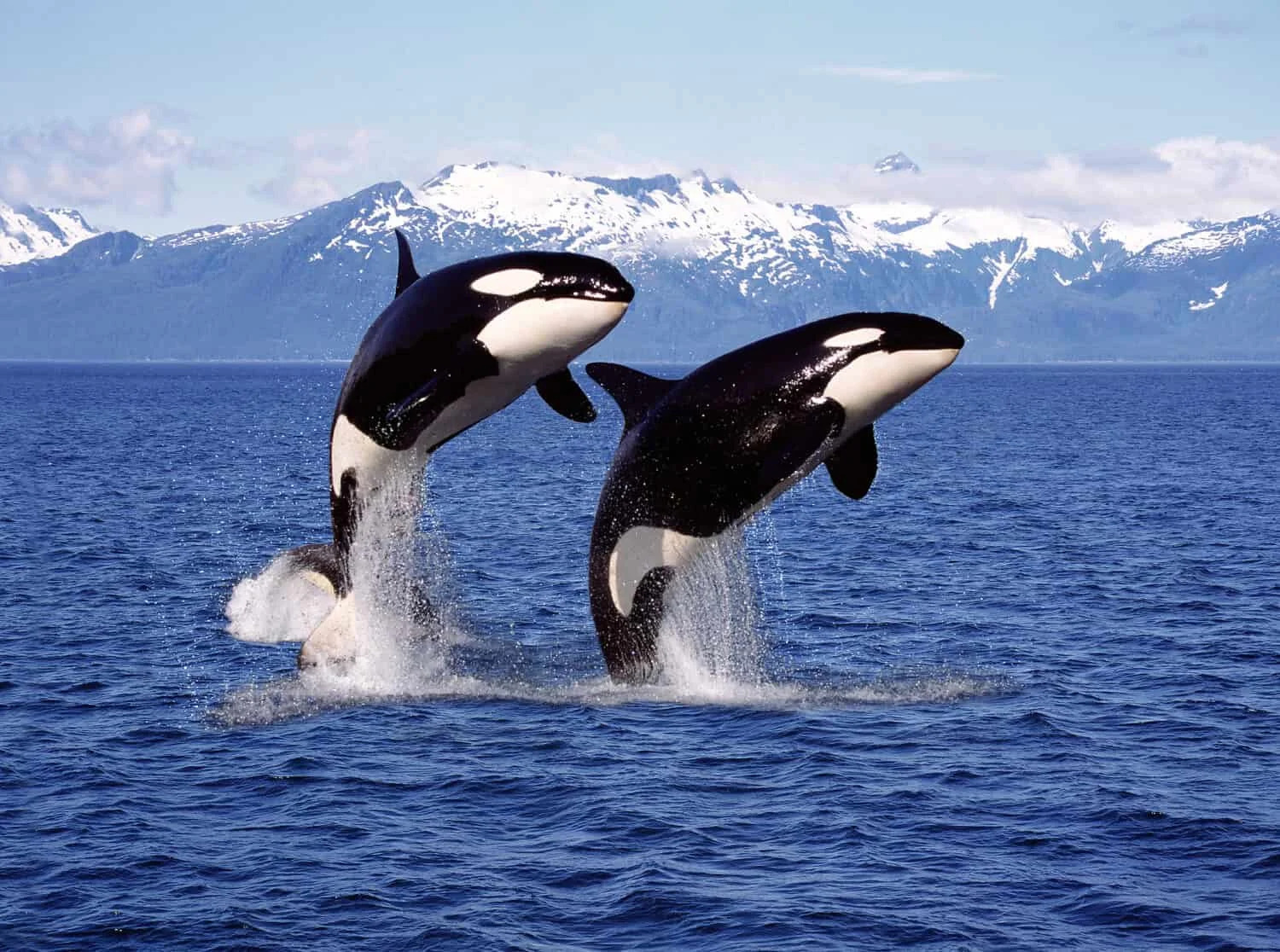
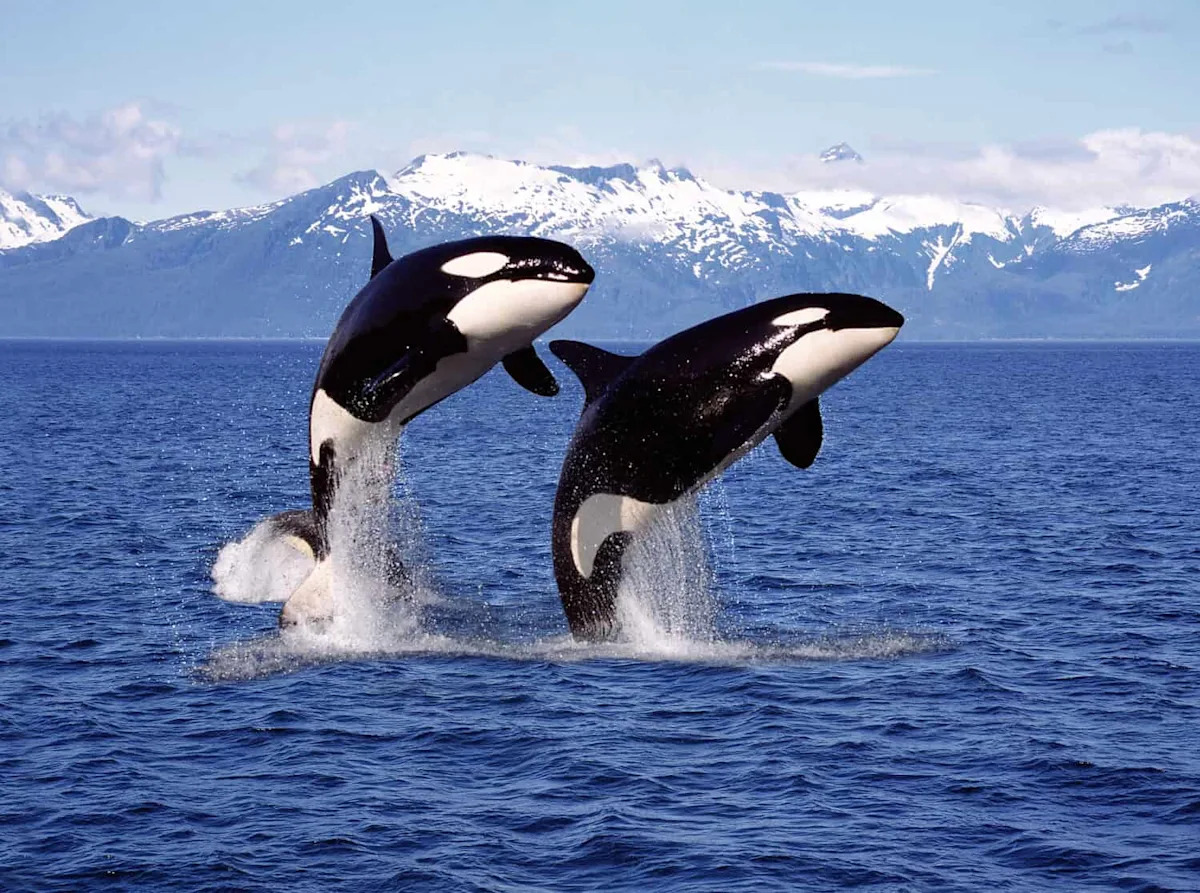
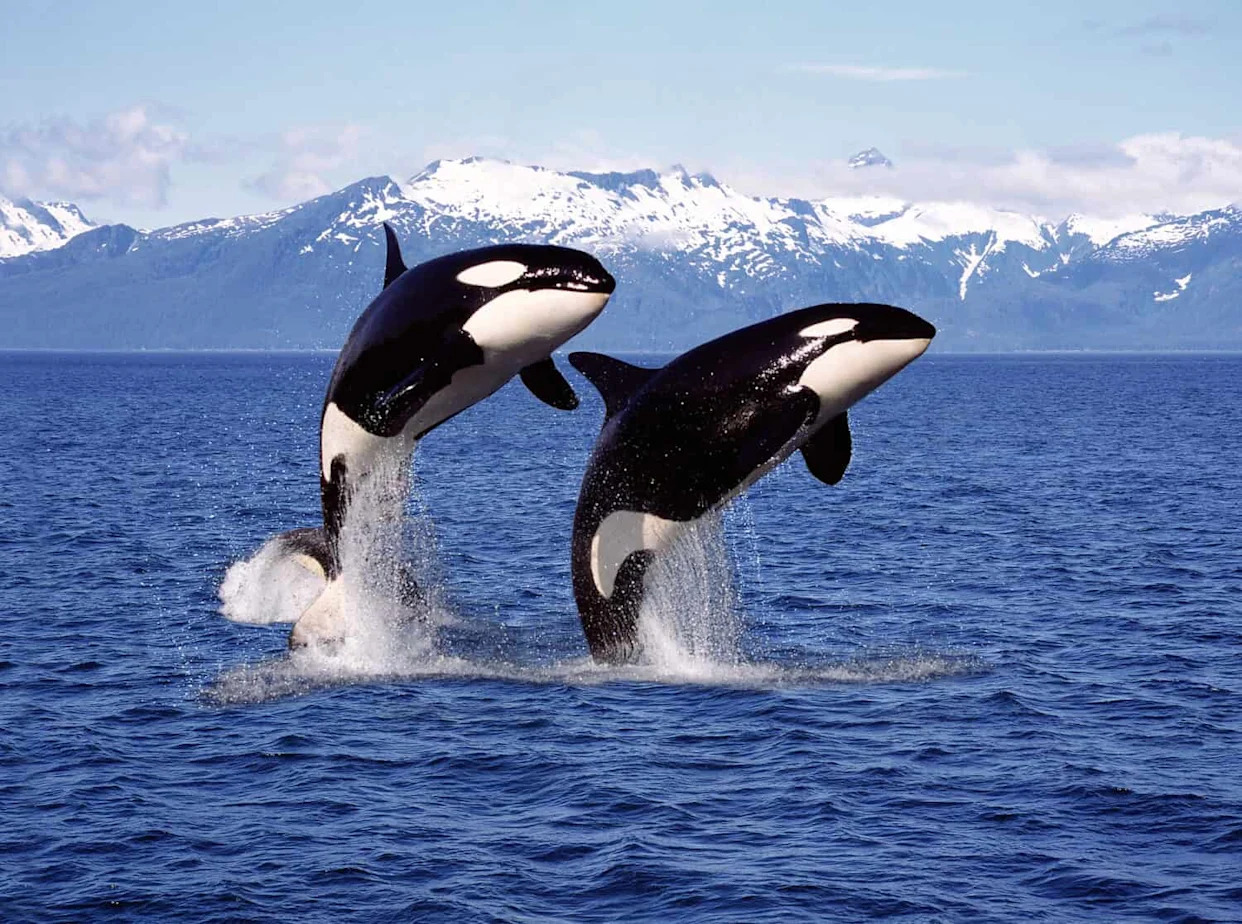
When the numbers are laid out, the contrast is stark. As of early 2026, great white sharks are responsible for a significant share of the world’s fatal shark attacks, which in recent years have resulted in between 4 and 11 human deaths per year globally across all shark species combined. Great whites have been linked to dozens of fatalities over the historical record. Orcas, by contrast, have zero confirmed fatal attacks on humans in the wild, despite being larger, stronger, and more capable predators. The few human deaths involving orcas occurred in captivity, not in the open ocean.

Humans kill vastly more great white sharks than the number of people ever harmed by these sharks.

©solarseven/Shutterstock.com

The imbalance becomes even more dramatic when looking at human impact on these animals. Humans kill an estimated 100 million sharks every year through commercial fishing, bycatch, and finning, including great whites, which are now legally protected in many countries due to population declines.

Orcas are not hunted on anything close to this scale, but humans still harm them indirectly through pollution, vessel strikes, prey depletion, and habitat disruption. In short, great whites are responsible for a small number of human deaths each year, orcas for virtually none, while humans kill vastly more sharks annually than sharks or orcas have ever killed people.

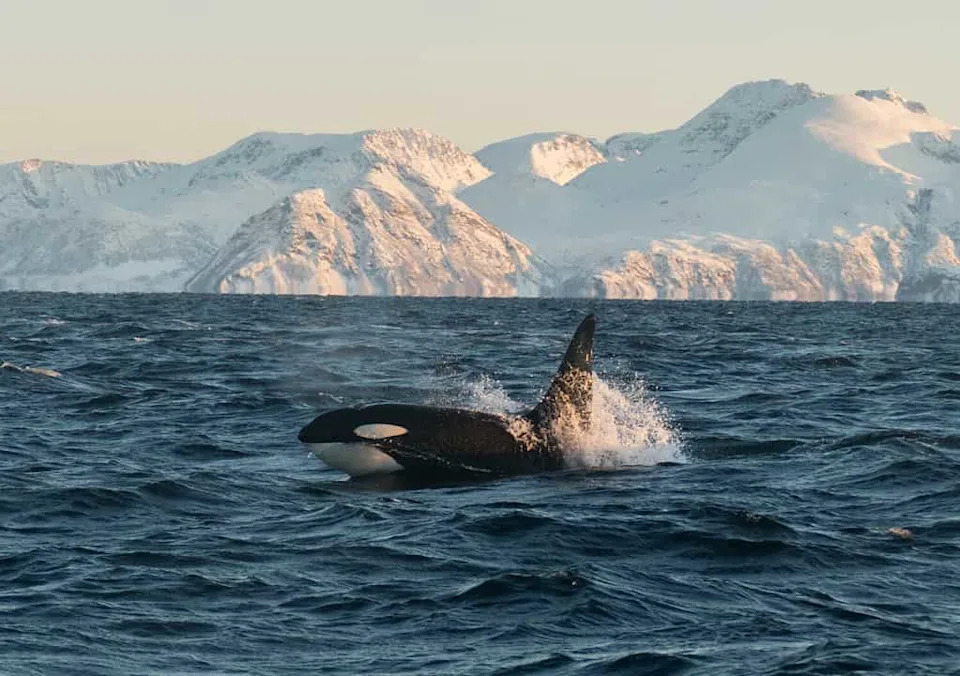
Many people associate orcas with icy seas because the most widely shared footage shows them hunting seals off ice floes or scooping penguins into the air. Those scenes are dramatic and memorable, but they give a misleading impression. The orca (also called the killer whale) is not an Arctic specialist at all. It has the widest natural range of any mammal except humans, occurring in every ocean on Earth. Orcas are found from polar waters to the tropics, including coastal areas near California, the Pacific Northwest, Japan, South Africa, New Zealand, and even the Caribbean. Some populations do prefer colder regions, but others spend their entire lives in temperate or warm seas.

When compared with the great white shark, the overlap is striking. Great whites are also globally distributed, favoring temperate and subtropical waters and regularly appearing near coastlines where humans swim and surf. In fact, the geographic range of orcas is broader than that of great whites, extending farther into both polar and tropical zones. This means orcas are not avoiding people simply by living far from us. They share much of the same ocean space as great white sharks, yet interactions with humans are dramatically rarer. The contrast highlights that the difference in attack rates has far more to do with behavior and hunting strategy than with where these animals live.

It’s important to understand that orcas do not roam around looking for “anything with a pulse.” Many pods specialize. Some focus on salmon. Others hunt marine mammals like seals and sea lions. A few target other whales. That specialization is not just instinct; it is learned behavior passed down within families.

Orcas hunt specific prey like fish or seals, using learned skills passed down in their pods, which is why humans are rarely targeted.

©Miguel Schmitter/Shutterstock.com

That matters because humans do not show up in those traditions. A pod that hunts fish does not suddenly switch to people because someone is splashing nearby. A pod that hunts seals must still identify a seal as prey, and they rely on more than just eyesight to make that determination. When an animal’s menu stays narrow, “accidental predation” stays rare.

Coordinated hunting is the main orca advantage. Instead of rushing in and hoping, they plan. They surround prey. They take turns. They use timing. Some groups wave-wash seals off ice. Some chase prey into shallow or confined water. Some strand briefly on beaches to grab seals, then slide back out.

That style rewards accuracy. A big, social hunter does not benefit from random test bites. A mistake wastes energy and can injure the hunter. When you watch orcas hunt, you see control more than chaos, even when it looks brutal.

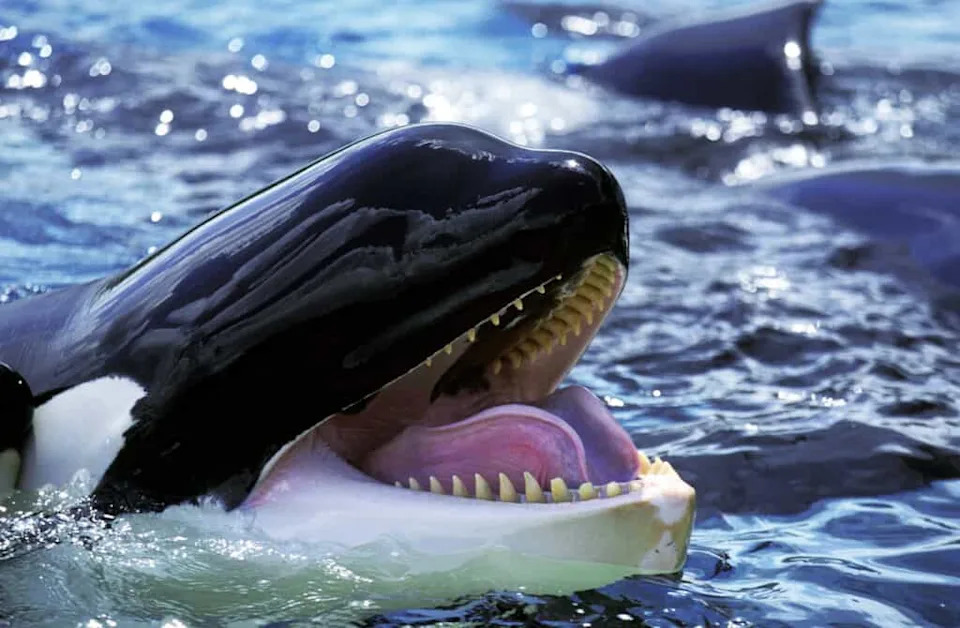
Their teeth look like sturdy cones because they need grip. They have 10 to 14 teeth on each side of both the upper and lower jaws. They do not chew. They clamp down, tear, and swallow chunks. SeaWorld’s overview of killer whale characteristics describes the tooth count and explains how the teeth function during feeding.

Orca teeth are shaped for gripping and tearing prey, not chewing, which makes their jaws powerful but very controlled.

©slowmotiongli/Shutterstock.com

People sometimes toss around dramatic bite-force numbers for orcas. Researchers have not directly measured bite force on a living orca, and estimates vary. The practical point is simpler: their jaws can injure a person badly, but wild orcas almost never choose to do that.

Marine-mammal-hunting orcas, often called Bigg’s (transient) killer whales in the Pacific Northwest, act like specialists. They track seals along shorelines. They coordinate to cut off escape routes. They may toss prey to break it up or to practice hunting skills. While it can look like play, it serves a practical hunting purpose. Notice what is missing. They do not usually bite and leave. They do not need a risky “sample” bite. They already know what they want. They also tend to avoid unfamiliar targets that do not match the prey profile their group hunts.

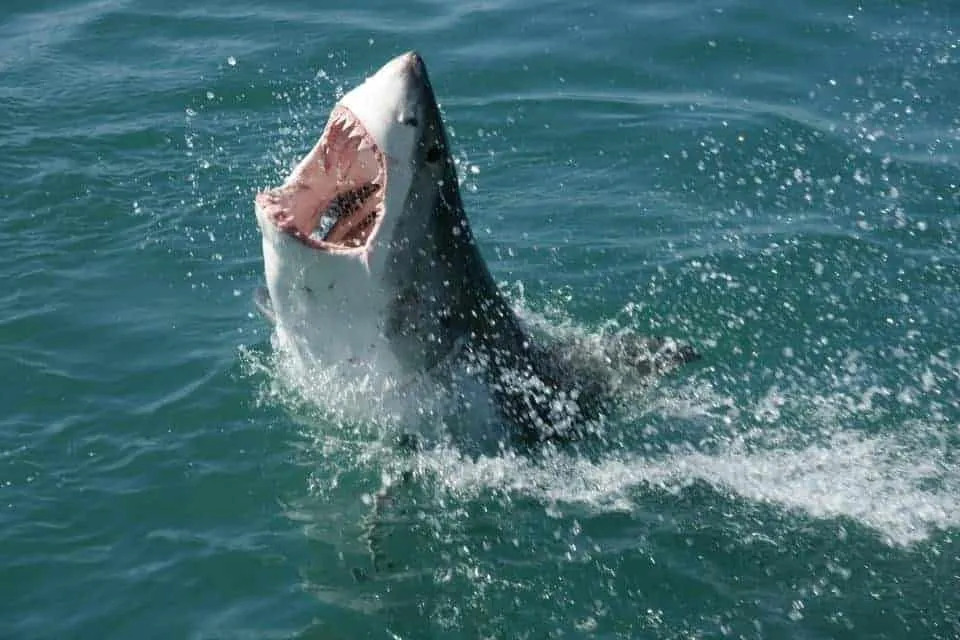
In comparison, the great white shark succeeds through stealth, speed, and a sudden strike. It often attacks from below and hits hard. Its teeth are triangular and serrated, made to slice through blubber and muscle. Great whites also replace teeth constantly, so they keep a sharp set ready.

A common feeding pattern is bite-and-back-off. The shark may wait for the prey to weaken before returning. That matters for humans because a single bite can cause massive bleeding. The shark might let go fast, but the person still has to survive the injury.

Great white sharks rely on surprise attacks and sharp, serrated teeth that can cause serious injury in a single bite.

©Travelbag Ltd / Flickr – Original

Shark bites on humans stay rare, but they happen every year. The International Shark Attack File (ISAF) tracks and investigates reports worldwide. In its 2024 yearly summary, ISAF confirmed 47 unprovoked shark bites on humans. Four of those attacks resulted in fatalities, and the report also breaks down other categories like provoked bites. Those numbers jump around by year. That is normal. What does not change is the basic pattern: sharks account for far more injuries to people than wild orcas do.

Worldwide data shows that shark bites on humans happen each year, though they remain uncommon overall.

©Elias Levy / CC BY 2.0 – Original / License

Wild orca attacks on humans are extremely rare, and there are no confirmed cases of a wild orca killing a person. Reports that sound scary often involve boats, gear, or fish catches. In other words, the orca interacts with an object, not a person, as prey. Captivity changes behavior in ways the ocean does not. Confined spaces, stress, and forced contact raise risk. That does not mean wild orcas “go easy” on humans out of kindness. It means humans do not fit their prey map.

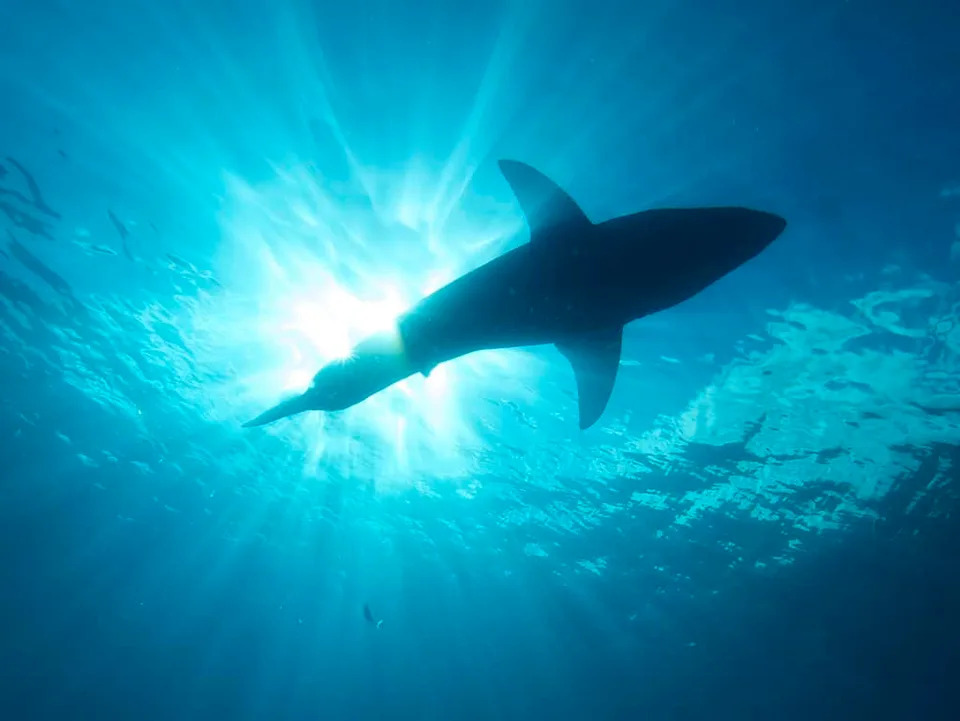
This is the big one. Great whites sometimes bite surfers or swimmers because the silhouette and motion can resemble seals from below. Macquarie University research, shared via Phys.org, tested a simulated shark-vision model and found support for the mistaken identity idea.

From below, the shape and movement of seals can resemble surfers, leading to occasional shark mistakes.

©Agami Photo Agency/Shutterstock.com

Orcas have a different setup. They use strong social learning plus echolocation. They also hunt in coordinated groups that rely on shared targeting. A single, confused lunge is not typical of orca hunting behavior. Sharks hunt alone more often, and a solo ambush predator can “check” a target with its mouth. That is a terrible method when the target is a human with thin skin.

Orcas are not safer because they are “nicer.” They are safer because humans do not register as typical prey, and because their hunting culture runs on accuracy. Great white sharks create danger because their first strike is built to disable large prey fast, and their perception can fail in surf zones.

Respect is still the right move with both animals. Give space. Avoid swimming near seal colonies. Stay out of murky water at dawn and dusk if sharks live nearby. Do not act like the ocean is your personal pool. Nature never signed that contract.

The post Why Don’t Orcas Kill People? appeared first on A-Z Animals.