yahoo Press
15 Foods That Unclog Arteries and Keep Your Heart Ticking
Images

1 / 20

2 / 20

3 / 20

4 / 20

5 / 20

6 / 20

7 / 20
8 / 20
9 / 20

10 / 20
11 / 20
12 / 20
13 / 20
14 / 20
15 / 20
16 / 20
17 / 20
18 / 20
19 / 20

20 / 20
Whether you're 40 or 90, heart health and clear arteries are important for longevity. The accumulation of substances in the arteries, a combination of cholesterol, fat, and other cellular debris known as plaque, is a gradual process influenced by diet, stress, and physical activity levels. This buildup can lead to serious cardiovascular events, such as heart attacks and strokes.

Fortunately, dietary choices can play a significant role in mitigating this risk. Certain foods possess properties that can help clear arteries and maintain their flexibility (via better cholesterol numbers and/or encouraging smooth arterial passageways). This guide will introduce 15 such foods.

These are commonly available items that can be easily incorporated into your diet to support cardiovascular health.

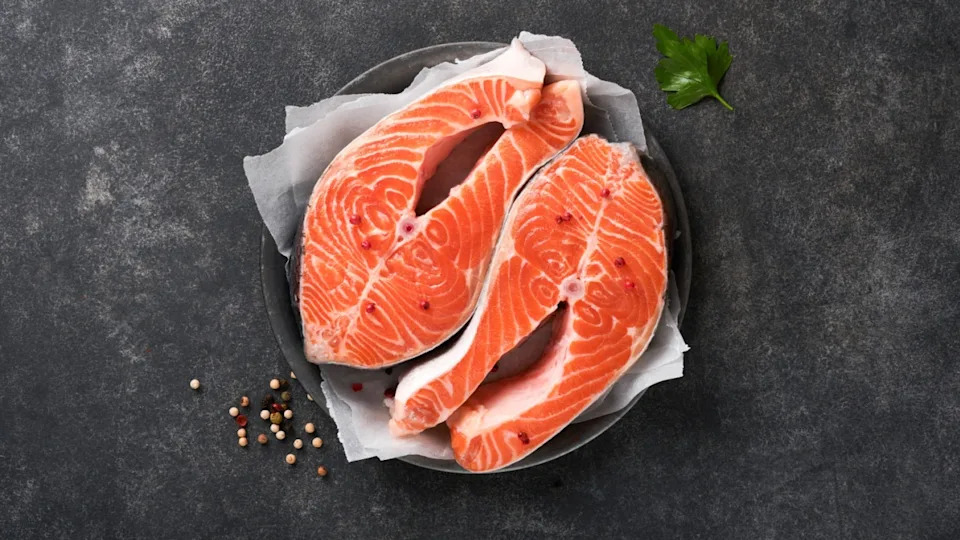
Fatty fish are champions of arterial health. They’re loaded with omega-3 fatty acids (specifically EPA and DHA), which act as your body's internal cleanup crew. They help reduce inflammation throughout your cardiovascular system and protect your cholesterol from turning into artery-clogging plaque.

A 3.5-ounce serving of Atlantic salmon is packed with these good fats. Sardines and mackerel offer similar benefits, plus a dose of selenium, an antioxidant mineral that gives your heart extra protection. Aim for at least two servings a week to feel the full effects.

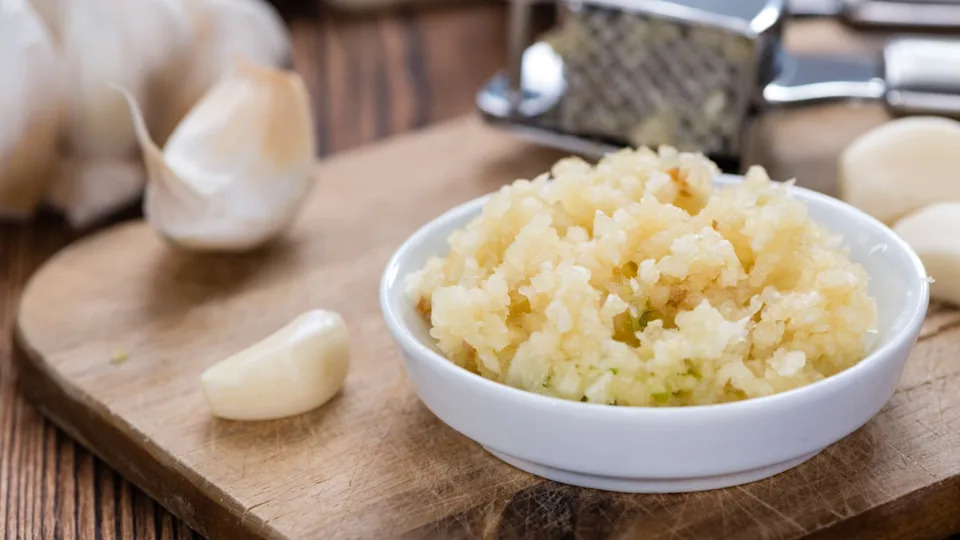
For centuries, garlic has been hailed as a natural remedy, and for good reason. This pungent little bulb helps lower blood pressure and "bad" LDL cholesterol. The magic comes from allicin, a compound that helps relax your blood vessels, improving circulation and keeping things flowing smoothly.

It might even help reduce the amount of plaque already built up. Add fresh garlic to sautéed veggies, roasted meats, or homemade salad dressings for maximum impact.

A cornerstone of the heart-healthy Mediterranean diet, olive oil is liquid gold for your arteries. It’s packed with monounsaturated fats, particularly oleic acid, that help lower bad LDL cholesterol while improving  HDL (good cholesterol) profile.

Extra virgin olive oil also contains special plant compounds called polyphenols. These little warriors fight inflammation and help keep your blood vessel lining smooth and flexible, ensuring your arteries stay clear. Use it as your main cooking oil or drizzle it generously over salads.

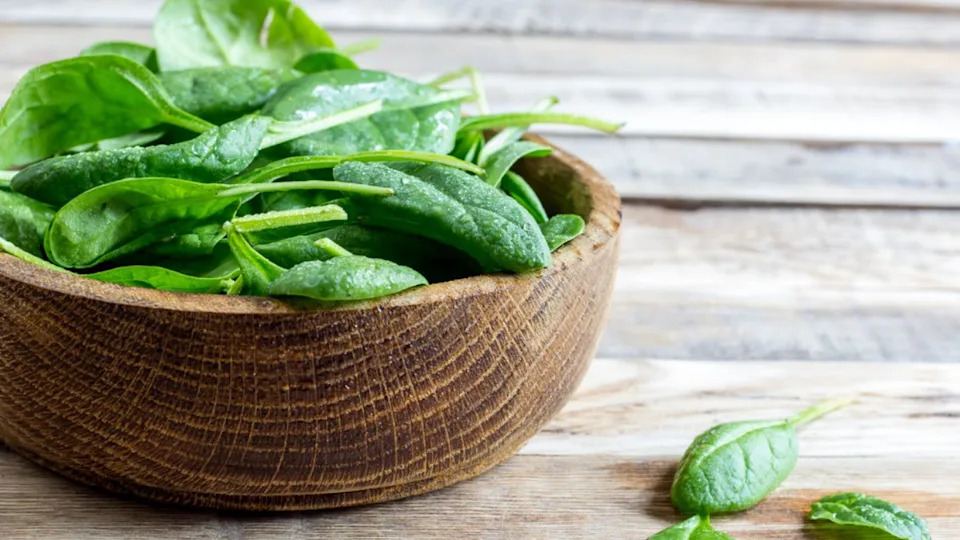
Dark leafy greens are nutritional powerhouses for your arteries. They are exceptionally high in nitrates, which your body converts into nitric oxide, a molecule that helps relax and widen blood vessels, improving blood flow and preventing plaque from sticking around.

Spinach and kale also come loaded with vitamins C and K, plus magnesium and potassium, all working together to lower blood pressure and fight off damage. Toss a handful into your next smoothie, soup, or omelet for an easy health boost.

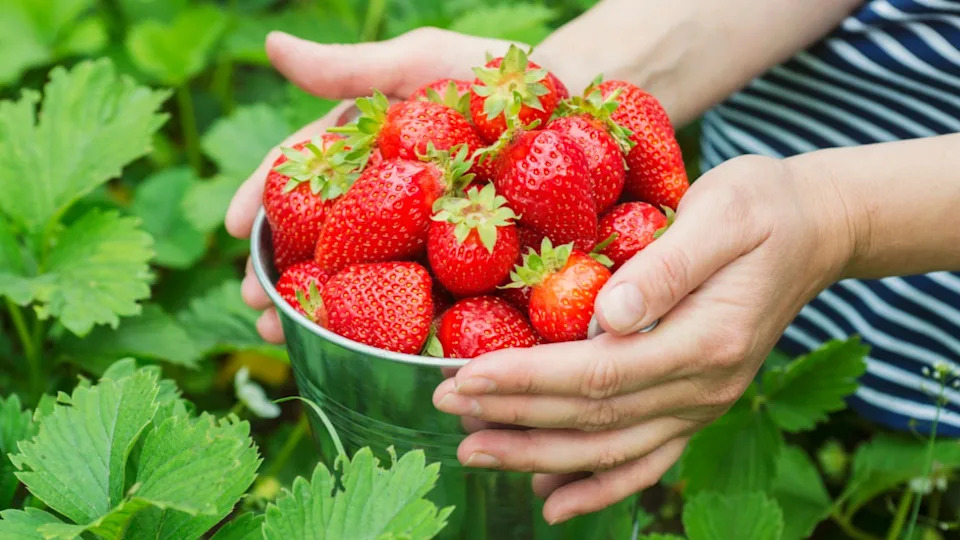
Berries get their vibrant colors from compounds called anthocyanins, which are potent antioxidants. These compounds are your cardiovascular system's personal bodyguards, fighting off the free radicals that lead to plaque formation and reducing inflammation.

Strawberries can help improve cholesterol profiles and reduce arterial stiffness, while cranberries and blueberries support healthy blood pressure. Fresh or frozen, add them to oatmeal, yogurt, or smoothies.

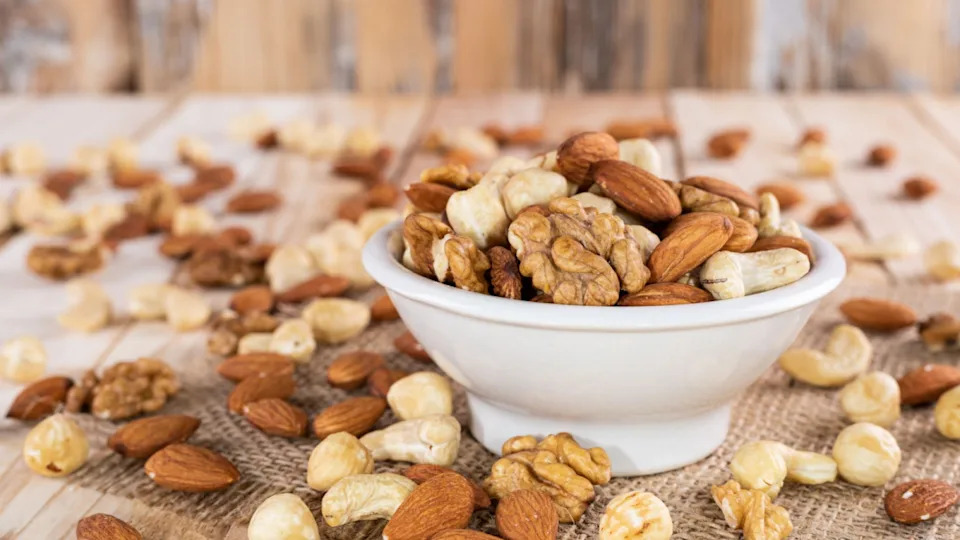
Nuts offer a trifecta of healthy fats, fiber, and protein that your arteries love. Walnuts are particularly special because they're high in alpha-linolenic acid (ALA), a plant-based omega-3 that helps cool inflammation and manage cholesterol.

Almonds are full of vitamin E, which acts as a shield for your cholesterol, while pistachios help improve blood vessel function. A quarter cup a day is all you need for major heart benefits. Opt for raw or dry-roasted varieties to skip the extra salt and sugar.

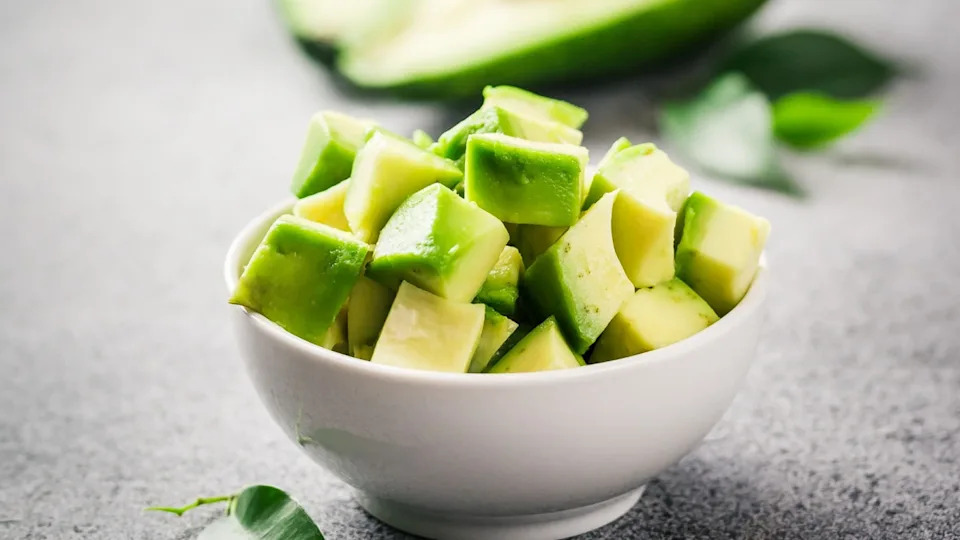
Avocados are creamy, delicious, and full of the same monounsaturated fats found in olive oil. Eating avocados regularly can boost your HDL cholesterol, the "good" kind that acts like a street sweeper for your arteries, clearing away plaque.

Beyond fats, avocados provide fiber, potassium, and magnesium, all of which support healthy blood pressure and keep your arteries in top shape. Spread it on toast, toss it in a salad, or blend it into a smoothie.

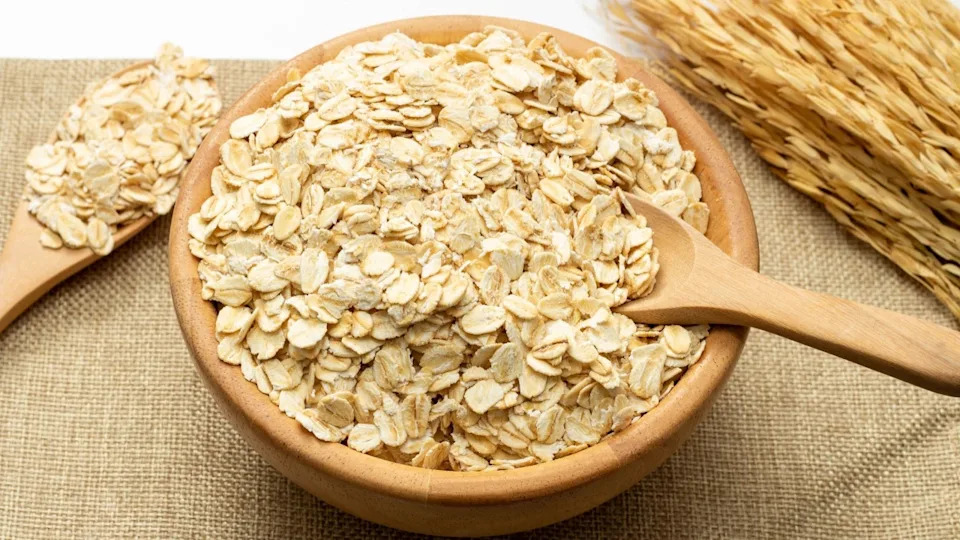
These humble whole grains contain a special type of soluble fiber called beta-glucan. Think of it as a sponge that soaks up cholesterol in your digestive tract, preventing it from ever entering your bloodstream.

Just 1.5 cups of cooked oatmeal a day can have a noticeable effect on lowering your bad LDL cholesterol. Barley offers similar benefits and works great in soups, salads, or as a rice substitute. Choose steel-cut or rolled oats for the most nutritional bang for your buck.

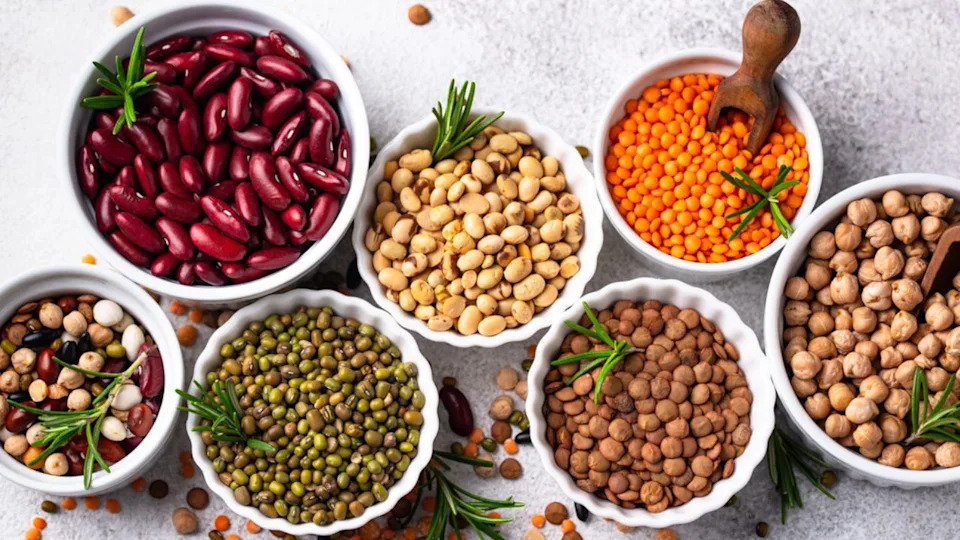
Legumes are a fantastic combination of plant protein, soluble fiber, and essential minerals for arterial health. The fiber helps regulate both blood sugar and cholesterol, while its potassium and magnesium contents support healthy blood pressure.

Making legumes a regular part of your diet can significantly lower your cholesterol levels. Add them to soups, salads, and grain bowls, or use them as a base for veggie burgers and dips.

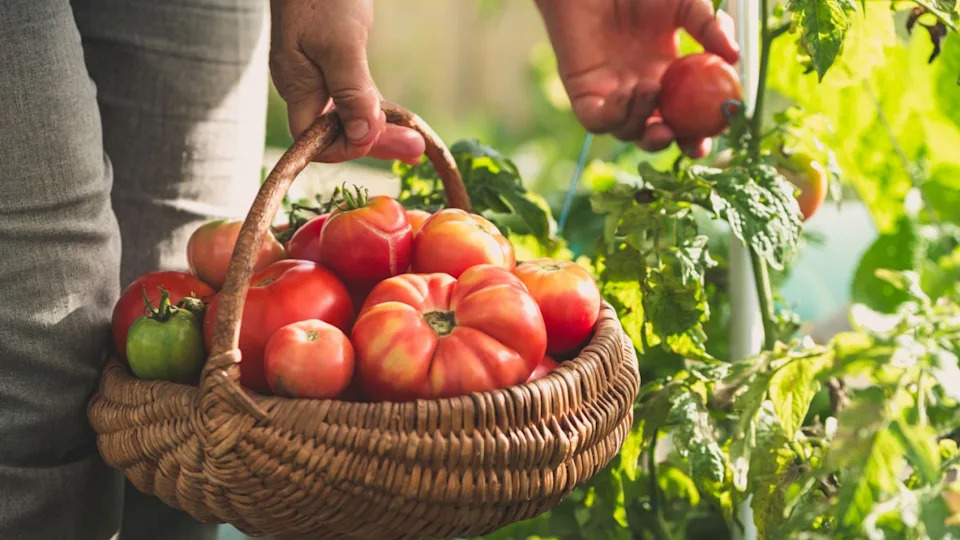
Tomatoes are artery-friendly heroes, thanks to lycopene, the antioxidant that gives them their brilliant red color. Lycopene helps protect your "bad" LDL cholesterol from damage and reduces inflammation in your blood vessels.

Here's a fun fact: your body absorbs more lycopene from cooked tomatoes, so tomato sauce, paste, and soup are excellent choices. Pair them with a healthy fat like olive oil to absorb even more of this powerful antioxidant.

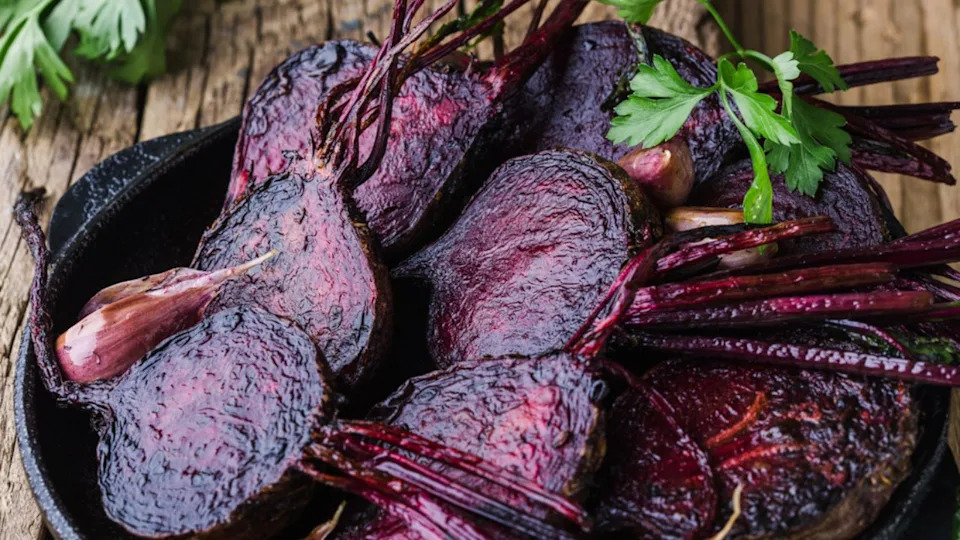
Beets are one of nature's richest sources of nitrates, which your body converts into that all-important nitric oxide. This molecule is a game-changer for arterial health, as it relaxes blood vessel walls, improves blood flow, and helps prevent plaque from building up.

Drinking beetroot juice can lower blood pressure, sometimes within just a few hours. Roast them as a side dish, grate them raw into salads, or blend them into a vibrant smoothie.

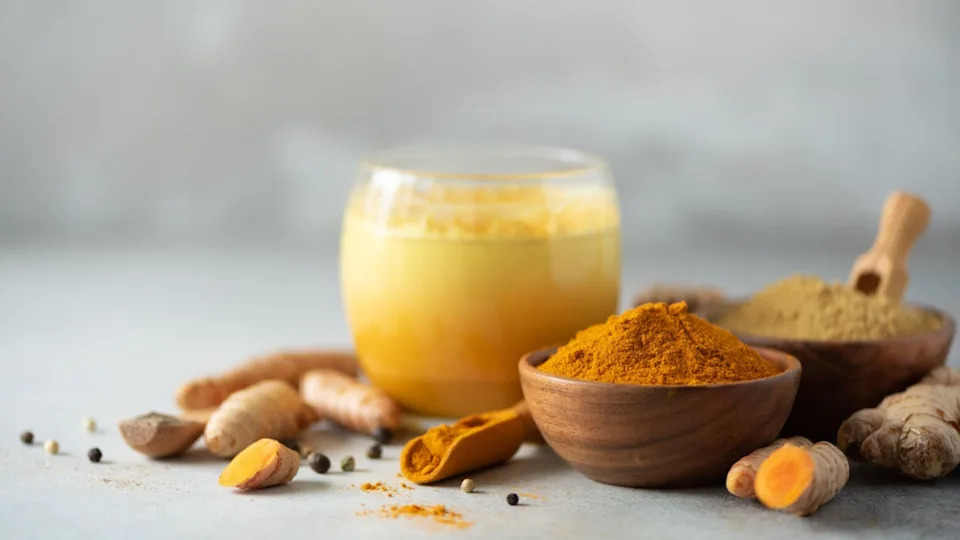
This golden spice contains curcumin, a compound with incredible anti-inflammatory and antioxidant powers. Curcumin helps calm inflammation in your artery walls and improves the function of your blood vessel lining, contributing to overall flexibility and health.

To get the most out of it, consume turmeric with a pinch of black pepper; a compound in pepper called piperine boosts curcumin's absorption by up to 2000%. Add it to curries, soups, or golden milk lattes.

Green tea is packed with catechins, a type of antioxidant that offers substantial cardiovascular protection. These polyphenols reduce inflammation and may help reduce plaque buildup in arteries.

Multiple studies link regular green tea consumption to healthier cholesterol levels and a lower risk of heart disease. Aim for 2-3 cups daily. For the best brew, use water that's hot but not boiling to preserve its beneficial compounds.

Ground flaxseeds are one of the best plant sources of alpha-linolenic acid (ALA), an inflammation-fighting omega-3. They also provide lignans, plant compounds with antioxidant properties, and a healthy dose of both soluble and insoluble fiber.

This combination helps lower blood pressure and improve cholesterol levels. Always use ground flaxseeds for the best nutrient absorption, and sprinkle them on your oatmeal, smoothies, or yogurt.

Pomegranates contain a potent antioxidant called punicalagin that's a fierce protector against oxidative stress and inflammation in your arteries. Pomegranate juice has been shown to reduce arterial plaque, lower blood pressure, and improve cholesterol profiles. Some believe it may even help reverse existing plaque.

Enjoy the fresh seeds (arils) as a snack, sprinkle them over salads, or drink pure, unsweetened pomegranate juice in moderation.

Ready to put these arterial-cleansing foods into action? Add two or three of these items to your weekly grocery list. Focus on variety and consistency rather than perfection.

Small, sustainable changes to your diet can yield significant improvements in your cardiovascular health over time.

Read More:

6 Best Pantry Staples for Boosting Heart Health

10 Anti-Inflammatory Foods Every Pantry Needs in Winter