yahoo Press
Paradise Textiles to Build $102 Million Facility in Egypt
Images
1 / 5
2 / 5

3 / 5

4 / 5
5 / 5
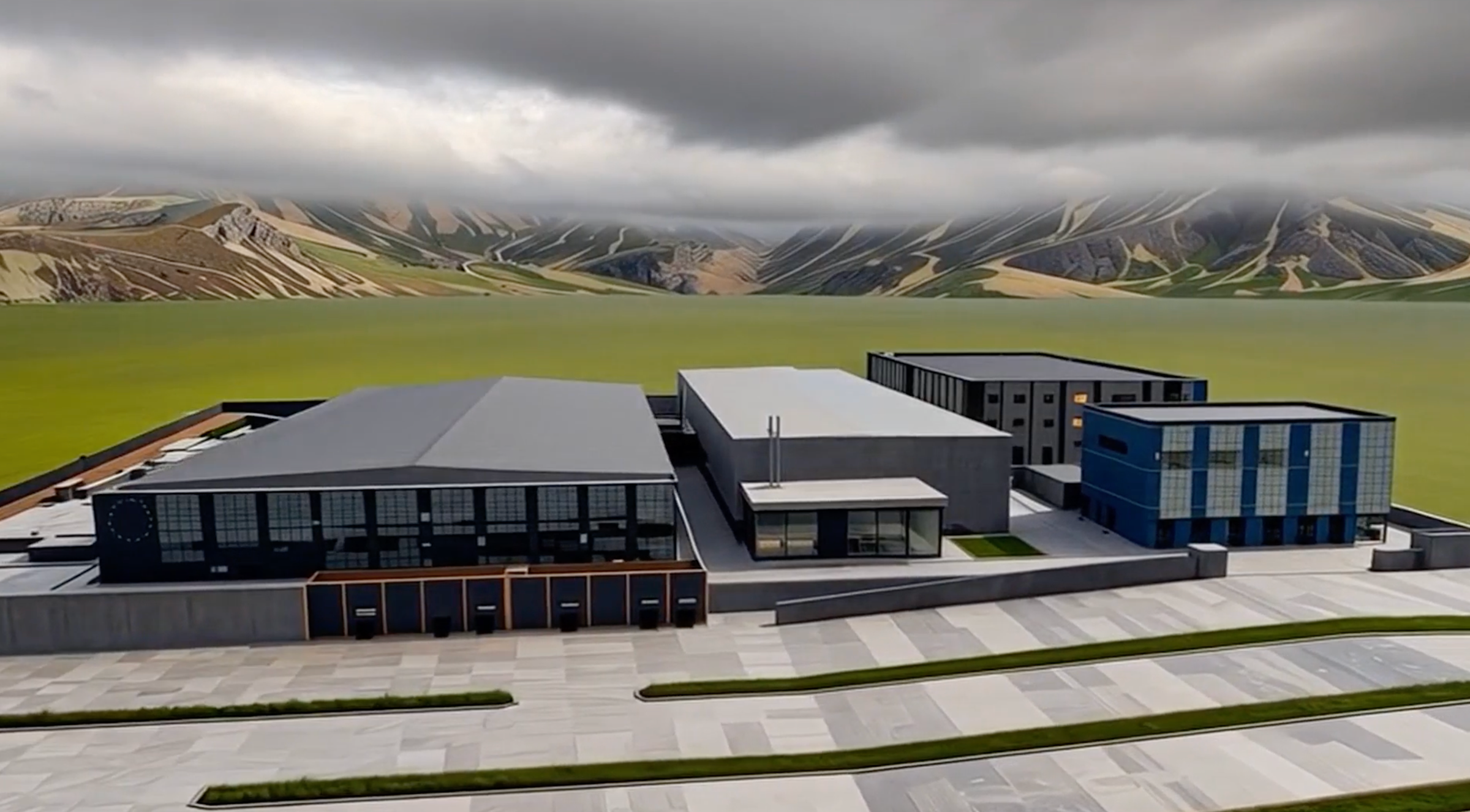
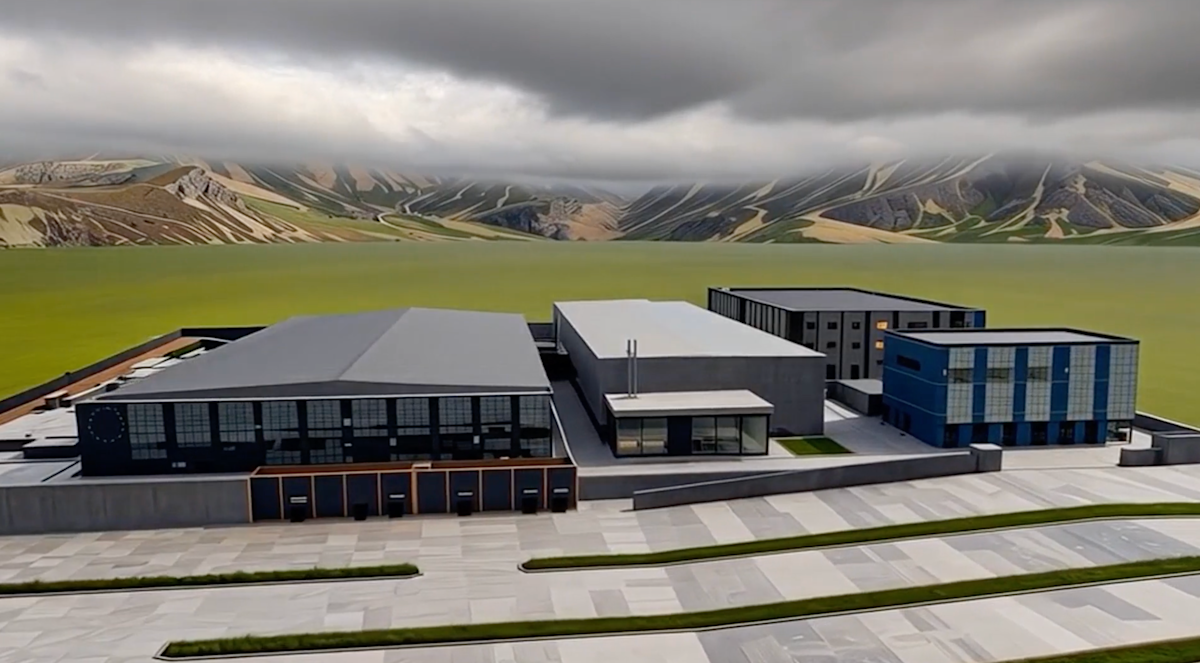
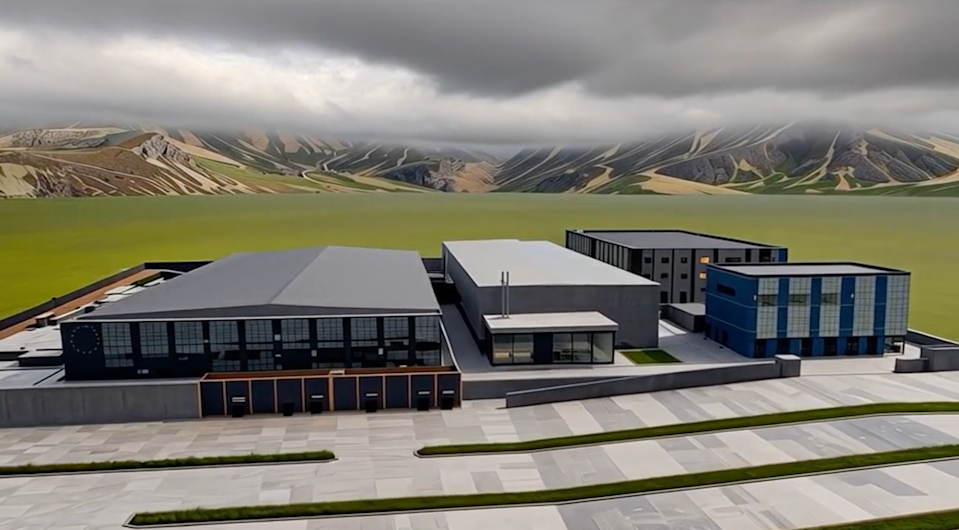
Material science and innovation operation Paradise Textiles plans to develop a $102 million integrated fabric manufacturing facility in Alexandria, Egypt.

Part of global end-to-end textile company Alpine Group, Paradise Textiles will bring around 1,200 jobs to the Amreya Public Free Zone in Alexandria in an effort to strengthen Egypt’s position as a responsible textile manufacturing center. The facility will be located adjacent to Alpine Group’s Egypt manufacturing operation, Alex Apparels, creating a more vertical production platform by reducing the distance between fiber development and garment production. Alpine said that this proximity will allow them to improve speed to market, enable tighter technical collaboration and enhance end-to-end supply chain transparency.

More from Sourcing Journal

Egypt Garment Exports Set to See Huge Growth

Turkey's Minimum Wage Surges 27 Percent

Top Denim Producing Nations in Tariff Crosshairs-And Consumers Are Feeling the Burn

“This investment strengthens our ability to deliver greater speed, consistency and technical collaboration for our brand partners,” said Ehab Mohi, Chairman of Alex Apparels, Egypt. “By bringing fabric development and garment manufacturing into closer proximity, we are improving lead times, enhancing quality control and enabling more agile, performance-driven production for activewear and sportswear brands serving global markets.”

Sustainability has been a key consideration for the facility, with lower-impact production technologies and energy-efficient machinery expected to reduce water and power usage. The plant will be monitored by integrated environmental management systems to ensure processes remain optimized for resource efficiency.

Ashok Mahtani, co-founder and chairman of Alpine Group and Paradise Textiles, said these measures were designed to make Paradise Textiles’ products more compliant to growing environmental regulations such as the European Union’s Digital Passport for Textiles.

“This project reflects our long-term vision of bringing fabric innovation closer to the needle, strengthening vertical integration and building manufacturing ecosystems that are fit for the future,” he said. “As global brands face increasing sustainability expectations and evolving regulatory requirements, the development of this facility underlines our commitment to responsible growth, transparency and operational excellence. We are listening carefully to our partners and investing accordingly.”

One of the concerns those partners have expressed is increased costs due to the Trump Administration’s tariff policies. Egypt enjoys duty-advantaged access to importers in the United States thanks to the Qualifying Industrial Zones agreement, which allows products manufactured in designated Egyptian zones to enter the U.S. without levies provided they meed a minimum of 10.5-11.7 percent Israeli content and 35 percent total local content. Alexandria is one of six Qualified Industrial Zones in Egypt.

Egypt’s textile manufacturing business has been on the rise and continues to grow, estimated at a value of $10.08 billion in 2026 and is projected to grow to $12.34 billion by 2031, according to recent data from Mordor Intelligence.

Supported by a $72 million financing agreement with Commercial International Bank-Egypt (CIB), Paradise Textiles’ new facility is slated to be operational by the third quarter of this year. CIB’s investment will be released in three phases, with an initial $35.5 million going toward the build and further disbursements slated over the next two years in line with project milestones.