yahoo Press
Archaeologists Exploring a Jungle Found the Remains of Ancient Maya Marketplaces
Images
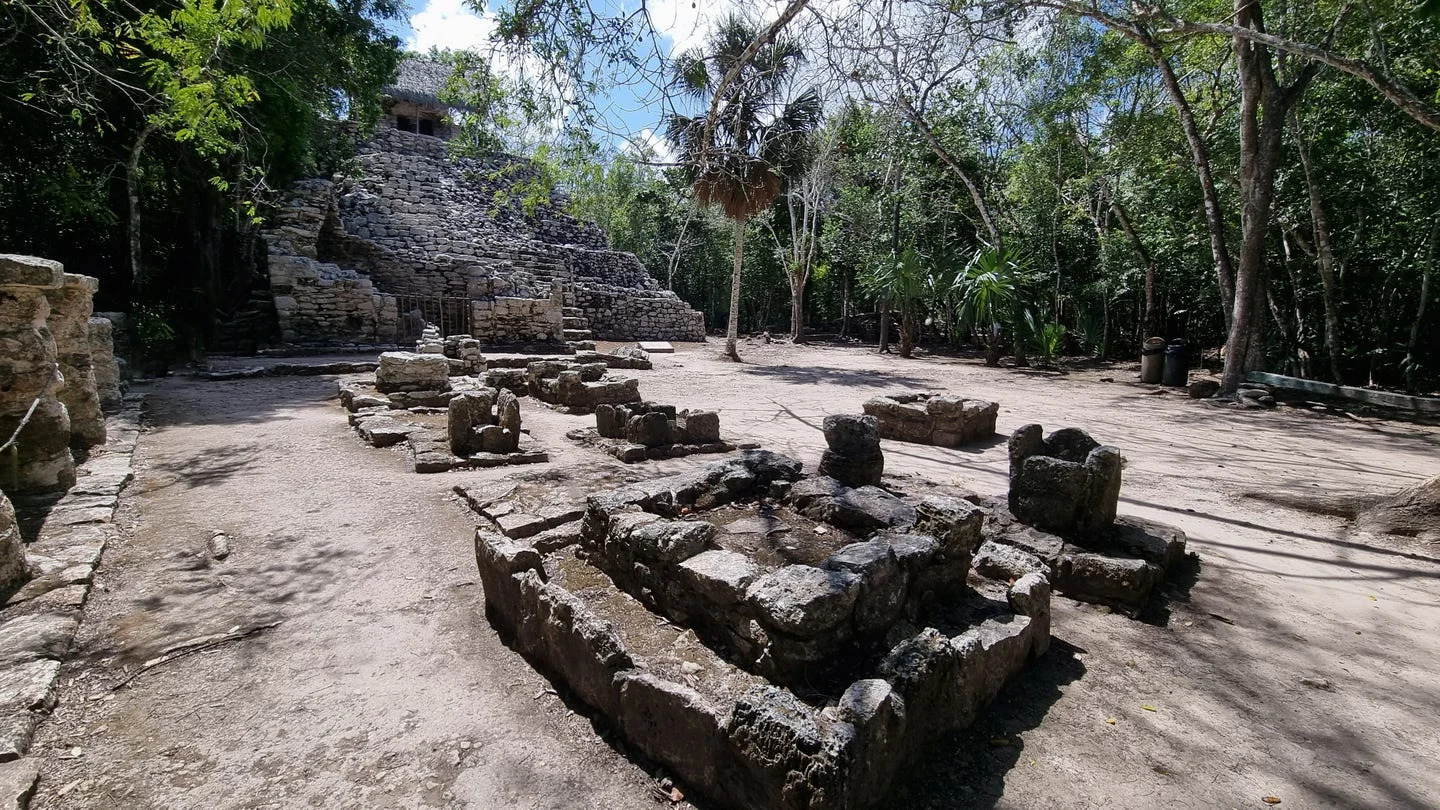
1 / 10
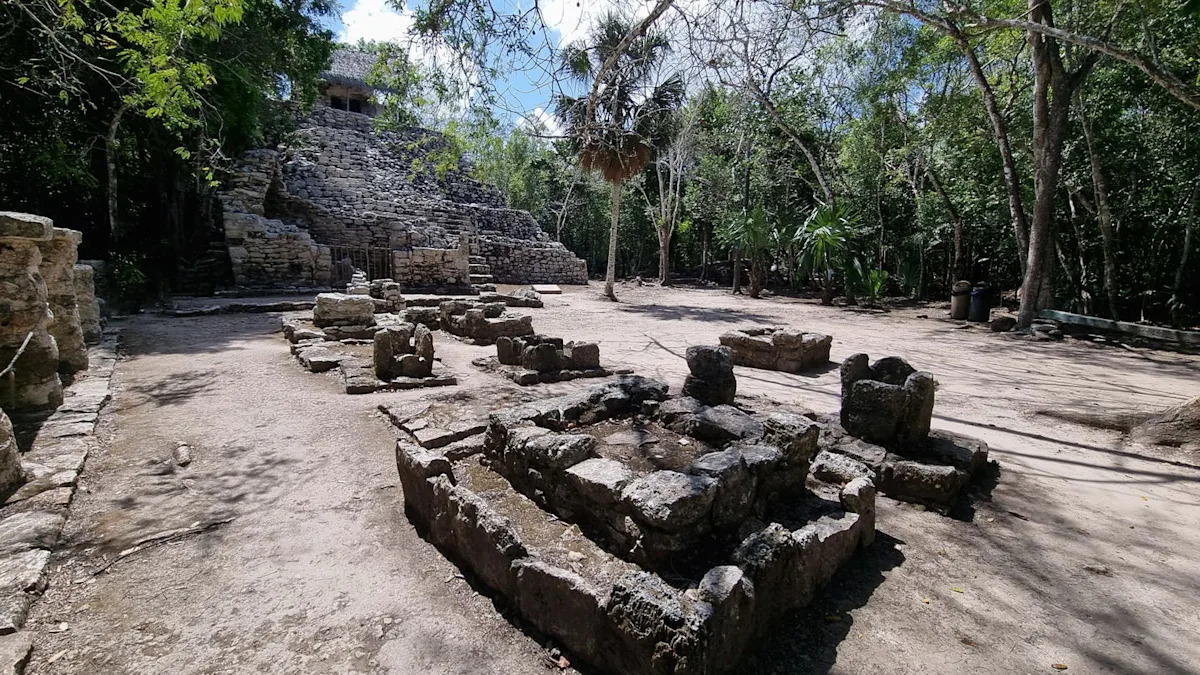
2 / 10

3 / 10

4 / 10

5 / 10

6 / 10
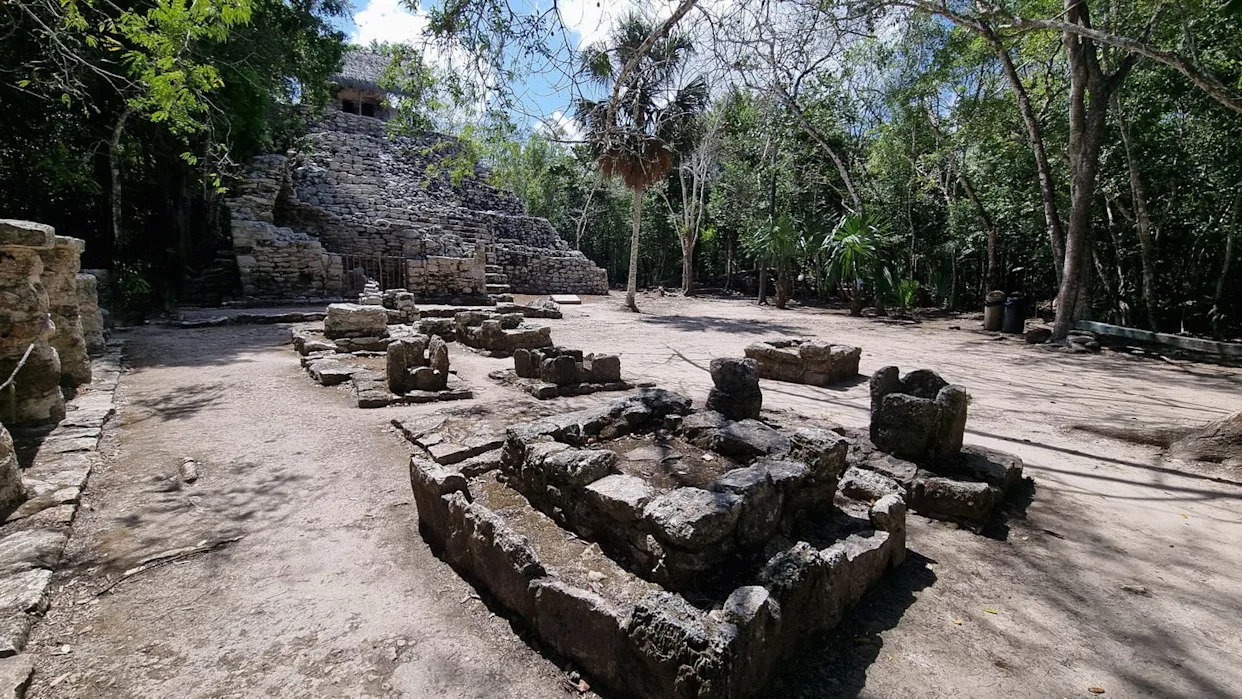
7 / 10

8 / 10

9 / 10

10 / 10
Here’s what you’ll learn when you read this story:

A researcher in the Maya Lowlands of southeastern Mexico uncovered dozens of “nested constructions” which likely served as marketplaces.

These Maya marketplaces are typically defined by their concentric circle layout and platforms for displaying goods.

Beyond the retail features, these constructions often featured religious ritual structures and even ball courts.

A researcher investigating the Maya Lowlands recently uncovered dozens of “nested constructions” scattered throughout historic communities dating to the Classic period (250 to 900 C.E.). The approximately 50 sites—all quite similar—feature concentric rings of low-slung structures, a design consistent with Conquest-period descriptions of central Mexican marketplaces.

Ivan Šprajc of the Research Center of the Slovenian Academy of Sciences and Arts reported the find in a study published in the journal Ancient Mesoamerica, noting that the central and western Maya Lowlands feature a range of these complexes.

“The low, narrow, elongated mounds arranged in concentric circles or rectangles are likely remnants of platforms that once supported perishable stalls for displaying goods, with the intervening aisles functioning as walkways,” the scholar wrote. “Associated major structures and annexed courtyards may have accommodated administrative authorities or served as storage facilities.”

These sites aren’t solely ancient markets, either. Many of the locations also contain stone altars and shrine areas, while some feature ceremonial buildings and even ball courts, all bolstering the religious and ritual aspects of Mesoamerican trade.

Šprajc noted that the architectural patterns of the sites matched those of markets previously identified in archaeological research on other Maya cities. The conclusion that these sites were indeed markets is further supported by the discovery of paintings depicting marketplace activities.

“The idea that complexes with this distinctive configuration represent the remains of built markets appears to be the most viable interpretation in light of the available data,” Šprajc wrote, even if some of the sites may have also hosted ritual activities, craft production, and food consumption.

Šprajc reported that some areas showed a higher concentration of the nested constructions. Those places were often less naturally viable for agricultural cultivation, potentially requiring a “greater need to import and redistribute agricultural products.” Another high concentration of the potential markets was around one of the region’s most stable waterways, the La Rigueña River. Additional research suggests that the river was heavily fished, which suggests that those particular markets may have been focused on fish trade.

While additional research will likely uncover a richer picture of the distribution of these marketplaces, Šprajc believes it unlikely that they were equally common in every area of the Maya Lowlands. He suggests that they looked different in each spot, offering a range of regional variations on the ancient Maya-built markets.

“Given the known regional variability in diverse cultural expressions, it seems obvious that the same activities could have taken place in compounds with different architectural configurations or even in spaces without permanent structure,” he wrote, “thus leaving few archaeologically detectable traces.”

You Might Also Like

20 Cars That Were Massively Improved by a Redesign

Going on Vacation? These Appliances Need to Be Unplugged Before You Leave the House

Roborock Reigns Supreme for Robot Vacuums, but We Also Loved These Other Models