buzzfeed Press
These 49 Bizarre Items Never Would Have Been Identified If The Internet Hadn't Come To The Rescue
Images
1 / 20
2 / 20

3 / 20
4 / 20
5 / 20
6 / 20
7 / 20
8 / 20
9 / 20

10 / 20
11 / 20
12 / 20
13 / 20
14 / 20
15 / 20
16 / 20
17 / 20
18 / 20
19 / 20
20 / 20
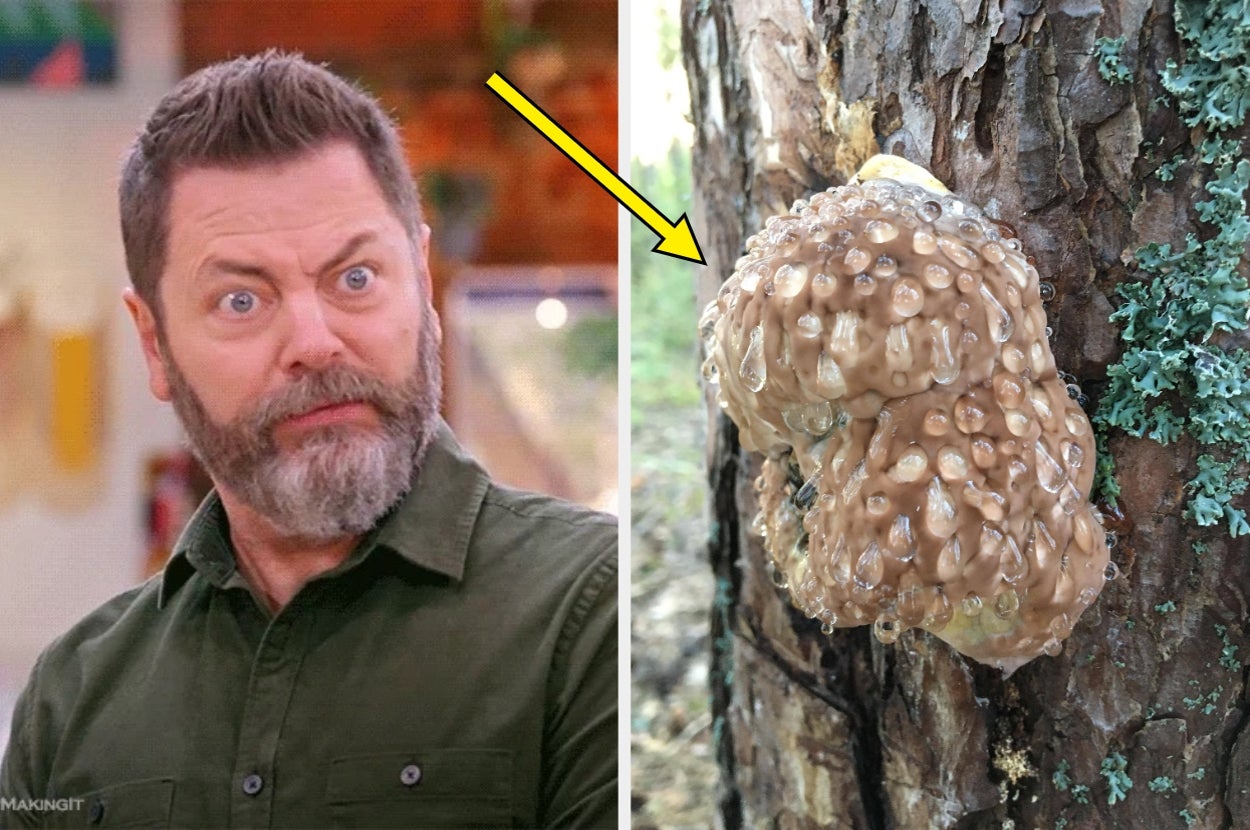
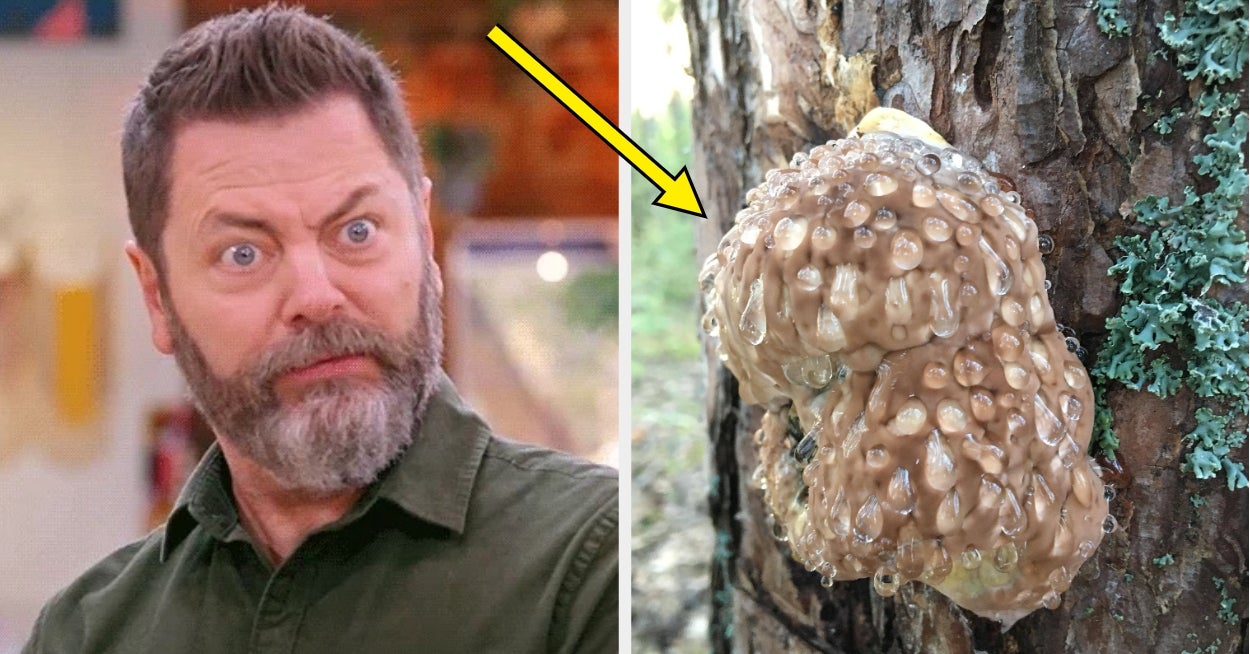
I hope I never stumble upon the sweaty polypore fungus in real life.

As a Resident Writer here at BuzzFeed, I cover topics like politics, weird history, tech, trending viral stories, and other various corners of the internet.

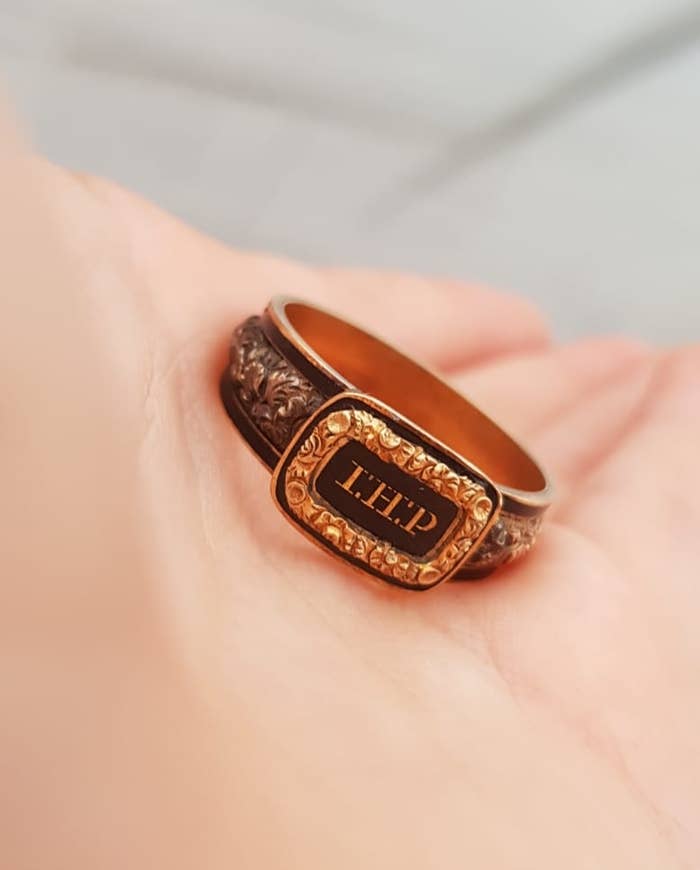
"It's a Georgian/early Victorian mourning ring. The initials belong to the lost loved one. They were typically made from gold (18k+) and enameled in black. Yours looks like it was made around the 1820s-1840s."

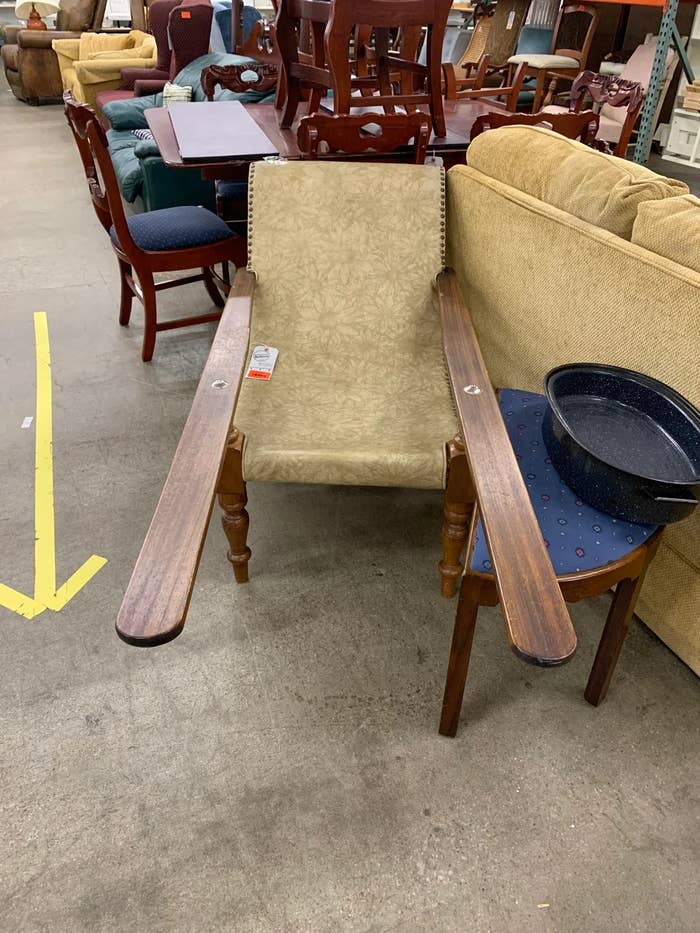
"It looks like a plantation/planters chair. You’d put your sore, swollen legs up on the arms after sitting on a horse all day, like a pregnant woman with her legs up in the same fashion. This is why the back is sloped as well. If you sit up straight, it wouldn’t be comfortable to put your legs up like that, but in a reclined position, it’s good for blood flow and air flow. Here's an example photo."

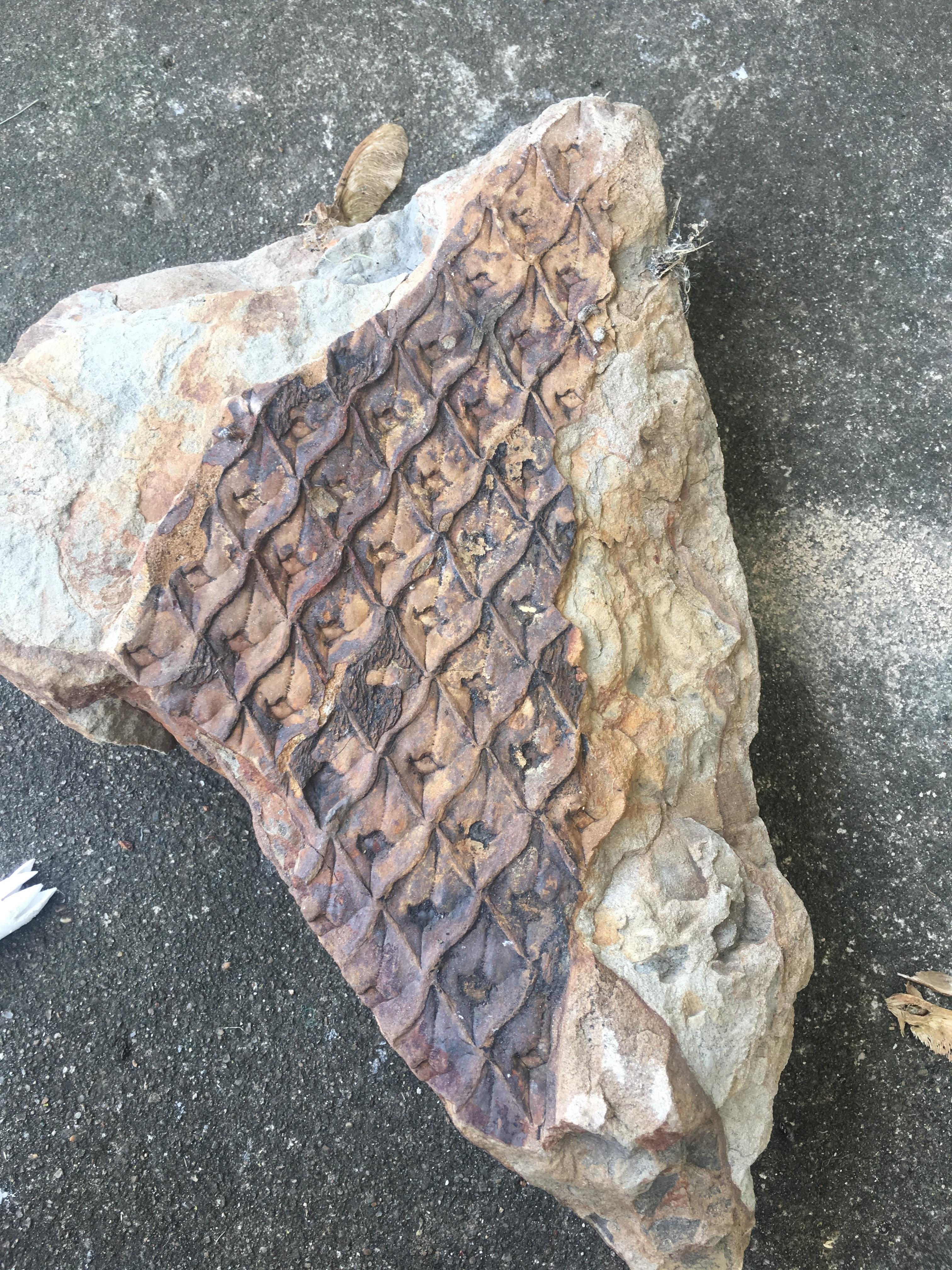
"Yup, that's a fossil. Tree trunk impression."

"You have found a very beautiful example! Here's another example."

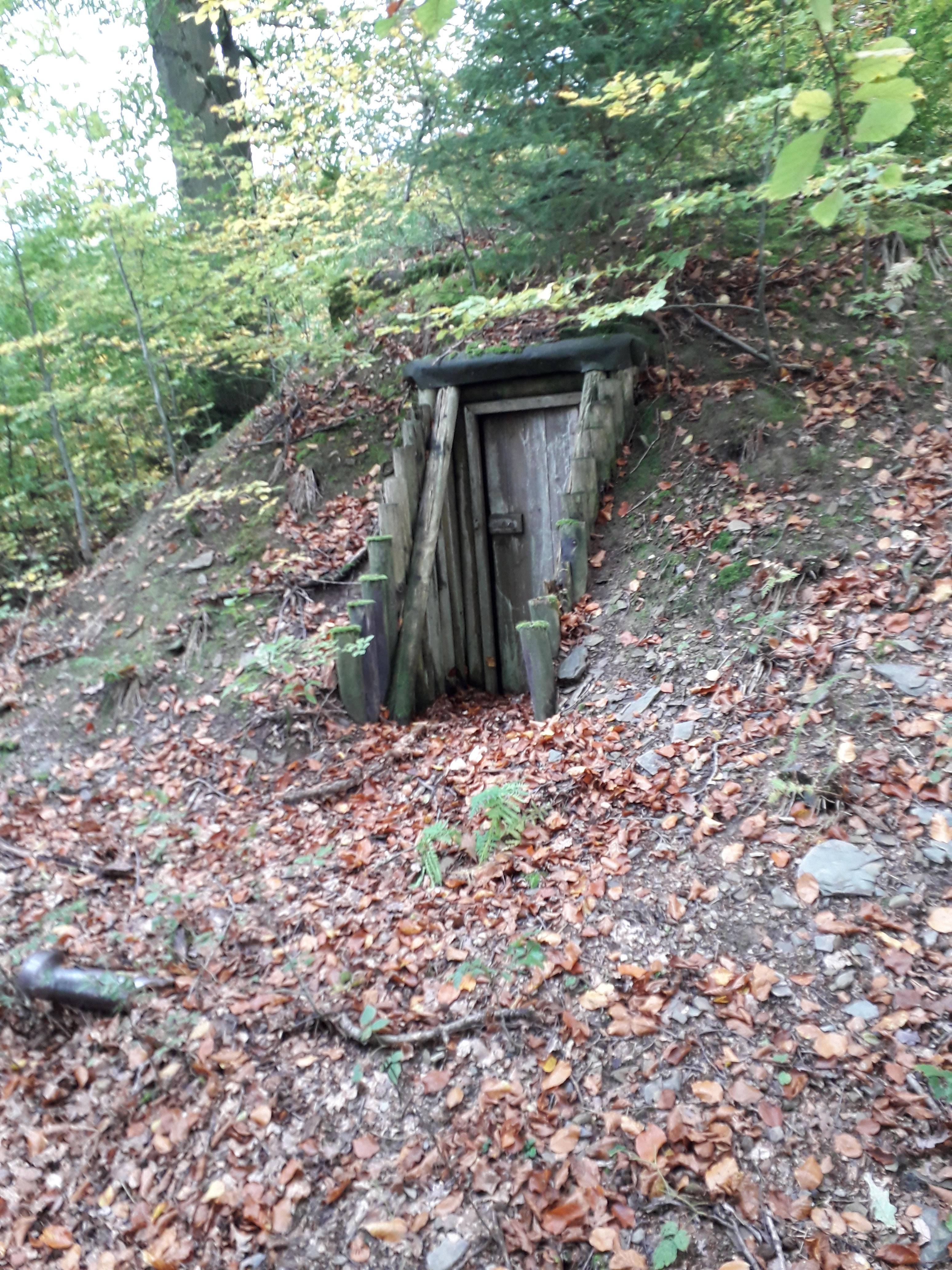
"It's a fridge, or an old-timey cold room. Basically, a room covered with dirt for insulation."

"This is an illuminated stand for a pocket watch. Sitting on a mantle or dresser, the pocket watch could be seen at a distance as a room clock."

"It’s a watch stand. I found this link, which I hope helps."

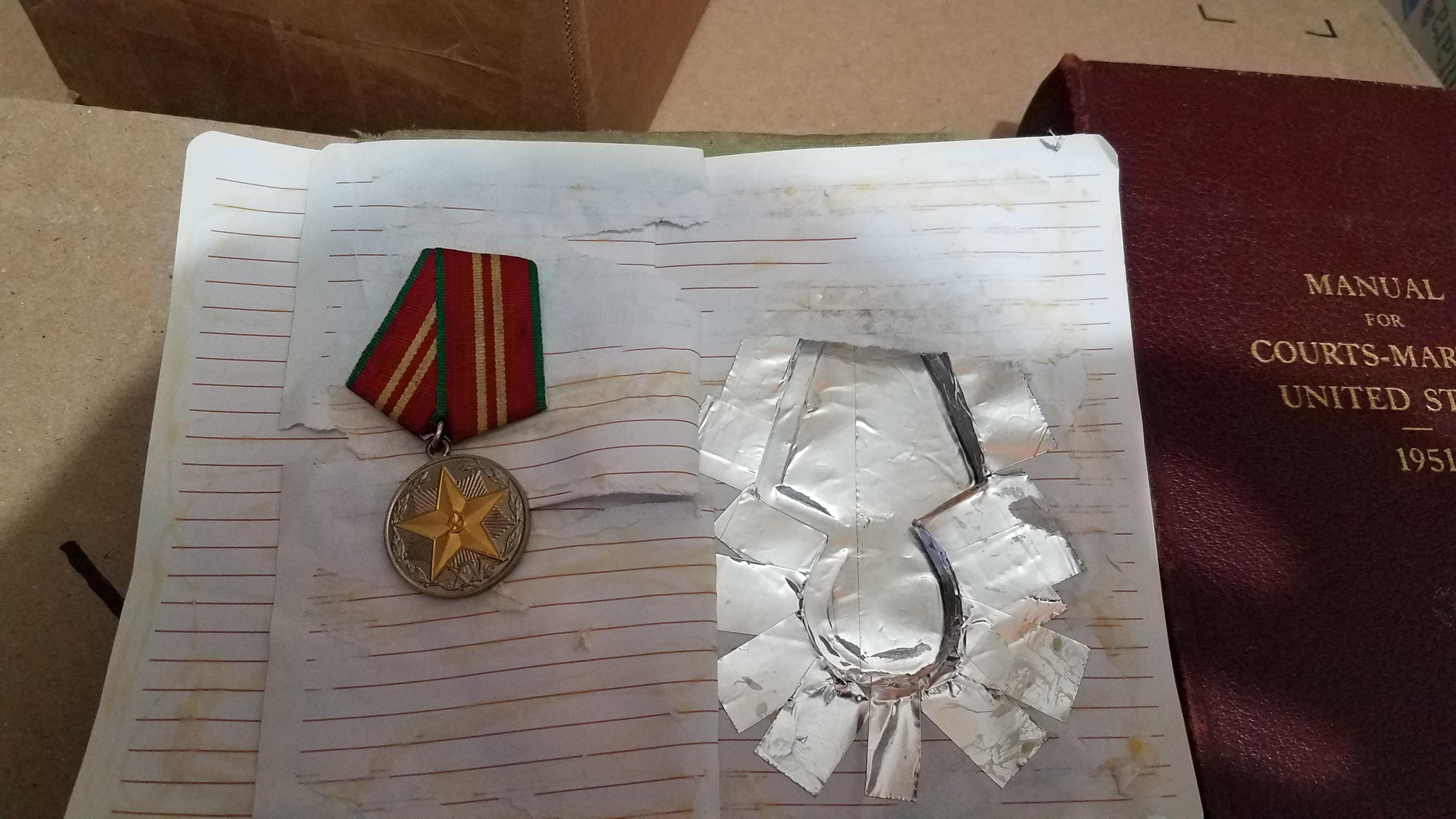
"15 years of impeccable service of the USSR Ministry of Internal Affairs."

"This is an Impeccable Service Medal from the USSR, specifically KGB service. Perhaps Paps was a Cold War era spy..."

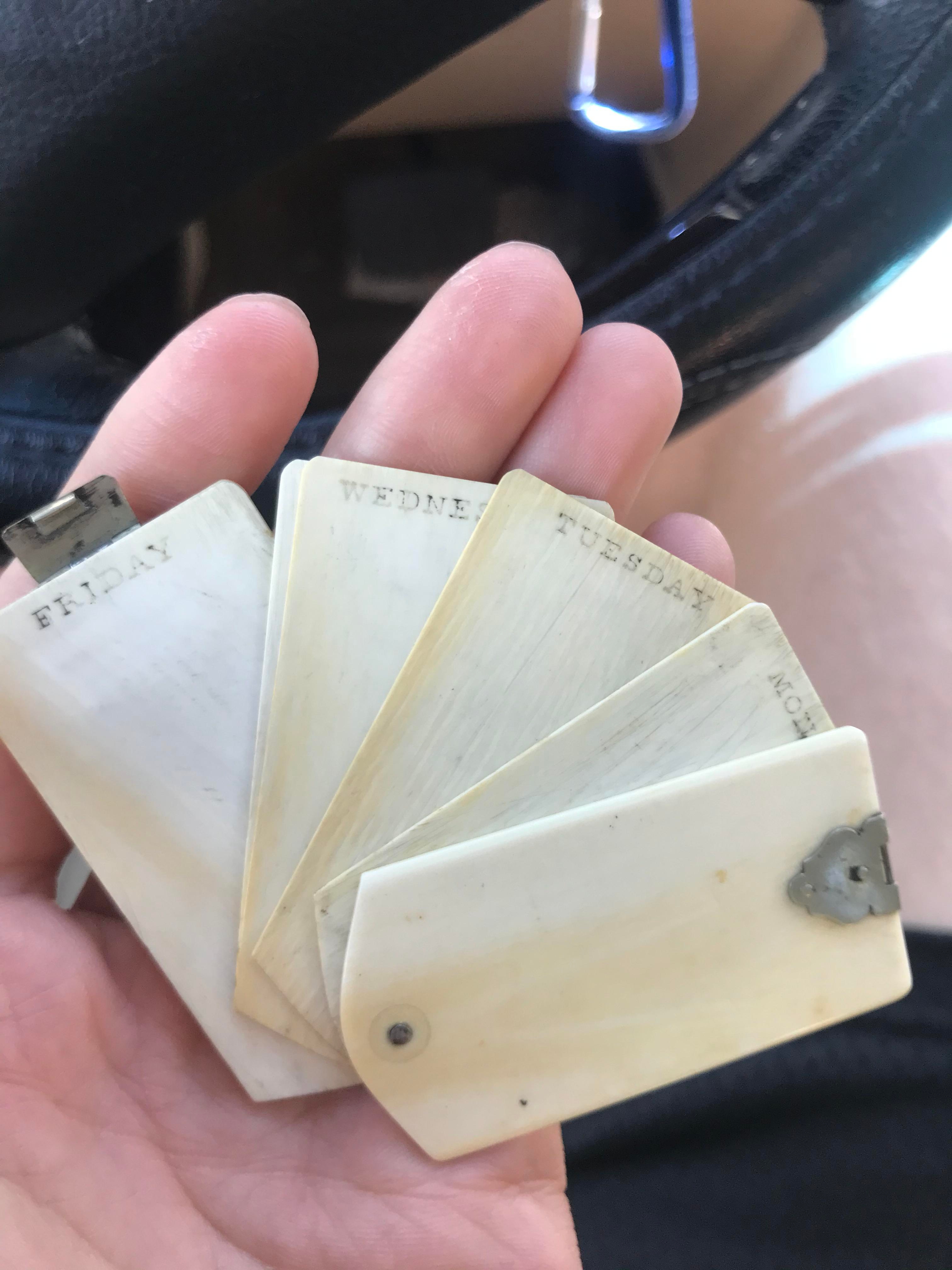
"More specifically, see this one, which is almost identical to the days of the week typed and has a similar clasp on Etsy: Victorian Aide Memoire Notebook. The product description says it's a 'fabulous antique early Victorian chatelaine aide memoire from the mid-1800s. Made of sheets of bone, it would have hung on a lady's chatelaine chain or been kept securely in her pocket, and she would have used it to make notes and appointments for the week to come. It has six pages for the days Monday to Saturday, because, of course, a lady would never have made appointments on a Sunday!"

"Looks like a polypore fungus that is exuding excess moisture, called guttation. Like this."

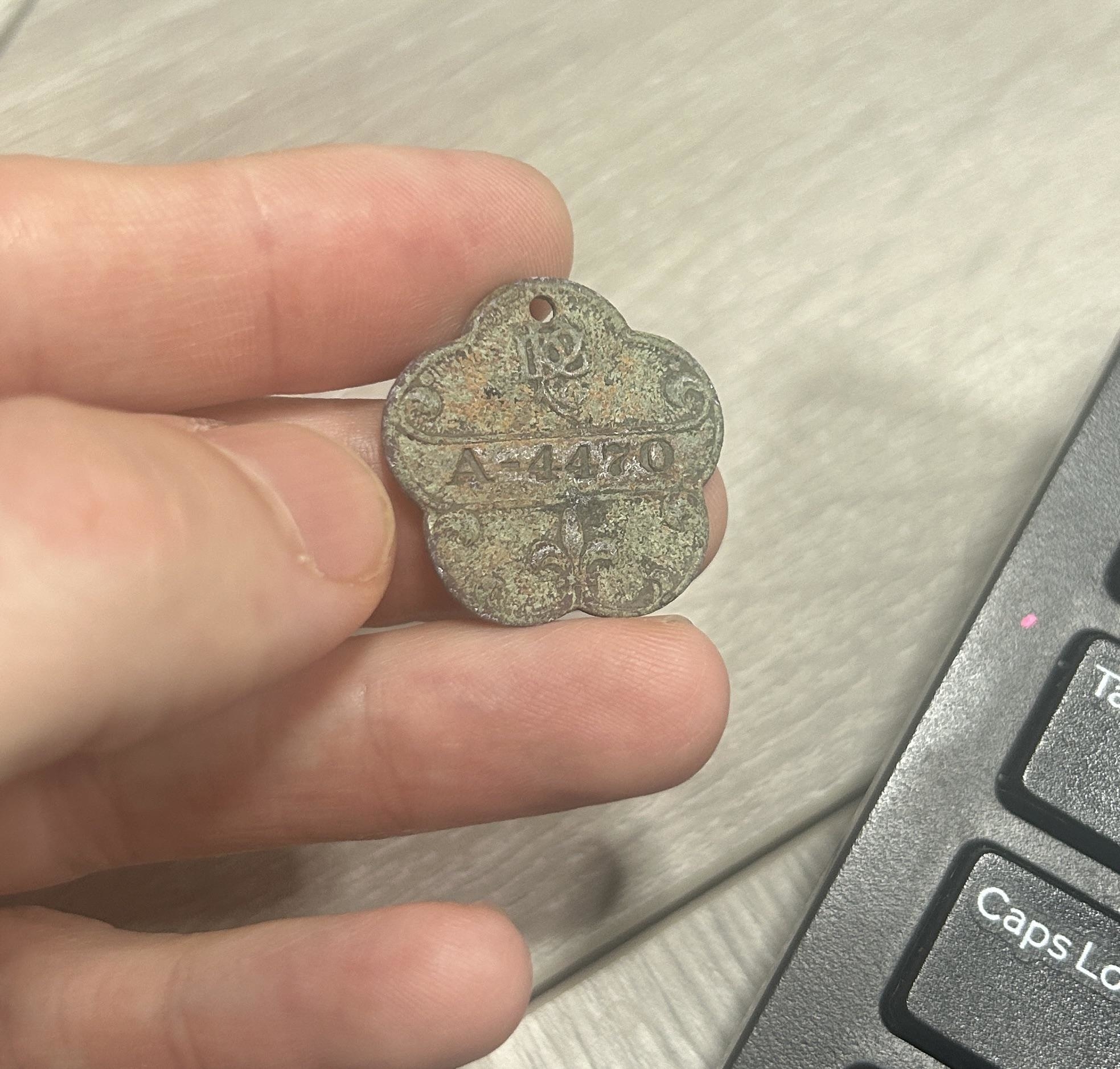
"An image search shows similar items that were used as charge coins. Pretty cool if it is one."

"It's from a now-defunct store called Nathan Snellenburg — definitely a charge coin. Here's a blog and subsequent Flickr link with a pic of one that seems to match, but it's unclear what store it comes from. And here's a New York Times article about charge coins."

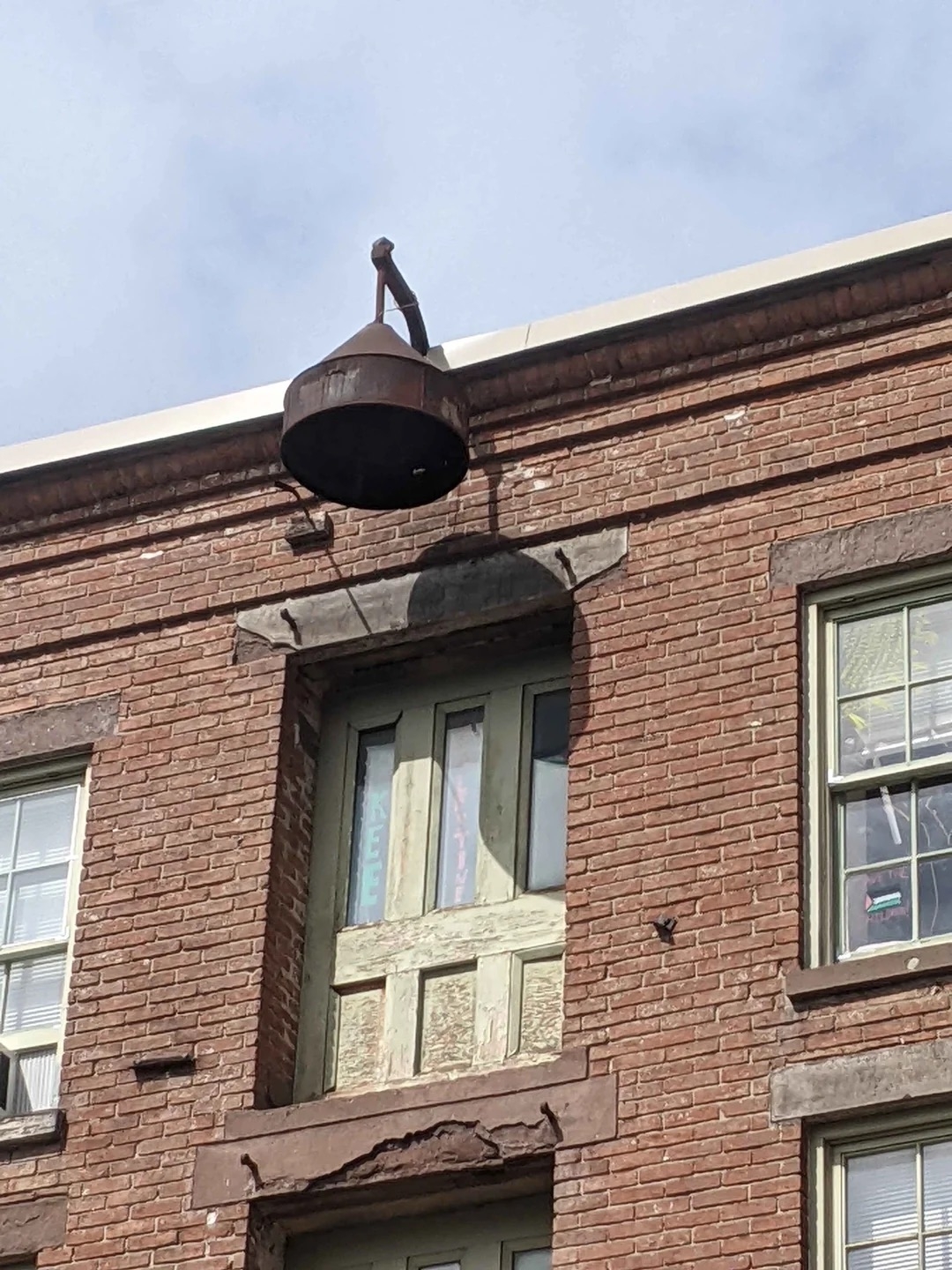
"It's a hook used to hoist furniture to the upper floors of the building. A pulley is hung from it to assist. The bell shape is likely just to protect from rain."

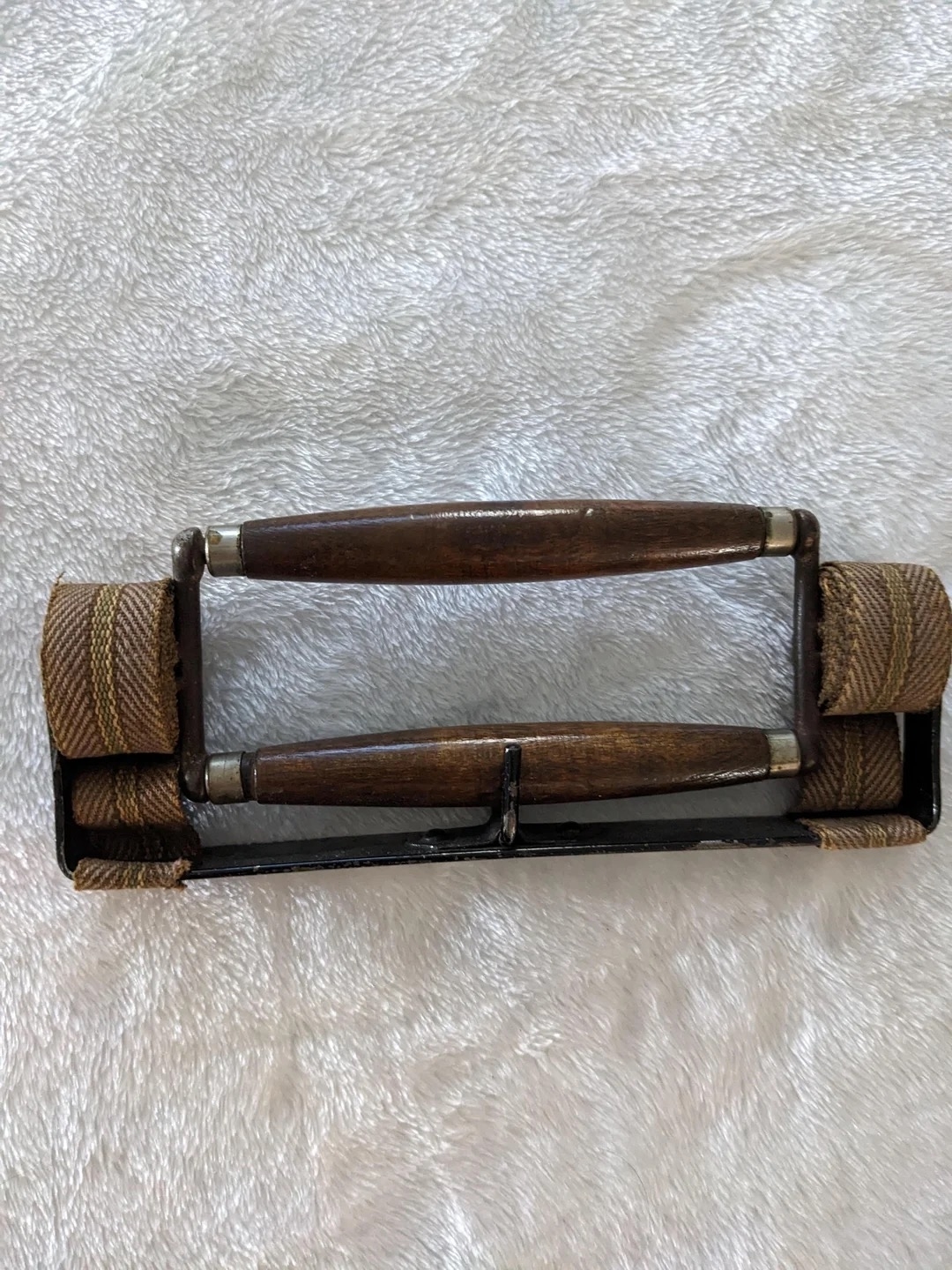
"This is a strap and handle for carrying books."

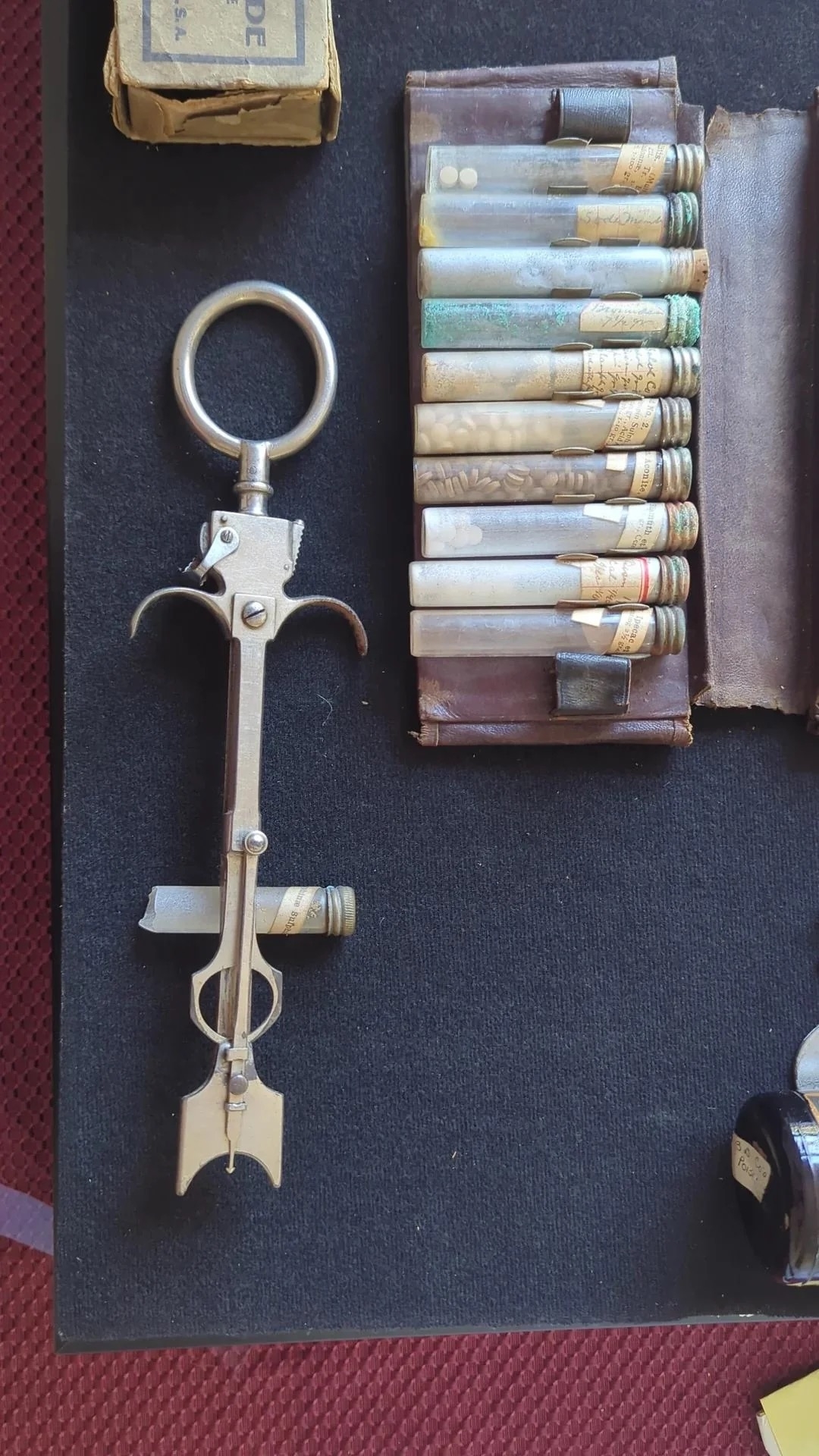
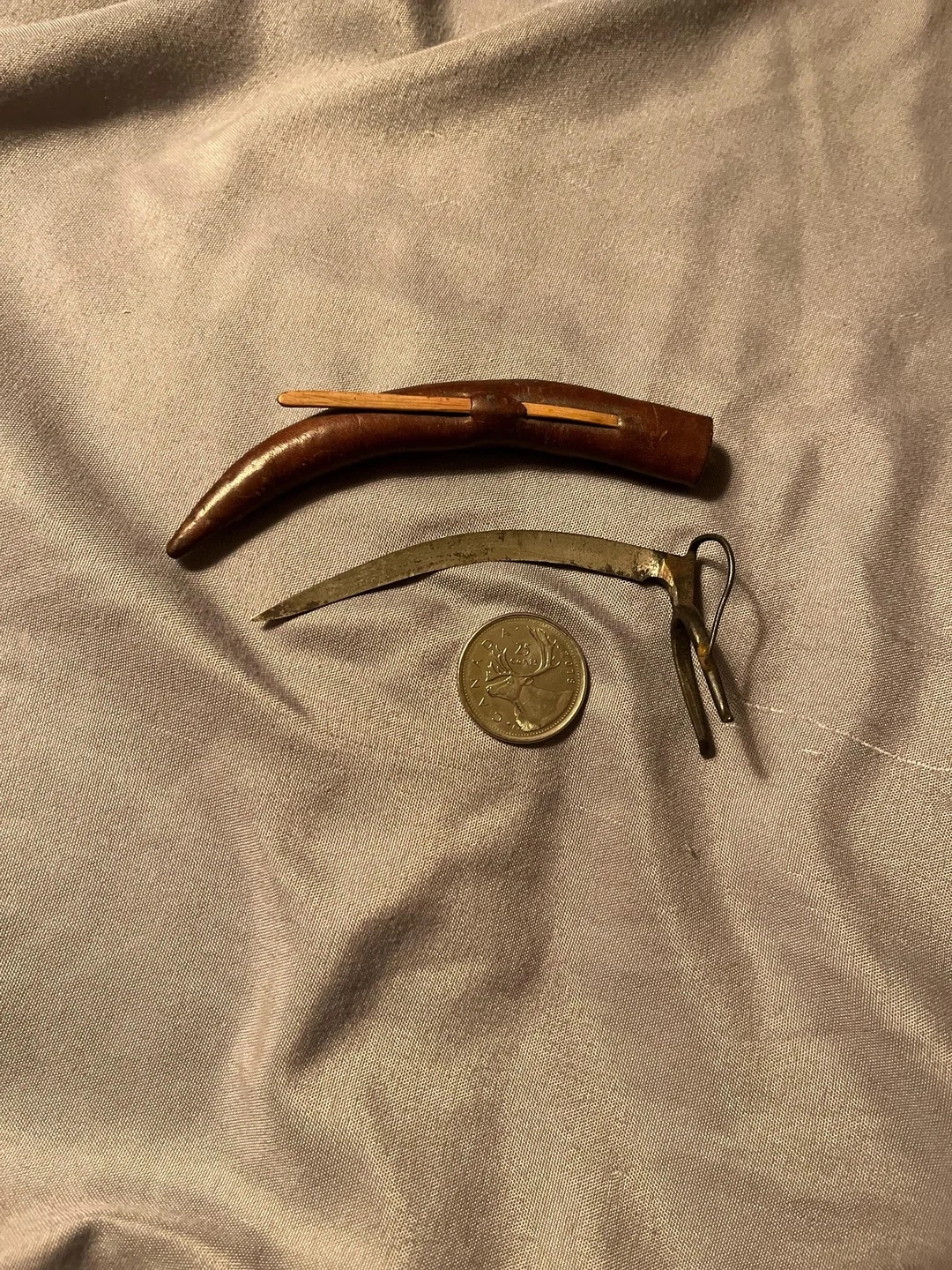
"It appears to be an antique tonsil guillotine. The pincers near the end grip the tonsils, and the end part slices the tonsils off. Yeah, it looks painful."

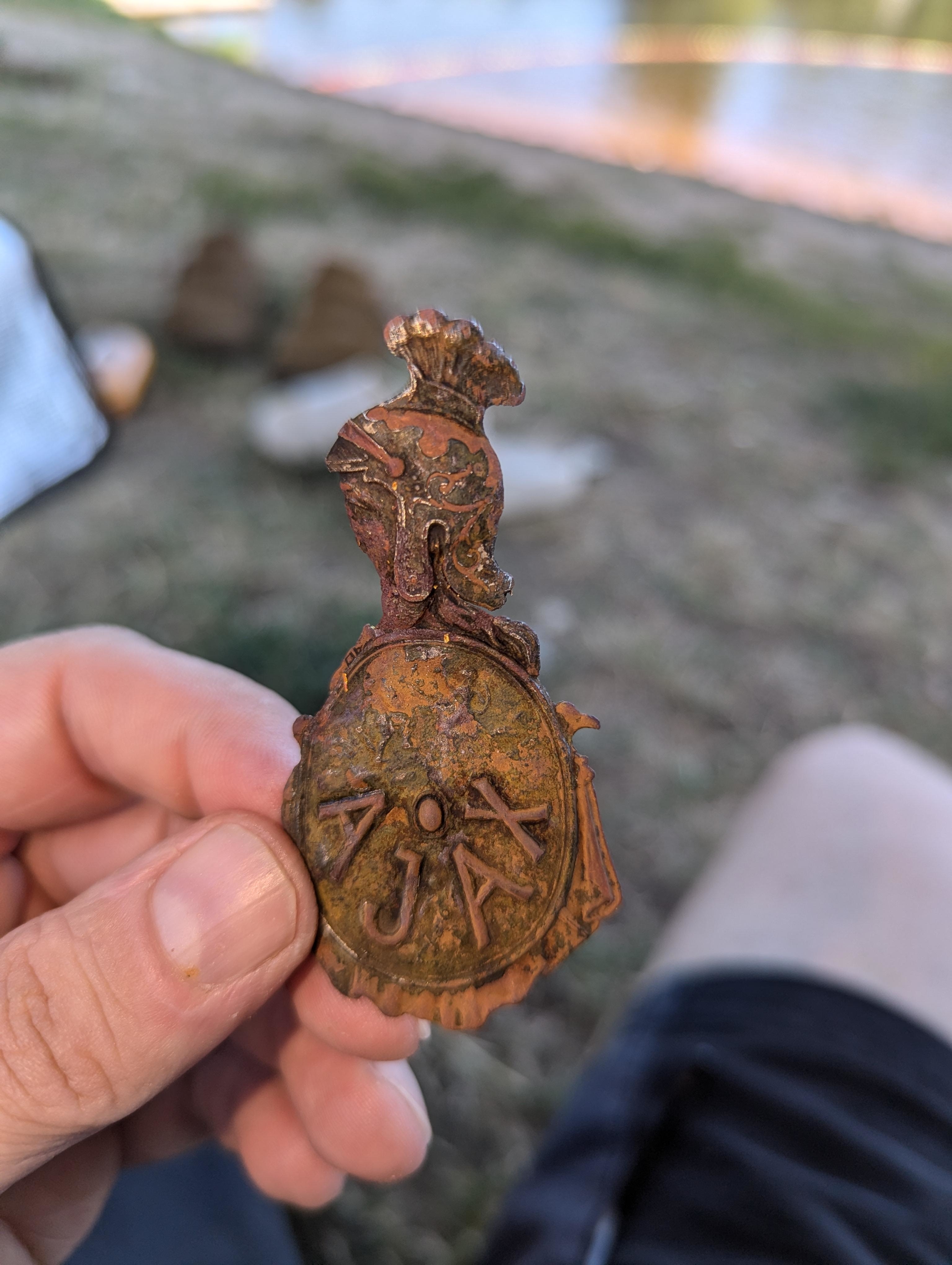
"It's a plaque for the head tube of a bicycle frame from the Ajax cycle brand. That's why it's slightly convex.

The cycles with this logo were made in the town of Albert in the Somme region between 1906-1913, just before WWI broke out; two years later, both the factory and town were practically leveled by German artillery fire, and nearly a million men were killed at the Battle of the Somme there a year after."

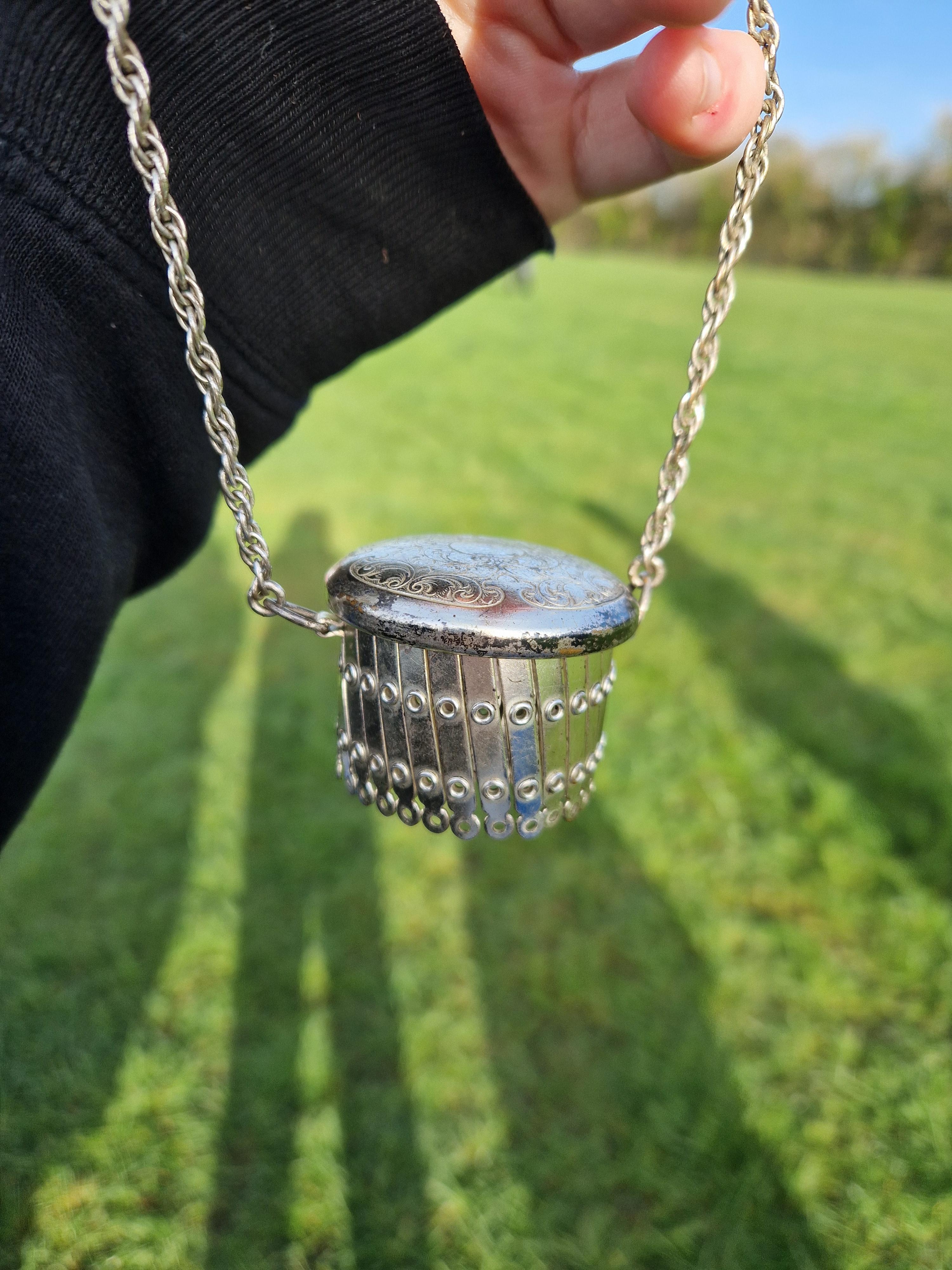
"It's the top of an expandable purse; yours is just missing the actual fabric purse part. Here's one expanded with the purse."

"Are they standard measures (e.g., table and teaspoon)? Could be a portable measuring set, probably for medicines?"

The original poster, u/FoxFrocked Friar, replied, "Checks out to both amounts. Thanks!"

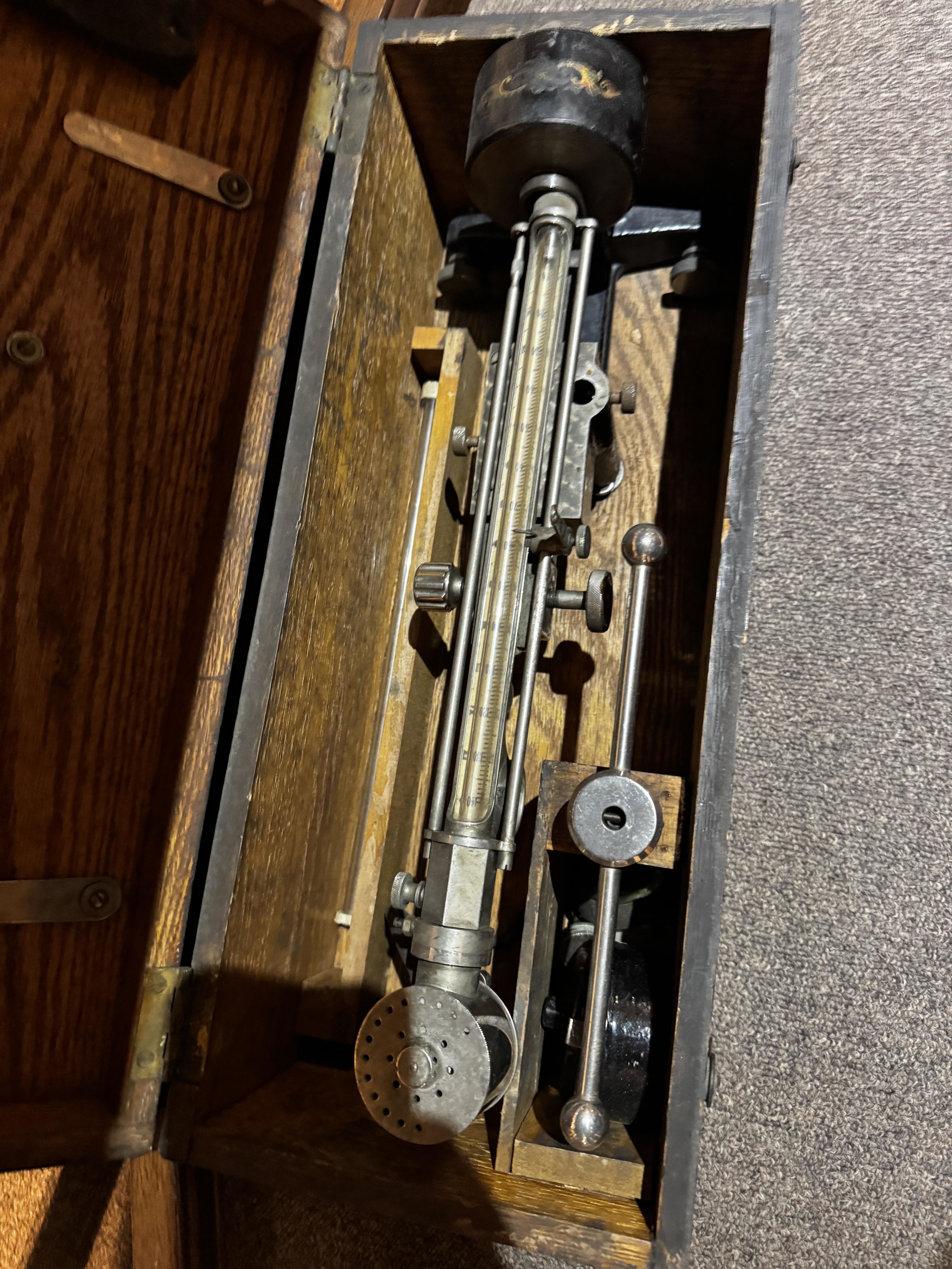
"That is a Shore Scleroscope! It's an instrument that was used to test the hardness of metals. It does so by dropping a weight down the tube and measuring how high it bounces back, hence the numbered marks.

Here's a low-resolution video of one being used."

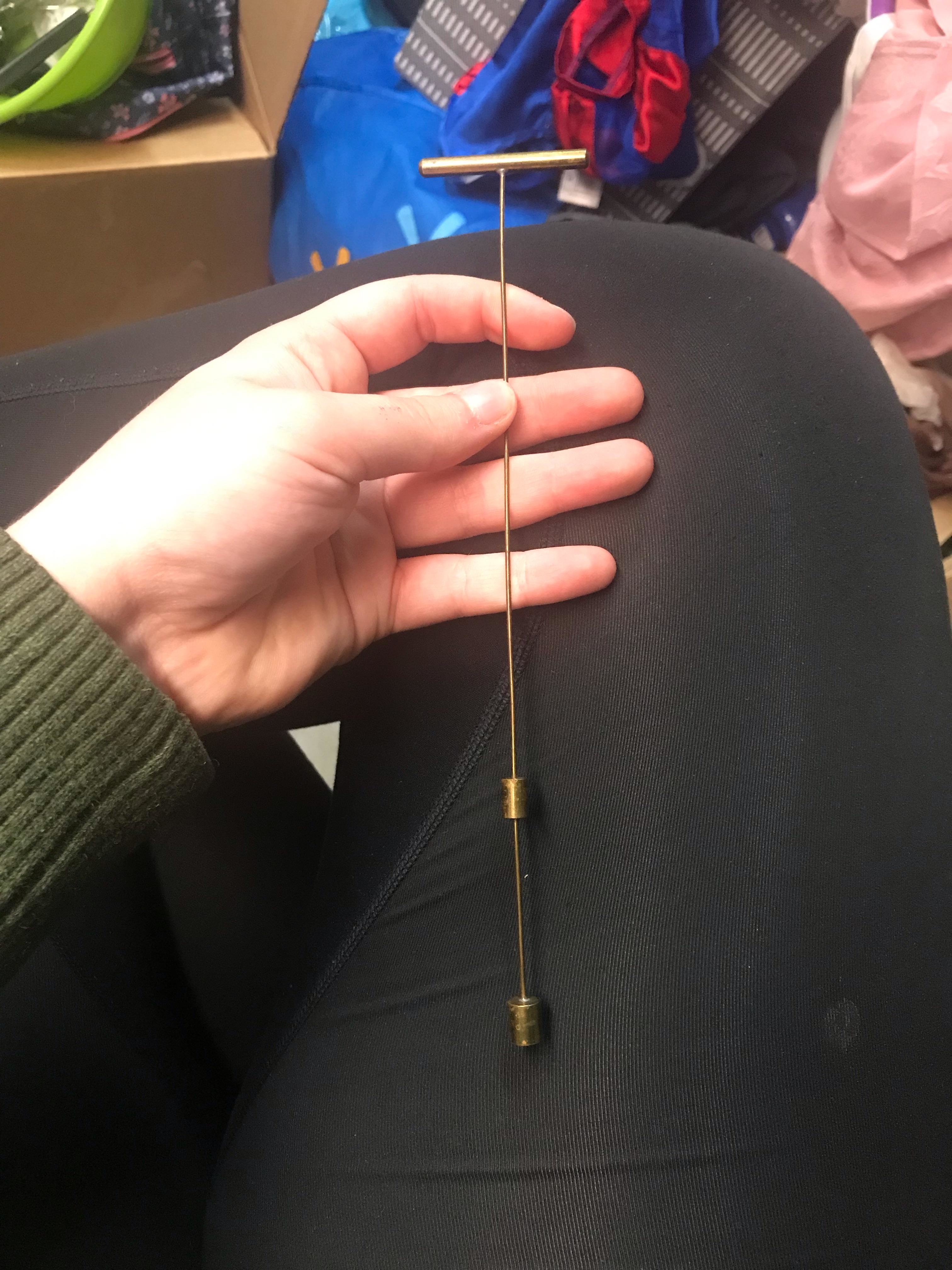
"This is for removing a cork from a wine bottle if it falls all the way in. Here's the patent from 1985. The inventor lived in Vancouver, where I also live; perhaps that's why I recognized it. I've seen these around. Pretty sure my mom and dad had one."

When the original poster asked how it worked, u/Splint33333 replied, "You just put the thing inside the bottle and the bottom part (with the larger bit) under the cork. Then, you lift up, pushing the cork against the neck of the bottle until it flies out. There is a 'DIY' version with a simple string and a knot version on YouTube."

"It's called an opisometer. The picture on the Wikipedia page looks very similar to yours."

"It is a wheel you put on a map to find the distance on the road. Different scales for different map sizes. You trace the route for the distance."

"Brunswick makes bowling alley stuff. It almost looks like part of the old overhead projector when they would manually score bowling."

"This is a 1945 Brunswick TEL-E-SCORE, missing quite a few components. "

"Looks like a blade as used in cockfighting."

"It is a part of this old bicycle bell."

"I present to you the vintage Health-O-Meter scale. Yours is just the top bit; it attaches to the bottom part and floats above it. When you step on it, the weight is shown in the glass bit, ostensibly. It could be the guts are frozen or whatever. Anyway, it's a bathroom scale, in effect."

"I have one of these with the same BRM stamp! It’s an ice cream scoop. I received it as a gift, so I’m not exactly sure where it’s from, but it’s probably from Bruce R. MacDonald. Here are photos of my ice cream scoop."

"This made my Reddit week. I have one, too — received as a gift, and we never knew what it was for. We felt silly asking, but it’s been around for years now. Thanks for solving the mystery!"

"It's a mouthpiece puller for brass instruments. Looks like it's missing a piece on top of the center screw."

"You are absolutely correct. I looked up what that looks like, but modern ones are much simpler designs using fewer but precision-made screws. However, I found one on this page that's very similar in shape and concept (but made of metal) called a Ferree's mouthpiece puller."

"When those were installed, horses were probably the main transportation option, and in addition, nobody carried dog poop bags. I have seen quotes that NYC in 1900 dealt with 2.5 million pounds of horse poop per day! Vibram hadn't been invented, so I would guess not a lot of lugged soles. That would make these both very necessary and probably fairly effective."

"It's a cranial cap. You put it under the head to absorb leaking brain goo."

"You would place that on the pillow of a casket for someone who has had a cranial autopsy done (removal of the brain). It is to absorb any liquid that may seep through the sutures used on the scalp. Better in this than all over the pillow because it would most likely be blood. I've been a mortician for 40 years."

"Funeral Director/Embalmer here. Agree with the other posters. Could be wrong, but this one looks used. Would not recommend touching bare-handed. We use numerous chemicals that an alive person should not touch directly."

"It's a vestigial device deliberately installed into a great number of imported shirts so that they classify as a specific article of clothing, which avoids a tariff."

"It’s called a ‘nurse pocket,’ and it’s there for reasons others commented."

"I've not seen one quite like yours before, but that shape is typical of an oven rack puller/pusher."

"The hook part is for pulling a hot oven rack out, and the indentation on the end is for pushing it back in."

"Dewpan for animals to drink from. The pyramid sits in a tray and warms during the day. The air cools at night, and condensation forms and runs down to be collected in the tray."

"It is probably a very old version of this [part of a souvenir keychain]."

"Wow! I never thought I'd be the one to get one of these, but they are 100% dental amalgam filling tablets. They are non-ferrous, so that makes sense, too.

My dad was a dentist, and sometimes, I'd spend weekends or evenings there while my folks did paperwork and other stuff. I'd sneak off to the operatories where there were little dispensers you'd press, and they would pop out a dribble of mercury and one of these tablets — enough for a single filling, I guess. I loved playing with the mercury. That was back in the '80s, and I'm pretty sure all this has been phased out — and certainly, the mercury is better contained. Lol."

"Pedometer pen. Put it in your shirt pocket, and it counts your steps."

"FB Minden might stand for "Feuerbestattung" Minden - Minden crematory. I think you stumbled over a chamotte marker from a crematory that was used to track the identity of a body as it turned to ashes and was buried at sea."

The original poster, u/tinaa26, replied, "Thank you. I was assuming it might be something like that when I Googled it. I will put it back in the sea."

"I am a commercial diver. I do construction underwater in Manhattan. We recently used these exact cages on a project called The Billion Oyster Project. It’s a conservation effort to restore the NYC oyster population.

What they did was fill these box cages with oyster shells. Then we welded them together. Then, they put a box of either live oysters or oyster shells seeded with juvenile oysters on the top of this box pyramid. Then we lowered them by crane down to the river bottom and staked them into the mud.

We also installed concrete habitats seeded with juvenile oysters. Our location was the Gansevoort Peninsula, just south of The Little Island and just west of the Whitney Museum."

"It is part of a cosmetic set. Funnel us to refill your travel perfume bottle, and the scoop is to refill a compact with more powder."

"It's an old Kodak Carousell 550R or 550 round magazine slide projector.

In the first image, you can see the optics on the left and the Elevate and Focus knobs on the right. On the lower left, there is also the leveling wheel. The second image shows the distinctive front cover for the tubular objective to the left and the cable storage compartment to the right.

"It's a handle for a 2-liter bottle to make pouring easier."

"I think that's Star Jelly... Great find! Believe it or not, no one knows where it comes from. Only some wild speculations."

Also, u/Mael_Coluim_III shared more information about star jellies here and here.

"It's a gimmick where the girl will pop out of the bathtub easily when you use the tweezers, but when you have someone else do it, they can't. I don't know exactly how it works, but I'm guessing the polarity change has something to do with the tweezers."

"Motorbike mitt. My uncle has these on his farm. It keeps your hand warm and lets you use the handles on your bike with ease."

"I grew up in an Australian farming community in the '90s. There was a long-running ad on TV for these sorts of mittens. Basically, you leave the gloves on the handles of your quadbike/ATV/four-wheeler motorbike, so you’ve got your hands free to work off the bike around the farm, but toastie warm when you jump back on a ride on cold days."

"Soviet perfume: 'Жасмин 76.' Жасмин = Jasmine."

The original poster, u/Glittering_Duty_3886, replied, "Dude, I think you got it. I bet you the chip clip got stuck to the bottom of a pan and melted off, leaving the magnet attached to a pan somewhere. Thank you!!! Was driving everyone bonkers with mystery."

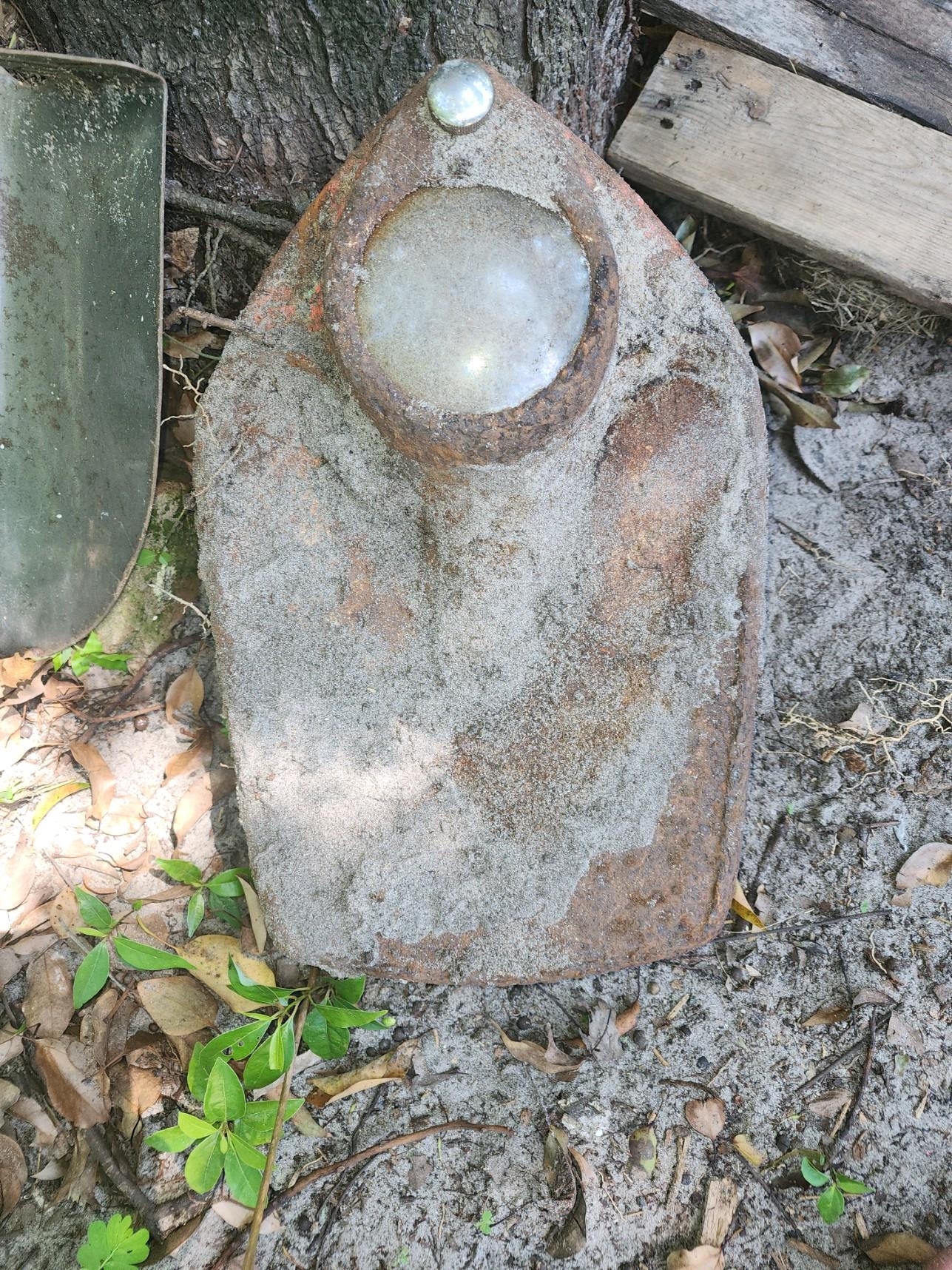
"It’s a coal furnace damper. It would have rods or a chain connected to the furnace in the basement or other room."

"If there’s a hole in a cannonball, it’s for a fuse to light the explosives inside. You should put that down immediately and potentially contact law enforcement about ordnance disposal."

The original poster, u/RaedwaldRex, later updated, saying, "Thank you. Rather stupidly, I shook it to hear anything inside, but I didn't hear anything. Which, in hindsight, was probably very stupid. I'll give 101 a call (the UK police non-emergency line) and see what they suggest." They later added, "Two nice army chaps have been and confirmed it's safe. Even let me keep it. I'm now off to bed."

"That's a beekeeper's swarm trap. The natural reproduction of a honeybee hive is to spin off one (or more) swarms in the spring. Those swarms hang in a tree or under an eave while they send out scouts to look for a place to establish a new hive. Once a suitable place is found, they move in and start building.

These traps give them a place to move into, but the beekeeper will keep an eye on them and transfer them to a hive before they get too far along. It's a free colony and is easier than having to remove them from someone's shed or BBQ grill."

"It's for a variation on the Murphy bed... one of the corners fit on that hinge so it could pivot out of the way into the closet. The closet has to be bed-width. Here's a picture of the hinge in my closet without the fancy patented plate at the bottom.

Murphy beds were invented in San Francisco, and you see their remnants in a lot of old buildings and variations."

"Don’t Ask Me How I Know": These 29 Bizarre Items Had People Totally Stumped Until The Internet Helped Out

"You're Holding It Upside Down": 27 Bizarre Objects That People Were Completely Stumped By Before The Internet Came To The Rescue

These 21 Odd Items Never Would Have Been Identified Without The Help Of The Internet