Press
BBC upholds complaints over racial slur in Baftas broadcast
Images
1 / 9
2 / 9
3 / 9
4 / 9
5 / 9
6 / 9
7 / 9
8 / 9
9 / 9
The broadcast of a racial slur that was shouted during the Bafta Film Awards breached the BBC's editorial standards, the corporation's executive complaints unit (ECU) has ruled.

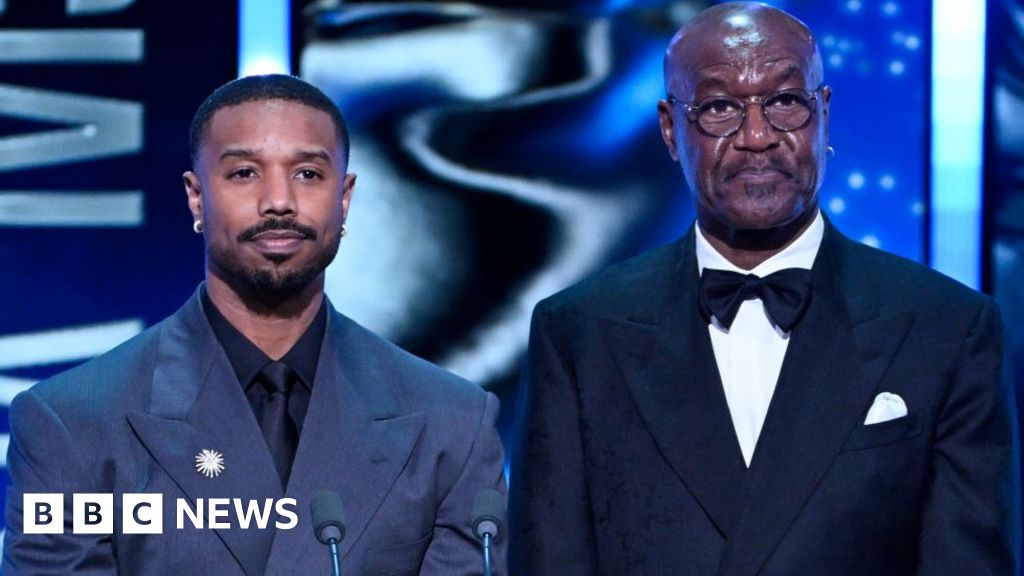
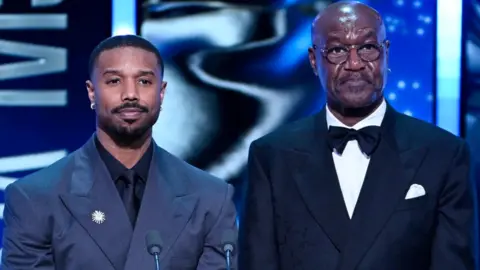
A Tourette's campaigner shouted an involuntary racial slur while actors Michael B Jordan and Delroy Lindo were presenting one of the categories at the event in February.

The shout was not edited out of the subsequent TV broadcast, which aired on BBC One on a two-hour delay, and the ceremony remained available to stream on iPlayer until the morning after.

On Wednesday, the BBC's chief content officer Kate Phillips said the ECU "found this should not have made it to air and it was a clear breach of our editorial standards". However, she noted, it also "found the breach was not intentional".

The ECU received "a large number of complaints" about the BBC's Baftas coverage, and upheld those relating to editorial standards on harm and offence.

Last month, outgoing director general Tim Davie said the BBC "profoundly regrets" what happened, adding that the team editing the ceremony had not heard the word and did not intentionally leave it in.

The ECU's findings said: "The ECU found that the inclusion of the n-word in the broadcast (which was also streamed live on iPlayer) was highly offensive, had no editorial justification and represented a breach of the BBC's editorial standards, but that the breach was unintentional."

Phillips explained that "the production team did not hear the n-word at the time it was said and therefore no decision was taken to leave the word within the broadcast".

She added: "The ECU accepted this was a genuine mistake, especially as the team did correctly identify and edit out a subsequent use of the same word, in line with the protocols that were agreed in advance of the event regarding offensive and unacceptable language."

The ECU said leaving the coverage on iPlayer until the Monday morning was also a "serious mistake" and breached guidelines.

"The fact that the unedited recording remained available for so long aggravated the offence caused by the inadvertent inclusion of the n-word in the broadcast," its report said.

Phillips said: "There was a lack of clarity among the team present at the event as to whether the word was audible on the recording. This resulted in there being a delay before the decision was taken to remove the recording from iPlayer.

"The ECU has been clear that this was a serious mistake and commented that the fact the unedited version stayed up overnight made the severe impact of the inadvertent inclusion of the n-word worse."

Phillips said the BBC "must learn from our mistakes and ensure our processes are as robust as they can be", and set out measures to improve pre-event planning, production at live events, and the iPlayer takedown processes.

Phillips said she had written to Lindo, Jordan and Sinners co-star Wunmi Mosaku, as well as Tourette's activist John Davidson, to "apologise directly".

Mosaku told Entertainment Weekly she had "no hard feeling" towards Davidson, but that the BBC's failure to edit out slurs had kept her awake at night and brought tears to her eyes.

Davidson said the BBC should have "worked harder to prevent anything that I said" from being aired, and questioned why he had been seated near a microphone.

Culture secretary Lisa Nandy called the broadcast "completely unacceptable and harmful", while Conservative Party leader Kemi Badenoch said the BBC had made "a horrible mistake".

Bafta ceremony host Alan Cumming apologised after the "trauma-triggering" show.

Elsewhere, the ECU dismissed "many complaints" about the BBC editing the words "Free Palestine" out of an acceptance speech.

Director Akinola Davies Jr made the remark as he ended his speech to accept the prize for best debut for My Father's Shadow.

Davies Jr and his brother Wale, the film's writer, spoke on stage for two-and-a-half minutes, but their speeches were edited to about one minute for broadcast, which the BBC said was due to time restrictions.

The ECU supported that explanation, concluding: "The production team's decision did not hinge on considerations of impartiality. The principal consideration was that approximately three hours of recorded material had to be edited to fit a two-hour transmission slot."

Created by Danny Robins, The Witch Farm is a ghost story set in the country inspired by real events.

Award-winning film maker Mark Jenkin sets his new movie Rose of Nevada in a Cornish village

Peaky Binders creator Steven Knight confirms stars of the new TV series that will be set in the 1950s.

Outgoing BBC boss Davie says on his final day Scott Mills' sacking "was a real shock to the organisation".

Rebecca Keating has worked at the BBC for 20 years and calls her new role an "immense privilege".