yahoo Press
Billionaire Mark Cuban Says When He Got Rich, First Splurge Was A $125K American Airlines Lifetime Pass —'I Don't Care About Cars or Houses'
Images
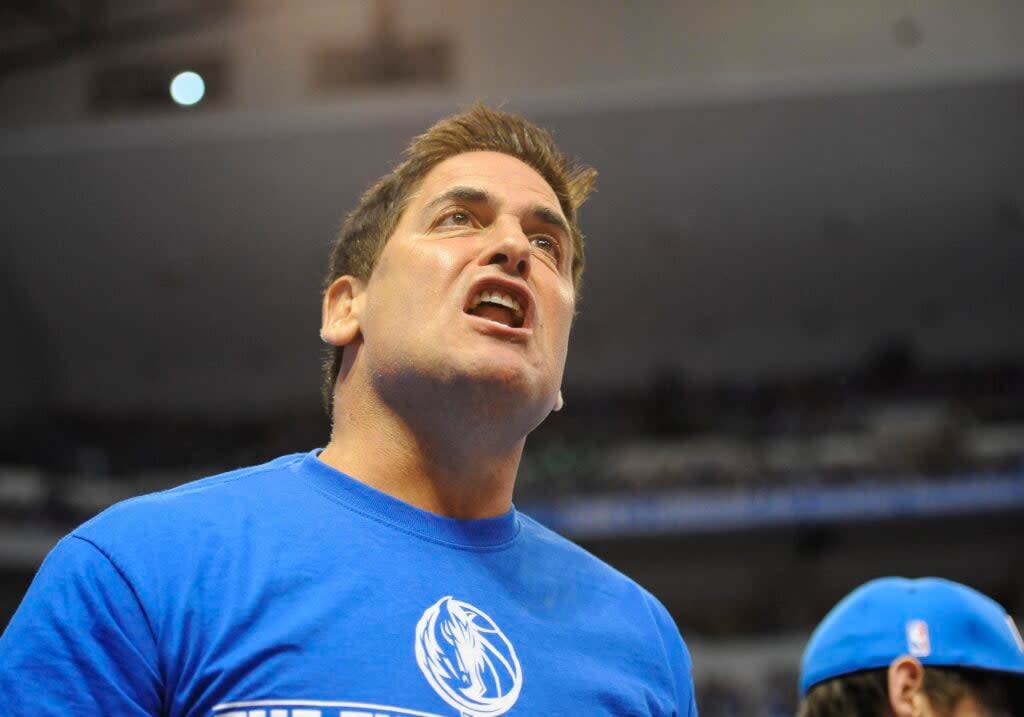
1 / 4
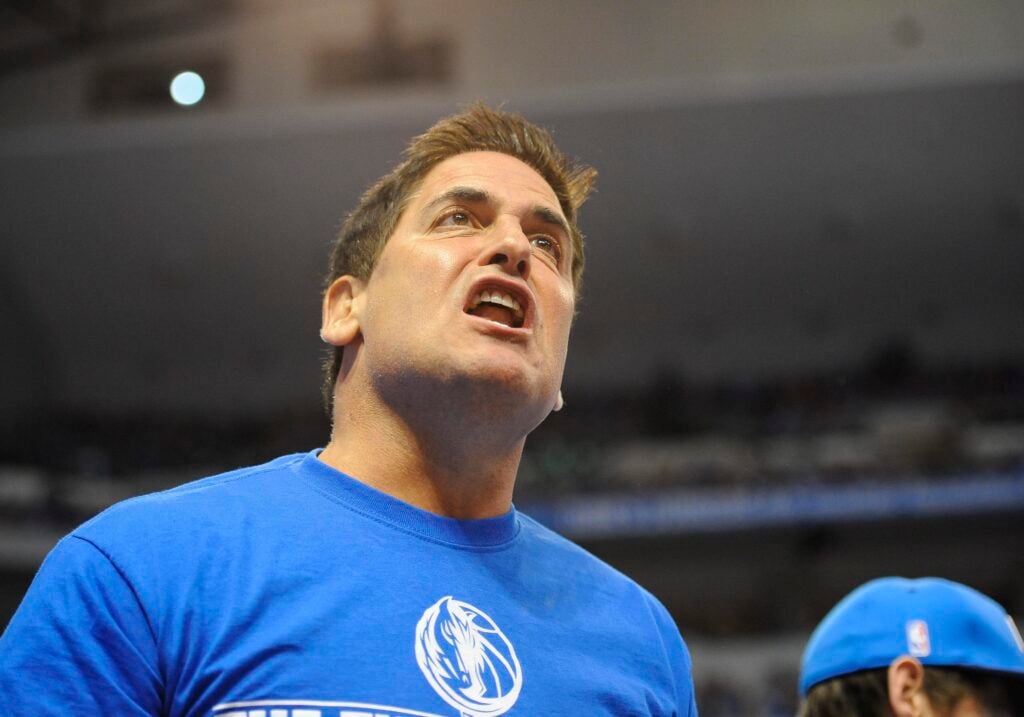
2 / 4

3 / 4

4 / 4
Most people hit their first big payday and start upgrading everything in sight. Entrepreneur Mark Cuban made one move that quietly made everything else easier.

When Cuban sold his company MicroSolutions in 1990 for roughly $6 million, the usual playbook was obvious. Bigger house. Faster car. Something that proved the money was real. He ignored all of it.

"I don't care about cars or houses," Cuban said on the "Club Shay Shay" podcast in 2024. "But boy, you know, I fly a lot for work."

That line wasn't just a preference. It was a strategy.

Don't Miss:

A single bad hire can set a startup back years. Here are the 5 hires founders most often misjudge — and why

Experts say these common ETF pitfalls can catch new investors off guard

Instead of buying something flashy, Cuban bought control. He called American Airlines and asked if they sold lifetime passes. They did.

For $125,000, the AAirpass gave him unlimited first-class flights for life, including a companion. One payment replaced years of unpredictable travel costs.

"What a deal, right?" Cuban said. "$125,000 and I'm thinking, okay, doing the math, that's 12 cents a mile. I can deal with that."

The appeal wasn't luxury. It was simplicity. No more checking prices. No more scrambling for last-minute seats. Just book and go.

Trending: Avoid the #1 Investing Mistake: How Your ‘Safe' Holdings Could Be Costing You Big Time

At the time, Cuban was traveling constantly. Flights weren't occasional. They were part of how business got done.

So instead of spending on things that looked expensive, he spent on something he would use nonstop. The pass gave him flexibility most travelers don't have.

"I'd be out in LA or wherever… Dallas… I'm like, you want a road trip?" Cuban said on the podcast. "Let's call American Airlines and see if they got any flights tonight. Let's go to Vegas."

American Airlines no longer offers lifetime passes like this, which makes the decision stand out even more now.

See Also: Skip the Regrets: The Essential Retirement Tips Experts Wish Everyone Knew Earlier.

Cuban has long argued that aggressively cutting costs on things used constantly can deliver outsized returns.

"I look at my annual budgets for everything and anything, and I look to see where I can save the most money on those items," Cuban told Forbes in 2010. "Saving 30% to 50% buying in bulk — replenishable items from toothpaste to soup, or whatever I use a lot of — is the best guaranteed return on investment you can get anywhere."

Before the sale, he kept expenses low and focused on building. After the sale, that discipline didn't disappear. It shifted.

He spends where it saves time. Where it removes friction. Where it gets used constantly.

Cuban's approach reflects a broader mindset of treating money as a tool to maximize long-term value. While he focused on spending where it saved time and reduced friction, many individuals apply that same thinking to investing—looking for efficient ways to put their money to work over time. Platforms like Public offer access to stocks and ETFs, helping investors build portfolios aligned with long-term financial goals.

Read Next: Thinking about ETFs? See what investment risks you should be aware of before you buy.

Image: Imagn

Up Next: Transform your trading with Benzinga Edge's one-of-a-kind market trade ideas and tools. Click now to access unique insights that can set you ahead in today's competitive market.

Get the latest stock analysis from Benzinga:

APPLE (AAPL): Free Stock Analysis Report

TESLA (TSLA): Free Stock Analysis Report

This article Billionaire Mark Cuban Says When He Got Rich, First Splurge Was A $125K American Airlines Lifetime Pass —'I Don't Care About Cars or Houses' originally appeared on Benzinga.com

© 2026 Benzinga.com. Benzinga does not provide investment advice. All rights reserved.