yahoo Press
Colorado passes first-in-the-nation law, banning arrest based solely on common drug tests
Images
1 / 7

2 / 7

3 / 7
4 / 7

5 / 7

6 / 7

7 / 7
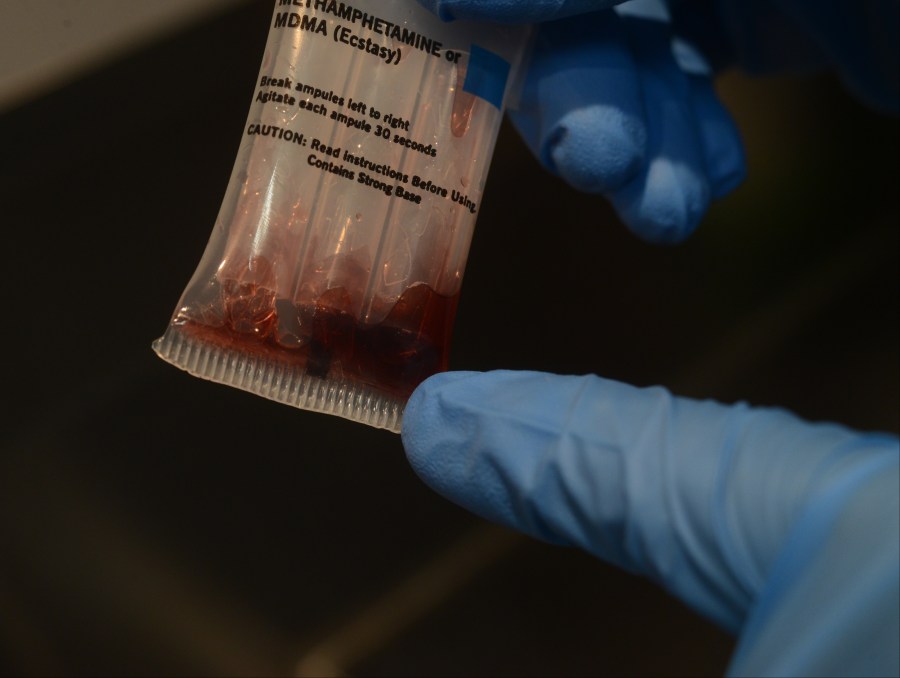
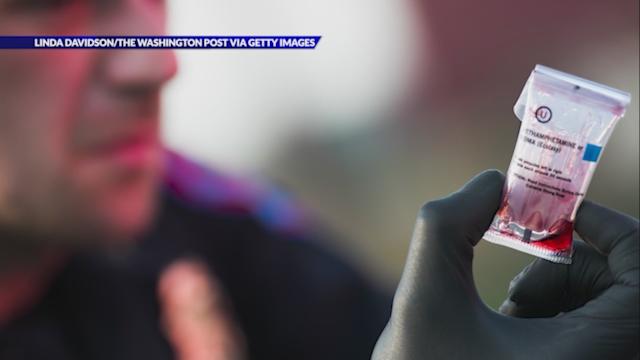
COMMERCE CITY, Colo. (KDVR) — Colorado has become the first state to pass a law banning an arrest based solely on a colorimetric drug test, a common tool used by police to identify suspected narcotics in the field.

The tests, which rely on chemical reactions that change color when certain substances are present, are widely used by police because they are fast and inexpensive. Officers can test a sample and receive results within minutes, but experts say the tests can produce false positives, leading to wrongful accusations and arrests in drug possession cases.

Denver’s only lesbian bar announced it was closing, then the community stepped in

Research from the University of Pennsylvania’s Quattrone Center for the Fair Administration of Justice estimates that about 30,000 people each year are falsely implicated and arrested due to inaccurate field test results.

One of those cases involved Holly Bennet, a 65-year-old woman from Commerce City, who said she was wrongly accused of possessing cocaine in 2022 while recovering from surgery in a hospital. She said when she woke up, an officer accused her of having cocaine in her purse.

“I realized what he was saying, and I said, ‘I don’t do cocaine,’” Bennett said.

The substance in question was later identified as her legally prescribed Ritalin, and she believes some of her pills may have broken apart in her purse to look like a powder. A colorimetric test had incorrectly indicated that the pills were cocaine.

Bennett said she felt pressure to accept a plea deal despite knowing she was innocent, partly because of the cost and difficulty of fighting the charge in court.

“Part of you kind of feels guilt like, well, maybe something is wrong or maybe I’ve done something wrong somehow,” she said. “It’s really tough to be accused of something you didn’t do.”

Bennett fought the charge in court, and her record was expunged, but advocates said that isn’t always the outcome of a false accusation.

Jeanne Segil, assistant director of the Korey Wise Innocence Project, said many defendants accept plea deals to avoid prolonged detention or legal expenses.

“If somebody is held pretrial, it’s often so much easier to plead guilty to time served and walk out than to fight this case,” Segil said. “And because people plead, confirmatory testing never happens.”

Colorimetric tests are not admissible as evidence in court, due to their known risk of false positives, but the test was previously enough evidence for an officer to make an arrest.

“They can be detained, and the impact that that can have on a person’s life is just horrific,” said Segil. “The ripple effect where somebody could lose housing if they’re in jail, they could lose their job, they could lose custody rights.”

Colorado’s new law changes that. For municipal or misdemeanor drug possession charges based solely on a colorimetric test, officers can now only issue a court summons instead of making an arrest.

The law also requires courts to inform defendants that colorimetric tests can produce false positives and that they have the right to request confirmatory testing by a forensic laboratory before accepting any plea deal.

Segil, who helped craft the legislation, said the measure is intended to ensure defendants understand their rights and the limitations of field tests.

Mestaa’ehehe Pass closed for motorcycle crash on Sunday

“For somebody who’s innocent, they will say, ‘I’m not alone in this. Now I understand why this happened,’” she said. “And you know what? I would like the confirmatory testing.”

The bill passed unanimously through the state Legislature and was signed into law on March 26 by Gov. Jared Polis.

Copyright 2026 Nexstar Media, Inc. All rights reserved. This material may not be published, broadcast, rewritten, or redistributed.

For the latest news, weather, sports, and streaming video, head to FOX31 Denver.