yahoo Press
Chicago woman says it’s “crazy” city won't pay for damage after 300 lb. pole hit her car. Why suing City Hall is so hard
Images
1 / 4
2 / 4

3 / 4

4 / 4
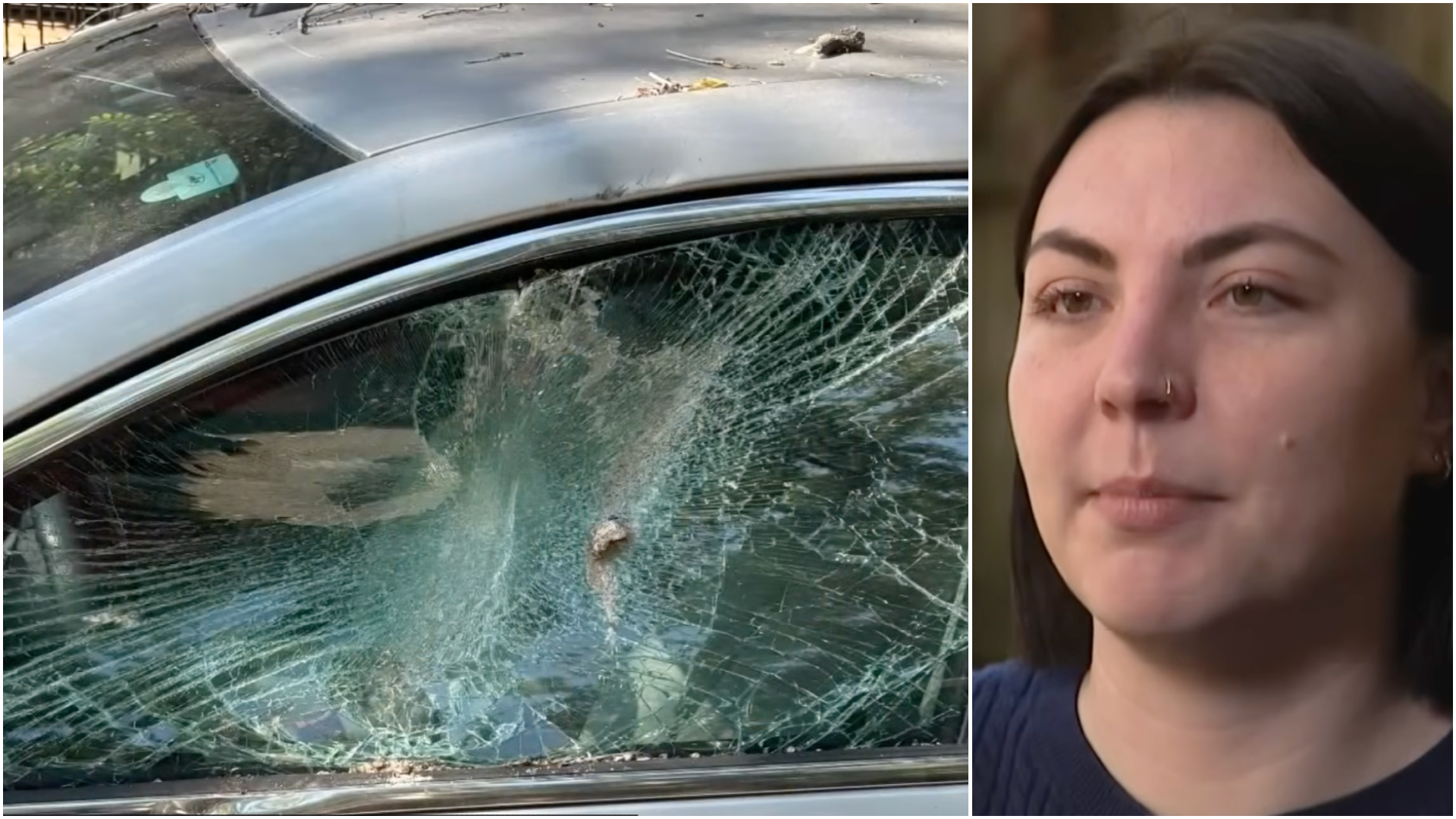
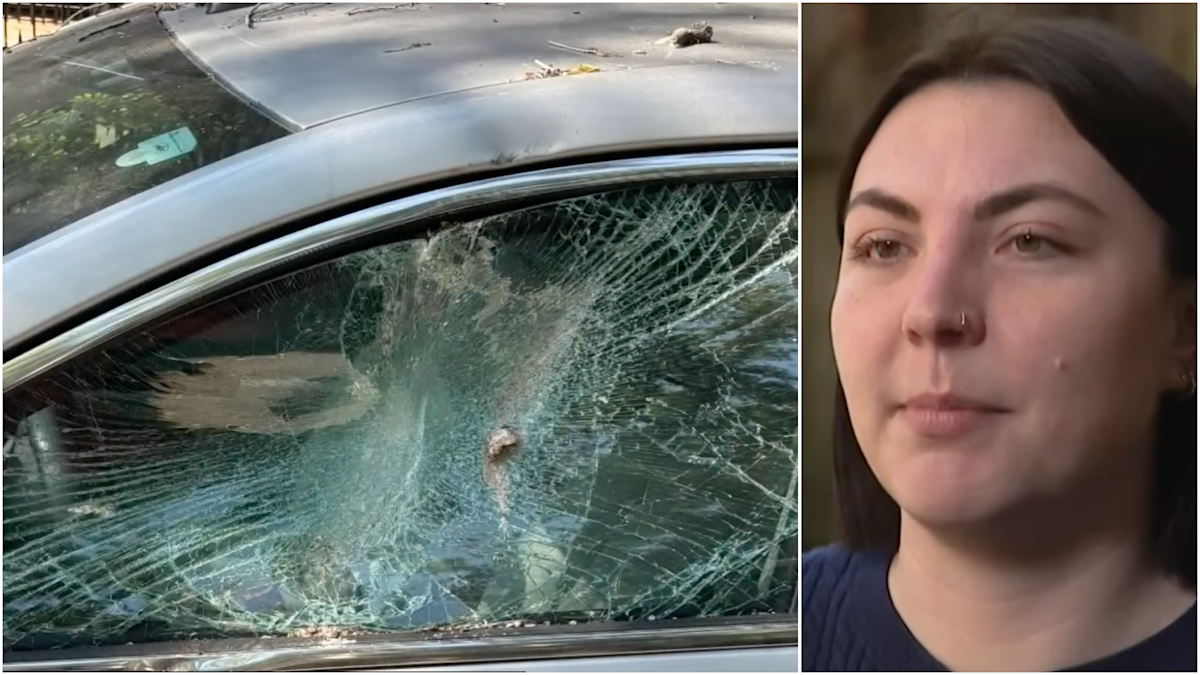
It seemed like an open and shut case. Last year in Chicago, a rusty, 300 lb. light pole broke — and then crashed onto Kyra Puetz's car, parked beneath it. The crash caused dents, scratches and window damage (1).

Yet despite the rust causing the break, and a neighbor's doorbell cam footage recording the whole thing, the city denied Puetz's request to pay the roughly $3000 in damages to her car.

Thanks to Jeff Bezos, you can now become a landlord for as little as $100 — and no, you don't have to deal with tenants or fix freezers. Here's how

Robert Kiyosaki this 1 asset will surge 400% in a year and begs investors not to miss this ‘explosion’

Taxes are going to change for retirees under Trump’s ‘big beautiful bill’ — here are 4 reasons you can’t afford to waste time

"It's kind of crazy the city isn't taking responsibility for it," Puetz told CBS News.

Or other such cases. From 2021 and early 2026, falling light poles resulted in 64 damage claims totally $1.2 million, CBS News discovered. The city only paid out two claims — for a total $9,300. Six claims are still pending. The rest were denied.

This reveals how tough it is to win a claim against a municipality, and why you'll likely have to go to great lengths if you want to fight City Hall and win.

Puetz's claim was denied, the city reportedly told her, because no one had alerted them of the rusty light pole and its need for repair.

That's in line with what legal experts note as one of the main hurdles in suing a city over personal injury or property damage: proving that the incident resulted from the city's neglect (2).

A case from earlier this year in Wildwood, New Jersey, resulted in a similar outcome (3). The plaintiff's foot became caught in a water meter pit that had a loose cover, causing her to trip and suffer multiple injuries to her left shoulder and foot, requiring surgery.

The court, however, found that the city couldn't be deemed negligent because they had not been notified of any safety issue with the cover of the water meter pit (4).

In addition to proving negligence, many city governments enjoy what's known as "sovereign immunity" — essentially making it illegal to sue them unless under specific conditions that can vary from state to state.

For example, in Chicago, a local law firm noted that proving simple negligence isn't enough to sue the city (5). They explained that you'd have to prove "willful and wanton misconduct" that caused harm or exhibited a "conscious disregard" for public safety.

Read More: How to apply Dave Ramsey’s 7 Baby Steps to your own life

An example, they added, is an instance of police brutality, illustrating the high bar for lawsuits against some municipalities.

And for those who do manage to file a successful lawsuit, the amount in damages that you can receive are often subject to caps imposed on a state-by-state basis (6).

That said, sometimes justice does prevail. In Charlotte, North Carolina, in 2022, an elderly woman suffered a raw sewage backup into her home, for which she requested $65,000 to cover the damages (7).

The city rejected her request and offered her $45,000 if she released them of liability, which she signed. An appeals court, however, ruled this month that the deal "was obtained through undue influence" by the city, as the woman felt pressured because she might otherwise lose her home. The woman is now cleared to sue the city to cover the damages.

Legal experts warn that, for those looking to sue their municipality for damages or personal injury, the clock is already ticking.

Most locales have statutes of limitations and filing deadlines measured in weeks and months, not years. It's important to identify all of your local deadlines for bringing a case forward because if the law in your jurisdiction says that you missed your window, your case is over before it's begun.

That's why you must act fast, including reaching out to a lawyer immediately and filing a claim against the city. The injury firm of Morgan and Morgan says that the city will either accept, reject or offer to negotiate your claim — with the latter two options the most likely outcome (8).

Assuming they reject your claim and you move ahead to sue the city, many advise that you provide as much photo or video evidence as possible, as well as any testimony from witnesses or others who've experienced similar infractions. Medical or professional assessment records indicating the severity or any injury or property damage endured could also prove helpful.

Some also advise employing expert witnesses — be it a doctor or someone with a specific knowledge base relevant to your claim — to speak on your behalf, though their services can also prove costly (9), on top of attorney and court expenses, and should be weighed against any cap for damages that may apply in your area.

Dave Ramsey warns nearly 50% of Americans are making 1 big Social Security mistake — are you doing the same?

BlackRock warns buying and holding the S&P 500 isn’t enough for retirement. Why they’re saying this approach could provide a ‘paycheck for life’

Robert Kiyosaki issues grim warning for baby boomers: many could be ‘wiped out’ and homeless ‘all over’ the country

Turning 50 with $0 saved? Good news, you’re actually entering your prime earning years. Here are 6 ways to catch up fast

Join 250,000+ readers and get Moneywise’s best stories and exclusive interviews first — clear insights curated and delivered weekly. Subscribe now.

We rely only on vetted sources and credible third-party reporting. For details, see our ethics and guidelines.

CBS News (1); Legal Clarity (2),(6),(9); Google Scholar (3); Capehart (4); Chicago Lawyer (5); U.S. Court of Appeals for the Fourth Circuit (7); Morgan & Morgan (8)

This article originally appeared on Moneywise.com under the title: Chicago woman says it’s “crazy” city won't pay for damage after 300 lb. pole hit her car. Why suing City Hall is so hard

This article provides information only and should not be construed as advice. It is provided without warranty of any kind.