yahoo Press
Saudi Arabia asks US to end Hormuz blockade amid worries of possible Houthi retaliation
Images
1 / 11
2 / 11

3 / 11

4 / 11

5 / 11

6 / 11
7 / 11
8 / 11

9 / 11

10 / 11

11 / 11
Saudi officials appear to be weighing not only the direct risks in the Gulf, but also the possibility that Iran could respond through allied forces elsewhere in the region.

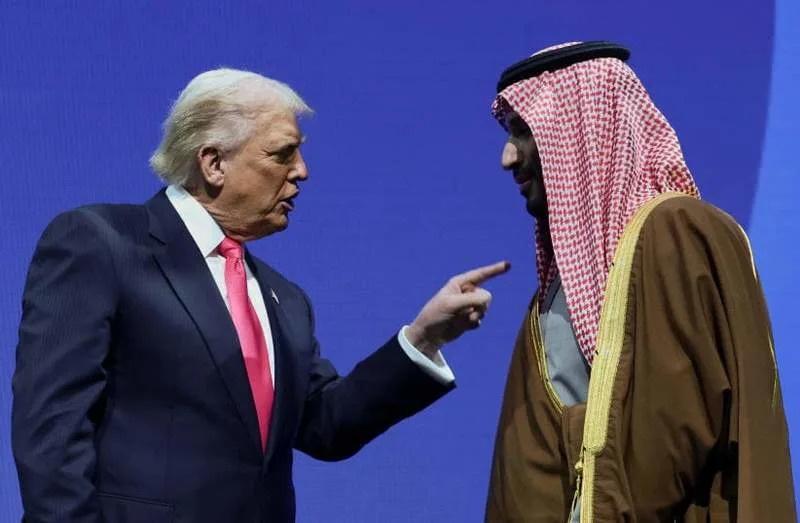
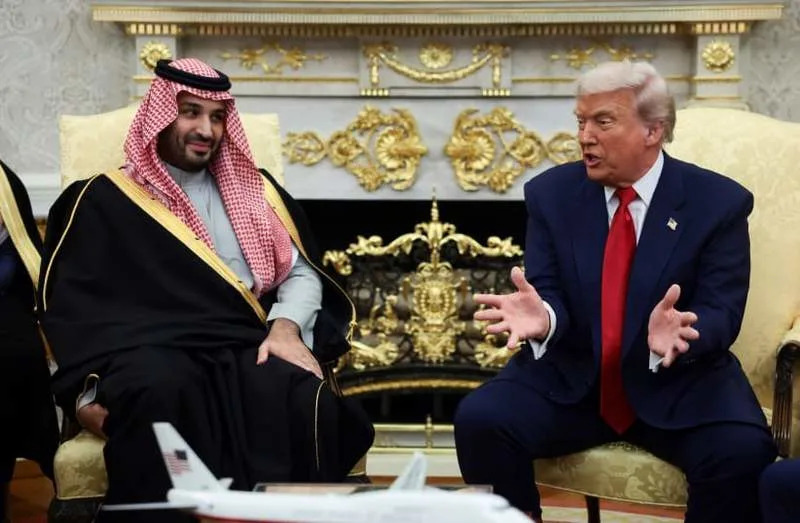
Saudi Arabia is pressing the United States to end its blockade of the Strait of Hormuz and return to negotiations with Iran, Arab officials told the Wall Street Journal, according to a report published on Monday.

Riyadh fears the situation could trigger a broader regional escalation, such as threats to Red Sea shipping routes and Saudi oil exports, the report noted.

The kingdom is especially concerned that the Islamic Republic could use the Houthis in Yemen to threaten the Bab al-Mandeb Strait, a critical Red Sea route. Such a move would put additional pressure on Saudi export routes and deepen disruptions already affecting global energy markets.

Arash Azizi, an Iranian-American historian who has authored multiple books on Iran, told The Jerusalem Post that the Houthis were likely planning to close the Bab al-Mandeb Strait in “the next round” of conflict, should escalation continue.

However, Azizi stressed, “There’s a strong desire on the part of Iran to avoid that and to, in fact, de-escalate and seek a deal. So that’s not something they’re actively planning for. They see it as contingency planning, but their general direction is toward a deal, not escalation.”

Gulf states have already faced Iranian missile and drone attacks on energy infrastructure, airports, and urban centers during the current confrontation, sharpening fears that any escalation around Hormuz could quickly spread.

Bahraini analyst Ahmed Alkhuzaie explained to the Post that “the Gulf states view the Strait of Hormuz as a supply lifeline, and any disruption casts a negative shadow on their core economic existence.

“They also believe that the Iran situation must reach a solid and lasting conclusion soon, as prolonged uncertainty undermines regional stability and global energy security. For Saudi Arabia and its neighbors, the Strait is not just a geographic chokepoint – it is the artery through which their economies breathe, carrying nearly a quarter of the world’s seaborne oil trade.

“A US blockade would paradoxically harm its allies more than Iran, destabilizing markets and eroding the Gulf’s credibility as reliable suppliers.”

Trump announced on Sunday that the United States would begin blockading vessels entering or leaving the Strait of Hormuz, framing the move as a response to Iran’s conduct and its refusal to make sufficient concessions in talks.

He also said the US Navy had been instructed to interdict vessels in international waters that had paid tolls to Iran.

The effects on shipping were visible by Tuesday, when a sanctioned Chinese tanker became the first vessel to exit the Gulf through Hormuz since the blockade began, according to shipping data cited in recent coverage. Separate reporting also highlighted warnings that traffic through the Strait may not fully return to previous levels if the crisis persists.

For Riyadh, the issue is not only oil prices, but strategic exposure. Saudi Arabia has maintained some export resilience through Red Sea routes, but renewed insecurity around Bab al-Mandeb would threaten one of its main alternatives to Hormuz.

“Their preferred response to Iran is not escalation through closure but deterrence and stability. Iran has repeatedly threatened to obstruct the Strait in retaliation against sanctions or military pressure, and Gulf states want Washington to counter these threats without triggering a wider conflict,” Alkhuzaie outlined.

“The desired approach is a mix of diplomatic pressure, international legitimacy through bodies like the UN, and, if necessary, limited military measures to guarantee safe passage. This ensures that Iran’s coercive tactics are contained, while the Strait remains open to global trade.”

Both Washington and Tehran may still be open to renewed diplomacy despite the confrontation. For Saudi Arabia, that possibility appears preferable to a prolonged crisis in which pressure on Hormuz simply shifts the threat to another maritime chokepoint, while the Strait remains central to global energy flows.

“Ultimately, Gulf states want the US to act as a guarantor of maritime security rather than as a disruptor. The balance they seek is clear: strong enough to deter Iran’s provocations, yet restrained enough to avoid punishing Gulf exporters themselves. In essence, Saudi Arabia and its allies want Washington to secure freedom of navigation, preserve stability in energy markets, and prevent Iran from using the Strait of Hormuz as a geopolitical weapon,” Alkhuzaie concluded.