Press
Ticketmaster-owner Live Nation ran a monopoly and overcharged fans, jury finds
Images
1 / 3

2 / 3

3 / 3
Live Nation, the entertainment giant which owns Ticketmaster, has been illegally operating as a monopoly and overcharging fans, a federal jury has found.

The verdict followed four days of deliberations in a seven-week trial in New York City that could have a major impact on the music industry.

The concert venue and music festival owner could be forced to divest parts of its business or even split from Ticketmaster, an outcome former Attorney General Merrick Garland called for when he filed the lawsuit in May 2024.

The US Department of Justice's legal action said the firm's practices had kept out competitors, and led to higher ticket prices and worse service for customers.

Live Nation said: "The jury's verdict is not the last word on this matter."

The company noted it had submitted a request to the court to reject expert testimony related to how the award for damages was calculated.

There were other pending motions that could alter the outcome of the case, it said.

A giant of live music and sports, last year Live Nation organised more than 55,000 concerts worldwide, drawing 159 million attendees.

The ruling could lead to Live Nation and Ticketmaster being broken up and could open the way for smaller ticket-sellers and venues to compete with those companies for audiences and live acts.

Increased competition could bring down the price of tickets and see less well-known performers able to book venues more easily.

Morgan Harper, a director at the non-profit economic advocacy organisation American Economic Liberties Project called the verdict against Live Nation "a historic victory for fans, artists, concert promoters and venue owners who have suffered for decades under the thumb of Ticketmaster's monopoly".

The company's shares fell by more than 6% after the verdict was announced.

As well ordering legal measures to restore competition, Judge Arun Subramanian could impose a financial penalty on Live Nation.

The jury found Ticketmaster had overcharged customers by $1.72 (£1.27) on each ticket sold over a period of several years. That figure is set to be used as the basis for calculating damages.

Live Nation argued throughout the trial that it was not a monopoly and that it competed "fiercely" with rivals in the entertainment space, with sports teams, concert promoters and other venue operators.

In March, the Department of Justice (DoJ) said that it had reached a settlement with both companies and withdrew from the case just as it was about to start.

The states of Arkansas, Nebraska and South Dakota also pulled out of the lawsuit.

But prosecutors from three dozen states pressed on with the trial, including California Attorney General Rob Bonta.

Bonta said: "We are incredibly proud of today's outcome - and especially proud of our coalition made up of red and blue states alike who understood we needed to come together to protect our consumers, businesses, and state economies from Live Nation's illegal conduct."

Earlier this week, a group of Democratic senators criticised the DoJ for settling.

In a letter, the senators said the agreement "fails to restore competition and protect fans, artists, and independent venues". They also said the deal left Live Nation and Ticketmaster in control of prices for live events.

"There is credible evidence that Ticketmaster controls more than 70% of all major concert venues with exclusive ticketing contracts, and Live Nation controls 80% of the major concert amphitheatres market," the letter said.

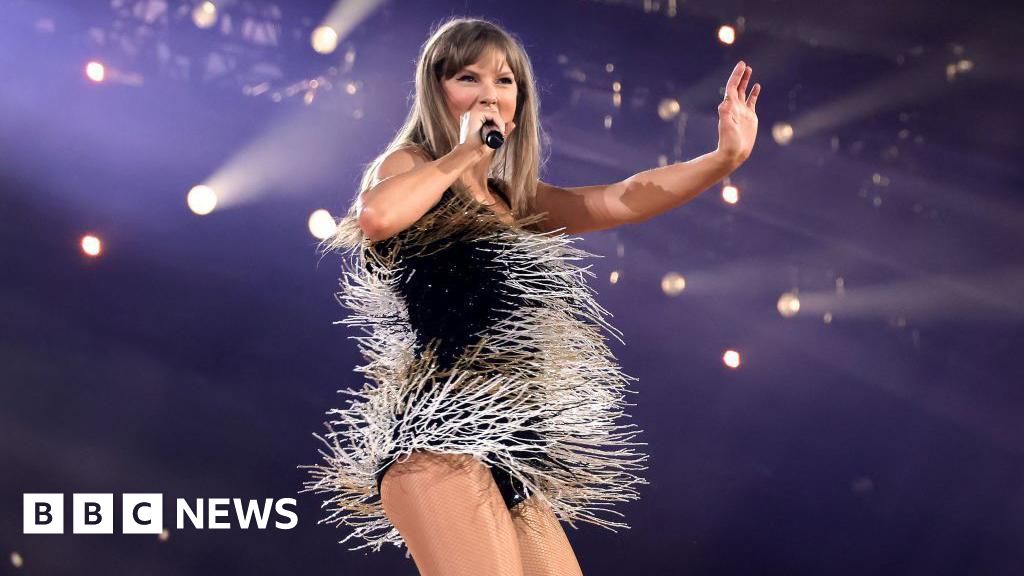
Calls from fans and lawmakers to look into Live Nation's dominance of the live music industry grew louder in the aftermath of Taylor Swift's 2022 Eras Tour.

The company's system was overwhelmed by demand, forcing Ticketmaster eventually to apologise to Swift and her fans during a US Senate hearing.