Press
Endangered British dishes - and the home cooks reviving them
Images
1 / 9

2 / 9
3 / 9
4 / 9
5 / 9
6 / 9
7 / 9
8 / 9
9 / 9
Ever heard of carrageenan pudding? No? Neither had food content creator Annie Mae Herring until a few weeks ago.

"It was awful," says the 33-year-old from Essex. "It was a soggy welly, with, like, Fairy Liquid and a bit of salt."

A milk-based dessert similar in appearance to a blancmange, the pudding uses carrageen moss – a type of seaweed found in coastal areas – to give it a gelatinous texture.

"Maybe I did it wrong, and I will absolutely throw my hands up in the air," Herring admits, before adding jokingly that, either way, it "may die a fiery death".

This pudding is one of many dishes Herring has been making and posting to her followers, as part of a social media series exploring endangered and lost recipes from the UK and Ireland.

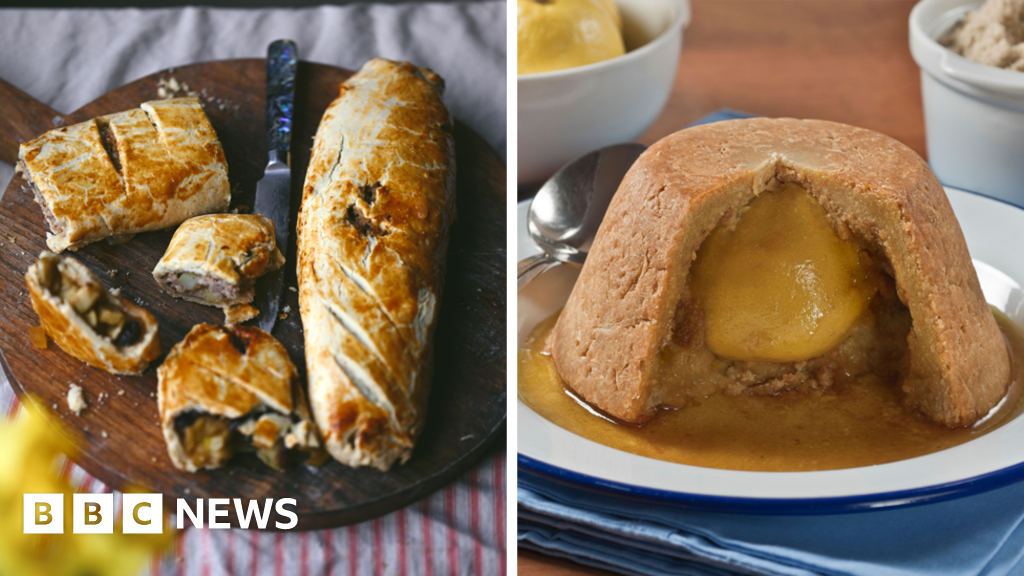
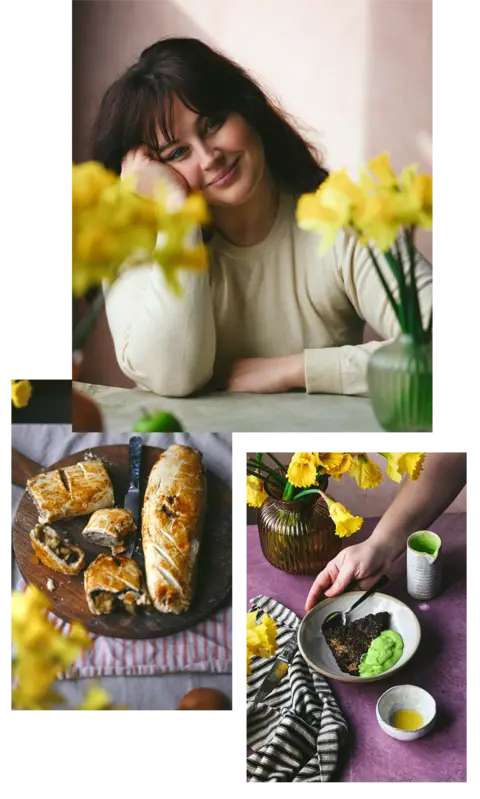
Other dishes include a Bedfordshire clanger - a half-sweet, half-savoury pasty she describes as "wonderfully strange"; Brown Windsor soup, which is  associated with the Victorian royals; and chocolate concrete, a school-dinner classic Herring paired with a radioactive green custard, reminiscent of her own school days.

Herring has been making food content for a decade, but nothing has captivated her audience as much as this most recent series. Many of her viewers recall eating these dishes as children.

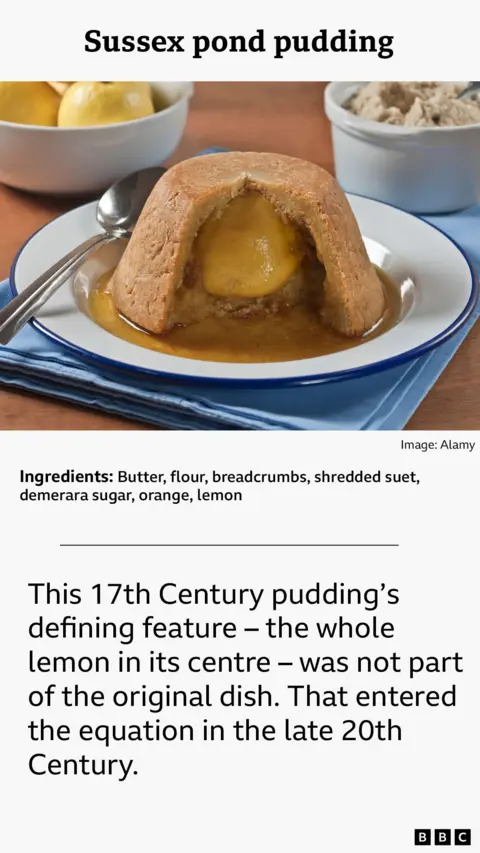
"Thanks for the trip down memory lane: we used to have this at primary school - it was my absolute favourite," one follower commented on a video of a Sussex pond pudding, which has a whole lemon encased inside a steamed suet pastry.

"Each table of six children had a whole one. One child was the server of the day, who sliced it into portions.

"We had a large slice each with custard poured by the pourer of the day."

Another commented on a video of an Eve's pudding, a cake batter baked with apples: "I think this is the dessert my grandmother always made for Sunday lunch!

"But as she grew up in the Depression and never had cream for the table, the family served it with milk. Now I just don't know how you could eat it if not with a splash of milk on top."

Herring says she had expected a little bit of nostalgia, but it's been "overwhelming just how emotional people have been".

Herring isn't the only one delving into the UK's culinary history.

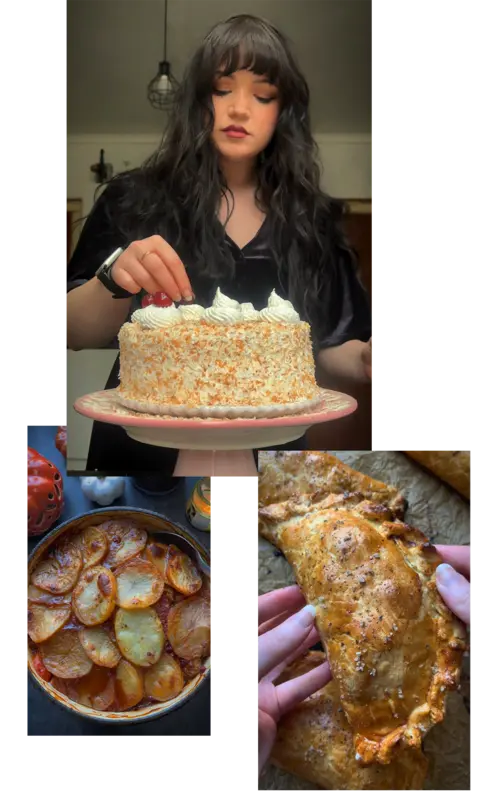
Shannon McCarthy, a self-described "goth baker" from Barnsley, has been exploring old regional recipes from across the country.

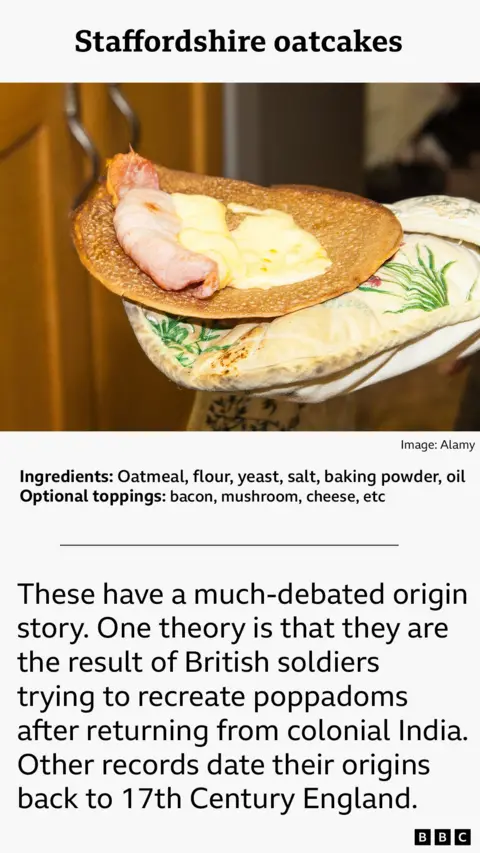
Dishes she's made range from panackelty, a stew consisting of potatoes, onions and corned beef, to Staffordshire oatcakes, a type of yeasted pancake, and Lancashire hotpot, made with mutton or lamb. All have evoked strong emotions among her followers.

"People love them so much, they can't believe that other people haven't heard of them," she says.

Dr Neil Buttery, a chef and food historian, says these "hyper-regional" dishes are among those most at risk of disappearing.

Others include jugged hare and flummery - an oat-based fermented jelly, associated with farmhouse production and poverty.

Some endangered dishes aren't quite so obscure, however.

Buttery says there are some we probably recognise the names of but probably couldn't describe in detail and wouldn't really cook any more - like spotted dick.

While some of these dishes can be found on the menus of high-end restaurants focusing on British cooking, he argues the bar in deciding whether they are endangered or not often lies in whether people still regularly make them at home.

Herring worries some of these rarer dishes may soon disappear altogether.

"It's important we know that these recipes exist before they entirely disappear," she says. "They provide a snapshot of a different time".

But not everyone feels all dishes need to be revered to the same degree.

Chef and restaurant owner Anna Tobias is a champion of old-school British desserts, which often feature on her restaurant Café Deco's menu. While she says they are often best-sellers, she feels that there are some recipes that deserve to be relegated to history.

"Ultimately, the recipe has to be good – there are some really awful ones," she says, referencing strange combinations she has seen in cookbooks, including banana and herring and lamb and crab.

"Classic dishes are classic for a reason," she continues, "because they're good.

"Because they've been tried and tested - and accepted."

One business cashing in on a classic regional dish is La Rondine bakery in Bedford.

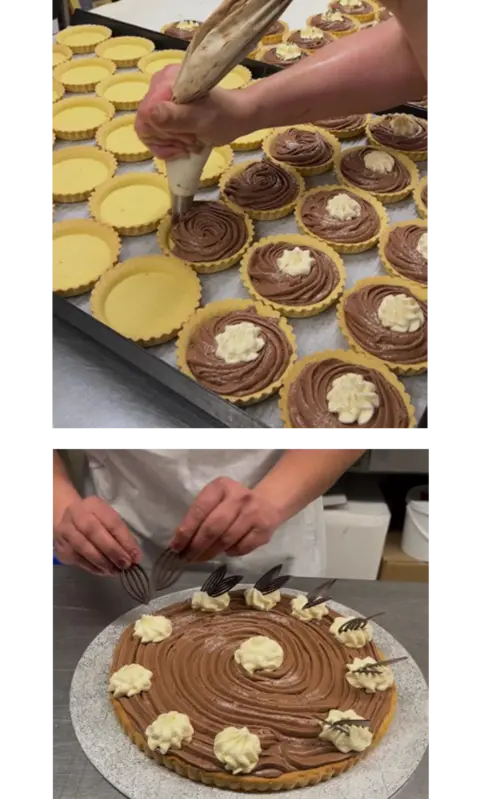
It sells a former school-dinner staple known as chocolate toothpaste. A sweet tart filled with a chocolate paste made with cocoa and milk powders.

Carlo Garganese, who runs the bakery alongside his father, Salvatori, says he believes the tarts are so popular - with the bakery selling 1,000 a week - because anyone who went to school in Bedford will fondly remember eating them at lunchtime.

"I think that's carried over into their adulthood," he says.

Memories do fade, however.

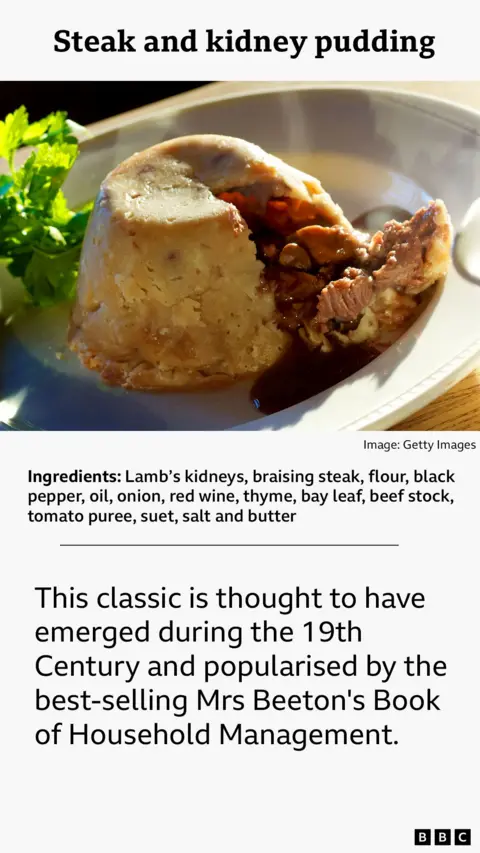
One business that sells steamed savoury suet puddings, an old-school British classic, worries memories of days gone by may not be enough to keep their puddings going in the long term.

Matthew Botley, head of operations at Kentish Mayde, says he can see a time when the puddings will "get forgotten as a British food".

While the puddings are popular among an older demographic, younger people don't tend to buy them, he says.

"I think we've got a few years of it yet, but I can see a time when the people who are eating them are no longer around."

While nostalgia is "massively" important in preserving endangered dishes, Buttery says, "you've got to pass it down, so that the next generation below you, or even the next one down from there, can also feel nostalgic about it in 50 years time.

"Otherwise it will disappear."

Photographs copyright  of Annie Mae Herring and Shannon McCarthy