yahoo Press
Hungary's next government vows to open communist-era secret police archives
Images
1 / 10
2 / 10

3 / 10

4 / 10

5 / 10

6 / 10
7 / 10

8 / 10

9 / 10

10 / 10
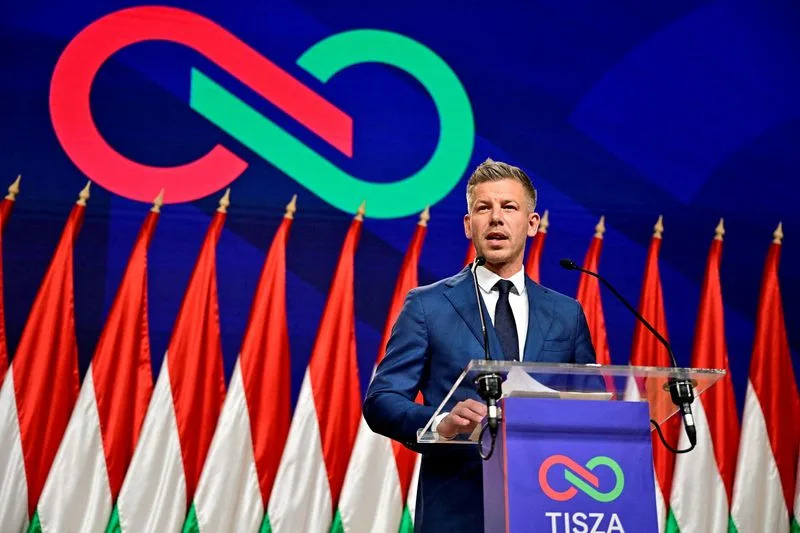
BUDAPEST, April 22 (Reuters) - Hungary's new government will open up the historical archives of its communist-era secret police, according to the man who will run the office of Peter Magyar, winner of this month's parliamentary election, who is expected to become prime minister on May 9. Magyar's centre-right Tisza party defeated veteran leader Viktor Orban's Fidesz on April 12 on pledges to put Hungary back on a pro-European course, revive a moribund economy, and secure the release of billions of euros in frozen European Union funding. Balint Ruff, confirmed by Magyar on Wednesday as his nominee to run the prime minister's office, told news site Valasz Online that opening up the secret police archives would be his "number one task". "This is a task for historians, but I will be able to ensure that the next government provides a framework for this, that is, that it will provide the opportunity to research without political pressure," said Ruff, a lawyer and political adviser. Unlike Poland or the Czech Republic, Hungary has never officially revealed the names of communist-era secret police collaborators, though over the years some names have been dripped into the media. Individuals can access their own files but not, for example, materials about others, including past informants. Historian Krisztian Ungvary, a vocal supporter of full transparency, said in a 2023 lecture that while "the past of public figures is not public, they will constantly be vulnerable to blackmail by those with access to information about their past". Ruff said he aimed to establish an office to recover billions of forints lost to corruption and would also oversee EU affairs so that Magyar can closely oversee the work to unfreeze EU funds. (Reporting by Anita KomuvesEditing by Gareth Jones)