Press
Nottingham killer discharged because NHS staff could not find him, inquiry told
Images
1 / 10

2 / 10
3 / 10

4 / 10
5 / 10
6 / 10
7 / 10
8 / 10
9 / 10
10 / 10
A man with paranoid schizophrenia was discharged from mental health services months before he killed three people because healthcare workers could not find him, a public inquiry has been told.

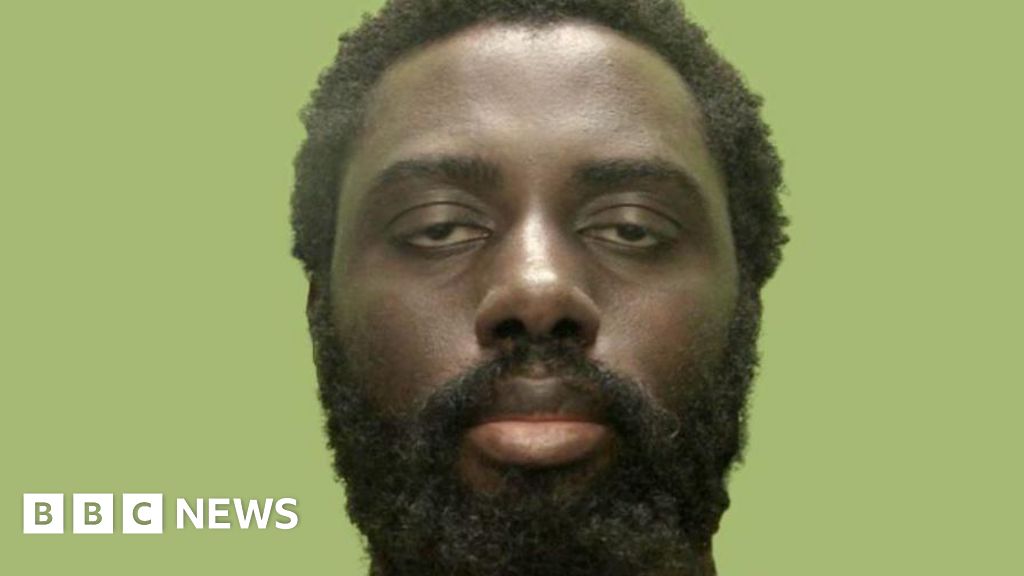
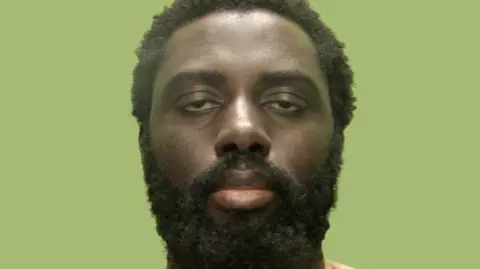
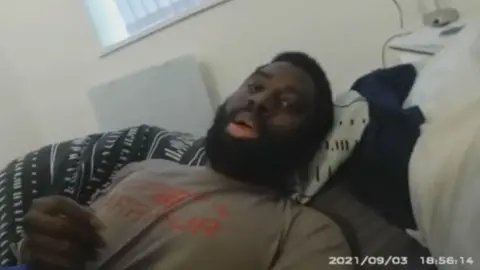
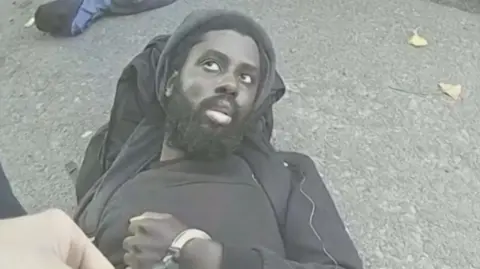
Valdo Calocane was under the care of Nottinghamshire Healthcare NHS Foundation Trust for two years, during which time he was sectioned four times and warned he would end up killing someone.

Speaking about the discharge decision, made in September 2022 after Calocane did not turn up for appointments or make contact, NHS trust team leader Emma Robinson said: "We couldn't work with him, we couldn't find him at this point."

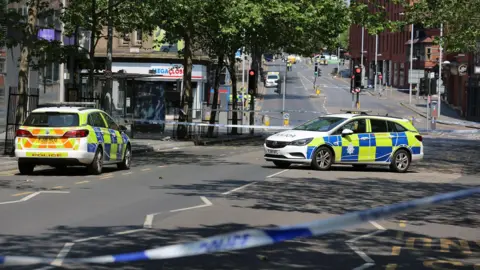
Months later, Calocane went on to kill three people in Nottingham on 13 June 2023.

The Nottingham Inquiry - which is examining the events of the killings of Barnaby Webber, Grace O'Malley-Kumar and Ian Coates and the aftermath - heard Calocane was discharged by the trust's Early Intervention in Psychosis (EIP) service because he failed to turn up for appointments or make contact with the team.

Robinson, who was a team leader with EIP from 2019 to 2022, told the inquiry on Tuesday that Calocane's care co-ordinator Gary Carter had attended his address, made calls to him and sent a letter, which went unanswered.

Tim Moloney KC, who represents the bereaved families, asked: "When you discharged, did you think about the risk to the public from this man, who EIP would not visit alone, would not visit at home unless absolutely necessary?

"Did you consider the risks to the public from that man?"

Robinson said: "We did consider that, but we felt that within the time of decision we had no holding powers, we couldn't work with him, we couldn't find him at this point. We just couldn't find him to work with him."

The inquiry heard that Calocane's last contact with the EIP team had been by phone on 16 July, when he lied about being abroad.

Moloney asked: "Had you lost him?", to which Robinson replied: "Yes."

The lawyer asked: "Is that primarily why you discharged him?"

Robinson said: "Yes, because we couldn't find him to treat him or engage him.

"He was very difficult person to engage with. I think he needed a more robust service than early intervention could offer.

"I think in hindsight he needed a team that could do more of that follow-up."

Moloney said by discharging Calocane to his GP, the trust "left him to the general public to deal with".

Robinson said: "I wouldn't say the general public to deal with. It's not uncommon for us to discharge non-engaging patients, unfortunately, at that time. I think things are very different now."

In a statement written by Robinson, explaining her rationale for discharging Calocane, she said: "It's dire for me to think this now, but I used to think sometimes - is it worse to have somebody open on caseloads that you're not engaging with? Should we be discharging them instead?

"What does it look like if something happens and we've got this person open to us and we haven't seen him for months and months and months?"

Asked to explain this statement by Craig Carr, counsel for the chair of the inquiry, Robinson said: "I suppose, from previous experience, I'm worried about how that's looked - that we've got somebody that's open to us, and perhaps we've not been able to treat them for nine months, or find them.

"So sometimes the decision's better to discharge back to the GP."

Carr said it could be interpreted that Robinson was suggesting it was better to get someone "off the books" if they could not be found.

Robinson added: "It feels safer to have somebody discharged back to the queue of the GP, than open to a secondary service when we can't engage them, or we can't do anything for them."

Carr had asked what mandatory training was required to work in the EIP team.

Robinson said everybody did training at the trust "no matter the area that they work in".

She added: "So that covers things like basic life, risk management, record keeping, infection control.

"We do mental health act training, mental capacity, care programme approach training, and they are more specific to mental health, but nothing specific to early prevention."

Carr then asked Robinson whether there was any staff training on managing disengaging patients, medication concordance, and when or whether to refer patients to the community forensic team.

Robinson said there was not to her knowledge.

Inquiry chairwoman, retired senior judge Deborah Taylor KC, said Calocane's GP was "effectively sent very little information" after his discharge.

Robinson said: "I accept that."

When asked whether it was "wholly inadequate", by Sophie Cartwright KC, who is representing the survivors, Robinson said: "As a discharge letter, you would expect more like you've said, and I wasn't aware of that until part of the evidence of the inquiry.

The witness also told the inquiry that the trust did not tell Nottinghamshire Police Calocane had been discharged from its services.

Sharon Heath, who later gave evidence to the inquiry, became the clinical team leader for the EIP south team in 2021, before taking on the team leader role in December 2022.

Heath asked for the discharge letter to be drafted for Calocane's GP, expecting that important documents relating to his care, including a risk assessment and care plan, would be sent as part of a covering letter.

However, these were never sent.

When asked by Carr, whether the documents would have been out of date anyway, Heath replied: "Yes".

The inquiry continues.

Listen to BBC Radio Nottingham on Sounds and follow BBC Nottingham on Facebook, on X, or on Instagram. Send your story ideas to eastmidsnews@bbc.co.uk or via WhatsApp on 0808 100 2210.

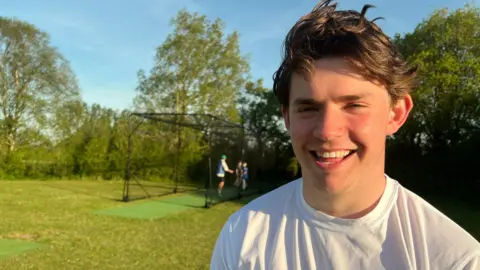
Charlie Webber has given grants to Chinnock cricket teams as part of the Barnaby Webber Foundation

The mental healthcare of Nottingham attacks killer Valdo Calocane is being examined at a public inquiry.

Valdo Calocane was discharged from mental health services months before the Nottingham attacks.

Valdo Calocane's NHS records were at times "fundamentally wrong", a public inquiry heard.

However, Dr Faizal Seedat told the Nottingham Inquiry he did not actually believe Valdo Calocane would kill.