Press
How a huge wave of Israeli strikes brought chaos to Lebanon
Images
1 / 20

2 / 20
3 / 20
4 / 20
5 / 20
6 / 20
7 / 20
8 / 20
9 / 20
10 / 20
11 / 20
12 / 20
13 / 20
14 / 20
15 / 20
16 / 20
17 / 20
18 / 20
19 / 20
20 / 20
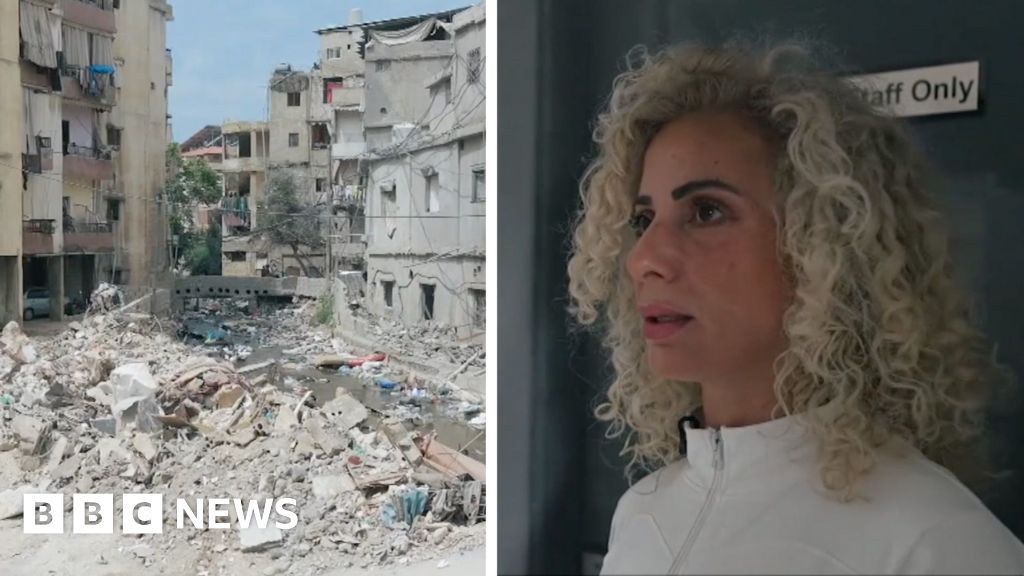
At 14:15 local time on 8 April 2026, Israel launched a massive wave of strikes against Lebanon - just hours after US President Donald Trump announced a ceasefire between the US, Israel and Iran to pause fighting in the Gulf region.

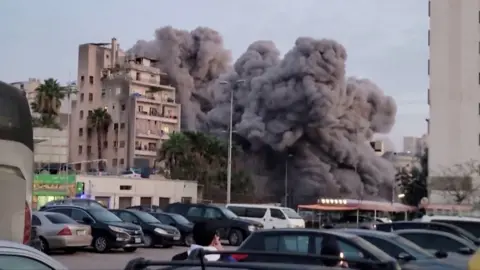
Israel said it struck 100 targets in 10 minutes, dashing hopes in Lebanon that the pause in fighting in Iran would end the violence there too.

The latest conflict between Israel and Hezbollah - the Lebanese militia and political party that is funded and armed by Iran - started on 2 March after the group fired rockets into Israel, which responded with widespread air strikes and a ground invasion of southern Lebanon.

Since then, more than 2,600 people in Lebanon have been killed, according to Lebanon's health ministry, and roughly a fifth of the population displaced, the UN says.

The BBC's Nawal Al-Maghafi has been piecing together what happened that day and meeting people who lost loved ones on one of the deadliest chapters in the country's recent history.

Read more about this story here.

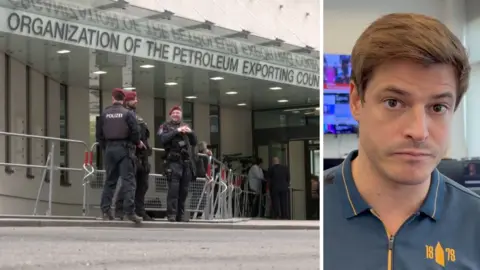
The United Arab Emirates (UAE) is quitting oil cartel Opec after nearly 60 years of membership.

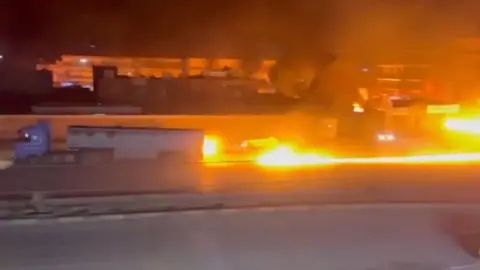
Eyewitnesses captured the moment a burning fuel tanker drove through the centre of Hasakah, Syria, leaving a trail of fire behind it.

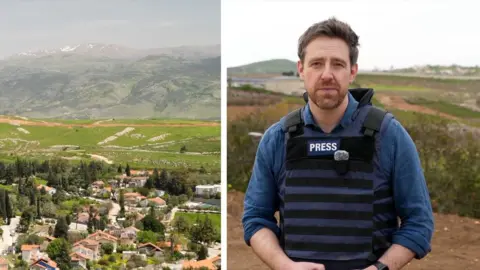
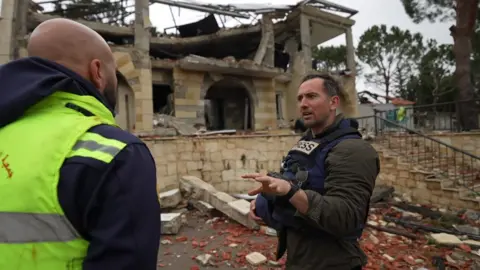
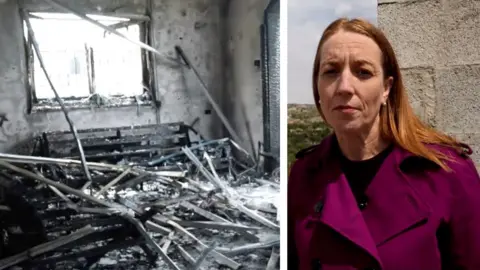
BBC foreign correspondent Nick Beake visits Metula, an Israeli town surrounded on three sides by Lebanon.

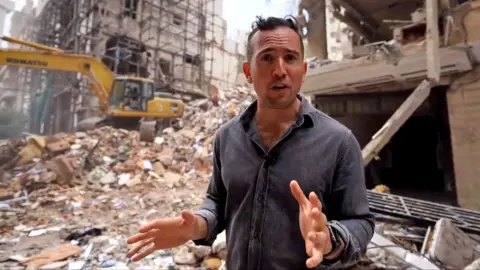
BBC Middle East correspondent Hugo Bachega joins paramedics on duty in Nabatieh - a city that was once vibrant, but is now abandoned.

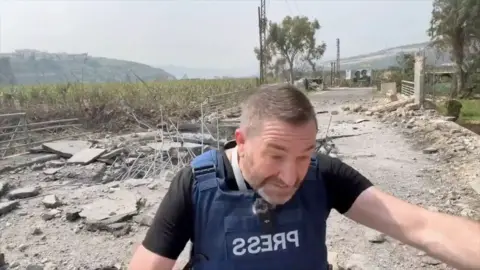
BBC Middle East Correspondent Hugo Bachega hears from people affected by this week's attacks.

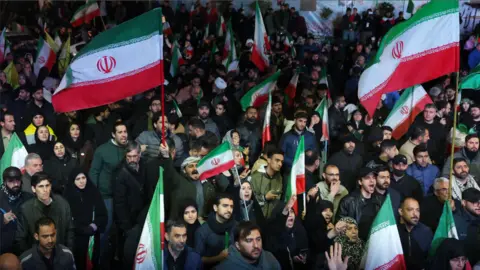
Pro-government demonstrators poured onto the streets of the Iranian capital after the announcement of the two-week conditional ceasefire between the US and Iran.

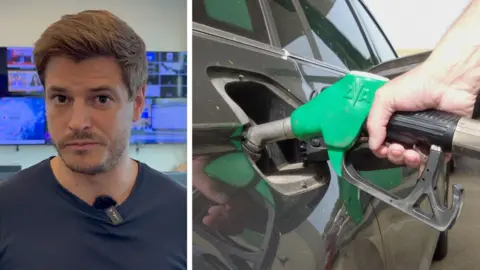
The BBC's Nick Marsh takes a look at whether fuel costs will get cheaper now the US and Iran have agreed a ceasefire.

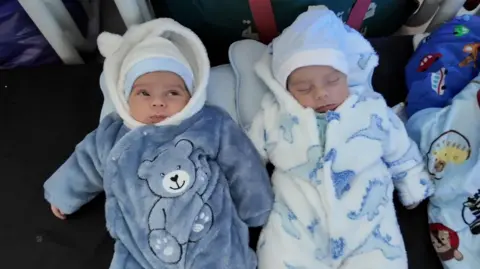
More than one million people in Lebanon have been displaced since the start of the war as Israel expands its ground operation there.

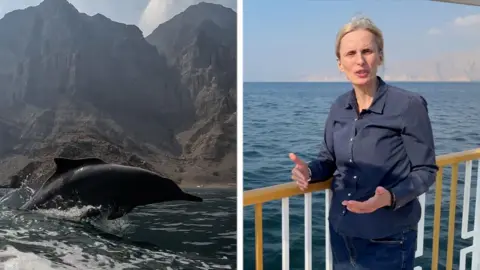
The BBC's Orla Guerin travels to the edge of the critical waterway that Iran has put a stranglehold on.

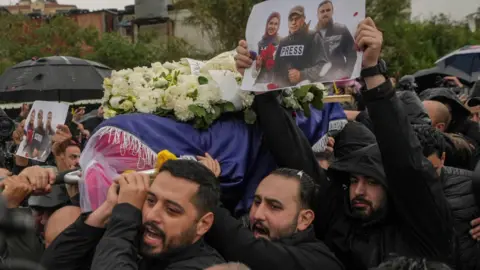
BBC reports from the funerals of three journalists killed by a targeted attack in southern Lebanon.

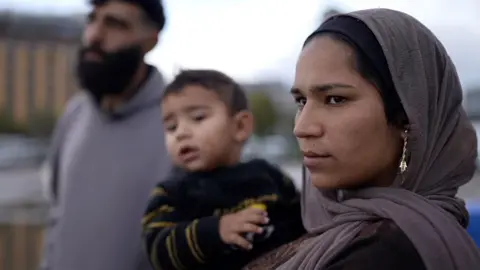
The BBC's Hugo Bachega speaks to families in Beirut as more than a million people have been displaced in Lebanon.

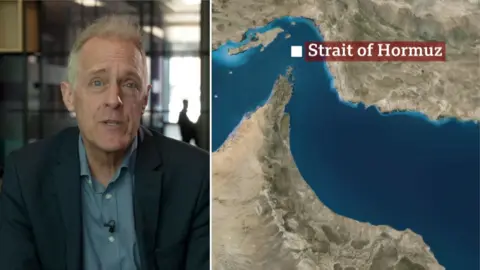
Paul Adams explains why it is so dangerous to navigate the strait, one of the world's busiest oil shipping channels.

Violence began after a teenage settler was killed, reportedly after being hit by a vehicle driven by a Palestinian.

Israeli forces have been instructed to destroy the crossings over the Litani river that were being used by Hezbollah to send reinforcements.

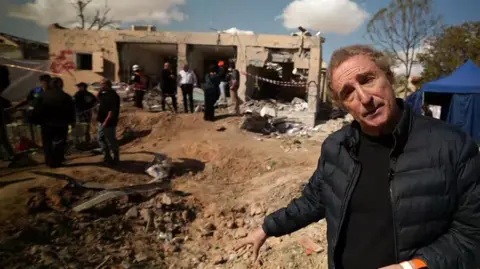
The BBC's Sebastian Usher reports from Dimona in southern Israel, which was hit by an Iranian missile.

In footage from Russian state broadcaster RT, correspondent Steve Sweeney is seen diving off screen as a missile hits.

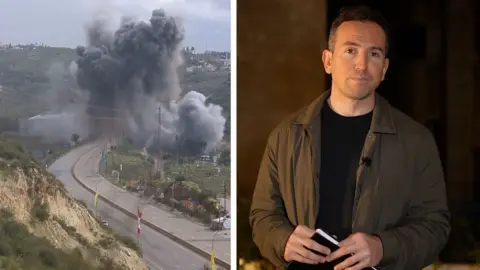
At least 10 people were killed and 27 injured, according to Lebanon's state-run National News Agency.

Iranians speak about life during the war with constant threat of bombs and regime crackdowns.

Ben Chu from BBC Verify has been looking at what role the Royal Navy could play in the Strait of Hormuz.

Displaced Palestinians were told to secure their tents to prevent them being blown away as a storm swept through the enclave.