Press
US football a ‘different world’ compared to 1994 World Cup but flaws remain
Images
1 / 8
2 / 8
3 / 8
4 / 8

5 / 8

6 / 8

7 / 8

8 / 8
In the 32 years since the United States last hosted the Cup, football has moved from the margins to the mainstream.

Save

Share

Football has gained a foothold in the United States, and the country seems ready to host the World Cup this summer – which was not clear in 1994.

Back then, when the US last hosted the World Cup, the country had no professional league and the national team was cobbled together with ex-collegians, journeymen, and semi-professionals.

“Leading into ’94, we were at risk on the ticket side,” former US Soccer President Sunil Gulati told Al Jazeera in a recent interview. “For the US Organizing Committee, it was a big concern if we could sell all the tickets.’’

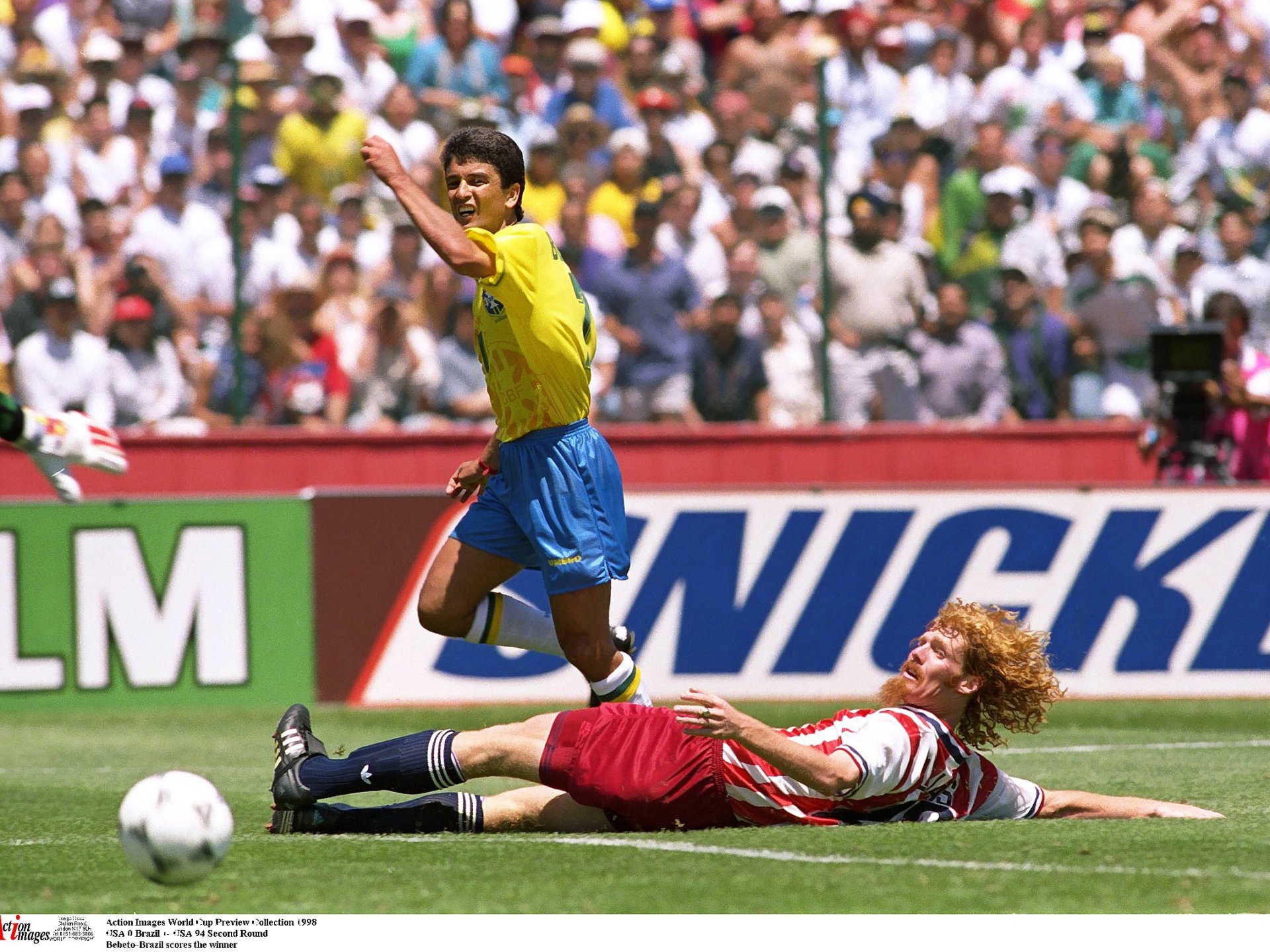
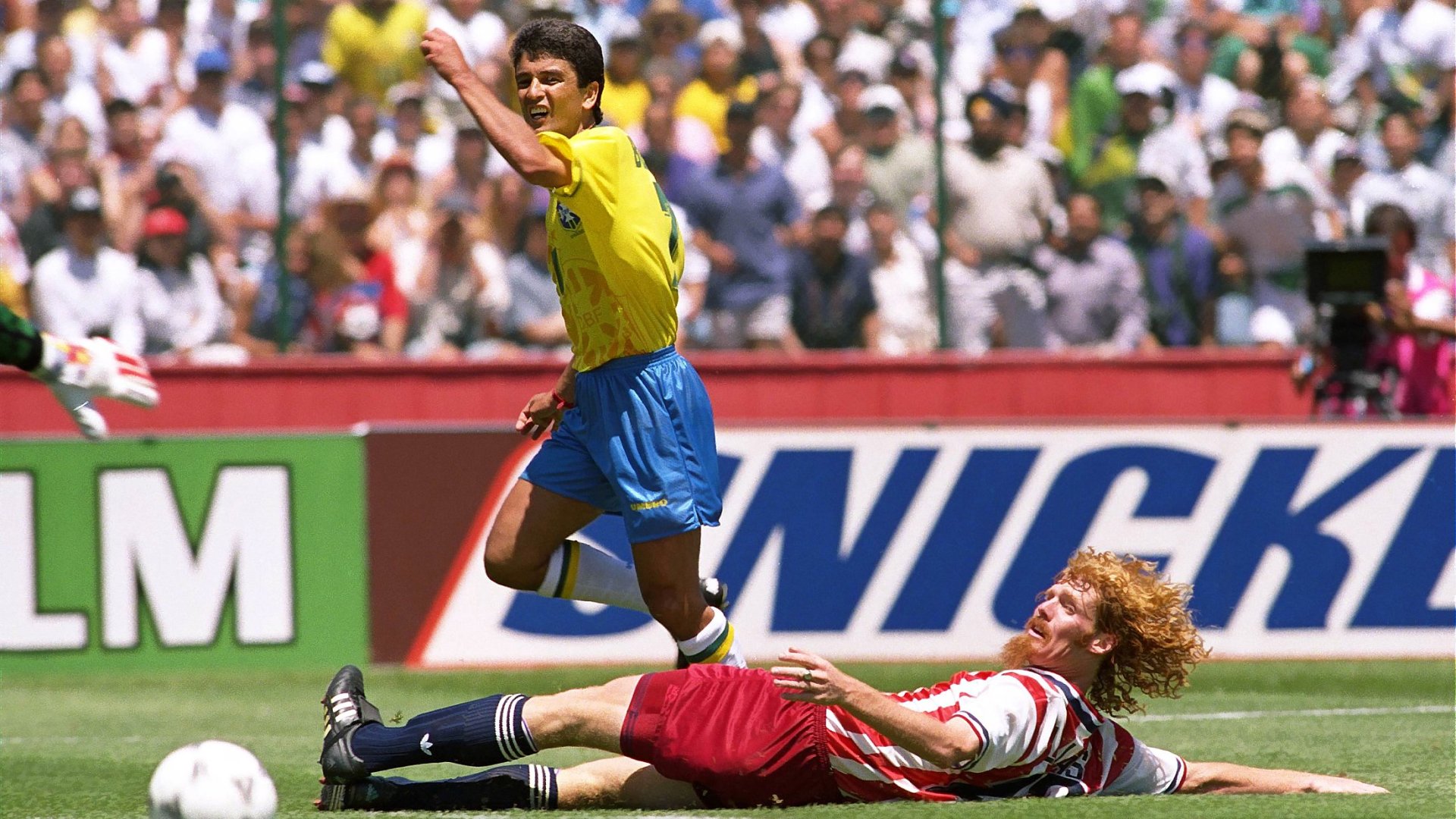
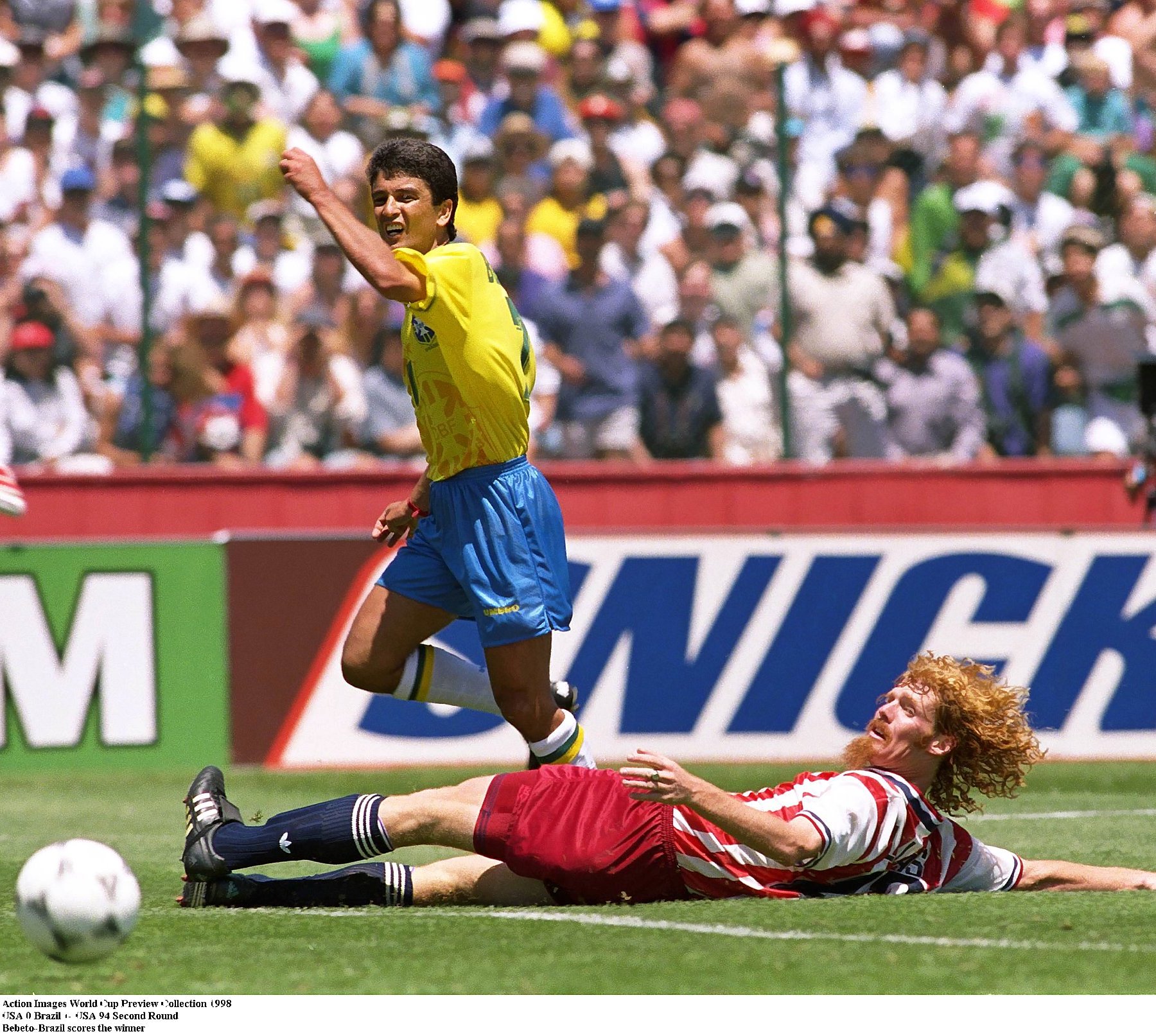
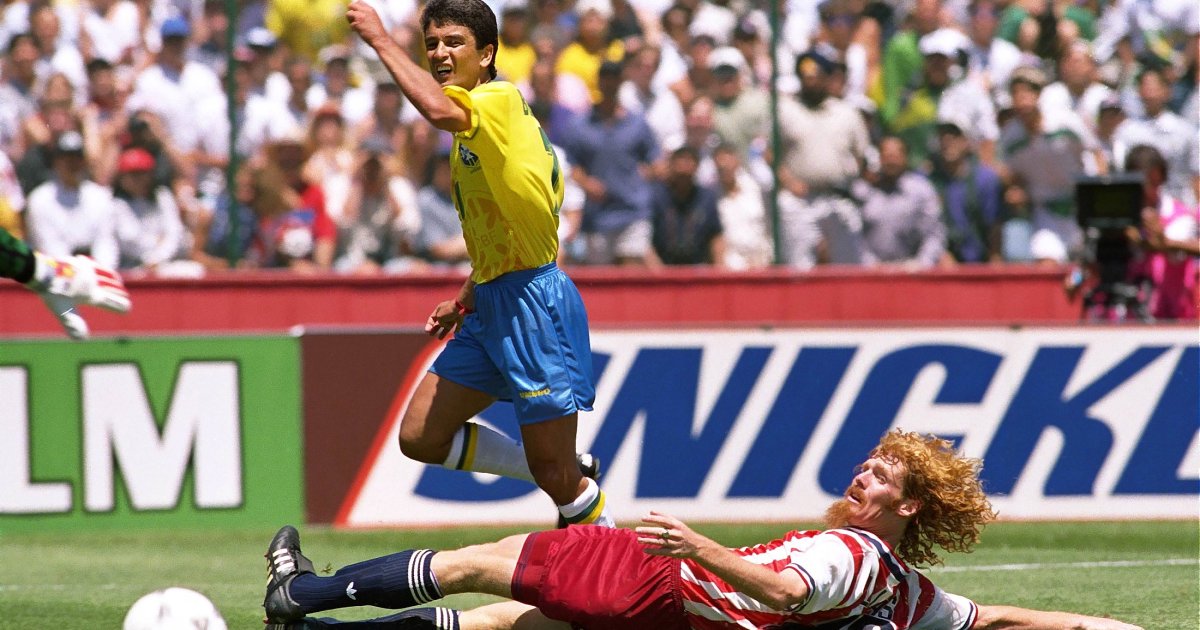
In the end, the 1994 tournament was successful. A record 3.5 million (68,991 per game) attended matches; the US advanced from the group stage for the first time since 1930, losing 1-0 to eventual champions Brazil in the last 16; and seeds were planted for a professional league, Major League Soccer.

Football has since moved from the margins to the mainstream in the US.

MLS is thriving, the national team is ranked a creditable 16th in the world by FIFA, and as the World Cup returns this summer, ticket demand far outpaces supply.

“If you said in 1994 MLS would be a 30-team league, with [22] soccer-specific stadiums and averaging 20,000 crowds – not in our wildest dreams,” Gulati said.

“The landscape is completely different. The most visible thing is the development of professional leagues, MLS and the women’s league [NWSL]. We had no first division league. And now there is [also] USL Division 2 and 3. The number of teams has increased dramatically.”

Today, the US Soccer Federation, commonly referred to as US Soccer, sanctions 127 professional teams – 102 men’s and 25 women’s.

“Eighteen of the top 50 [valued] teams in the world are in MLS,” Gulati said. “That’s an extraordinary statistic. The women’s team in Columbus just sold for $205m. Commercial interest in soccer and soccer leagues is at an all-time high.”

Credit Joao Havelange for seeing the future. During his reign as FIFA president, Havelange usually got what he wanted, and he wanted the 1994 World Cup in the US, along with a professional league.

Easier said than done, though. Organised football has been played in the US since the late 19th century, with the American Cup inaugurated in 1884. But over the following decades, several professional leagues collapsed, and after the North American Soccer League (NASL) folded in 1984, there appeared to be little future for the game. Enter Havelange and FIFA.

“FIFA recognised a long time ago that, for the sport to grow internationally, it had to be successful in the US,” Farrukh Quraishi, a Tampa, Florida-based administrator who played in the NASL, told Al Jazeera.

“For me, it was purely a matter of time. This is a huge and wealthy market. Now, you look at who is buying clubs in MLS, and it’s a who’s who of NFL owners.”

Looking back, it’s remarkable that the US actually competed in World Cups and played host to one at all, without a nationwide professional league.

For years, football’s foundation in the country was built on amateur and youth participation. By the early 1990s, the numbers were high, with an estimated 18 million people playing the sport at some level in the US. But the pyramid lacked a top tier, leaving a dead end for aspiring players, little media coverage, and scattered fan interest.

The 1994 World Cup came and went, and, in 1996, MLS finally kicked off.

Havelange duly arrived to commemorate the inaugural game, sitting in the rickety stands of Spartan Stadium in San Jose, California.

The San Jose Clash edged DC United 1-0, as Eric Wynalda scored an 88th-minute goal – just in time to avoid the game going to a “shootout”, in which draws were decided by players going one-on-one with goalkeepers from 32 metres (35 yards) out. This novel method of deciding games ended in 2000.

Football-specific stadiums started springing up in 1999. Lamar Hunt’s Columbus Crew Stadium became the country’s first major purpose-built football venue since Mark’s Stadium in Fall River, Massachusetts, in 1922. Now, Columbus are on their second stadium, the ScottsMiracle-Gro Field, and a total of 22 MLS teams compete at their own venues.

Football finally became part of the American sporting scene.

“Is it in the same way as the NFL, with [average figures of more than 18 million] watching it, or the American Pastime that baseball is? No,” Gulati said.

“It’s not at that viewership level, [but] there is worldwide coverage of games. Look at everyone wearing jerseys on the street, Lionel Messi playing in Miami. It is part of the mainstream.”

Not that the picture is not flawed. Wynalda, who went on to score 34 goals in 106 games for the US national team, sees the current system as a recipe for mediocrity, registering millions of youngsters but limiting their ambition as few US players take up prominent roles on MLS teams.

Most are offered the league’s minimum annual salary ($80,622) and only two US players were listed last year among the top 40 highest-paid, according to the MLS Players Association – Austin FC forward Brandon Vazquez (24th at $3.55m) and Nashville SC defender Walker Zimmerman (27th at $3.45m).

“Look at the growth of [MLS] and you can say soccer looks professional, looks like a big deal, looks major league. And a lot of people look at the sport with a different lens now because it’s a legitimate sport,” Wynalda, now a coach and commentator, told Al Jazeera.

“[But] facilities do not create ability. We need more focus on a competitive environment to develop players. We tell them winning doesn’t matter and then wonder why they can’t win. We’ve lost that competitive mentality.”

He favours introducing promotion/relegation as a solution.

“If you’re going to a team that is never going to be relegated, because it’s got enough money, you never learn how to fight relegation, how to beat 11 angry men with their livelihood on the line,” Wynalda said.

And while the MLS franchise model has created riches, with teams valued as high as Los Angeles FC at $1.25bn (thanks to owning the 22,000-seat BMO Stadium) by Forbes Magazine, the quality of play does not always correspond.

MLS teams have tended to struggle in CONCACAF competitions, although in 2022 the Seattle Sounders ended a 22-year drought for an MLS side to win the federation’s elite competition, which was previously won by DC United in 1998 and LA Galaxy in 2000.

“There are things we agree with and disagree with, on and off the field, but [MLS] is successful,” Fox Sports commentator Alexi Lalas, a central defender for the US in 1994, told Al Jazeera. “I don’t think you can argue against that.”

Thanks to the 1994 WC and MLS, football in the US became “a very different world, to finally be even recognised for what you did, let alone respected”, Lalas said. “You know, soccer still isn’t king in the US, but, let’s be honest, it’s part of the palate and certainly part of the landscape when it comes to this generation.”

Lalas predicts the US will harness the “magic” of being hosts to reach the quarterfinals, while Gulati expects the sport to continue to grow in the US after the World Cup.

“That is what the legacy of the tournament is about and why we bid,” Gulati said.