yahoo Press
How Nuuly persuaded American women to share a closet
Images
1 / 14
2 / 14

3 / 14

4 / 14
5 / 14
6 / 14
7 / 14
8 / 14
9 / 14
10 / 14
11 / 14
12 / 14
13 / 14
14 / 14
The above button links to Coinbase. Yahoo Finance is not a broker-dealer or investment adviser and does not offer securities or cryptocurrencies for sale or facilitate trading. Coinbase pays us for certain activity generated through this link. Prices displayed are informational.

LEVITTOWN, PA. - If you spend time at baby showers, bachelorette parties or in line for a women’s bathroom at any given bar, you might be hearing it more often these days: “It’s from Nuuly!” (Common variations include “Oh, this? Nuuly!,” “You gotta get on Nuuly” and “Girl, as usual: Nuuly!”)

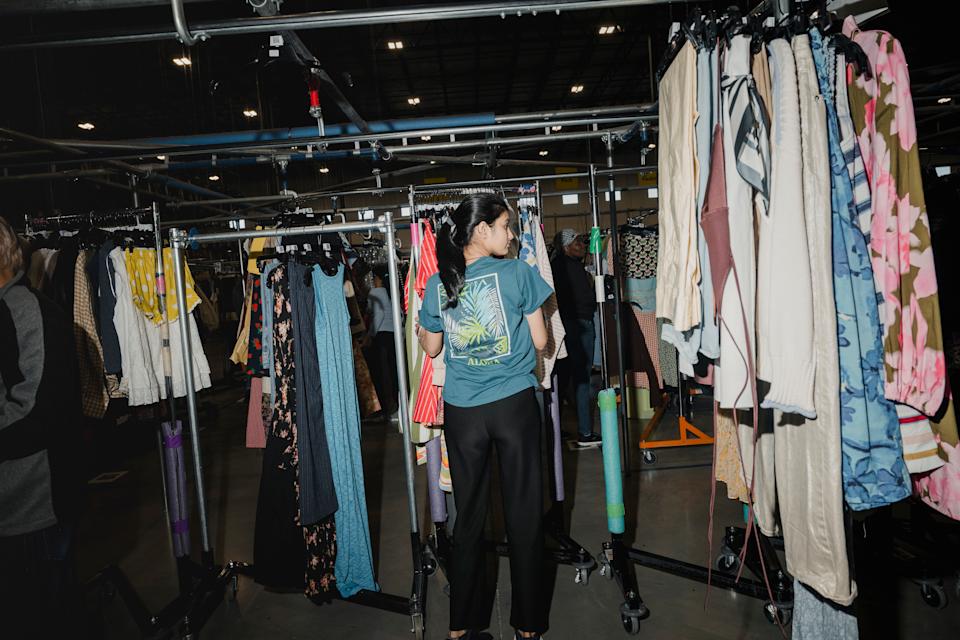
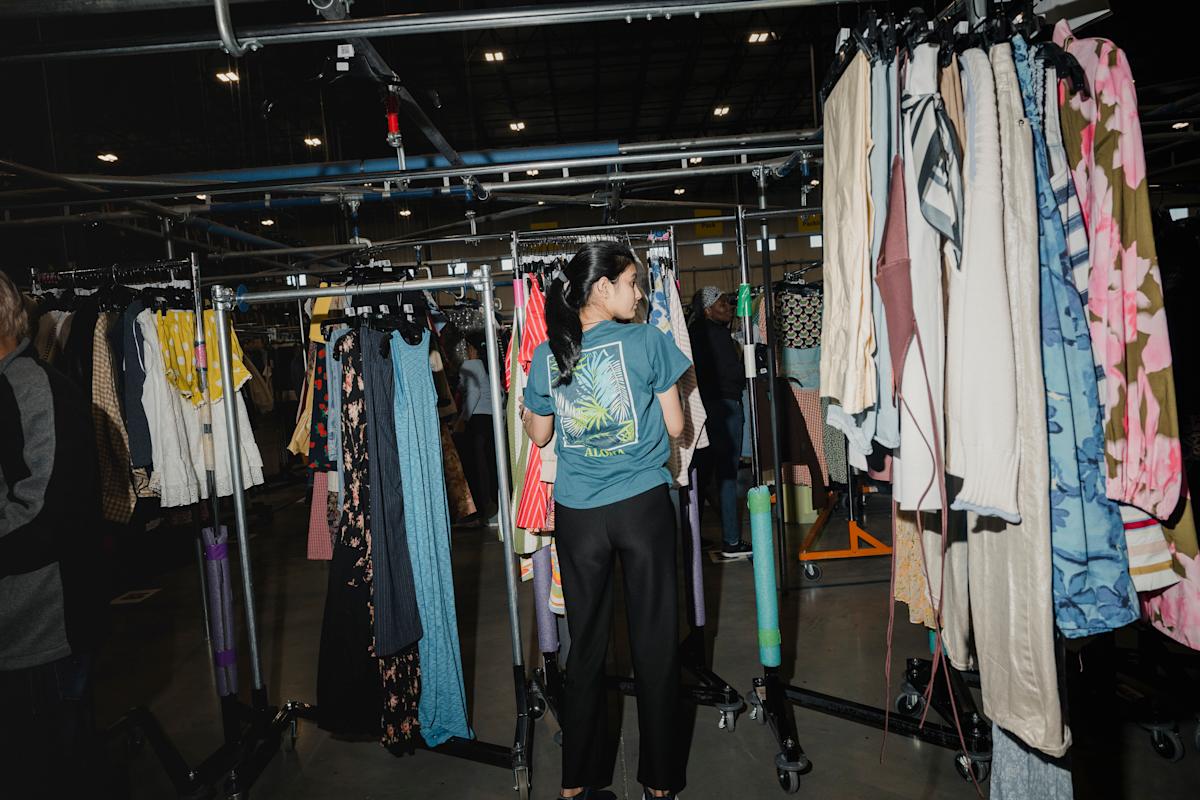
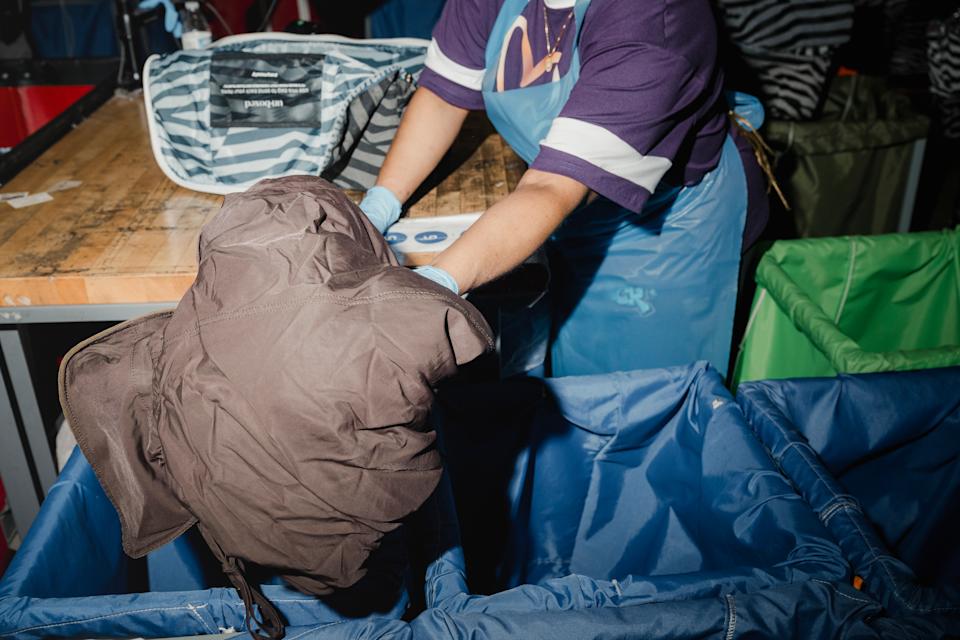
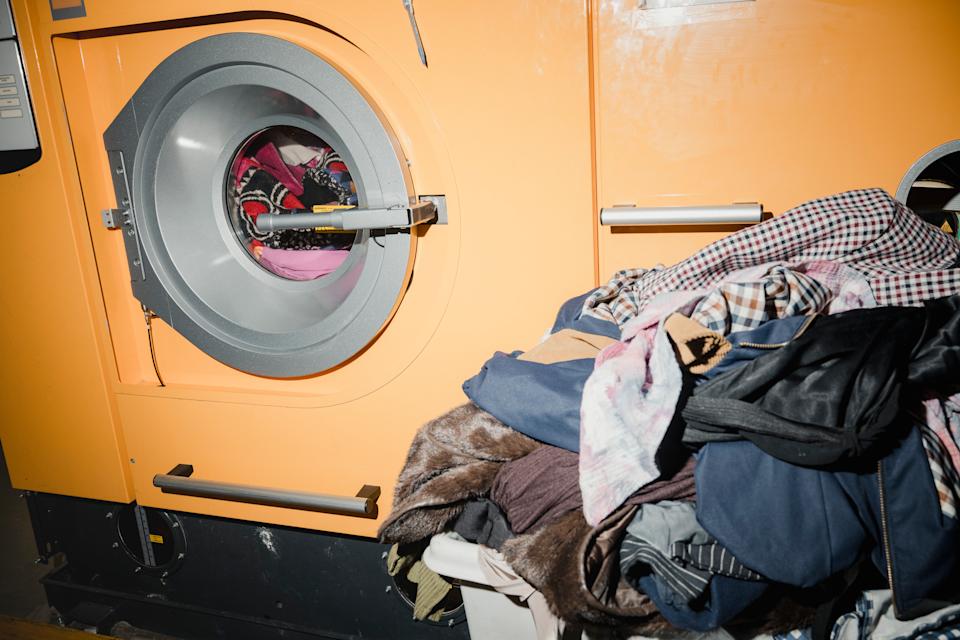
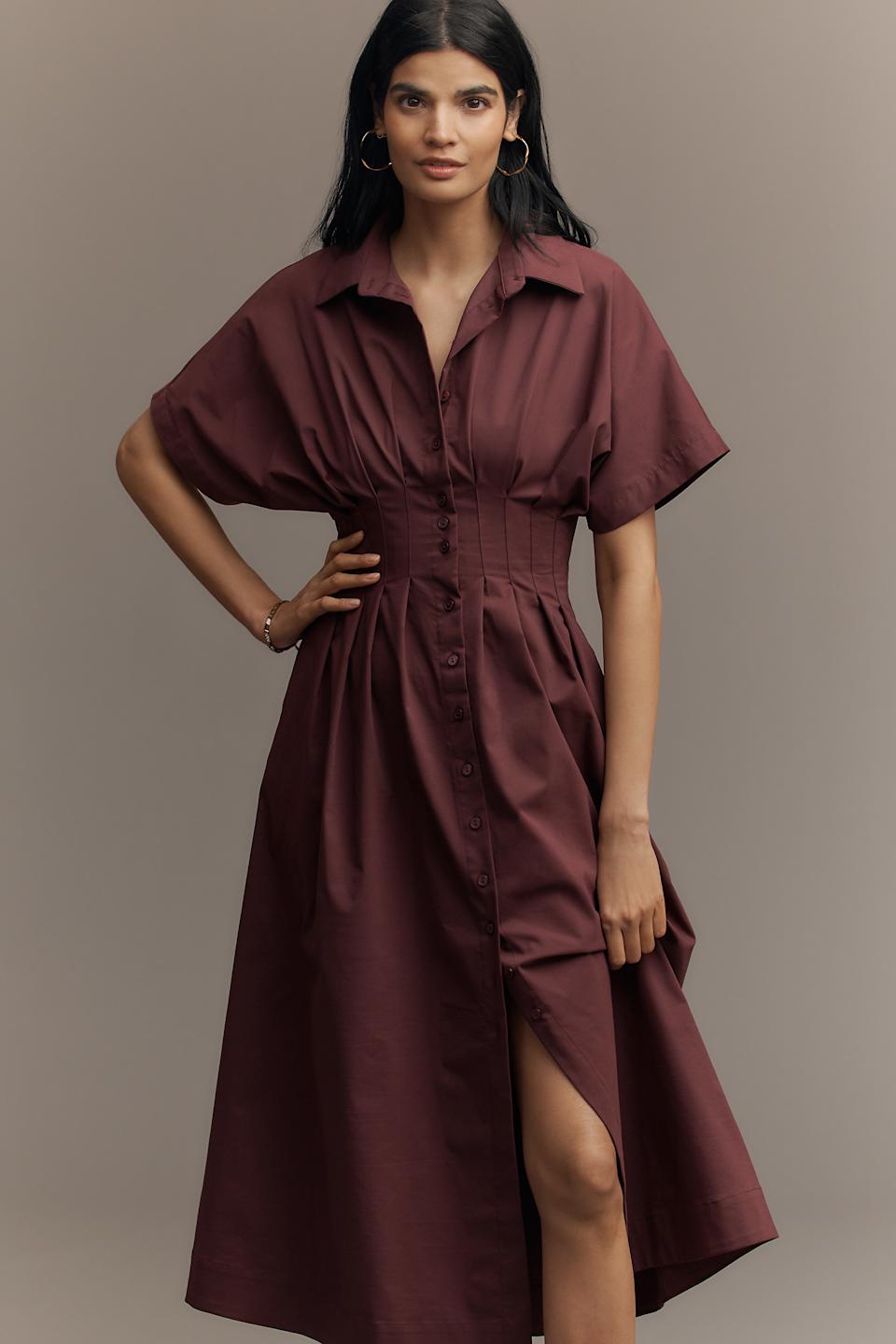
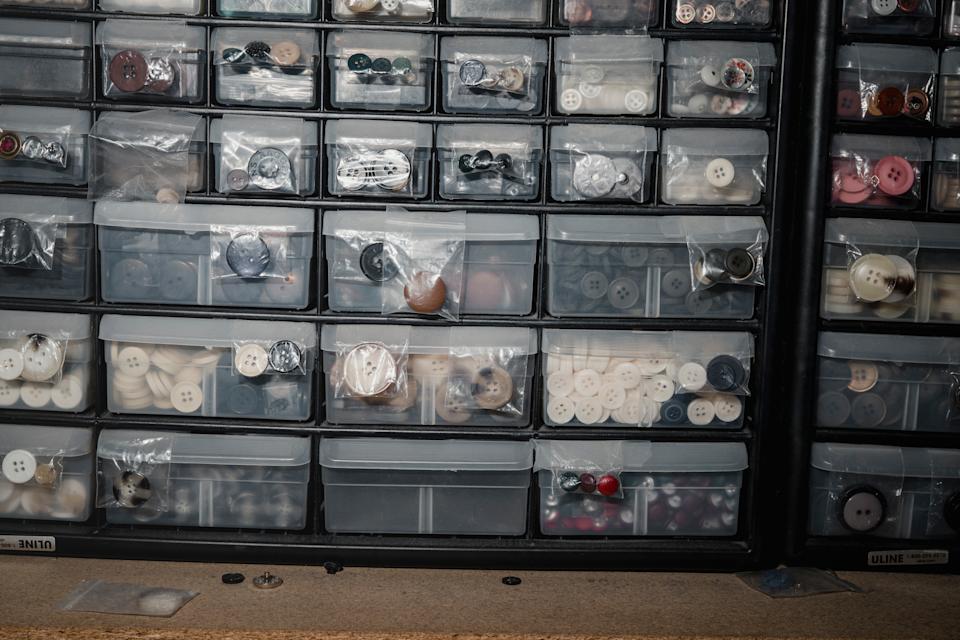
Whether it’s prompted by a funky skirt, a cute top or a quirky sweater, all these exclamations from 20- and 30-something women refer to the $98-a-month service, owned by the parent company of Urban Outfitters, Free People and Anthropologie, that sends users six clothing items of their choosing to wear, re-wear and return at the end of the month. Many of the looks in question come from a 300,000-square-foot warehouse in Levittown, Pennsylvania - where, on a Tuesday afternoon in April, laundry sorters are nimbly flinging garments into laundry loads and dry-clean hampers.

Subscribe to The Post Most newsletter for the most important and interesting stories from The Washington Post.

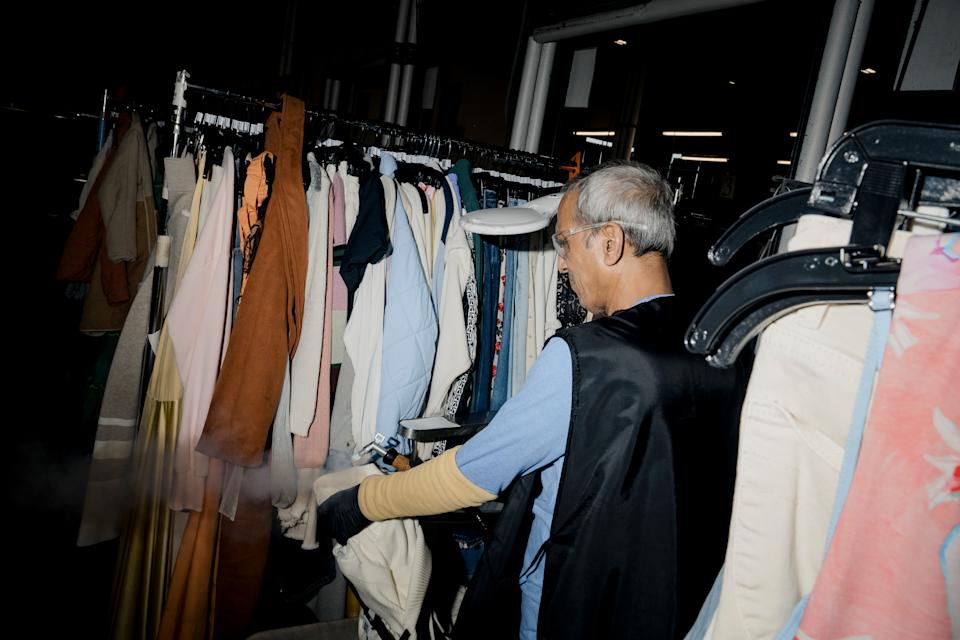
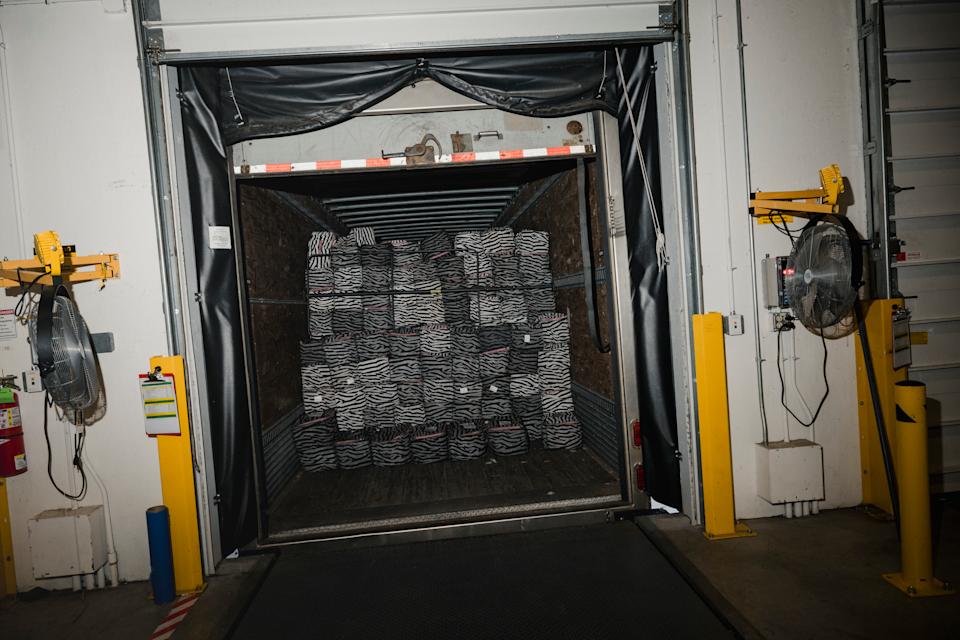
Steam hisses from stain-removing stations at one end of the building while 26 dry-clean machines and 36 wet washers and dryers rumble at the other, and the company’s signature grey-and-black zippered packing cubes are stacked by the hundred, the outgoing pile on the loading dock towering just as high as the incoming. “Look out,” I’m told, as several hanging garments float toward me, ghostlike, on their way into a “steam tunnel” for three minutes of wrinkle release.

As I stand in the middle of it, the space feels something like an airplane hangar full of clothes. And this is the smaller of Nuuly’s two fulfillment centers, at only one-third the size of its brand-new one in Kansas City, Missouri.

Since 2019, Nuuly has nudged aside Rent the Runway as the sole, reigning household name in clothing rental, and proved in the process that there’s a real and robust consumer desire to have more choices of what to wear on a regular day but fewer clothes in the closet. And that (as any woman with one or more sisters could tell you) owning a great piece of clothing doesn’t matter nearly as much as having access to it.

The Nuuly sisterhood now includes nearly half a million monthly active users. Most fit the profile of “that 25-to-35-year-old woman who’s just getting going in her career,” says Sky Pollard, Nuuly’s head of product. She travels, she brunches, “she’s got a million events.”

Meredith Young, a 31-year-old compliance manager who lives in Jersey City and works in Manhattan, is exactly such a woman: She has been to 15 weddings over the past three years. (“I’m at that age,” she says with a laugh.) Those weddings, of course, often come with wedding showers and rehearsal dinners beforehand, and baby showers in short order afterward. Young has been renting from Rent the Runway, which is known for its slightly more highbrow designer inventory, since 2023 ($130 a month to borrow five pieces) and Nuuly since 2024.

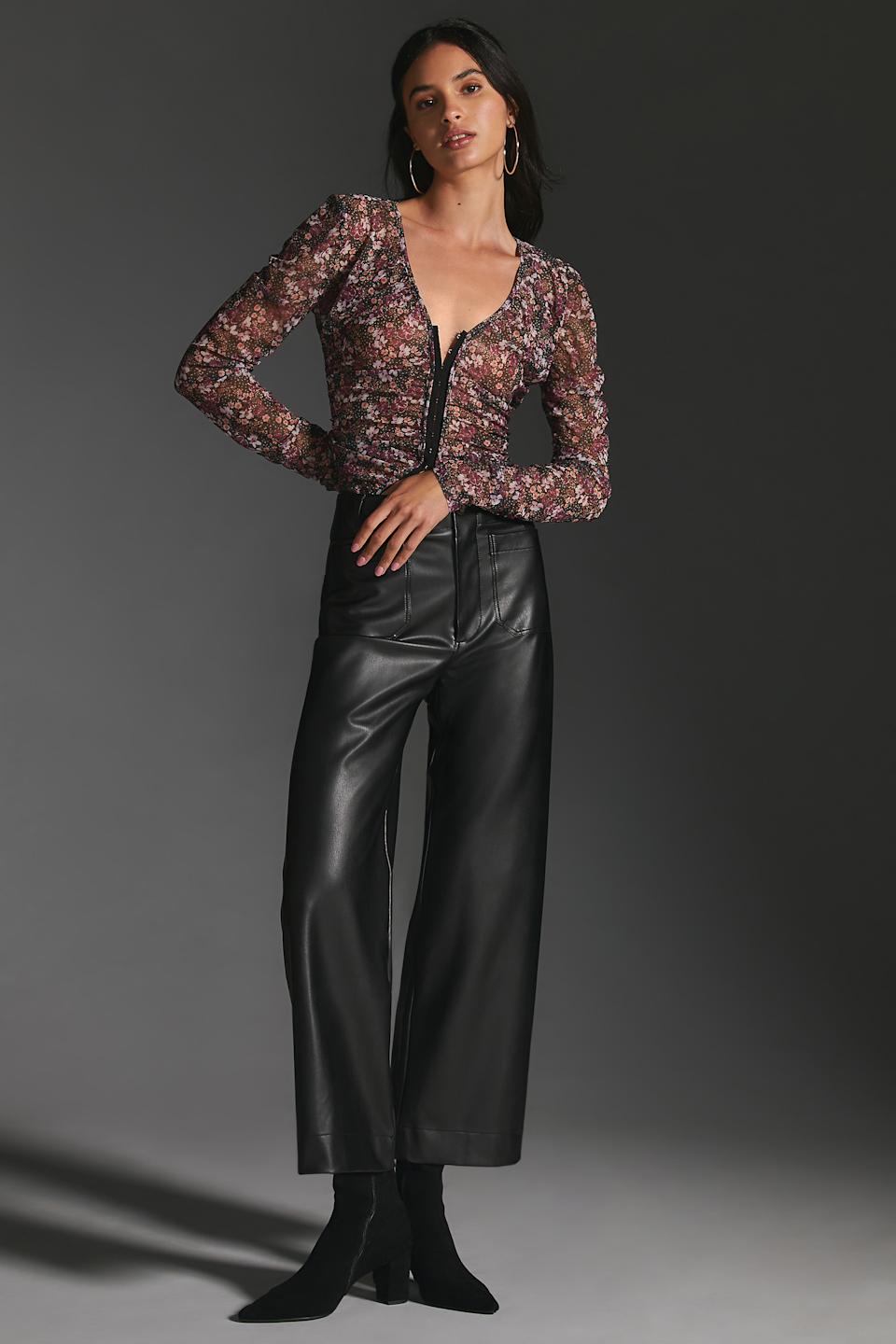
For the ceremonies, Young has usually worn Rent the Runway. For everything else, she wears Nuuly. “Rent the Runway is like, ‘I want to look polished, and I want to make a statement,’” Young says. “Whereas I think of Nuuly as much more go-with-the-flow. These are my everyday life clothes. I could wear this pair of jeans to go get coffee with friends.” In the past few months, she’s been recommending Nuuly to those friends because of its broad range of sizes and what she describes as its more youthful selection. Rent the Runway, she says, is “playing it a little bit safe” of late.

Nicole Radon Humphrey, a 33-year-old fitness instructor and influencer, has also become a routine Nuuly user over the past five years. She found it particularly useful when she was pregnant with her first child, born in early 2025. “Being pregnant, and even postpartum, your body is ever-changing. So your sizes are ever-changing,” Humphrey says. “Why spend money on temporary clothing?”

And when Humphrey moved from New York City to Buffalo six months ago, she used Nuuly as a way to try out some more casual, comfy styles that befit her new life in the suburbs. (As an influencer, Humphrey has accepted free month-long rentals and discounts from Nuuly but pays for her own membership.)

Last year, Humphrey posted an instantly viral video to TikTok of her husband waiting in line on the Upper East Side to ship back her Nuuly parcel, alongside multiple other men holding Nuuly parcels. “What lovely husbands,” she wrote.

Nuuly is also quietly a force on college campuses - particularly in the South, and particularly during sorority rush. As Leslie Cunningham, a Dallas-based sorority consultant who coaches sorority hopefuls all across the United States, explains, a typical rush week now calls for six or seven fully styled outfits, ranging from put-together casual to cocktail attire. So she sometimes recommends Nuuly when girls headed to college seek her guidance on how to dress to get into their desired sorority chapters. (Let’s lay aside the potentially problematic gender and class dynamics of the whole practice and just accept for a moment that this is something many young women actually want.) Most rushees, after all, wear clothes for rush that they might not have many other occasions to wear on campus. Owning a bunch of such garments when you only have a dormitory closet? Please.

Clothing rental can also democratize the rush process a little, especially for young women with smaller clothing budgets. “Maybe their moms are like, ‘I’m not spending $300 on a dress,’” Cunningham says. “This is a really nice option for them.” (Of course, as many a Greek-life alumna knows, one of the great perks of sorority house life is the several dozen other closets to raid when formal season rolls around.)

Cunningham frequently sees firsthand the impact Nuuly has had on college campuses. On campus visits, “I walk through the student center where they have the mail centers, and you’ll see all the Nuuly boxes,” she says with a laugh, “just stacked, stacked, stacked, up against the wall.”

None of this was a given, though, when Nuuly first started. URBN - founded in 1970 when then 23-year-old Dick Hayne opened his first retail store in Philadelphia - began putting feelers out for a new venture in the late 2010s, led by Dick’s son Dave Hayne, who’s now Nuuly’s president and URBN’s chief technology officer. (Today, Dick is the CEO of URBN, while his wife, Meg, and nephew Azeez also work for the company as its co-president and chief creative officer and its chief administrative officer, respectively.)

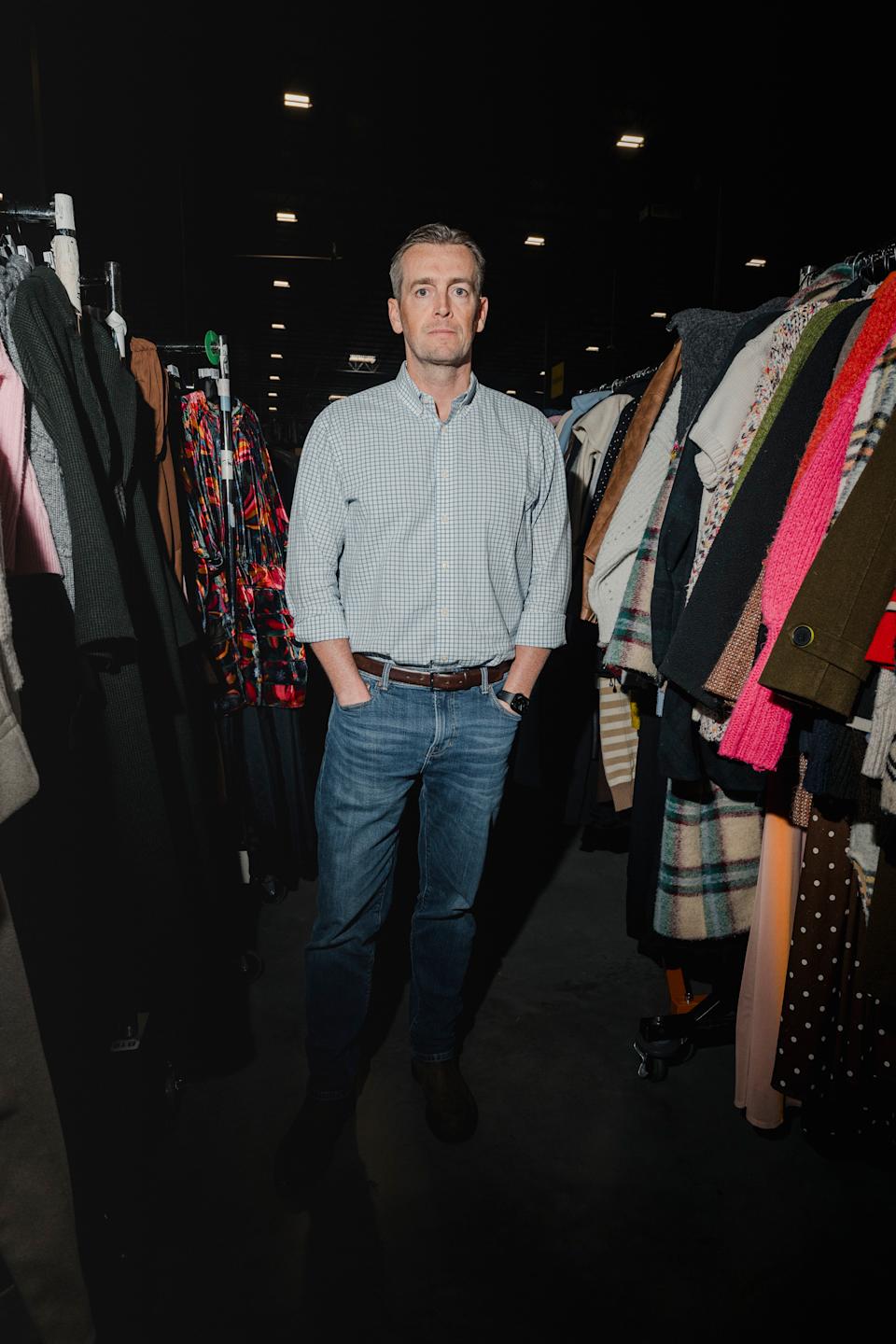
At URBN, “We think of ourselves as very consumer-oriented, like, trying to stay relevant to styles and fashion and social situations that our customers are experimenting with,” Dave Hayne says as he leads me around the floor of the Levittown fulfillment center. In the late 2010s, “the resale space felt busy.” Depop and Poshmark launched in 2011, while Mercari and Grailed came along in 2013.

The rental space, by contrast, felt less crowded, and “it just felt like we had something strategically there that would help us do well. We have a family of brands that we could fall back on. We had a lot of operational know-how and technology know-how that we could deploy. We had cash to invest,” Hayne says, ducking under a rail as a dozen identical shirts whiz by. “We knew we could do it, we just didn’t know if the customer would follow.”

They almost didn’t: Nuuly launched in the summer of 2019, and just months later faced the same existential threat virtually every business did during the pandemic. But as soon as Americans were back to work, Nuuly’s customer base clicked into place. This past February, the company announced it had logged a 50 percent year-over-year revenue increase, bringing in $568 million. It is now the largest apparel-rental operator in the United States, with more than 420,000 active monthly subscribers. (An April earnings call at Rent the Runway estimated its active subscriber base at 144,000.)

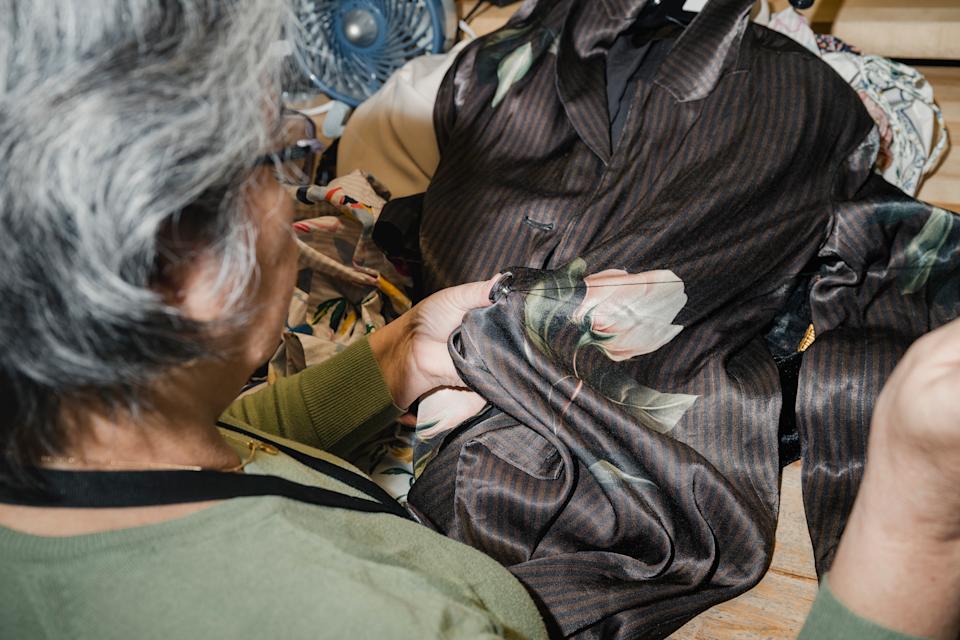
And now, the smaller of its two fulfillment centers houses several million garments in more than 26,000 styles. In 2025, tailors made 383,000 clothing repairs on-site.

Some ingredients in Nuuly’s secret sauce remain closely guarded. Its garment-tracking system, which digitally affixes information such as care instructions, repair history and rental history to a barcode heat-sealed into its labels, was developed in-house - and it’s the primary reason visitors to the fulfillment center aren’t allowed to take photos of any screens being used on the floor. The 16 steps in Nuuly’s post-laundering inspection rubric similarly are a trade secret - though one of them, I can tell you as an eyewitness, involves a literal smell test, in which an inspector sticks their face into each garment to collect data on whether it stinks.

Trade secrets may be a bit of a sore subject at Nuuly. In 2020, the now-defunct clothing-rental service Le Tote filed a lawsuit in a Pennsylvania federal court alleging that URBN had obtained proprietary information when exploring the possibility of acquiring Le Tote, only to instead launch Nuuly, a “copycat” rental service of its own. In 2024, a federal jury sided with URBN. “It’s not uncommon to see trade secret misappropriation lawsuits come about after a potential M&A process falls through,” says Julie Zerbo, a lawyer and founder of the publication the Fashion Law.

Clothing rental, Zerbo adds, can be a tricky business from a legal standpoint: One brand’s identity depends on access to other brands. “A lot of brands are very protective of their IP,” Zerbo says. If a rental company were to, for instance, use the names or logos of high-fashion labels in its inventory as advertising, “there might be some discomfort or displeasure from third-party brands.”

Pollard, the head of product, paints a much sunnier picture of brand relations. Nearly half of Nuuly’s inventory is stocked from its sister brands, while more than 500 others - including widely loved labels Favorite Daughter, Farm Rio, Anna Sui, Reformation and LoveShackFancy, among others - supply the rest. “We’re giving our customer a flavor of what that brand is all about,” Pollard says. “And then when they inevitably fall in love with it, they’ll go seek it out.”

Nuuly also shares rental and review data with the brands from which it buys, which can be a valuable perk of the partnership. “When my buying team goes out to the market, they come prepared: ‘Here’s how the brand did this past quarter. Here’s all the feedback around durability, around fit. Here is the customer who’s renting your brand and the other brands that they’re renting alongside it. How old are they? Where do they live?’” Pollard says. “That’s really helpful for brands who maybe are looking to expand their store footprint or just understand more about their customers.”

At this point in its history, seven years in, Nuuly’s main focus is “chasing demand,” says Hayne, the Nuuly president, as he leads me past what must be a hundred rolling clothing racks currently backlogged for inspection. “There’s been a lot of interest, and we’ve been trying to kind of keep pace with that.”

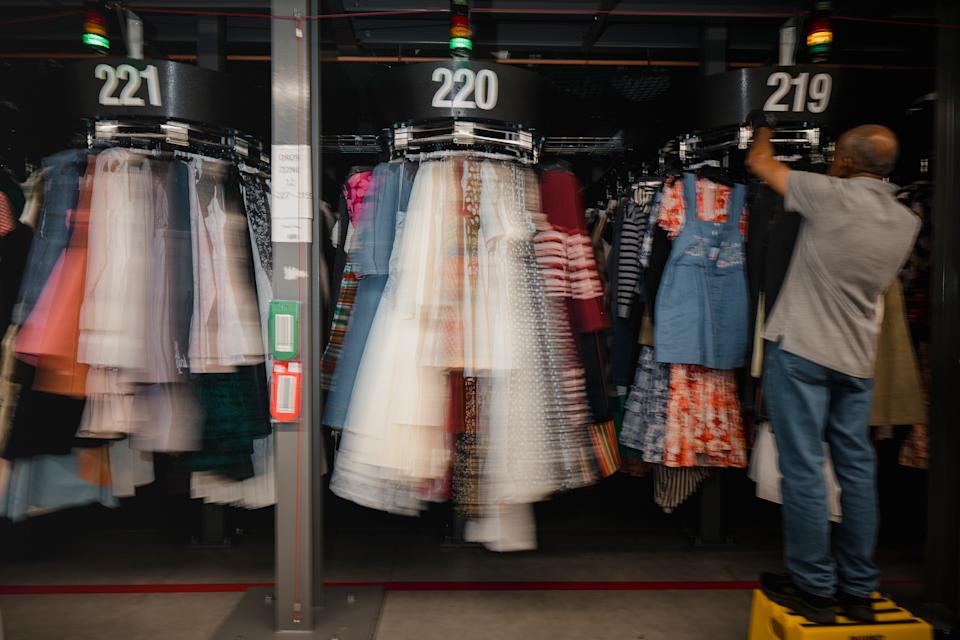
The company, Hayne adds, has already had to figure out how to stuff more stuff into this fulfillment center. It did so by building vertically, resulting in three stories of automated clothing racks stacked on top of one another. A sort of fun house dry cleaner that envelops you as you walk through.

“This is my favorite spot. It’s like a cavern,” Hayne remarks.

As he walks me away, a dozen or so floor workers show up to start the afternoon shift. They stretch out first - squats, windmills, toe touches, prepping for an athletic eight hours of dressing the practical fashionistas of young, female America.

CORRECTION: A previous version of this article misidentified Meg Hayne as Dick Hayne’s daughter. She is his wife.

Related Content