yahoo Press
6 Americans reportedly exposed to Ebola. What to know about the latest outbreak.
Images
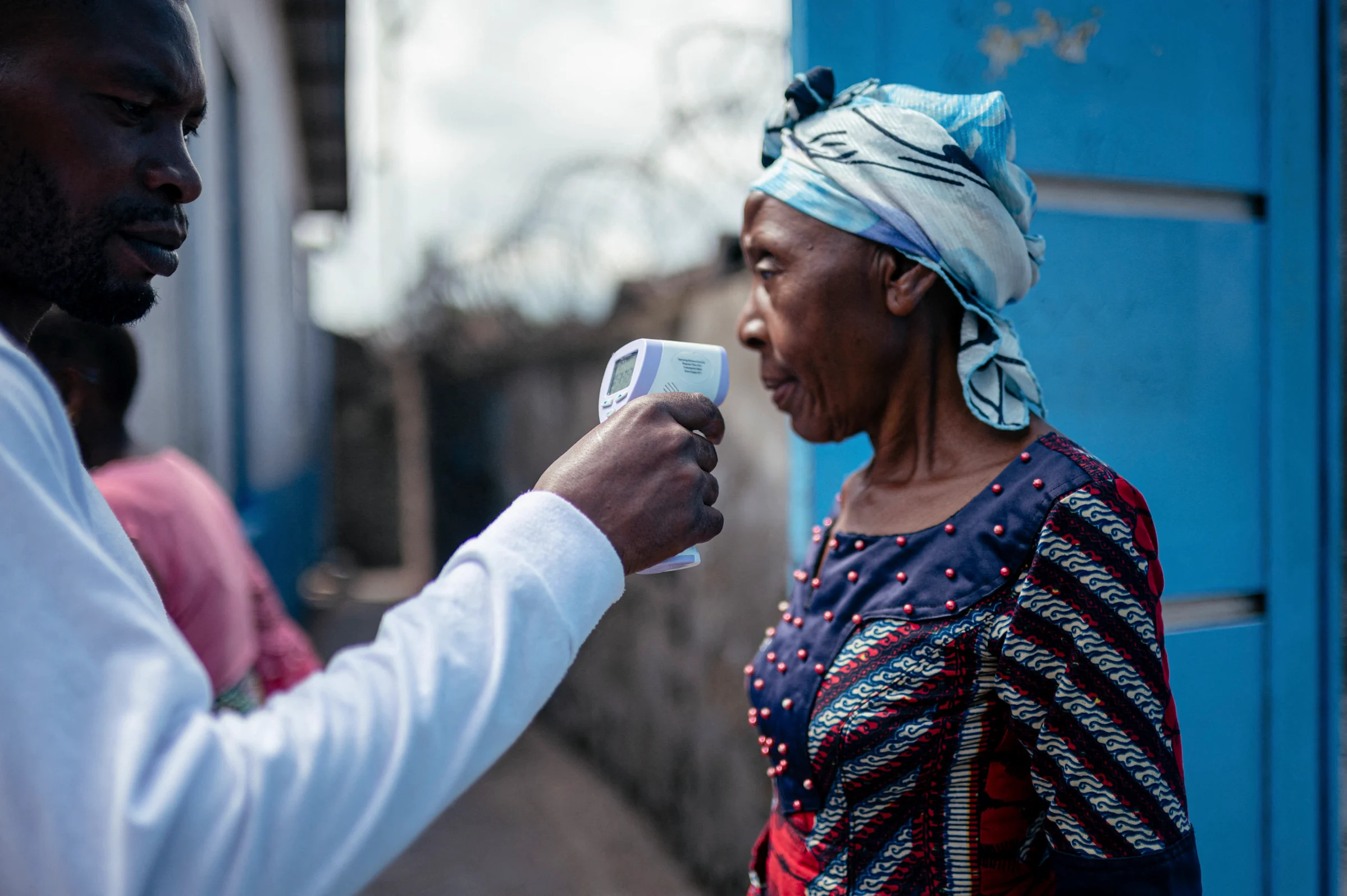
1 / 8
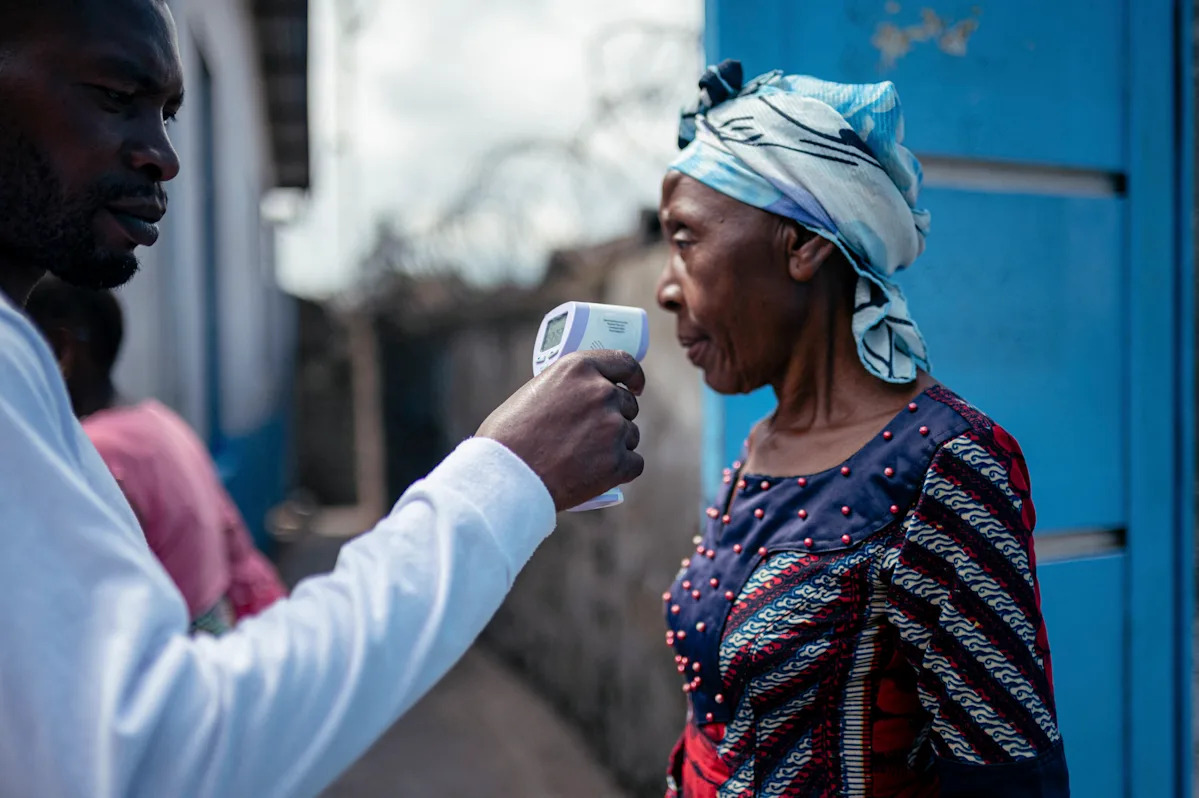
2 / 8

3 / 8

4 / 8

5 / 8
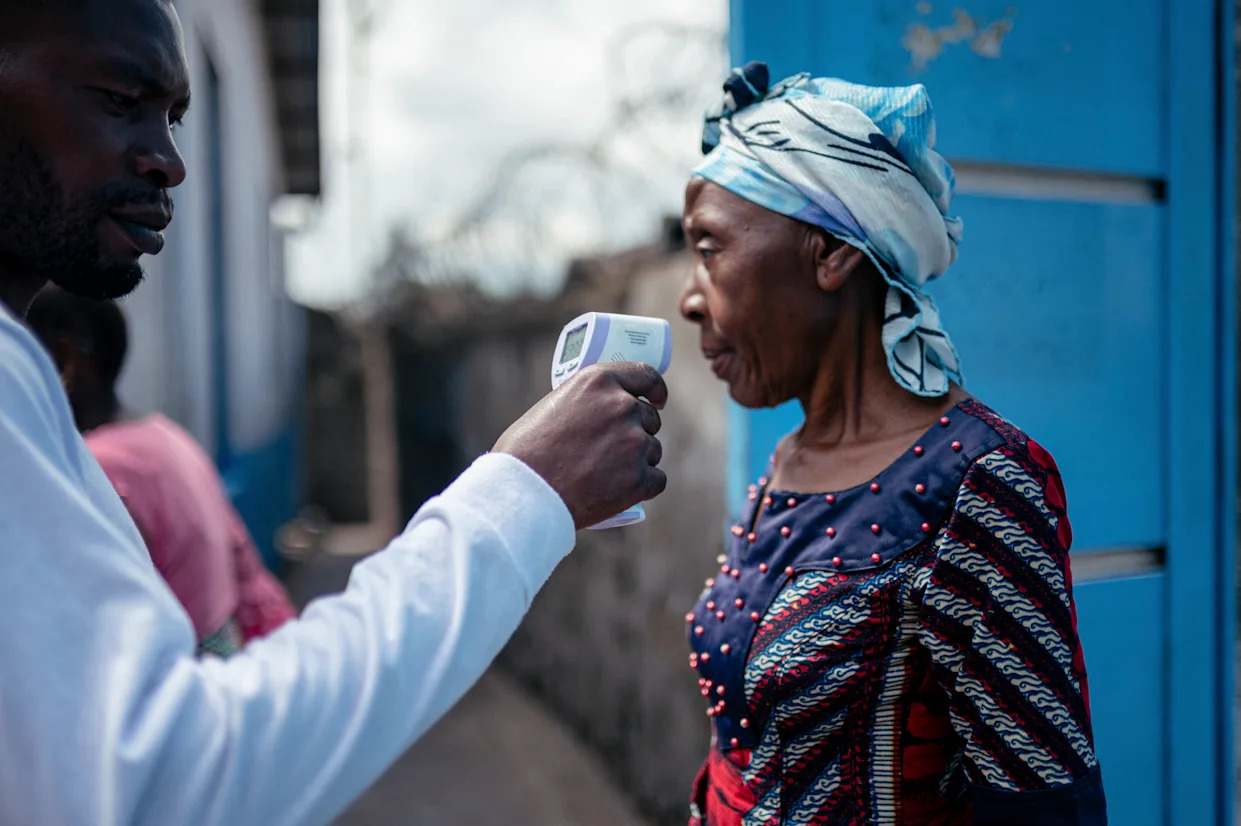
6 / 8

7 / 8

8 / 8
At least six Americans have been exposed to the Ebola virus in the Democratic Republic of the Congo (DRC), according to reports.

Three of the exposures were deemed high risk, while one American may have developed symptoms, CBS News reported, citing sources from international aid organizations.

At least 88 people are reported to have died in the outbreak, which has been declared a public health emergency by the World Health Organization (WHO).

The Centers for Disease Control and Prevention (CDC) said it was supporting interagency partners "who are actively coordinating the safe withdrawal of a small number of Americans" affected by the outbreak.

It added, "The risk to the American public remains low."

Here is all you need to know about the outbreak.

There have been 336 suspected Ebola cases and 88 deaths as of May 17, according to the Africa Centers for Disease Control and Prevention. DRC accounts for all but two of the cases, both of which were reported in neighboring Uganda.

The CDC advised Americans in DRC and Uganda to "practice enhanced precautions" and avoid people with symptoms.

The earliest known suspected case, a 59-year-old man, developed symptoms on April 24 and died at a hospital in Ituri on April 27. Ituri is a remote province in DRC, more than 1,000km from the capital, Kinshasa.

The current strain of Ebola is caused by the rare Bundibugyo virus, which was first detected in 2007. There are no approved drugs or vaccines for the strain.

More than 20 Ebola outbreaks have taken place in DRC and Uganda, but this is only the third time that the Bundibugyo virus has been detected.

The fatality rate for the Bundibugyo strain is estimated to be between 25-40%, according to Doctors Without Borders.

The WHO has declared the Ebola disease outbreak a public health emergency of international concern. But it said the outbreak does not meet the criteria for a pandemic emergency like COVID-19 and advised against closing international borders.

WHO Director-General Tedros Adhanom Ghebreyesus said there were "significant uncertainties" regarding "the true number of infected persons and geographic spread."

He added: "In addition, there is limited understanding of the epidemiological links with known or suspected cases."

The Ebola virus is highly contagious and causes a rare but severe and often fatal illness in people.

Symptoms include fever, vomiting, diarrhea, muscle pain and bleeding.