buzzfeed Press
73 Mixed-Race Celebrities Who Have Actually Talked About Their Multiracial Identity
Images
1 / 20
2 / 20

3 / 20

4 / 20
5 / 20
6 / 20
7 / 20
8 / 20
9 / 20
10 / 20
11 / 20
12 / 20
13 / 20
14 / 20
15 / 20
16 / 20
17 / 20
18 / 20
19 / 20
20 / 20
“When you’re mixed, everyone wants to measure your ’enough-ness.’”

Note: This post contains mention of suicide.

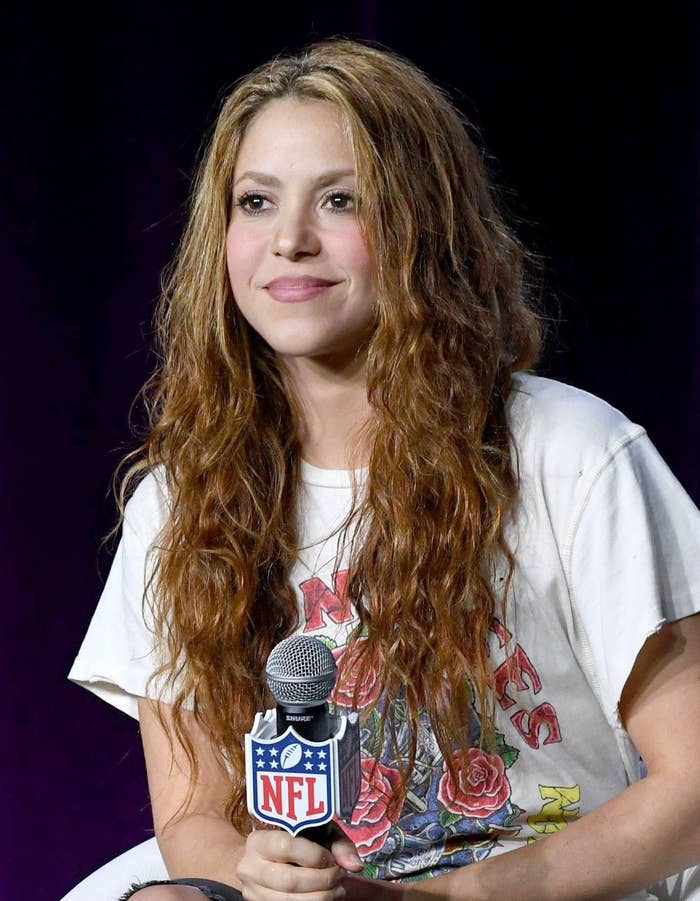
Shakira is of Colombian and Lebanese heritage. In a 2002 interview with Faze magazine, Shakira said, "I am a fusion. That’s my persona. I’m a fusion between black and white, between pop and rock, between cultures — between my Lebanese father and my mother’s Spanish blood, the Colombian folklore and Arab dance I love, and American music."

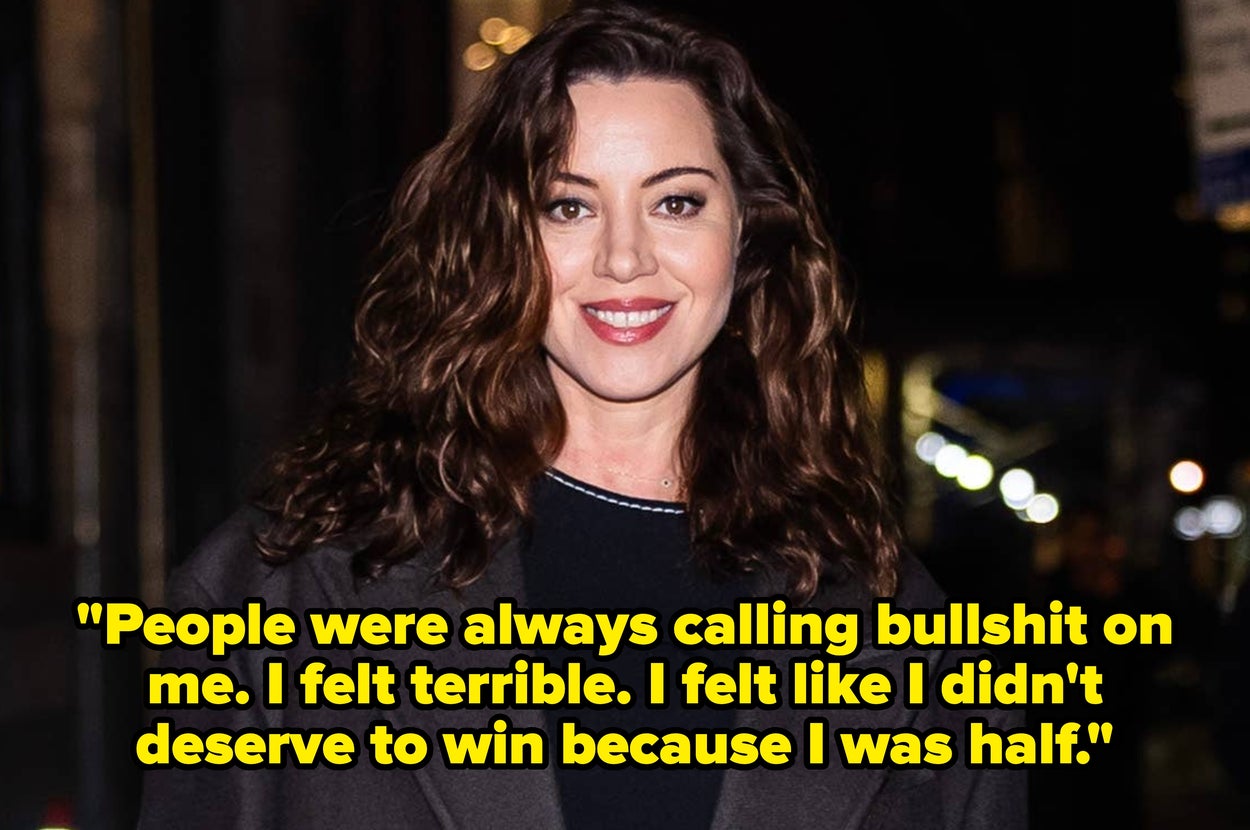
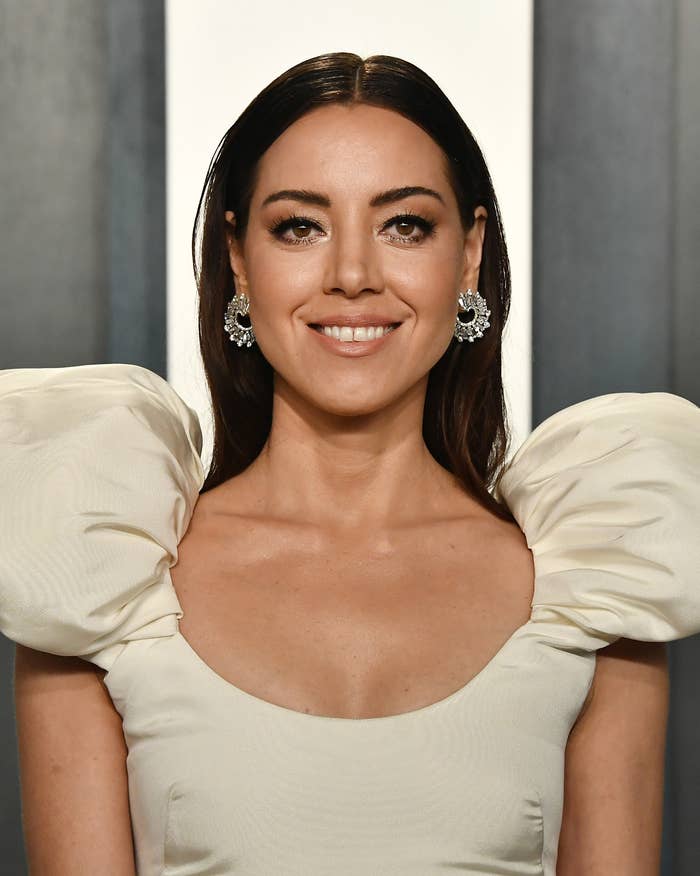
Aubrey Plaza is of Puerto Rican and Irish heritage. In an interview with Latina magazine, Plaza explained how she struggled with her identity, "I was winning the diversity awards and people were always calling bullshit on me. I won the Hispanic teenager of the year and I felt terrible. I always felt like I didn’t deserve to win because I was really half [Latino]."

In a 2013 interview with Cosmopolitan for Latinas, Plaza noted, "A lot of people don't assume I'm Puerto Rican because I’m fair-skinned, but I feel very connected to that side of my family. ... My aunts and uncles used to teach my friends salsa at all my birthday parties in middle school. It. Was. Awkward."

When asked how she identifies in a 2020 interview with host Jack Rico on the 'Highly Relevant' podcast, Plaza responded, "Honestly, the first thing I usually say is I'm half Puerto Rican. The Puerto Rican part is usually the thing I lead with because, just culturally, that's how I grew up. I identify with my Puerto Rican family probably more than anything else. I am half Irish, my mom's Irish. My mom was also adopted by an Irish Catholic family so I grew up partially with Irish Catholic family ... but the Puerto Rican side of my family felt a little more like, you know, that was home for me."

She concluded, "I'm half, but I'm still Puerto Rican."

Hudson Williams is of Korean and white (British and Dutch) heritage. His mother is Korean and his father is of British and Dutch descent. In a 2025 GQ profile, the Canadian Heated Rivalry breakout star — who plays half-Japanese, half-white hockey player Shane Hollander on the Crave series — opened up about his hopes for the show's representation: "I hope that little Asian kids are like, 'Ooh, I want to become an actor,' after watching the show."

In a 2025 interview with The Permanent Rain Press, Williams reflected on what playing an Asian Canadian lead character meant to him and his Korean mother: "I think it meant a lot to me and my mom. She always thought it would be harder for me to break into film and acting because she hadn't really seen [any leading actors of Asian descent]."

He also told The Cut that his interest in K-beauty was a natural extension of his heritage: "My interest in beauty was always bound to be there, being half Korean. My one auntie is the plug. She gets skin-care products for me every birthday and every Christmas."

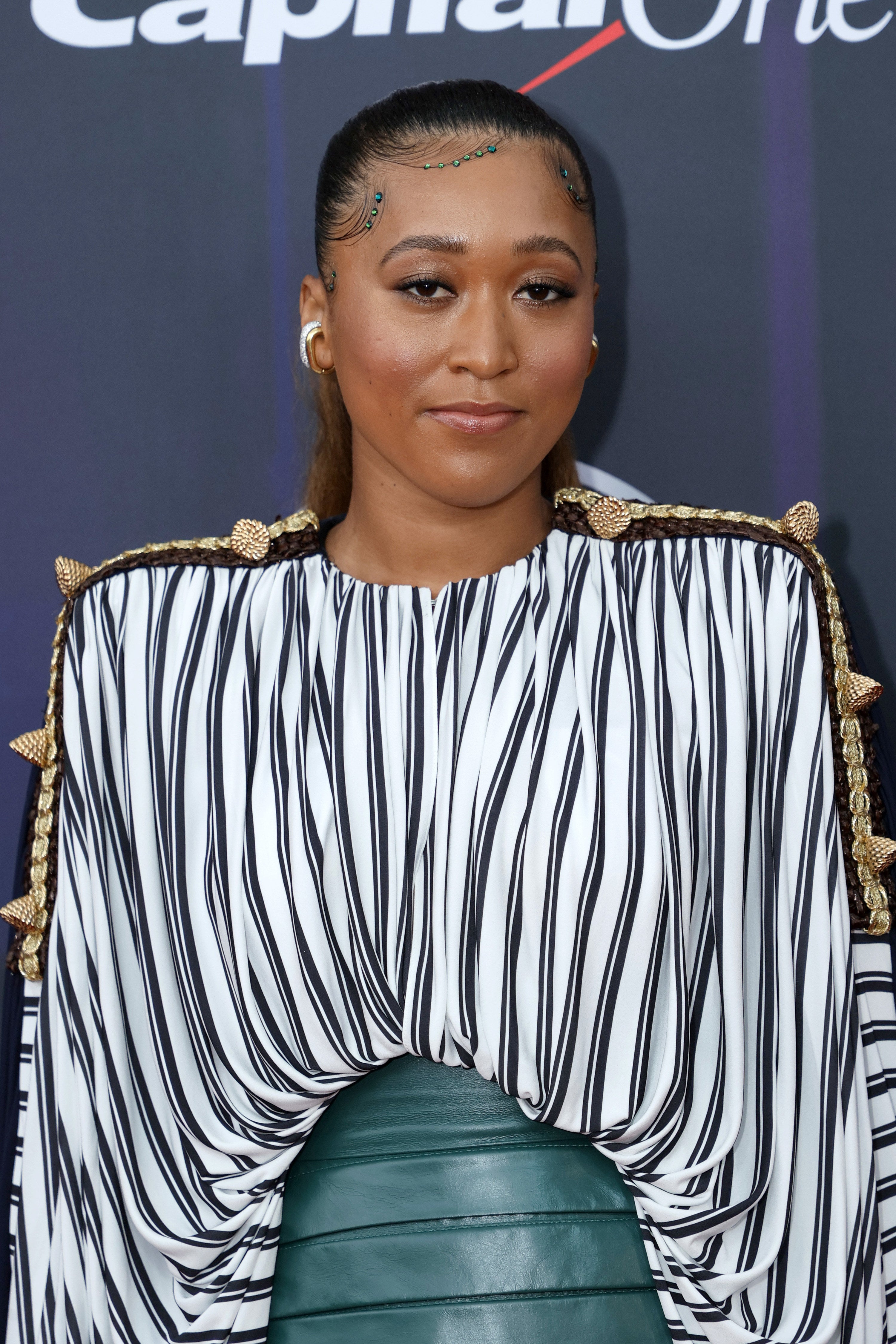
Naomi Osaka is of Haitian and Japanese heritage. In a 2020 interview with WSJ Magazine, Osaka said, "I’m just trying to put a platform out for all the Japanese people that look like me and live in Japan and when they go to a restaurant, they get handed an English menu, even though it’s just a little microaggression."

She also opened up about a time when she was younger and playing against a Japanese opponent: "She was talking with another Japanese girl, and they didn’t know that I was listening [or that] I spoke Japanese. Her friend asked her who she was playing, so she said Osaka. And her friend says, ‘Oh, that Black girl. Is she supposed to be Japanese?’ And then the girl that I was playing was like, ‘I don’t think so.' I remember that specifically because, yeah, I sometimes feel like a lot of people think that way about me."

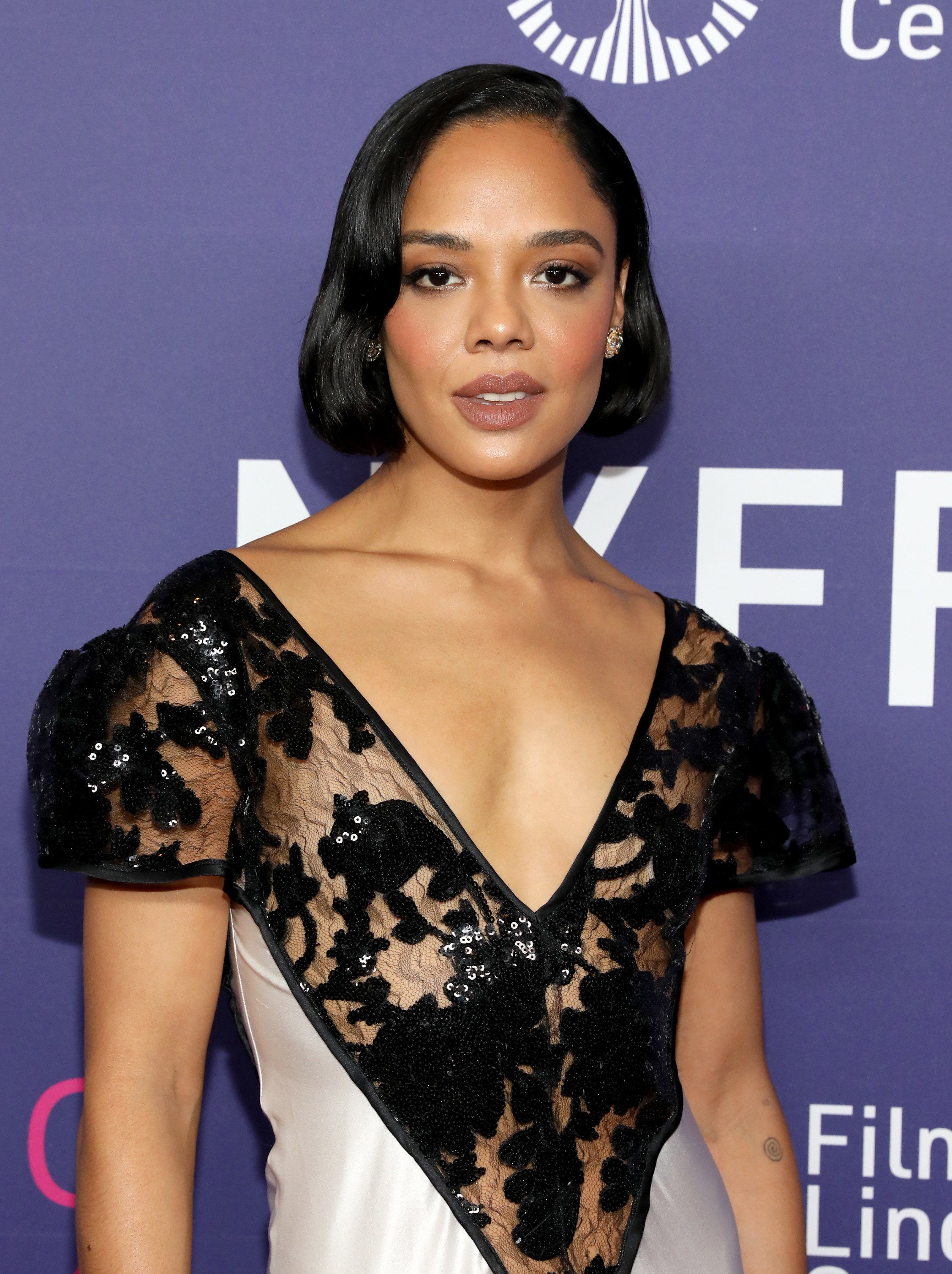
Tessa Thompson is of Afro-Panamanian and Mexican heritage. While being honored at the 11th annual ESSENCE Black Women in Hollywood luncheon, as quoted in a 2020 Essence article, Thomspon said, "I want to acknowledge someone who is not Black and is not in the room because she couldn’t be, but it’s my mother. Her father, my grandfather, was of Mexican descent. He was a performer in a time where there were very few of them. He was the only, very often, and I think because of this, he had a real pressure to assimilate because he didn't want my mother to speak Spanish."

She continued, "My mom is a woman of color even though she might not be readily identified as such, and I feel like because of that, she always gave me space to explore my identity; get in touch with who I am. She understood the void of not having enough guidance, in that. Even though she is not a Black woman, throughout my life, she filled me with such pride of being one."

"She told me that my broad features and my brown skin looked beautiful when classmates did their best to convince me otherwise. She went to a beauty supply store with me, where she bought an eco relaxer, which we were prepared to apply together. But she was proud and patient when I decided I wanted to keep my then crusty, crunchy, over-gelled curls. Because she realized that being the fullest expression of yourself is an act of bravery. She wanted me to be brave and because of her, I aim to be," she finished.

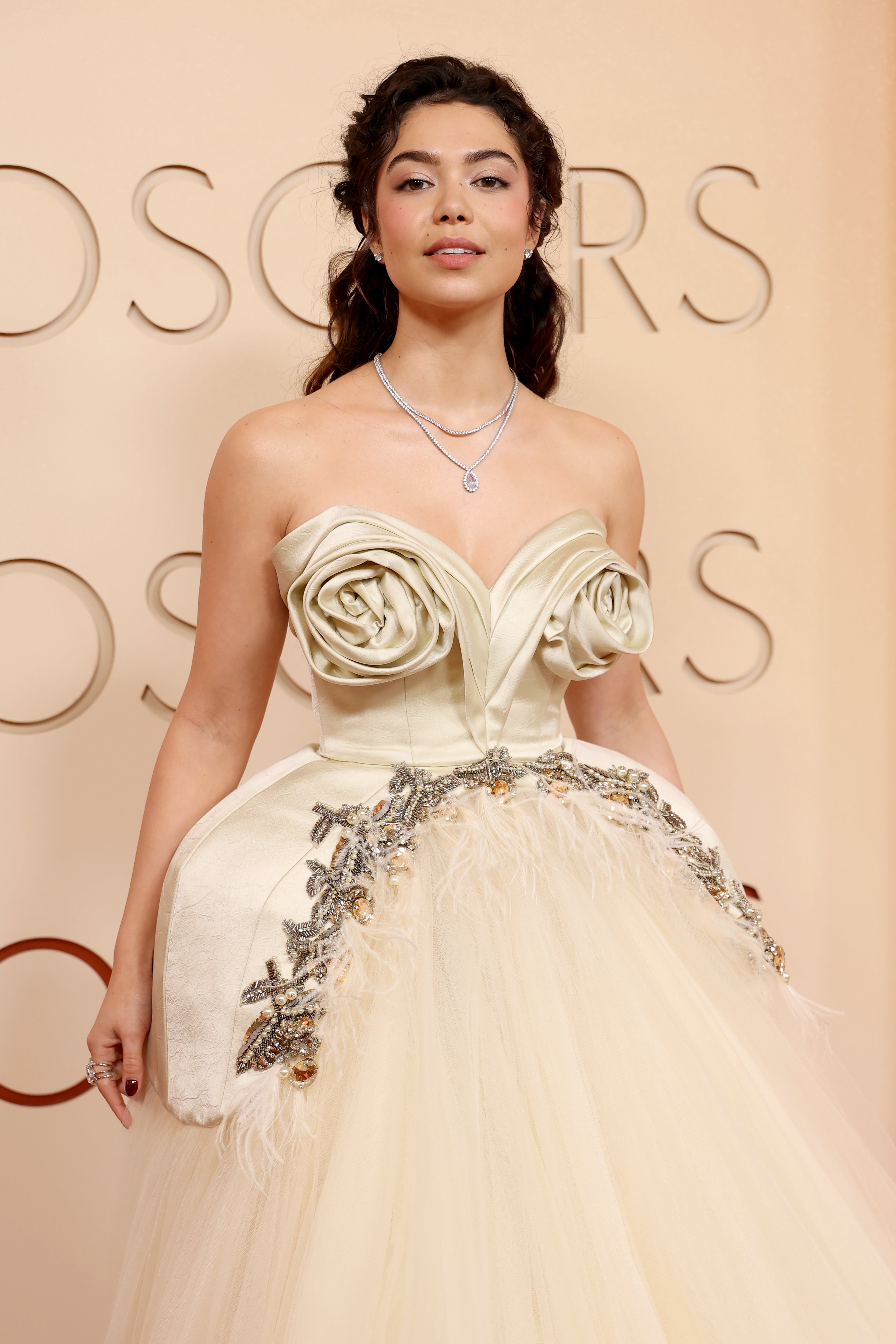
Auli'i Cravalho is of Native Hawaiian, Puerto Rican, Portuguese, Chinese, and Irish heritage. In fact, her last name, "Cravalho," is a misspelling of the Portuguese name "Carvalho." In a 2022 interview with StyleCaster, Cravalho opened up about how she was typecast when auditioning after the Moana hype settled down: "People didn't know my face, and when casting did see my face, they'd say, 'You're racially ambiguous.' I'm like, 'That's a new term. I've never heard that one before,' which left me even more internally confused because my identity has always been Hawaiian.

"Suddenly, all of these phrases were thrust at me: 'Well, you're white-passing, but you're also racially ambiguous, so you can play Latinx, you can play Asian, you can play all of these different things.' I was like, 'I just want to play smart women. The bar is there,'" she said.

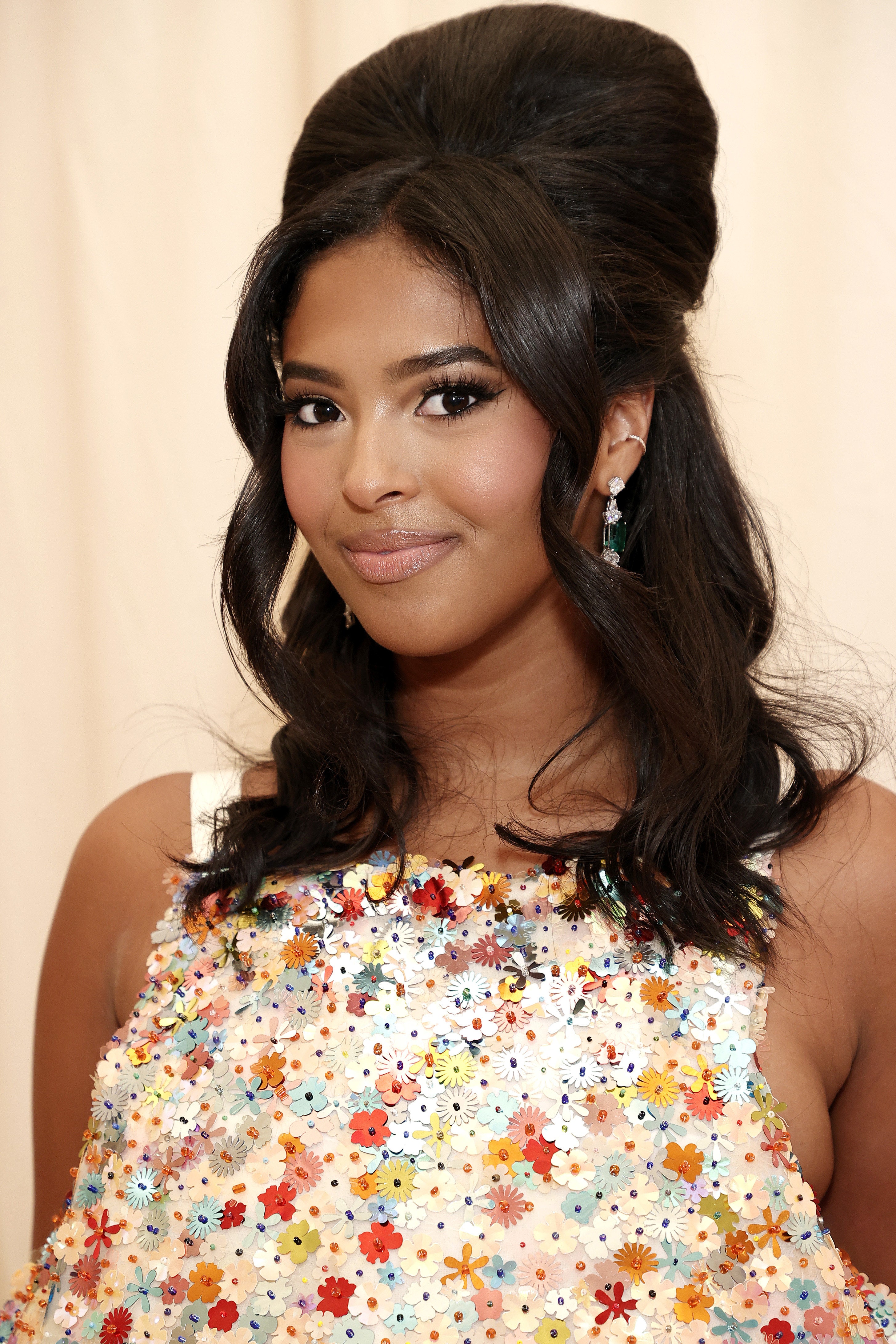
Natalia Bryant is of Black and Mexican heritage. In a 2021 interview with Teen Vogue, Bryant, when discussing her name, shared, "I have no idea why I’m named Natalia. My mom just picked out my name. Diamante in Spanish is diamond and my nickname is Nani, which in Hawaiian means beautiful."

When discussing how mother, Vanessa, and grandmother already spoke Spanish, and her father, Kobe, having already spoken Italian, picked up Spanish by watching telenovelas, she commented, "I'm biracial. When I was younger, I didn't really understand … how I’m both. As I got older, I was able to understand."

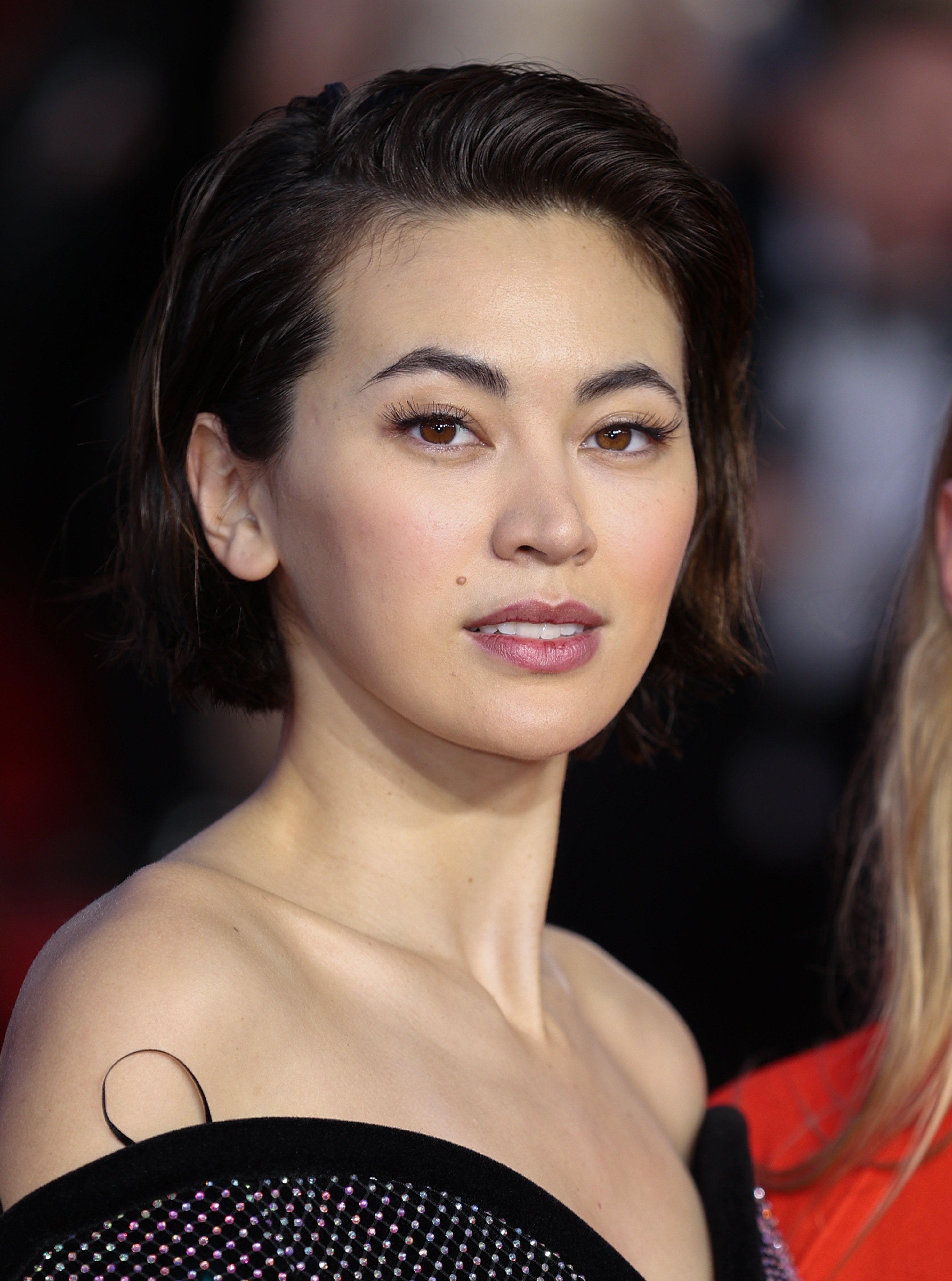
Jessica Henwick is of Zambian English and Chinese Singaporean heritage. In a 2020 interview with Hapa Magazine, Henwick talked in detail about her identity: "When I first visited Hawaii, I was called Hapa all the time. It's nice to acknowledge mixed-race ancestry — it's more than just DNA. It's about your interests, your palate...being raised with a foot in two different cultures. The beauty of that, as well as the obstacles you face."

As for her own childhood in England, Henwick shared, "I grew up in an area with no Asians. My brothers and I were the first non-white students at our school. It was rough, I won't lie. But it built in me a mental armor that got me to where I am today. I find it interesting to look back at just how effectively I would compartmentalize. I think anyone who has grown up between two cultures can understand this. I would completely code switch, depending on where I was and who I was with.

I had two lives; the first where I went to a Roman Catholic school, ate mashed potatoes at lunch, and played Conkers with the kids in the playground, and the second where I would spend months with my Ma running up jungle trails in Ipoh, staining my hands purple with mangosteen and bathing out of a rainwater bucket.

When I would go to Singapore or Malaysia, our friends there would struggle to understand my British accent for the first few weeks. And when I returned to the UK, my school friends would laugh at me because my voice had changed, they said. I could not for the life of me hear it, but I'm sure they were right."

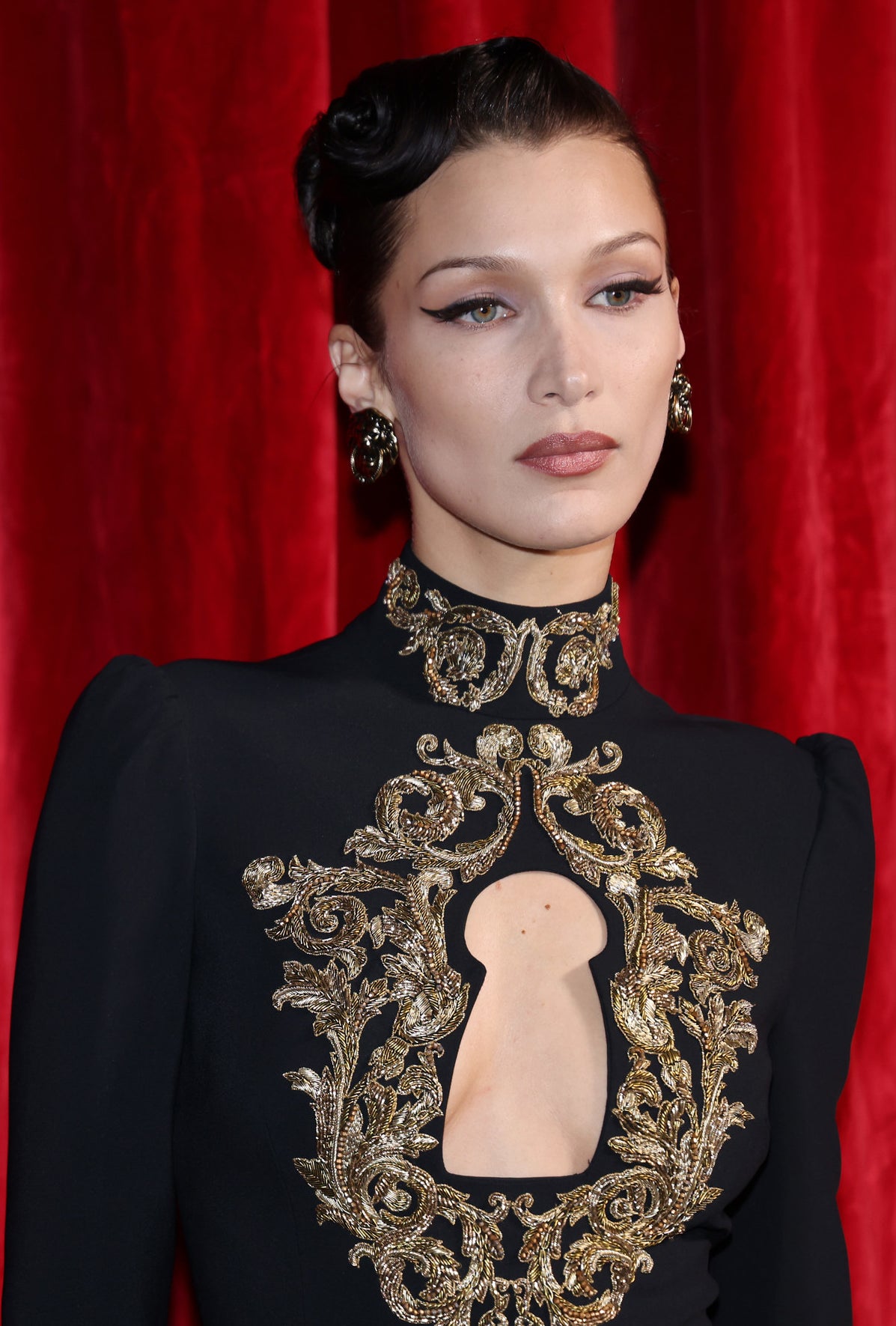
Bella Hadid, born Isabella Khair Hadid, is of Dutch and Palestinian descent. In the past, Hadid has made headlines for supporting Palestinian independence and sparking conversations around Eurocentric beauty standards when she revealed she regretted getting a nose job at age 14 in a 2022 Vogue interview, saying, "I wish I had kept the nose of my ancestors. I think I would have grown into it.”

Hadid's father, Mohammed Hadid, immigrated to the US after he and his family had fled to Syria during the war in 1948. Hadid described her experience visiting Abu Dhabi's Sheikh Zayed Grand Mosque as the best day of her life in a 2018 Harper's Bazaar interview:  "I was talking to all of these Arab women and men, and finally understanding the culture a lot more than I ever really have. He would teach us about it and we would go and do Eid with my family and we would do Ramadan — I did that since I was a kid. Once I got older I was working and going to school so I couldn’t fast for as long. My dad, he’s so passionate about it, and that’s what kept me very passionate and excited about my roots.”

In a 2022 interview on Libyan-American journalist Noor Tagouri's podcast Rep, Hadid discussed how her relationship to her identity has evolved and her activism for Palestine: "When I was 14, I wrote, 'Free Palestine,' on my hand literally with flowers in paint. And I was being called names and being immediately blasted as a person of hatred for another people." She also shared that she was told her father was "a terrorist by the head of the football team."

Regarding her support for Palestine, Hadid revealed, "I had friends that completely dropped me. Even friends that I’ve been having dinner at their home on Friday nights for seven years now, just won’t have me at their house anymore. ... If I started speaking about Palestine, when I was 20, I wouldn’t have gotten the recognition and the respect that I have now. I had so many companies stop working with me.” In spite of the backlash, Hadid said she has no fear about speaking up for Palestine: "I really believe that it’s like what happens, happens, and what is going to happen is bigger than me. If I lose every job, the reason why I did all of the work that I did was to get to this point."

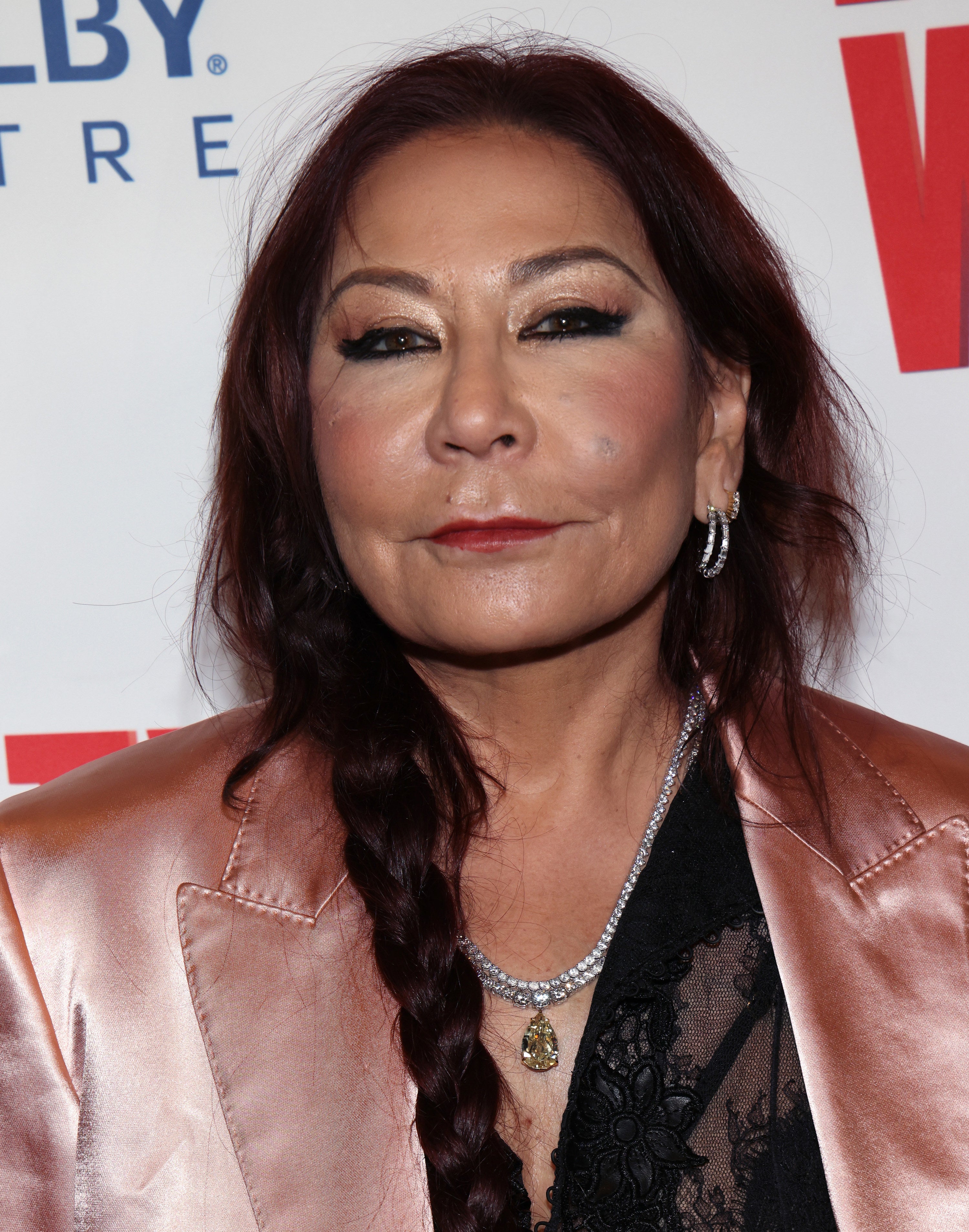
Anna Shay is of Russian and Japanese descent. In a 2022 interview with JoySauce and Mixed Asian Media, Shay reflected on growing up in Japan before moving to Los Angeles: "I don't think I really knew the difference when we moved from there to here. I went to an international school. My father is American, but his parents immigrated from Russia. My mom was Japanese and a quarter Russian, actually."

She then talked about how she didn't feel any pressure to prove her Asian-ness, explaining, "I think that when people put themselves into a category, they're putting themselves into those categories. They're cutting themselves off from anything that they can venture into in this great big world. I think the best thing is just to grow up and know who you are. You're going to make mistakes. You may not understand certain things, but I'm blessed to have the parents that I had. They taught me to know who you are to believe in yourself.

So, the being Asian, or half, really never really entered my life. I did see things that were a little odd. I’d be at school and I’d talk in Japanese with my mom. When my family moved from Japan, not many people here spoke a second language. So it's all how you look at things, right? Being able to speak Japanese was great."

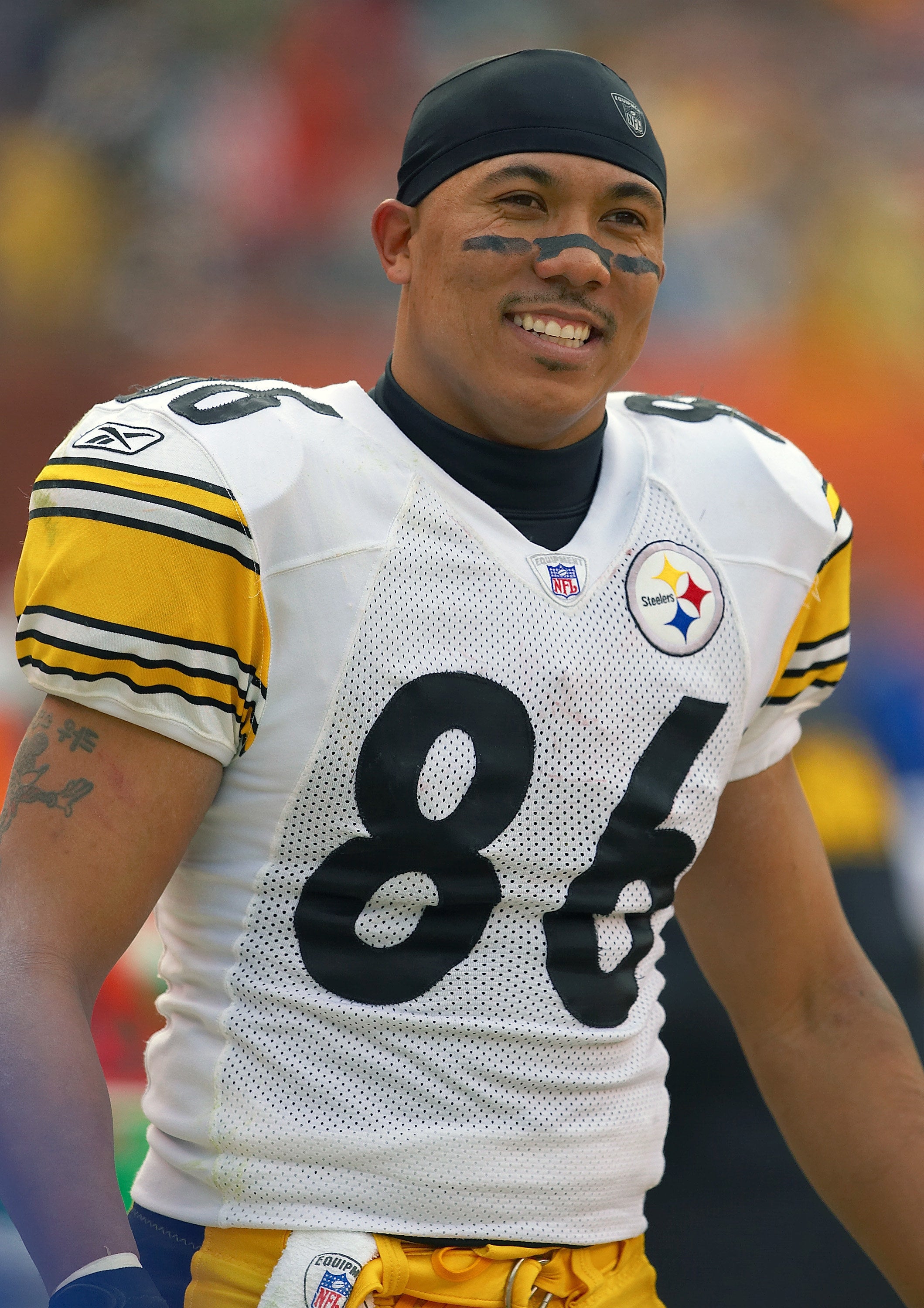
Hines Ward is of Black and Korean heritage. In a 2009 interview with the New York Times, the current football coach and former wide receiver opened up, "It was hard for me to find my identity. The Black kids didn't want to hang out with me because I had a Korean mom. The white kids didn't want to hang out with me because I was Black. The Korean kids didn't want to hang out with me because I was Black. It was hard to find friends growing up. And then once I got involved in sports, color didn't matter.”

When discussing the ostracism and discrimination mixed-race children in South Korea face, Ward said, "It's a great culture. I love everything about it. But there's a dark side to that culture. And me, I’m just trying to shed a light on that dark side and make Korea a better place than it already is."

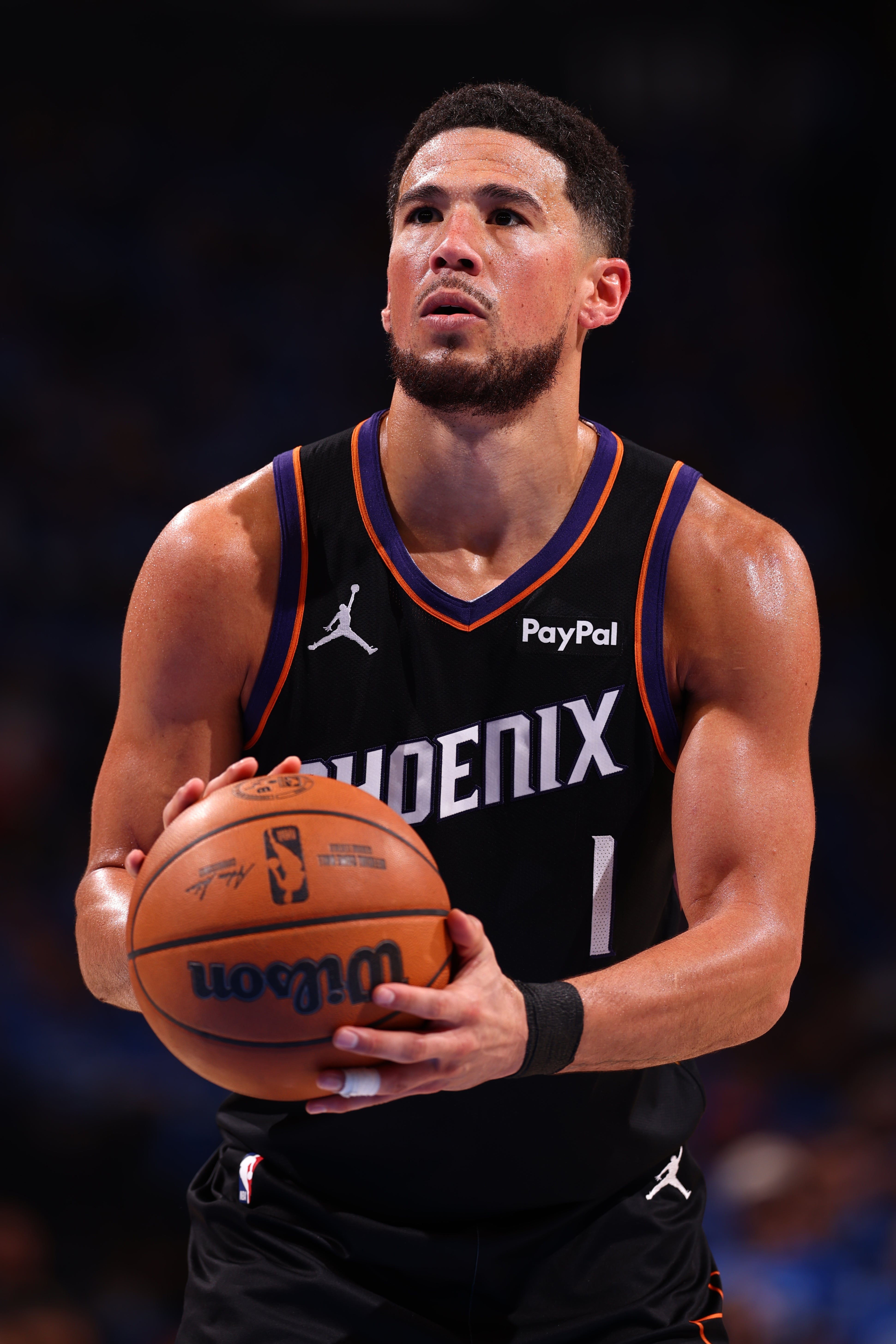
Devin Booker is of Black, Mexican, and Puerto Rican heritage. His father, former professional basketball player Melvin Booker, is African American, while his mother, Veronica Gutiérrez, is Mexican American with Puerto Rican roots. In a 2021 interview with ABC15, Booker reflected on growing into his Mexican identity after moving to Phoenix: "My Mexican culture has taught me a lot about myself. It's something that's not too late to learn because, at the end of the day, this is what makes up me."

He continued, "Some of my favorite times as a child was my mom whipping up, you know, original Mexican dishes that she learned from her father or when we got the chance to visit my grandpa on the weekend." Booker noted that growing up in Grand Rapids, Michigan, he didn't have much exposure to the culture beyond his immediate family. "But living around it and the culture and getting to see it day to day is a lot better."

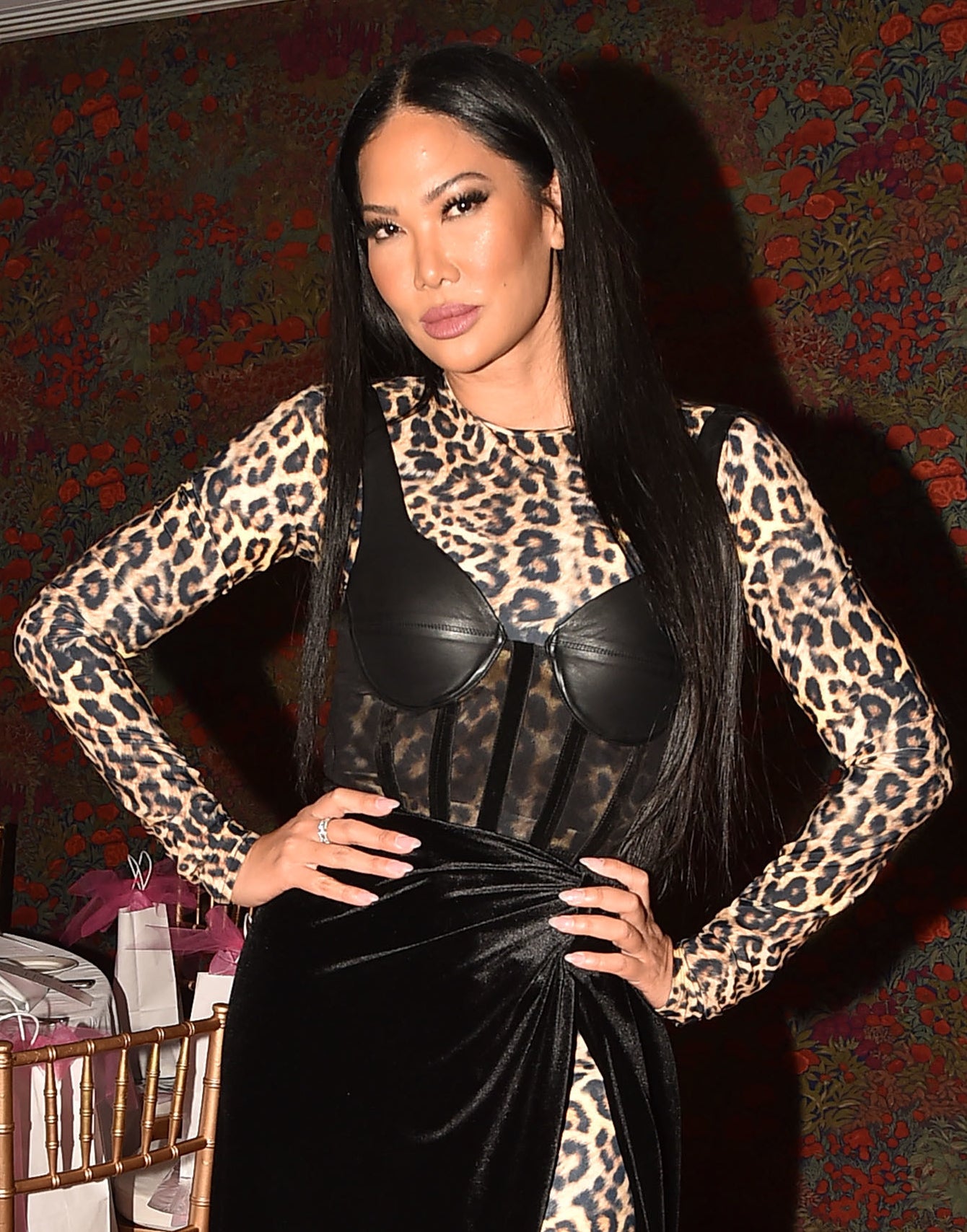
Kimora Lee Simmons is of Black, Korean, and Japanese heritage. In an article for Working Mother, she wrote, "I was a loner growing up. I was a mixed-race girl with a Korean-Japanese mother and an African American father, and none of the other kids at my school were like me. I was nearly six feet tall by the time I was 11 years old. And I was an only child being raised by a single mother."

She then revealed, "They called me 'chinky giraffe.' I cried all the time. But my mother wanted me to turn my tears into something else, something positive." So her mother signed her up for modeling, where Karl Lagerfeld eventually dubbed her "the face of the 21st century."

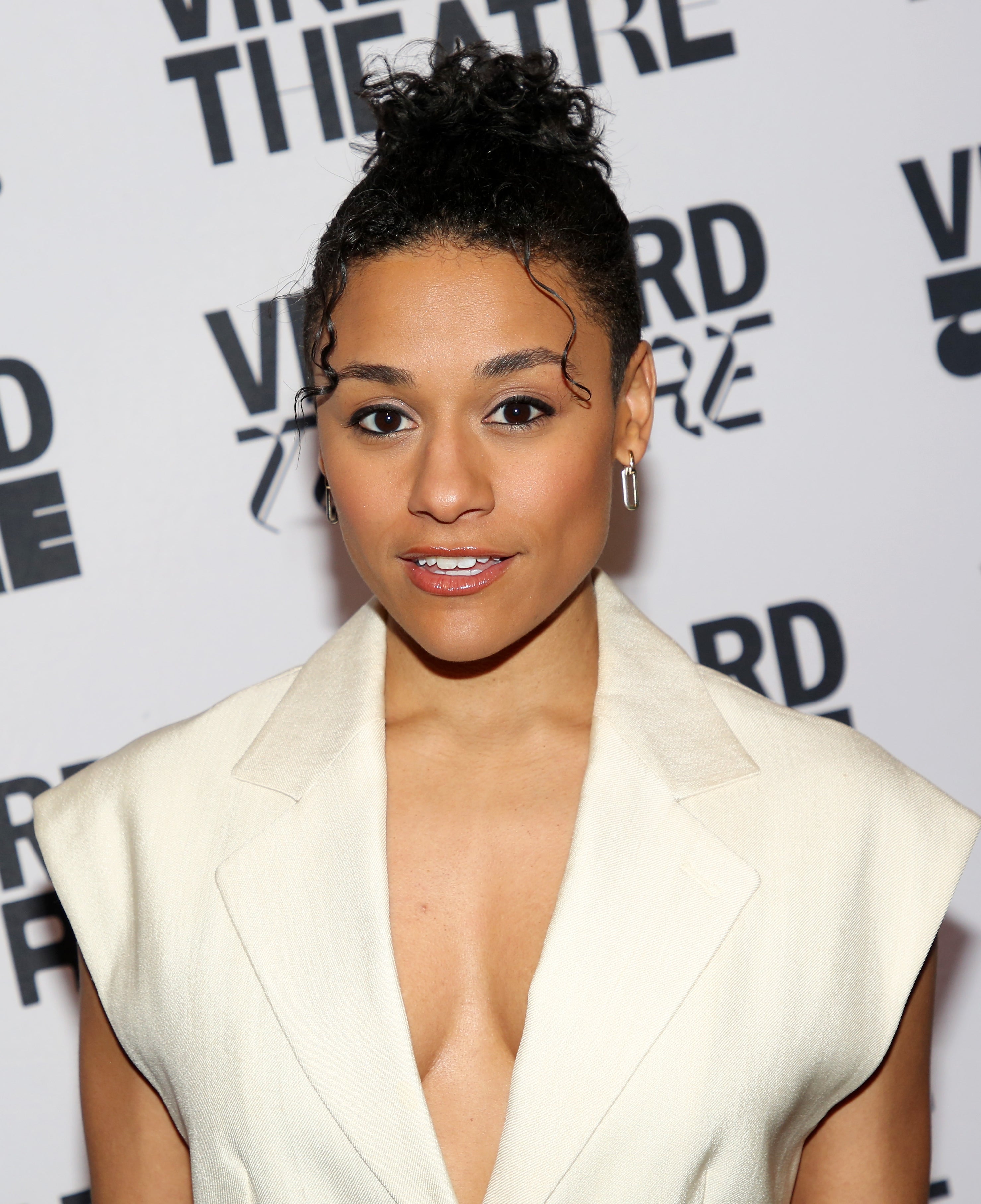
Ariana DeBose is of Puerto Rican, Black, and Italian heritage. Her father is Puerto Rican and her mother is white. In a 2022 interview with TheWrap, DeBose discussed her experience as an Afro-Latina playing Anita in Steven Spielberg's West Side Story: "I've made no secret of the fact that I'm a mixed-race individual. My mother is white and my father is Puerto Rican and I didn't grow up with access to my culture. When I was growing up, I was one of the only people who looked like me in my community. West Side Story gave me the opportunity to completely immerse myself in a way that I had not been afforded until then. So for me, West Side Story has been an incredibly healing project."

In a 2020 conversation with Variety's Awards Circuit podcast, DeBose elaborated on her identity: "There's never been anybody who said 'YES' to this, being Puerto Rican. The journey of identity is one that I'm still on. Trying to invite people to join the conversation in a way that's conducive. In the conversation around Black Lives Matter, Afro-Latinx people, we are part of that conversation. I want to encourage my brothers and sisters to join it because when we walk down the street, we're Black."

When DeBose became the first Afro-Latina and openly queer woman of color to win an Oscar in 2022, she said in her acceptance speech: "When you look into her eyes, you see an openly queer woman of color, an Afro Latina, who found her strength in life through art. ... So to anybody who's ever questioned your identity ever, ever, ever or you find yourself living in the gray spaces, I promise you this: There is indeed a place for us."

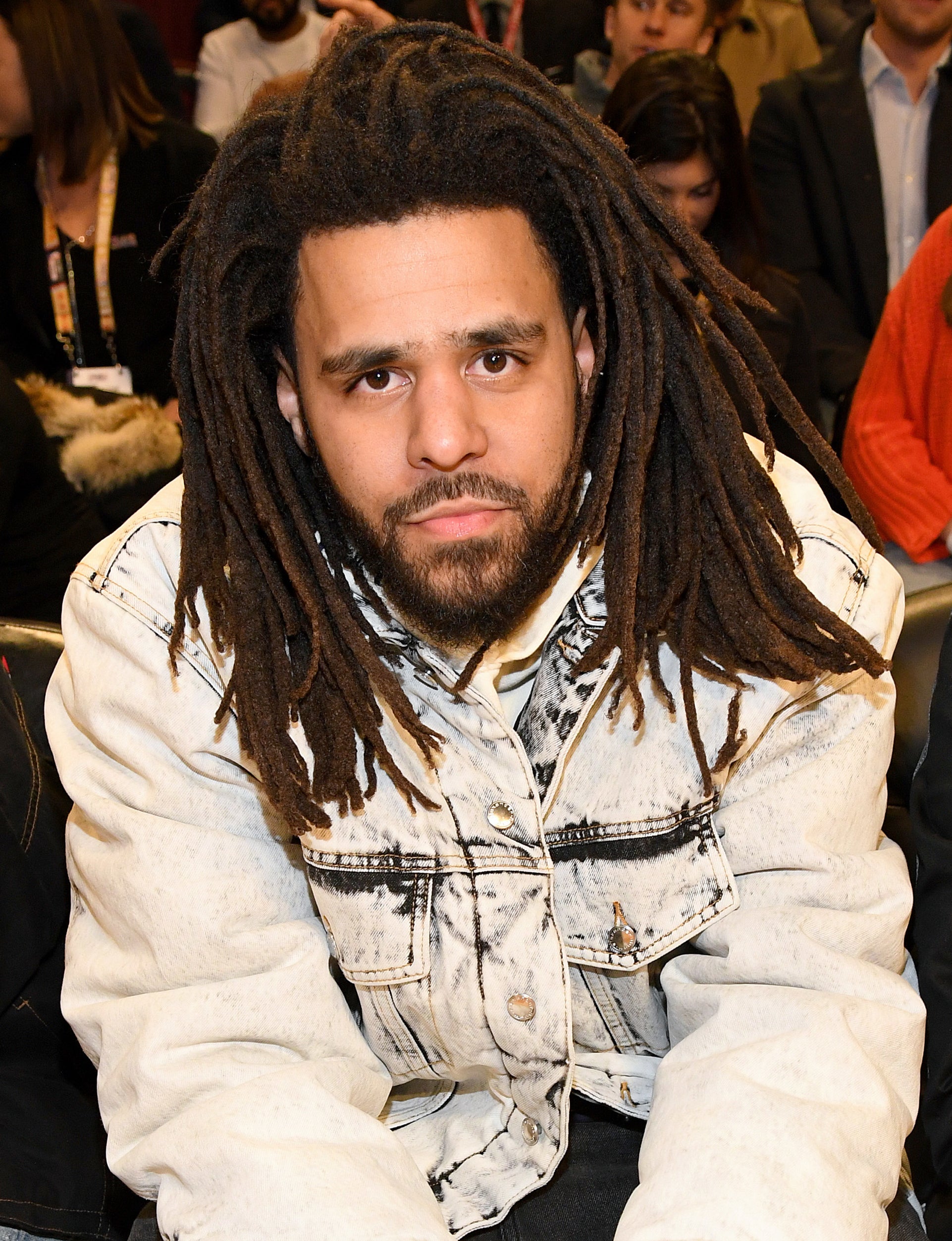
J-Cole, born Jermaine Lamarr Cole, is of Black, Irish, German, English, and Scottish heritage. In a 2011 interview with XXL Mag, when asked how he deals with his racial identity, J-Cole answered, "You know what it is? My mother was white, but to me, I never looked at her like that. I would only become aware of that when we were in public or when she would pick me up from school. I would be like, 'Oh, man, everybody gonna see my mom is white. I know I’m about to get clowned.' You would get clowned on in fourth or fifth grade. ... That was the only time I’d be aware."

He concluded, "I can identify with white people, because I know my mother, her side of the family, who I love. ... But at the end of the day, I never felt white. I don’t know what that feels like. ... I identify more with what I look like because that’s how I got treated. Not necessarily in a negative way. But when you get pulled over by the police, I can’t pull out my half-white card. Or if I just meet you on the street, you’re not gonna be like, 'This guy seems half-white.'"

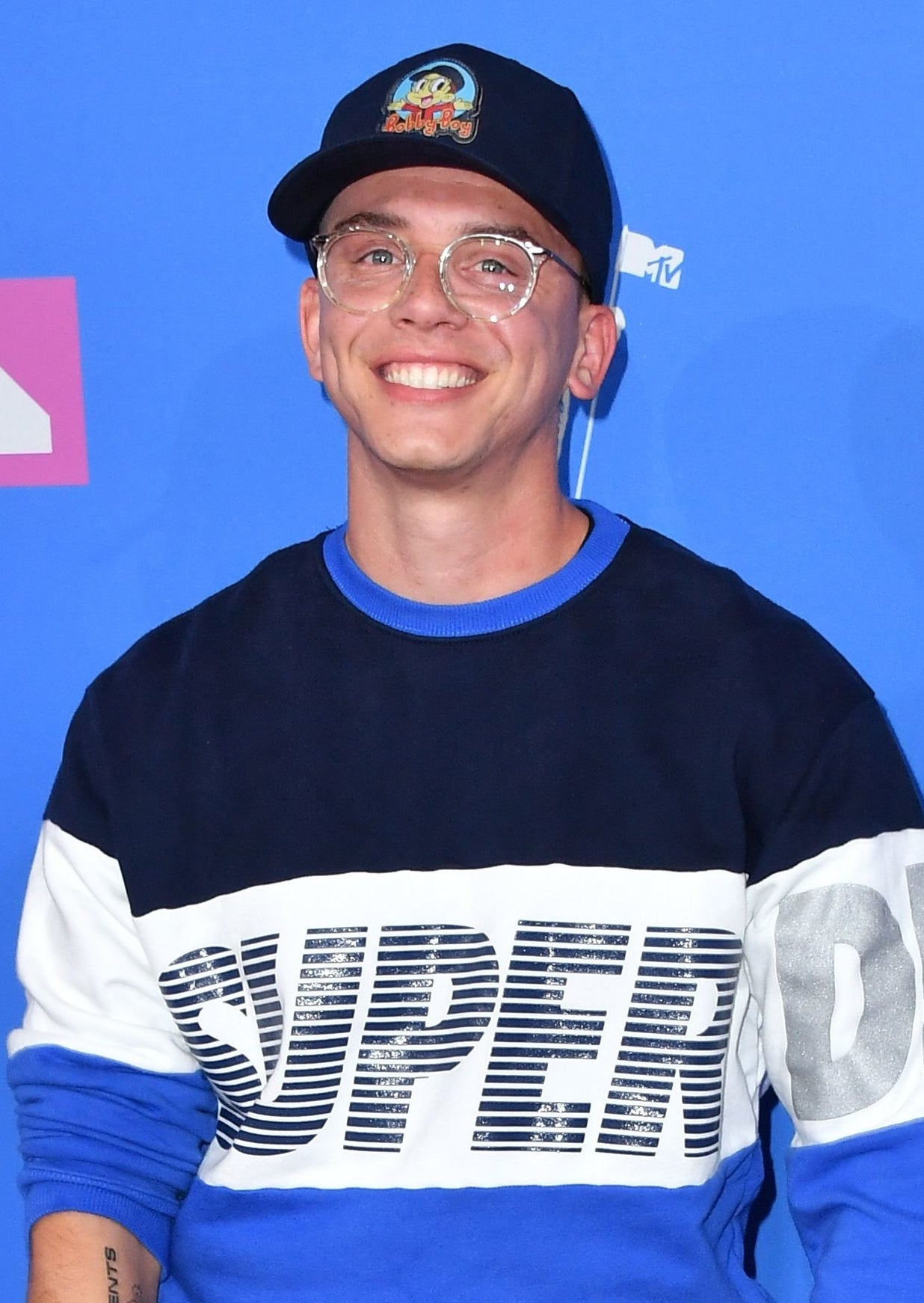
Logic, born Sir Robert Bryson Hall II, is of Black and White heritage. In a 2018 interview with Zane Lowe for Apple Music, as quoted in Genius, Logic addressed criticism he's received from media personalities, MCs, and fans of his race-related lyrics, "Not to bring it up, because I don’t want to talk about it a lot, because it’s a meme on the internet now — but, like, even my race, I’m so proud to be who I am, and to have all these people try to tell me that I can’t be this."

He continued, "People try to tell me like that, 'Oh, you shouldn't be proud,' or, 'You're not this, or, 'You aren't that,' or whatever the hell. I'm just kinda here to say, like, who is anybody else to tell me who I am or what I've gone through or what I haven't gone through? I've experienced a lot of really fucking terrible things as a child."

Logic has also broached his feelings on his song, "Mixed Feelings," rapping, "Papa was a Black man, mama was a racist / Growing up she called me n*gga, kids called me cracker."

Mariah Carey is of Black and Irish heritage. In a 2020 interview with Vulture, Carey discussed her identity and experiences being mixed — from childhood to stardom —  even singing her lifelong refrain, "I really have been like, 'I'm mixed. I'm mixed. I'm really, really mixed.'"

In opening up about her childhood, Carey asked, "How was I supposed to fit in? I was, like, the only one that’s this weird mutant, mutt — using an antiquated phrase that I’m not asking anyone else to ever use again, but I’m embracing it — mulatto girl. I’m not even embracing it. It’s a horrible way of defining somebody. It actually means ‘mule.’"

Lauren Ridloff is of Black and Mexican heritage. Her father is Mexican American and her mother is African American. In a 2021 interview with W Magazine, Ridloff discussed how being a multiracial Black and Mexican woman intersects with being deaf: "Everyone has different identities and different characters that live within them. How we talk about where our identities intersect is the question of the moment. How I talk about my experience is [by] asking myself how I honestly identify with one part of me without deflating another part of me. How do you choose which one to address first? This conversation is ongoing and it needs to keep going."

In a 2021 interview with Latina, Ridloff opened up about realizing her Afro-Latina identity as a young girl: "I always felt a little uneasy about that, that shifting that I had to do. But now looking back, I was just considering myself culturally fluid, I incorporated both my Black and my Mexican side."

Speaking with Who What Wear the same year, Ridloff added, "I am Black. I am Mexican. I am a woman. I'm also a mother, a teacher, a wife, and an actor. So I'm all of those things in one, and I can't expect to actually represent the deaf community all in one movie."

Saweetie is of Black and Filipino heritage. When asked how being biracial affected her growing up in a 2019 interview with HelloGiggles, she said, "I definitely felt out of place at times because the cultures that I was raised around were completely night and day. But I feel like those [types] of internal struggles help me understand people better, and I now know that not one set of people is the same."

She continued, "Like, my mom is of Filipino descent and my dad is of Black descent, so it allows me to be sensitive to other people's cultures. Because sometimes people might not communicate or understand the things that I do. I might not understand what someone else is doing, but I'm always able to know that people come from different places and have different understandings."

Jordan Fisher is of Black, Asian, Greek, and Tahitian descent, He was adopted by white parents, and in a 2022 interview, spoke with Mixed Asian Media about what foods or traditions he associates with his heritage: "Being adopted is a really interesting thing for me, right? ... Having white parents, but also knowing of my Black and Asian side and my Greek and Tahitian side. Circumnavigating the globe a handful of times in my career, I've been able to have real experiences with different parts of my heritage that I wouldn't have been able to otherwise. I have been finding different things that I connect with my heritage — not just like 'this is what we do as a family,' but that genuinely speak to me."

He also talked about how being mixed influences the way he approaches his roles: "Being mixed affects my day-to-day life, so it’s affected every role I've had. It's hard because naturally, we want to label everything. It's just what we do. There's no shame in that. It's comforting for us to be able to look at something and say, 'Let me classify that and put it somewhere in my brain,' right? I don't take offense to that, but I'm painfully aware of the fact that I was, like, the only person of color in my school growing up and the only mixed kid in my town, and the only dark kid in my family until my little brother and sister were born.

That kind of stuff affects my day-to-day. In terms of how my character processes and rationalizes and whatnot doesn't change any of that. But I'm sure that being the person that I am, being made the way that I am, affects how I approach everything."

Carmelo Anthony is of Black and Puerto Rican heritage. His father, Carmelo Iriarte, was Puerto Rican and a member of the Young Lords, the civil rights group founded in 1969. Iriarte died of cancer when Anthony was 2. His mother, Mary Anthony, is African American and raised him in Brooklyn and Baltimore. In a 2012 interview with ESPN Deportes, Anthony spoke about his Latin heritage: "I think it's something that's getting more and more out there. People are definitely starting to recognize that. I'm still trying to get that message out there, to let them know that I'm one of them and part of that community too."

When accepting the 2024 Sports Award at the 37th Hispanic Heritage Awards, Anthony reflected, "Growing up in Brooklyn, being raised in Baltimore, my Puerto Rican roots were just a cornerstone for me of just trying to figure everything out and put the pieces together. I learned early on in my NBA career, I was representing something that was much greater than actually myself. Every moment of this success, or challenge, was an opportunity to carry out the weight of my culture, our community, and my ancestors' dreams."

In a 2024 interview discussing his father's involvement with the Young Lords, Anthony shared, "I knew I was Puerto Rican, I didn't know the ties. I knew my dad was Puerto Rican but I didn't know how deep it goes. Honestly, that was a moment of like, I have to go figure this out. I gotta start asking questions because now this void of not having a dad is like damn I'm about to make it to the NBA, I wish he was here."

Keegan-Michael Key is of Black, Polish, and Belgian Flemish heritage. In a 2012 interview with CNN, Key described being ostracized by Black classmates when they realized his mom is white, "For me, it was very hard and rough. When you’re a child, the most important thing is to be able to live a life of comfort. You want to be sure that the moon goes up at night and the sun comes up in the morning and dad comes home from work. At school, it was not comfortable."

Key elaborated, "My mom would come by my school to bring me lunch — my mom is a cute, ruddy little white woman, and there’s no category for that — the kids don’t know how to respond, and so they tease: ‘That ain’t your mama!’ ‘Why you talk white?’ It’s not to say that every child in grade school talked to me that way, but that’s what I remember.”

Halsey is of Black, Italian, Hungarian, and Irish heritage. In a 2017 interview with Vulture, Halsey discussed her childhood, "When I was little, if someone saw me and my dad walking through, like, a grocery store parking lot, women would come up to us and be like, 'Sweetie, are you okay?' because they saw a little white girl walking with a Black man."

They added, "Maybe people won’t accept that I’m half Black, but they could be not accepting me because I am, and that’s much worse."

In a 2021 interview with Allure, Halsey spoke more deeply on being biracial, "A lot of people try to write off a lot of my experiences because I present white. No matter how many tears I've shed because I'm not connecting with my family or my culture in a way that I would like to, or because the waitress thinks I'm the babysitter when I go out with my family, none of that would compare to the tears that I would shed for presenting phenotypically Black and the disadvantages and the violence that I would face because of that."

When asked if she benefited from being white-passing, Halsey replied, "Oh, yeah, for sure. My family has a lot of guilt about [that], but I think this is really common for mixed families. You want your kids to have an advantage in life. That unfortunately puts them in a position of denying their heritage. Then you get older, you get woke, and you go to a liberal arts college and you go, ‘Oh, my God,' and you start having flashbacks of all the microaggressions you faced through your life."

Danny Pudi is of Indian and Polish heritage. In an 2017 interview with the Center for Asian American Media, Pudi said, "Inside my home, I’m very Polish. As soon as I left the door, in school and in public, I was pretty much perceived as Indian." When asked about his upbringing as a "brown kid in a Polish family in Chicago," Pudi answered:

"That’s pretty much it. I laugh when I hear that description, so I can only imagine what people thought of me back in the ’80s in Chicago. I always felt a little strange. I always felt a little odd. We lived in an amazing neighborhood though, and our family was super tight. So I always felt safe, which was wonderful. I knew our situation was different, but we were always encouraged to embrace that.

And my mom especially decided it wasn’t enough to stick out. So she made me take Polish dance and take violin lessons and all this other stuff — so that way I would stick out even more than I already did. Which can be challenging growing up, you know…you’re just trying to blend in. It’s pretty difficult when you grow up speaking Polish, but you and half of your family is from Andhra Pradesh. But it was wonderful. It was very colorful."

Ariana Miyamoto is of Black and Japanese heritage. She entered Miss Universe Japan as a way to fight against racial prejudice after a mixed-race friend committed suicide. However, she faced abuse and backlash over her skin color. In a 2015 interview with AFP, she said, "I was prepared for the criticism. I'd be lying to say it didn't hurt at all. I'm Japanese — I stand up and bow when I answer the phone. But that criticism did give me extra motivation."

She continued, "I didn't feel any added pressure because the reason I took part in the pageant was my friend's death. My goal was to raise awareness of racial discrimination. Now I have a great platform to deliver that message as the first Black Miss Universe Japan. It's always hard to be the first, so in that respect, what Naomi Campbell did was really amazing."

As for her own childhood, Miyamoto shared, "I used to get bullied as a kid, but I've got mentally stronger, to protect myself. When I was small I stood out and always felt I had to fit in with everyone. I'd try not to bring attention to myself, but now I say what I feel. I do things my own way. I want to start a revolution."

Zendaya is of Black, German, and Irish heritage. In an interview Hunger Magazine, as quoted in a 2015 E! Online article, Zendaya said, "Obviously, both my parents are American and were born in America, but America is such a melting pot — everyone's from everywhere. The only people who are native are Native Americans. So everyone's an immigrant in a sense.

She continued, "My mom has roots in Germany and Ireland, and my dad is African American. There's a big disconnect with African American people because we're not able to trace our roots as far back, so I think it was really important to my father to take the time to find out where he really comes from. I have that pride in knowing that I'm an African American. I think when you develop pride in where you're from then you have more respect and understanding in terms of where other people are from also." She added, "No one's just white, and no one's just Black."

In The Hollywood Reporter’s drama actress roundtable, Zendaya noted, "I also think it's important being a light-skinned woman to recognize my privilege in that sense as well and make sure that I'm not taking up space where I don't need to."

Henry Golding is of English and Malaysian heritage. He opened up about being mixed race in a 2018 interview with Bustle: "I felt like if you were an Asian mix, were you allowed to belong in any society or were you just meant to be on the outskirts?"

Golding expanded, saying, "Just because by blood I'm not full Asian doesn't mean I can't own my Asianness. And I relate so much more with my Asian side."

Tracee Ellis Ross is of Black and Jewish heritage. Her parents are the famous Diana Ross and Bob Ellis. In a 2019 interview with USA Today, Ross explained, "A mixed kid in America is a mixed kid in America. And there’s a lot of very archetypal experiences that we have that are the contradictions of these two heritages."

She continued, "And truthfully for me, my experiences within my family, similar to this family, was a protected safe environment, that my mixedness didn’t necessarily come up in a big way. But how you push up against the world is sort of where that gets ignited."

H.E.R. is of Black and Filipino heritage. In an interview with WWD, she said she "identifies strongly with both sides," and that her home as a kid was distinctly Filipino. She took her shoes off at the door, and her grandparents lived with her — always cooking.

She continued, "My dad would throw down with the soul food when we had our Black side over. Black culture, to me, is so important and I identify with young Black women. I represent young Black women, and I’m proud of that."

Barack Obama is of Luo, Scottish, Welsh, Irish, German and Swiss heritage. In a 2016 interview with Ta-Nehisi Coates for the Atlantic, Obama said, "...there is no doubt that as a mixed child, as the child of an African and a white woman, who was very close to white grandparents who came from Kansas, that I think the working assumption of discrimination, the working assumption that white people would not treat me right or give me an opportunity, or judge me on the basis of merit—that kind of working assumption is less embedded in my psyche than it is, say, with Michelle."

He elaborated, "There is a little bit of a biographical element to this. I had as a child seen at least a small cross-section of white people, but the people who were closest to me loved me more than anything. And so even as an adult, even by the time I’m 40, 45, 50, that set of memories meant that if I walked into a room and it’s a bunch of white farmers, trade unionists, middle age—I’m not walking in thinking, Man, I’ve got to show them that I’m normal."

"I walk in there, I think, with a set of assumptions: like, these people look just like my grandparents," Obama explained, "And I see the same Jell-O mold that my grandmother served, and they’ve got the same, you know, little stuff on their mantelpieces. And so I am maybe disarming them by just assuming that we’re okay."

Taika Waititi is of Māori (Te Whānau-ā-Apanui), Russian Jewish, and Irish heritage. In a 2018 interview with Daze, Waititi talked about growing up half-Polynesian in New Zealand, "Growing up it was very normal to go into a store and they would say, ‘What do you want?’ And you’d be like, (muttering) ‘I’m just looking at chips, man.’ I remember getting a job at a dairy and they would never give me a job at the till, I was always at the back washing vegetables."

He went on, "And then one day one of the owners asked me if I sniffed glue — like, ‘Are you a glue-sniffer?’ In my head I was like, ‘Motherfucker, you grew up with my mum!’ And I knew for sure that he didn’t ask other kids in the store if they were glue-sniffers."

Yara Shahidi is of Black and Iranian heritage. In a 2017 interview with Teen Vogue, where she opened up about being biracial, Shahidi said, "Being someone that is half-Black and half-Iranian and proud of both sides, it gave me a community of people that identify as Blackish."

She continued, "Because so many times, if you are of any race, there is a certain feeling of this meter of like, ‘How Black am I? How Iranian am I?’ and it's hard when you're both to feel as though you can coexist as both and be fully both.'"

Charles Melton is of Korean and English heritage. In a 2019 interview with Hapa Magazine, Melton said, "To be on both sides, being Caucasian and Asian, how inclusive or exclusive do you want to be when it comes to race, with being Asian? It’s weird when some people try to measure your Asian-ness, when it’s like, 'I’m Asian.' It’s so extreme. 'Oh, you’re half, but you’re not Asian.' I am Asian. I’m probably more 'Asian' than you. I grew up in Korea. I grew up speaking Korean and being spanked by my mom with the rice spoon.

Then you have people in America that are second or third generation, but they’re full Asian. Do they see themselves as more 'Asian' than you when you’re just half or a quarter? When you grew up in Asia? How do you measure that? If you’re Asian, you’re Asian. If it runs through your blood, it runs through your blood. How exclusive do you want to be?

When I was in Korea, people knew I was Korean, but they knew I wasn’t full. When I’m somewhere like Kansas or Texas, they’re like, 'Oh, you’re Asian.' Depending on where you are in the world or the US affects how people are going to measure your 'Asian-ness.'"

Olivia Rodrigo is of Filipino, German, and Irish heritage. In a 2018 interview with CAAM, she opened up about her Filipino heritage, "My great-grandfather immigrated here from the Philippines when he was just a teenager. He’s my grandma’s dad, and my grandpa is also Filipino as well.

My dad grew up in a house where they were always making Filipino food, his grandpa always spoke Tagalog. All of those traditions have trickled down to our generation. Every Thanksgiving we have lumpia, and things like that."

Miguel, born Miguel Jontel Pimentel, is of Black and Mexican heritage. In a 2019 interview with Remezcla, titled 'Returning to His Roots,' Miguel opened up, "A lot of my knowledge of Spanish comes from speaking Spanish with my grandparents and my aunts and my tíos and my tías in Inglewood over the summers, and when I visited my father's side of the family."

When discussing how "industry bigwigs and label heads struggled to understand the intersection of Blackness and Latinidad," causing them to question "his name and appearance," Miguel revealed, "It was definitely a point of, 'Huh? We don't really get it.' A lot of my audience didn't know I was Mexican."

He shared a similar sentiment in a 2017 interview with Viceland, "Most people think of me solely as a Black artist, but there's a reason why my name is Miguel."

After traveling to Mexico — to the radio station where his grandmother worked before immigrating to the US — and meeting his Mexican relatives, Miguel reflected, "You start to think about the sacrifices that you being alive requires, and all of the things that lead up to that. It was the fact that my grandmother left, went to live with my aunt in Inglewood, and my father grew up in Inglewood, went to Inglewood High, and met my mother in Inglewood and that's why I'm here. You think about the layers of her passion for music and her giving that up for family."

Darren Criss is of Filipino, Chinese, Spanish, English, German, and Irish heritage. In a 2020 interview with People, Criss opened up about his identity: "I’ve been half-Filipino my whole life. But no one ever asked about it. It’s tough, this idea of ‘white-passing.’ It’s not even a term I heard of until the past two years. When people have a say in who you are — people you don’t even know — it makes you rethink what your balance is. Something you’ve had down your whole life. It’s a tricky cocktail in America." He continued, "I’ve always been proud of my heritage, of being Filipino. Just because people don’t see it, doesn’t make it any less real to me."

In an interview with TheWrap later that year, Criss expanded, "You’re dealing with two experiences that present different reactions. Not only internally, but externally. Who are you to the world? How do they see you? How do you see yourself? What happens if you happen to look more like one half than the other, which one are you?

In my mind, I was just me. My mom’s Filipino and my dad’s a white guy, and that’s just kind of how it is. You could argue, well maybe that’s because you’re white-passing and nobody ever questioned anything.” He added, “And then I feel bad and I go, Oh god, did I somehow turn my back on my Filipino-ness? Like, at what point am I supposed to raise my hand higher for that? I don’t know the answer.”

Amandla Stenberg is of Black and Danish heritage. In a 2018 interview with Variety, Stenberg discussed how the media perceives her, as a lighter-skinned, biracial actress, "Something interesting has happened with me and Yara and Zendaya — there is a level of accessibility of being biracial that has afforded us attention in a way that I don’t think would have been afforded to us otherwise."

She expanded, “Me and Yara and Zendaya are perceived in the same way, I guess, because we are lighter-skinned Black girls, and we fill this interesting place of being accessible to Hollywood and accessible to white people in a way that darker-skinned girls are not afforded the same privilege."

Avan Jogia is of Indian, English, and Irish heritage. He published Mixed Feelings, a combination of poetry and interviews with other mixed-race individuals that focuses on self-identity, in 2019.

In a 2019 interview with 34th Street about Mixed Feelings, Jogia shared, "I realized the collective mixed experience is so similar. It doesn’t matter what the racial background of those mixed-nesses are. We are all unified in the similarities of the experience."

"I never had anything that I could point to that I could be like, ‘Hey, this is what the mixed experience is,’" he expanded, "So, if it offers that, that to me is like the goal here, to be at least a little bit of a framework or a guideline, or at least ask the right questions that might inspire you to define or figure out who you are."

Hayley Kiyoko is of Japanese, Welsh, and Scottish heritage. In a 2017 interview with SXSW, she talked about how being biracial influenced her: "Naturally, being biracial shapes you as a person because you experience different things. As an actress, for example, I'm constantly going out for Asian American roles, and 'I'm not Asian enough.' They will flat out say that.

Then, I’ll go out for open ethnicity roles, and they will go, ‘You’re not white enough.’ It’s just part of who I am and what I look like."

K.J. Apa, born Keneti James Apa, is of Samoan, Scottish, English, and Irish heritage. In a 2017 interview with Vulture, he spoke about his Samoan heritage, saying, "I have a massive Samoan family. And the Samoan culture has always played a massive part of my life. I’ve got hundreds of family on my dad’s side that live in Samoa and in New Zealand. I’ve just been surrounded by the culture ever since I was a kid."

He continued, "I actually used to speak Samoan, but me and my sisters all kind of lost it. We go there at least once a year to see family. And my dad recently just got a traditional Samoan tattoo. He’s a chief in Samoa, so he got that tattoo to commemorate it."

In a 2021 interview on Jimmy Kimmel Live!, Apa elaborated, "[My dad] is a matai, yeah. He holds the matai title, chief title, of the village that he's from and I'm from, called Moata'a, in Samoa."

When asked if the title would then pass to him, as the title passed from his grandfather to his father, he responded, "I don't know. I can't speak Samoan, so it'll be something for me to take that would be kind of, I would think it's a huge responsibility. I don't really feel adequate, to be honest, but I doubt myself in almost everything that I do."

Maya Rudolph is of Black and Jewish heritage. In a 2018 interview with the New York Times magazine, Rudolph recalled, "When I was a kid, and people would come up to me or stare at me because of my mom, I didn’t like it. I really didn’t like it. I used to think, 'Oh, they’re staring at my hair because it’s so big and ugly.' Because I didn’t realize people were just staring at my mother, like, ‘Wow, that’s her daughter!’ I didn’t know; I was a kid. And kids always personalize things.”

When asked if people often question which side she identifies with more, Rudolph answered, "Yeah," and added, "Meeting other mixed kids has always affected me. It was like part of a secret society."

Cassie Ventura is of Filipino, Mexican, West Indian, and Black heritage. Her father is Filipino and her mother is of African American, Mexican, and West Indian descent. In a 2008 interview with Complex, Ventura addressed online debates about her ethnicity: "What's funny about it is, when I was growing up, I wasn't confused. I knew exactly what I was. My dad's Filipino, my mom is Mexican, West Indian, and Black — I'm a little melting pot."

Meghan Markle is of Black, Dutch, English, and Irish heritage. In her 2015 essay published in ELLE Magazine, Markle wrote, "Navigating closed-mindedness to the tune of a dorm mate I met my first week at university who asked if my parents were still together. 'You said your mom is Black and your dad is white, right?' she said. I smiled meekly, waiting for what could possibly come out of her pursed lips next."

Markle continued, "'And they're divorced?' I nodded. 'Oh, well that makes sense.' To this day, I still don't fully understand what she meant by that, but I understood the implication. And I drew back: I was scared to open this Pandora's box of discrimination, so I sat stifled, swallowing my voice."

Tayshia Adams is of Black and Mexican heritage. Her father is African American and her mother is Mexican. As the first Black and Latina lead of The Bachelorette (and only the second Black lead in the franchise's history), Adams has been candid about her mixed identity. Speaking with mitú in 2020, Adams said her casting was a "win" for minorities who "haven't felt seen before on the show." She also shared that she would spend summers in Mexico as a kid and return home speaking Spanish.

Bruno Mars is of Filipino, Spanish, Puerto Rican, and Jewish heritage. In a 2017 interview with Latina magazine, Mars reflects on not being easily categorizable, "There are a lot of people who have this mixed background that are in this gray zone. A lot of people think, ‘This is awesome. You’re in this gray zone, so you can pass for whatever the hell you want.’ But it’s not like that at all. It’s actually the exact opposite."

Mars continued, "What we’re trying to do is educate people to know what that feels like so they’ll never make someone feel like that ever again. Which is a hard thing to do. Because no one can see what we see and no one can grow up with what we grew up with."

Rashida Jones is of Black and Jewish heritage. In a 2005 family interview with Glamour, Jones discussed being mixed-race with her older sister, Kidada, and their parents, Quincy Jones and Peggy Lipton. While Kidada spoke of identifying as Black — as everyone perceives her to be — Rashida elaborated:

"I had no control over how I looked! This is my natural hair, these are my natural eyes! I've never tried to be anything I'm not. Today I feel guilty, knowing that because of the way our genes tumbled out, Kidada had to go through pain I didn't have to endure."

The Rock is of Black and Samoan heritage. His father is former professional wrestler Rocky Johnson, who was the first black Georgia heavyweight champion. His maternal grandfather, Peter Maivia, was a Samoan American professional wrestler.

After a Twitter debate regarding how he identifies, Johnson tweeted, "Glad I came across this and I’ll give you guys some context [and] truth. I identify as exactly what I am — both. Equally proud. Black/Samoan."

Aoki is of Japanese, German, and English heritage. In a 2006 interview with Rotten Tomatoes, Aoki discussed her identity, "My mom is German-English. I grew up with my mom, but I can’t escape the way I look, and my whole life I’ve had a strong sense of self because of it. I’ve watched my father (Benihana restaurateur Rocky Aoki) and all of the achievements he’s made; I’ve always wanted to follow in his footsteps in some ways in changing the dynamic of how Asians are interpreted."

She then expanded, "There weren’t a lot of people who were even allowed to represent for our culture, being from the East. So every movie I do, that’s a thought in my head that I have to represent for Asian people. That’s really important to me."

Jason Momoa is of Native Hawaiian, German, Irish, and Native American heritage. (He's also married to and has two kids with Lisa Bonet.) In a 2018 interview with The New Paper, Momoa talked about Aquaman's significance to mixed-race people, saying, "And honestly, to be the first mixed-race superhero in 2018... that is a huge honor."

He noted, "And also just to play it so close to who I am, with all of Arthur's imperfections. I don't have to be Superman — I am not. But I got to play it as someone who really is split between two worlds, and I am excited for the world to see it."

Jessie Mei Li is of Chinese and English heritage. In a 2021 interview with the Beat, Li talked about her own childhood: “Growing up, as a mixed-race person, I rarely saw anyone who looked like me, let alone Asian people, generally. And if they were onscreen, they were always a fairly two-dimensional role, a lot of times, especially in western TV shows and films."

She continued, "I think, for lots of people [who are] mixed-race or first-generation immigrants, you spend so much of your life not feeling like you belong anywhere. I certainly grew up in a predominantly white area, and I was always ‘the Chinese one’ to my white friends, but to my Asian friends and family, I was very English, and you never really feel like you belong anywhere. My race is a big part of my life, but it’s not everything that I am."

Lenny Kravitz is of Black, Russian-Jewish, and Cherokee heritage. In a 2013 interview with HuffPost, Kravitz expanded on his ethnicity when talking about how he filled out the 'race' sections on school forms, "My great-grandmother’s Cherokee Indian. My father’s a Russian Jew. My mom’s Bahamian. [I thought], 'What the hell do I put on this thing?' The teachers came over and [said], ‘Black. That’s what you are.’ And so, so many parts of your heritage are just squashed. ‘That’s it. You’re that.’ I didn’t like that."

Kravitz also recalled the first day of first grade, when a boy approached him and his father, "He yelled, ‘Your father’s white!’ I didn’t understand what that was about and why that was an issue. That was the first day that I had to think about it. It just let me know, okay, this is how folks think."

Lisa Bonet is of Black and Jewish heritage. In a 2018 interview with Net-A-Porter, Bonet discussed growing up mixed-race in the '70s, "The world wasn’t ready for what I represented, the merging of these two races. I didn’t always feel welcome – in my mom’s family, in my school. So I sheltered myself by always withholding a bit, because I didn’t always feel safe."

If she could speak to her younger self, Bonet said she'd say, "Try not to internalize the disdain and hate that was projected onto me."

Halle Berry is of Black, English, German, Irish, and Dutch heritage. In a 2017 interview with Refinery29, Berry opened up on growing up mixed-race — especially after she transferred from an inner-city school to high-school in the suburbs, "Now, all of a sudden we were in an all-white school with all-white kids. I got bullied a little bit...because of the color of my skin, and at that time, we were 'Oreos.'"

Zoë Kravitz is of Black and Jewish heritage. In fact, her parents are the aforementioned Lenny Kravitz and Lisa Bonet. In a 2017 interview with Allure, Kravitz spoke on her identity, "I am definitely mixed. Both my parents are mixed. I have white family on both sides. The older I get, the more I experience life, I am identifying more and more with being Black, and what that means — being more and more proud of that and feeling connected to my roots and my history. It’s been a really interesting journey because I was always one of the only Black kids in any of my schools."

She further elaborated, "I went to private schools full of white kids. I think a lot of that made me want to blend in or not be looked at as Black. The white kids are always talking about your hair and making you feel weird. I had this struggle of accepting myself as Black and loving that part of myself. And now I’m so in love with my culture and so proud to be Black. It’s still ongoing, but a big shift has occurred. My dad especially has always been very connected to his history, and it’s important to him that I understand where I come from.”

Munn is of German, Irish, English, and Chinese heritage. She predominantly grew up in Japan, though the moved back to Oklahoma for her last two years of high school.

When asked about the struggles she encountered trying to establish herself in a 2019 interview with Prestige Hong Kong, Munn revealed, "I’d go out for so many auditions, for everything. And then I’d be told, 'You’re too Asian' or 'You’re too white.' I remember someone telling me, 'Don’t feel bad. One day they won’t be trying to match you to fit with anyone else. You’ll just be hired for you.' So you can’t help but get frustrated. That’s part of it all."

Mark-Paul Gosselaar is of Dutch and Indonesian heritage. In a 2019 interview with Newsweek, MPG was asked if his own interracial experiences helped him bring depth to his TV family on Mixed-ish:

"Being someone who is mixed, I never had to think about it until it was brought up, because of the way I looked. I was arguably America's favorite white boy at one point, and it's like, 'Wait, that guy is mixed?' It's one of those things that because of the way I looked I didn't have to deal with it. It's a conversation I have had and I do have with my kids because they are—as well—mixed."

When speaking to Hollywood Outbreak in 2021 about Mixed-ish, he said, "Back in the '80s, I think people struggled with knowing what a mixed family really was. I am a product of a mixed family. My father is Dutch, and my mother's Indonesian. Because I looked the way I did, I really never had to go through some of the experiences that some of the characters on [Mixed-ish] are going through, and that’s fortunate and unfortunate."

He continued, "Nowadays, people are much more accepting. There's been a lot more discussion about it. I think there's still a long way to go, but we are trending in a direction that I think is positive. And on our show, we try to tackle those issues through the lens of comedy, which I think is an easy way for people to digest the message."

Ross Butler is of English Dutch and Chinese Malaysian heritage. In a 2020 interview with Harper's Bazaar, Butler discussed how he felt growing up mixed-race in America and how he turned to film as a means of escapism:

"You don’t really feel like you belong. You don’t feel like you have people you can lean on or who understand what you’re going through; it was isolating. I became a social chameleon. I got really good at fitting the mold of who I thought people saw me as."

Jordan Peele is of Black and English heritage. In a 2013 interview with NPR, Peele talked about his identity, "And I think the most trying part it is, involves how I speak. I think that's always been the part that I felt most insecure about. Is that the... is that the world has wanted me to speak differently than I speak. You know, I speak like my mom; I speak like, you know, like the whitest white dude; I speak like a Def Comedy Jam comedian doing an impression of a white guy."

He continued, "And I even remember, you know, when I was a kid that, you know, there was a, you know, every now and then you'd come upon somebody who would sort of question how I spoke, whether or not, you know, I was trying to be something I wasn't."

Kimiko Glenn is of Japanese, Scottish, Irish, and German heritage. In a 2018 interview with IndieWire, Glenn talked about she has had more opportunities in voice acting than acting: "It opens up the whole voice-over world to me because you can’t see my face. I get to express myself however I want."

She continued, "Being biracial in this industry is kind of an interesting thing. I’ve always been hyperaware of that because I’ve been told so many times you’re not Asian or white enough."

Shay Mitchell is of Filipino, Irish, and Scottish heritage. She talked about struggling at school due to her cultural background in a 2016 interview with Cosmopolitan, explaining, "I was so uncomfortable being Filipino. I’d get ‘Oh, is your mom a nanny?’ It’s like, No, fucker, but even if she was, do you know how hard that is? Could you do it? No."

Slash is of Black and English heritage. In a 2018 interview with Rolling Stone, Slash explained what his background means to him, saying, "It’s never been part of my makeup, to be able to differentiate myself from anybody else because of color. I went through a lot of that as a kid — in school, you’re pigeonholed into being more aware of your background. When I started doing my own thing, especially playing guitar, it wasn’t so much of a thing. I never really cared to have to identify one way or another."

He laughingly added, "It was always confusing on school questionnaires. You know, 'other.'"

Maggie Q is of Vietnamese, Polish, and Irish heritage. In a 2008 interview with Today, Q explained that after leaving the Hong Kong film industry to come to the US, American filmmakers were confused by her biracial background:

"They think, ‘Wow, what is this? There’s this girl. She’s Asian, but she’s not. ... They’re really not sure where to put me. It’s a struggle. You got to win roles. You really got to fight for them. When I left Asia and went to the US, essentially I was starting over. It’s very hard. It’s a lot of work."

Naomi Scott is of Indian and English heritage. Speaking to her background in an interview with Teen Vogue, she said, "There were moments growing up where you’re like, 'Oh, I don’t really feel Indian enough.' But now I’m at a place where I’m like you know what? It’s okay."

"It doesn’t make me any less Indian, or any less half Indian," she asserts, adding, "My two favorite meals — one is my mum’s curry and one being a roast dinner. And that is me in a nutshell."

Sir Ben Kingsley is of Indian and English heritage. Kingsley was born Krishna Pandit Bhanji and was called 'Krish' as a kid. When asked in an interview with the Daily Mail about his childhood in Salford in the '50s, Kingsely said, "My father as GP, being a sort of emblem in that Salford pond, made us more celebrated as curiosities than ostracized as people who didn't belong.

"Then, I think one in four of the students at my school was Jewish. Every single one of my friends was Jewish. My mother was half-Jewish, so I felt a part of exotic, cosmopolitan Manchester. I was fortunate.'"

Nicole Scherzinger is of Filipino, Native Hawaiian, and Russian heritage. She was born in Hawaii, and, in an interview with Pacific Citizen, she said, "My mother, growing up, would dance the hula and Tahitian with her family. My mother taught me hula when I was really young."

She also opened up about being a mixed-race artist, explaining she faced challenges getting work "especially because I started out in theater, and a lot of people didn't understand what my nationality was or what race I was. So, they were a little confused on how to cast me or what my place was. But it was really confusing at first because people wanted me to be like the Puerto Rican girl, the sidekick, the Puerto Rican best friend."

Vanessa Hudgens is of Filipino, Chinese, Spanish, French, Irish, and Native American heritage. In a 2011 interview with Reuters, Hudgens talked about how she sees her mixed identity as a positive: "I wasn’t Latin enough or Asian enough or Caucasian enough."

She continued, "I’m never going to be anything enough because I’m different things," Hudgens said. "The one thing I’m really blessed with is my various ethnic backgrounds."

Jhené Aiko is of Spanish, Dominican, Japanese, Native American, Black, and German heritage. In a 2019 interview with Revolt TV, Aiko talked about the pressure she faced to conform to the entertainment industry's standards: "When I started going on auditions, they would put me for roles [as] the Spanish girl, or the Japanese girl or the Black girl.”

She continued, "When I was 12 [or] 13, someone told my mom, ‘You should really play up one or the other. You should straighten her hair so she could look more Asian, or you should keep her hair natural and curly and put a little bronzer on her so she [will] look more Black."

Kamala Harris is of Jamaican and Indian heritage. In her 2019 memoir The Truths We Hold, Harris explained that she and her younger sister Maya "were raised with a strong awareness of and appreciation for Indian culture," but that her mother still "understood very well that she was raising two Black daughters. She knew that her adopted homeland would see Maya and me as Black girls, and she was determined to make sure we would grow into confident, proud Black women."

In an interview with the Washington Post, Harris asserted, "...when I first ran for office that was one of the things that I struggled with, which is that you are forced through that process to define yourself in a way that you fit neatly into the compartment that other people have created. My point was: I am who I am. I’m good with it. You might need to figure it out, but I’m fine with it."

Michael Yo is of Black and Korean heritage. In a 2013 interview with HalfKorean, Yo talked about growing up mixed in Texas: "I was pretty much the only mixed kid in school. In Houston, I went to a predominantly white school and if you were Black, you were Black, and if you were Asian, you were Asian. There [were] no mixed kids. It was different times back then, especially in that area. I got called all kinds of racist names. When kids don’t know what you are, they can be very mean. They were trying to be mean, but they didn’t know how it affected me. I was very insecure growing up being both."

He continued, "When I hung out with Asian kids, the Black kids would get mad. When I grew up, I guess I connected most with the Black and white kids because I played sports, and I wasn’t a great student. We had one [Asian kid] on our basketball team, then a couple of Black kids, and then mostly white kids. I didn’t really connect with my Asian side until I started doing stand-up."

Jemaine Clement is of Māori and European heritage. He's a direct descendant of Wairarapa chief Irāia Te Whāiti, who was a Ngāti Kahungunu leader, farmer, and historian.

In a 2015 interview with Stuff, Clement talked about being mixed race: "I'm part white, but I'm not just white. And I don't think of myself as white, because I wasn't brought up that way. When they say 'white guys' when they're talking about me and Taika [Waititi], they're imagining a completely different life, completely different things. They're imagining this privilege that we didn't have."

He also noted, about the attention People Places Things received for his onscreen "interracial" romance with Regina Hall in the US, "As a mixed-race person, I see race as largely bullshit. Anything I do is interracial! One great thing about New Zealand is 'interracial' doesn't mean anything. We're used to it."

Chanel Iman is of Black and Korean heritage. In a 2009 interview with Teen Vogue, Chanel revealed which of her cover shoots her mother — who is also Korean and Black — favored: Korean Vogue.

"This one is really important to my mom," she explained, "My mother was born in Korea, but they didn't accept her back then because she was mid with Black. She was put up for adoption when she was a baby. Now, her daughter is on the cover of Korean Vogue!"

Karen O is of Korean and Polish heritage. O was born in South Korea, and her family moved to the US before she was three. In a 2013 interview with the New York Times, she discussed how she struggled to assimilate: "I didn’t speak Korean, so I couldn’t hang with the Koreans. And when I’d hang out with the whiteys, I was always self-conscious about being half-Korean."

By eighth grade, O was forced to reckon with what it meant to be different: "I was hanging with some popular girls but sort of as their pet. I was the novelty, you know? And then it turned on me in a pretty dramatic way." She told the New York Times that this experience caused her to identify as a "weirdo," which ultimately led her to rock 'n' roll.

Kristin Kreuk is of Chinese and Dutch heritage. In a 2017 interview with DC Comics News, Kreuk talked about her experience as a mixed Asian actress: "I started a long time ago, and my first job I played a half-Asian girl, which is my heritage. Which didn’t happen again until I guess Street Fighter? I played my heritage, and then every role after that shut out playing my heritage. So I often played white characters because I have wide eyes, and my hair is actually not the blonde [gestures to her current hair], but my natural hair color is light because I didn’t challenge them in the way that I looked. It didn’t come up as an issue for me. So personally, I didn’t think I felt the limitation for my career.

But I believe there is a strong issue that I have friends who are full-Chinese who really struggle to get their careers off the ground because there just isn’t the roles available. Like if I’m looking for, in Canada, an actress to play my mom: Chinese actress, I guess if she’s young, in her fifties, if she’s the right age, probably in her sixties. They are hard to find. I just don’t think there has been the opportunities available for people.

And I think that is changing and obviously, people like Constance Wu and those guys are really shifting the narrative on that. Even if we’re talking Indian, Aziz Ansari. I think what they are doing is really important. And in Canada, it’s still a big issue. I don’t know, apart from Kim’s Convenience [a Canadian comedy], I don’t think we have a lot available. And I think stuff like this helps — making sure the characters [are authentic] for me now, I won’t play outside of being mixed race. Because I have the opportunity to do it, and that will help slowly."