buzzfeed Press
These Everyday Speech Habits Might Be Warning Signs Of Cognitive Decline And Dementia
Images

1 / 20
2 / 20

3 / 20

4 / 20

5 / 20

6 / 20

7 / 20

8 / 20

9 / 20

10 / 20

11 / 20

12 / 20

13 / 20

14 / 20

15 / 20

16 / 20

17 / 20

18 / 20
19 / 20

20 / 20
“Usually it starts with proper nouns, so the person who’s saying, ‘I can remember everything about that actor, but I can’t think of their name right now,’” added Whitson.

There are also limitations to this study. “Speech patterns are very dependent on culture and even families,” said Whitson, and this study doesn’t address the aspect of speech differences.

For example, it’s common for folks in the south to speak slower and with more pauses than those in the north, and that is not a sign of cognitive decline.

More, this data was all “drawn from one time point,” Whitson said. So, there is nothing to compare someone’s speech patterns to. Meaning, someone’s use of the word “uh” may be normal and something they picked up in childhood, not a sign of cognitive decline.

Again, not every “um” or pause in conversation is cause for concern, but there are some red flags that should warrant a visit to your doctor.

“The kinds of things I would worry about, number one ... having a lot of difficulty expressing oneself, particularly with ordinary dictionary words, not just struggling to come up with the name of someone or the title of a book or movie,” Whitson said.

Short-term memory lapses are also concerning, Whitson noted. “That usually presents with either repeating one’s questions in a very short time span,” added Whitson.

Since cognitive decline is a part of healthy aging, it can be hard to tell what is normal and what is not so normal. “Often it’s helpful to compare yourself to your peers,” said Fredericks.

For instance, if your peers are also occasionally forgetting the name of the new dentist in town, you’re likely in good company. But, if you find yourself misplacing items frequently, and don’t see that in others you age, it’s a good idea to talk to a doctor.

There are some modifiable lifestyle behaviors that can lower your risk of dementia. These are “the most actionable things that people can do in their 20s and beyond,” said Whitson.

Controlling high blood pressure is an important way to lower your dementia risk, Whitson said. “There’s even evidence that strict control of blood pressure down to a top number of 120 or less is associated with reduced dementia risk,” she added.

It’s also important to get good quality sleep and follow a nutritious diet. Fredericks recommends the Mediterranean diet or other heart-healthy diets.

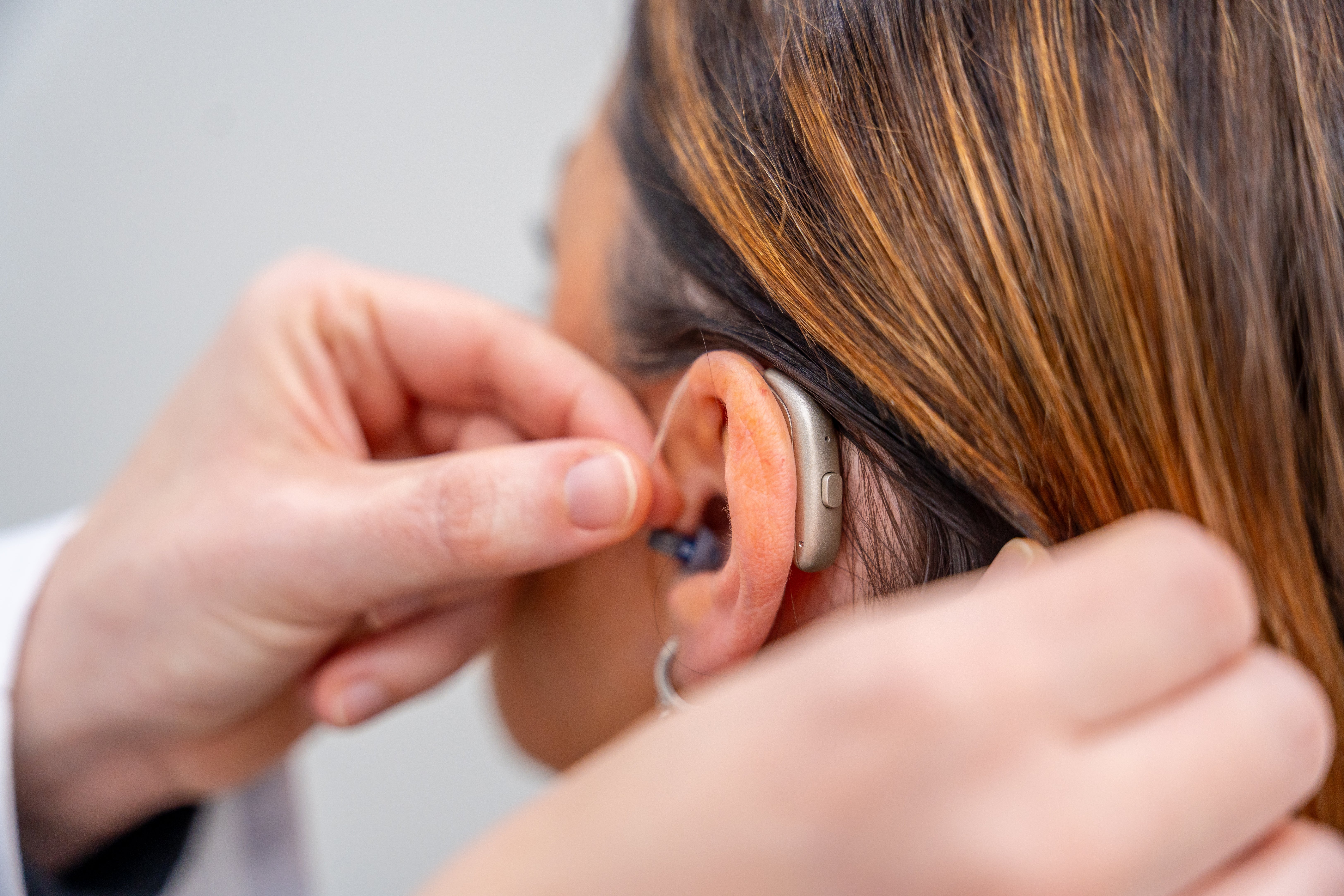
“Making sure that people’s vision and hearing are optimized is associated with lowering our dementia risk, which kind of makes sense because our ears and our eyes are what feeds most information and activation to our brain,” added Whitson.

This article originally appeared on HuffPost.