yahoo Press
These states are seeing their worst tick activity in nearly 10 years: Data
Images
1 / 7
2 / 7

3 / 7

4 / 7
5 / 7

6 / 7

7 / 7
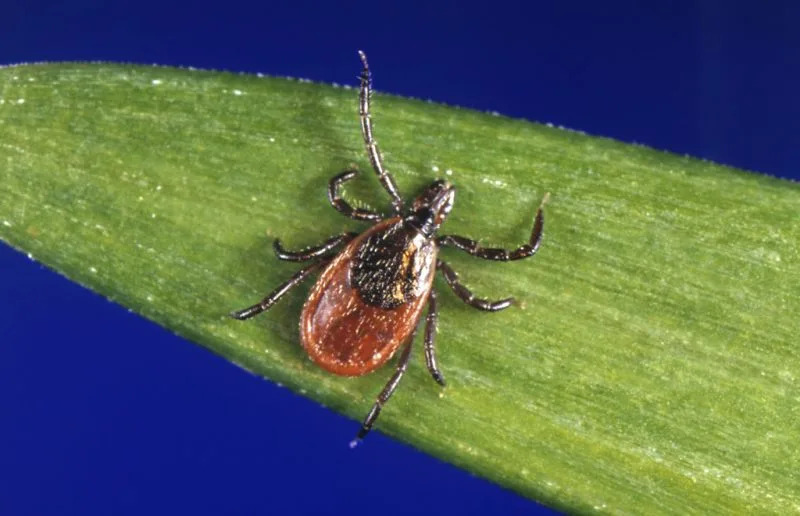
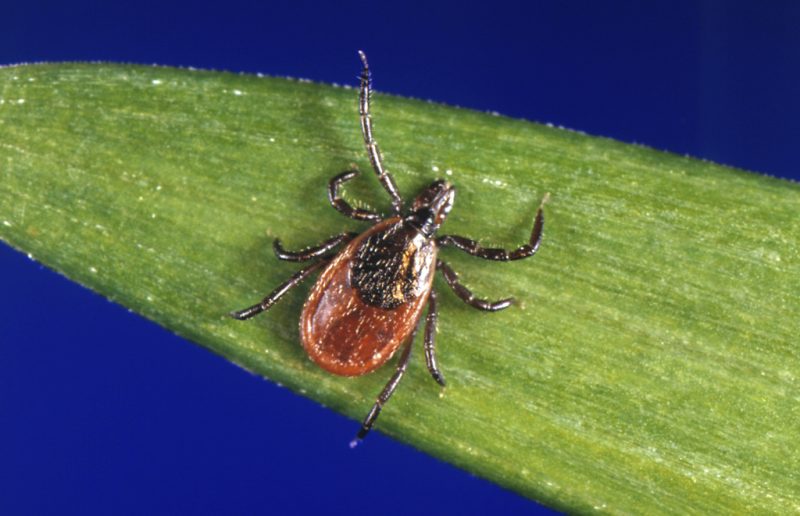
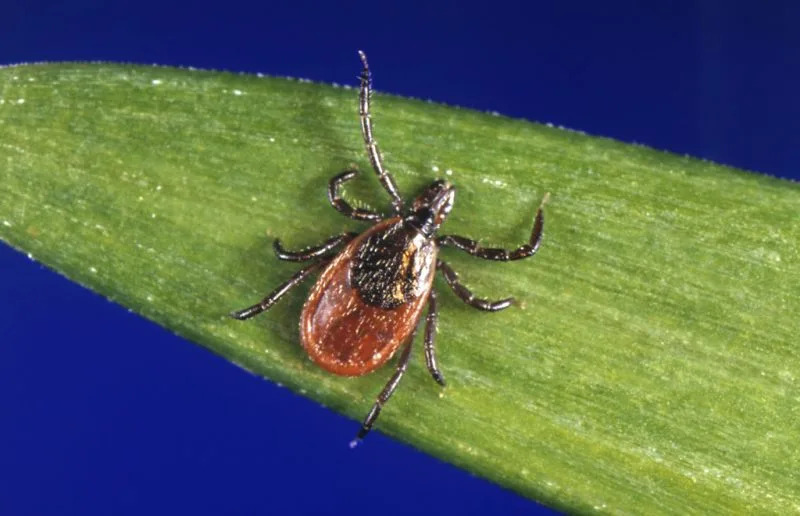
(NEXSTAR) – Tick activity in the U.S. has reached levels we haven’t seen in nearly 10 years, and data suggest some states are worse off than others.

The CDC previously warned that emergency department visits for tick bites have reached the highest rate in nearly 10 years, while experts have warned we could be in “for a very bad year” when it comes to these pests.

The latest tick bite data from the CDC, updated on Sunday, shows 105 of every 100,000 emergency department visits recorded in April were bite-related. That’s the highest recorded rate for April since 2017 — as far back as the CDC’s publicly available data stretches — when 101 of every 100,000 visits were prompted by tick bites. March tick bites also exceeded those recorded in March 2017 (34 per 100,000 versus 20 per 100,000).

Over 200 people died in national parks last year: Where most were reported

Meanwhile, some regions in the U.S. have also recorded above-average tick activity this year.

Nowhere is that more true than in the Midwest.

In these 10 states — Nebraska, Kansas, Minnesota, Iowa, Missouri, Wisconsin, Illinois, Michigan, Indiana, and Ohio — 137 out of every 100,000 emergency department visits in April were related to tick bites. That’s just shy of the one-month incident rate record the region saw last May, of 153 per 100,000, and well above the 56 per 100,000 it sees on average in April.

Incident rates have been highest in the Northeast — from Maine south through West Virginia and Virginia — with CDC data showing an incident rate of 188 emergency room visits per every 100,000 in April. On average, roughly 144 per 100,000 emergency department visits in the region are related to tick bites during April.

How little screen time should your kids have? Federal report offers guidance

All other regions are seeing above-average rates of tick activity.

The table below shows the average number of tick bite-related emergency department visits recorded in April for each region, compared to the most recent incident rate, according to CDC data.

Region

Average April incident rate, per 100,000

April 2026 rate, per 100,000

Highest April rate record, 2017-2025

U.S.

67

105

101 (2017)

Northeast

139

188

222 (2017)

Midwest

56

137

75 (2024)

South Central

13

14

24 (2017)

Southeast

35

50

44 (2017,2019)

West

21

31

27 (2019)

Also seeing their highest-ever April incident rates are states in the Southeast — from Kentucky south to Mississippi and eastward — and the West — from the Dakotas, Colorado, Wyoming, and Arizona and westward, including Alaska and Hawaii.

Tick bite activity typically peaks in May and remains elevated in June before dropping off until another smaller spike in the fall.

“We see an increasing number of tick infections, tickborne illnesses every year … and it’s unlikely this trend is going to change,” Nicole Baumgarth, a professor of immunology and infectious disease at Johns Hopkins Bloomberg School of Public Health, said earlier this month.

In general, most tick bites are painless, the Mayo Clinic explains. You may notice swelling, a sore, or a change in skin color in the area. If you find a tick on your body, the advice is to remove it right away and dispose of it.

What you do next depends on the reaction you have to the tick.

The Mayo Clinic says serious reactions — severe headache, trouble breathing, paralysis, heart palpitations — are reasons to seek emergency care.

Other symptoms, like a rash or fever that develop within weeks of removing the tick, could require a check-up with your doctor, the CDC says. You may also want to consult your physician if you develop flu-like symptoms, including chills, fatigue, and muscle and joint pain, or a rash with a bull’s-eye pattern. The latter could be a sign of Lyme disease.

Groceries just had the biggest price hike in years. It’s about to get even worse, experts warn

If the tick has been attached for more than a day, or you aren’t sure when it became attached, it’s recommended that you speak with a medical professional. The same is true if you’re unable to remove the tick, Network Health explains.

Ticks are not only annoying but also capable of spreading diseases like Lyme, Rocky Mountain spotted fever, and a syndrome that can make you allergic to red meat and other animal products.

If you have any questions or concerns after being bitten by a tick, you’re encouraged to contact a medical professional.

Copyright 2026 Nexstar Media, Inc. All rights reserved. This material may not be published, broadcast, rewritten, or redistributed.

For the latest news, weather, sports, and streaming video, head to The Hill.