buzzfeed Press
11 Times Celebrities Killed Other Celebs, Because Hollywood History Is Legitimately Wild
Images
1 / 20
2 / 20

3 / 20
4 / 20
5 / 20

6 / 20
7 / 20
8 / 20
9 / 20
10 / 20
11 / 20
12 / 20
13 / 20
14 / 20
15 / 20
16 / 20
17 / 20
18 / 20
19 / 20
20 / 20
Shocking cases where the person who died was famous — and the person responsible, accused, or forever linked to the death was famous too.

I'm an Editorial Director at BuzzFeed who covers the internet’s funniest photos and jokes, weird human history, movie facts, and more.

Content warning: This post discusses murder, domestic violence, sexual assault, gun violence, suicide, drug and alcohol abuse, and graphic descriptions of violence. Please take care while reading.

Warning: includes mentions of murder and suicide.

Broderick ended up spending a month in the hospital, recovering.

Years later, Grey would call Broderick a "great driver" and emphasize that, "nobody was drinking. It was just an accident. And it was tragic." Still, authorities initially considered charging  Broderick with "Dangerous driving causing death." They instead charged him with "careless driving." He pleaded guilty and paid a $175 fine, which the victim's family called a "travesty of justice."

In 2002, Broderick said, "It was extremely difficult coming to grips with what happened, but in time, I felt better about that terrible experience. Therapy helped."

On the day of the shooting, the production team was preparing to film a scene where Baldwin's character would point a gun at the camera. To demonstrate, Baldwin pulled out what he thought was a "cold gun" (meaning a weapon with no projectile in it) and reportedly said, "So, I guess I'm gonna take this out, pull it, and go, 'Bang!'" Right then, a bullet fired from the gun (Baldwin claims he never pulled the trigger; authorities contest that), and it hit Hutchins in the chest. She was airlifted to the hospital but died hours after arriving.

Baldwin pleaded not guilty to an involuntary manslaughter charge in February 2024, but the case was dismissed just four days into the trial when it came to light that police and prosecutors may have withheld evidence during the presentation of their case. According to his wife, Hilaria,  Baldwin has been diagnosed with PTSD and said to her, "'If an accident had to have happened this day, why am I still here? Why couldn't it have been me?'"

The film's armorer (the weapon's coordinator), Hannah Gutierrez-Reed, was found guilty of involuntary manslaughter in March 2024 and sentenced to 18 months in prison. Prosecutors argued that she failed to follow basic safety procedures and was responsible for the presence of live rounds on set. "Her reckless failure resulted in the loss of an incredible life," the prosecution said during sentencing. "She was the armorer. That was her one job. She didn't do it." She completed her sentence on May 23, 2025.

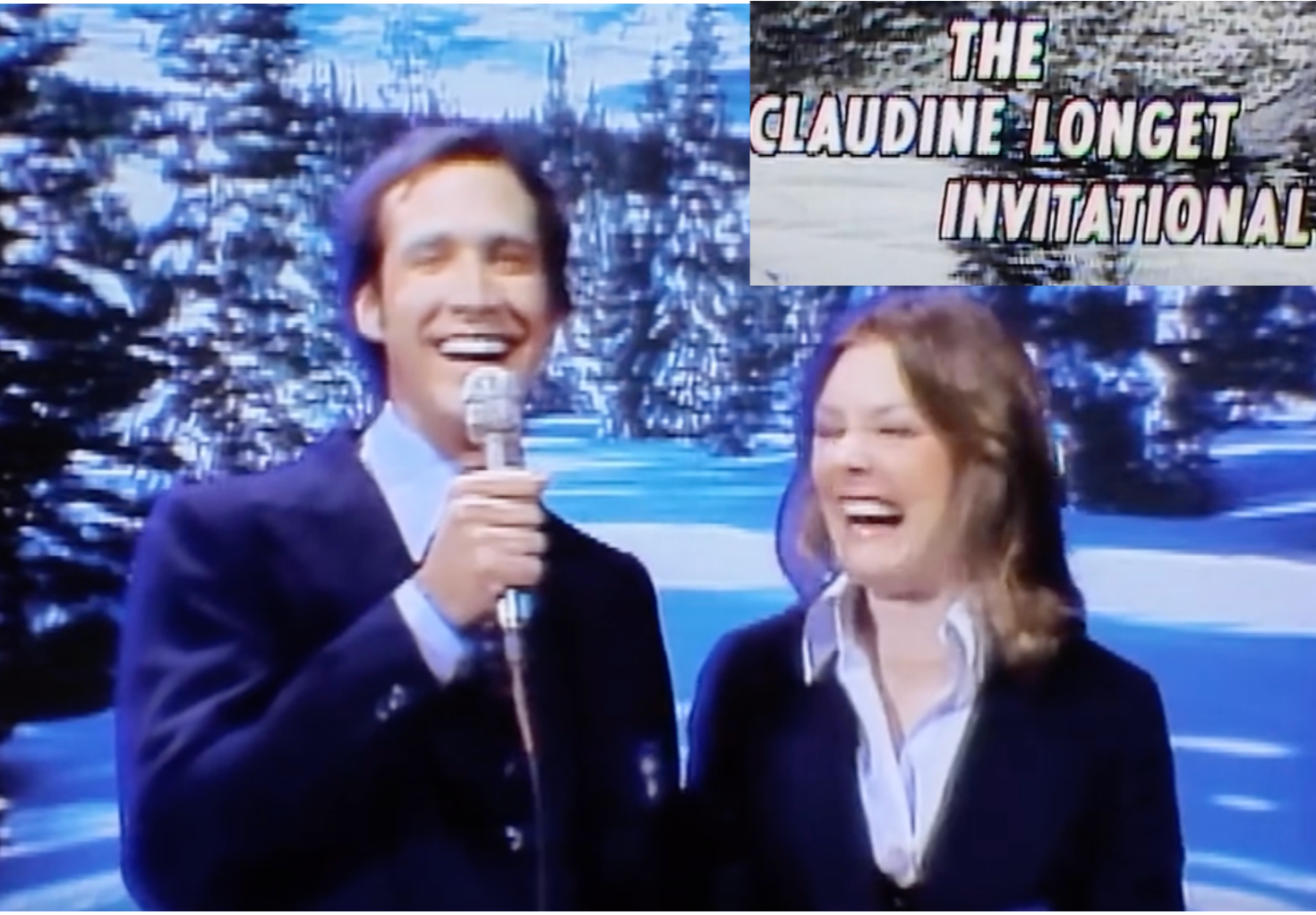
In 2005, shortly after the criminal acquittal, Bakley's family filed a wrongful death civil lawsuit; Blake was found liable and ordered to pay $30 million, later reduced to $15 million.

In her 2010 memoir Spoken from the Heart, Laura finally addressed the crash in detail. She wrote, “The whole time, I was praying that the person in the other car was alive. In my mind, I was calling ‘Please God, please God, please God,’ over and over and over again.” She added that the trauma shaped her life, and that “I lost my faith that November, lost it for many, many years.”

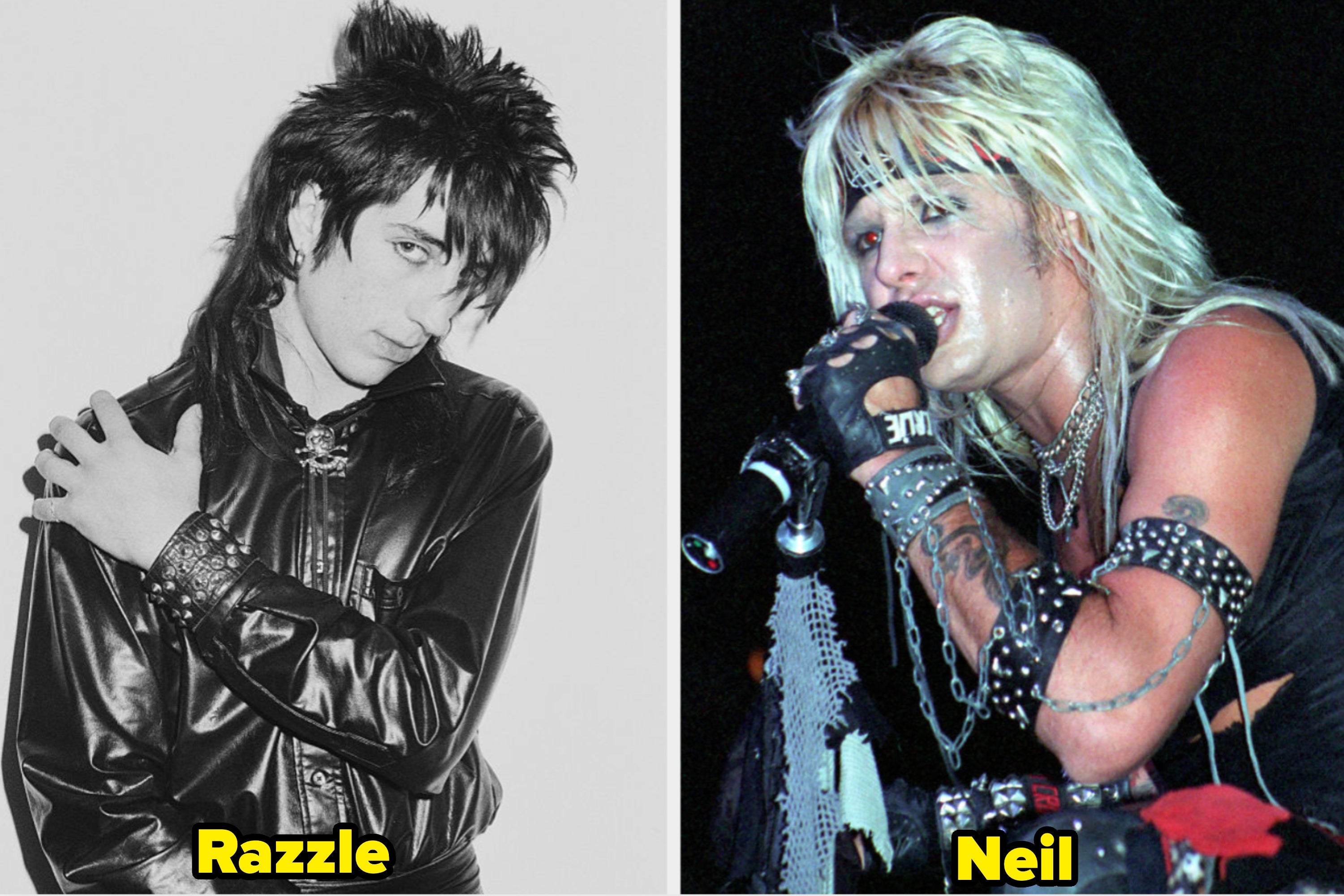
Some theories suggest that one of the many drug dealers or sketchy hangers-on in and out of their room that night could've done it. Rockets Redglare, their drug dealer, was even named by some as a possible suspect. Other theories include Sid accidentally stabbing Nancy during a fight and a suicide pact gone wrong.

Meanwhile, Vicious's life spiraled further out of control, and on February 2, 1979, he died of a heroin overdose. He was found with a note in his pocket that read: "We made a death pact, and I have to keep my half of the bargain. Please bury me next to my baby." He never stood trial.

To this day, there's no official answer to who killed Nancy, but the case was closed after Sid's death. Nancy's mother, Deborah Spungen, later wrote in her book And I Don't Want to Live This Life: "The world saw them as punk's perfect couple. I saw a boy and a girl slowly destroying each other."

According to Grantham's lawyer, Grantham was assessed by two court-appointed psychiatrists who “agreed that at the time of this horrendous event, he (Grantham) was suffering from a major depressive disorder and a cannabis use disorder, among other things.”

Grantham pleaded guilty to second-degree murder and, at his sentencing, pledged to spend his life rehabilitating himself and helping others. He is eligible for parole in 2036 after serving 14 years.

Locane was convicted of second-degree vehicular homicide and assault by auto but received a sentence of only three years in jail, two less than the minimum sentence for the offense (the judge cited the welfare of Locane's children in giving the shorter sentence). Locane — who joined Alcoholics Anonymous after the crash and is now sober — served three years behind bars before being paroled on June 12, 2015, but an appeals court subsequently found her initial sentence to be too lenient and resentenced her to eight years in jail on September 17, 2020.

She was released from New Jersey's Edna Mahan Correctional Facility for Women on Dec. 20, 2024, but still feels guilt and "a lot of remorse,” telling US Weekly, “It’s a very, very, very heavy reality to live with,” and that she keeps the victim in mind when praying or doing daily devotionals.

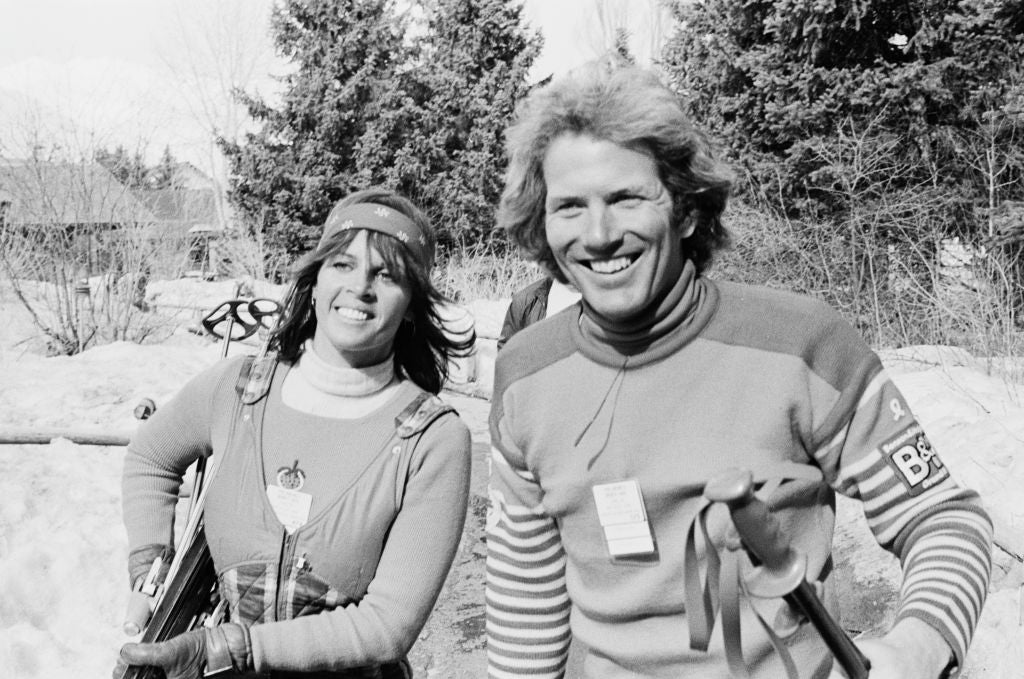
Jace was convicted of second-degree murder and sentenced to 40 years to life in prison. At his sentencing, Jace said, "There is absolutely no justification for my actions on that night. I am profoundly sorry for the pain that I've caused everyone."

Jace is serving his sentence at California State Prison, Corcoran.

On Christmas Eve in 1990, he and an accomplice pretended to be lost as they approached a 19-year-old woman walking her dog. They then threw her into their car and held her hostage for hours, beating and raping her. Son also repeatedly threatened to shoot her as he counted the bullets in his gun. At the trial, the victim recounted how Son said "he was giving me to himself as a Christmas present."

Son was convicted of one count of felony torture (the statute of limitations had run out on the sexual assault charges) and sentenced to seven years to life. Just a month after beginning his sentence, Son killed his cellmate. He was convicted of voluntary manslaughter and sentenced to an additional 27 years.

Here's the thing: Spector had a history with guns. During his trial, five other women testified that Spector had pulled guns on them during similar encounters, including one who said he threatened to shoot her if she didn't stay. Spector was even said to have pulled a gun on John Lennon during a 1970s' recording session.

So yeah...disturbing. In 2009, after a six-year legal saga (and a mistrial), Spector was convicted of second-degree murder and sentenced to 19 years to life. He served his time at the California Health Care Facility in Stockton, where he died in 2021 from complications related to COVID-19.

Spector never admitted guilt and maintained until his death that Clarkson's death was an accident or suicide.

Dutton was arrested and convicted of manslaughter. He spent a long stretch behind bars before his story took an unexpected turn. While behind bars, Dutton read an anthology of Black playwrights and became obsessed with acting and storytelling. After his release, he attended the Yale School of Drama and then found success in Hollywood.

 In 1975, King described the situation to the New York Times: "I fistfought this man. And in the kicking and fighting of what I call the frustrations of the ghetto expressing themselves, this man's head hit the concrete, and he hit it pretty hard. Seven, eight days later, he expired. The rollers that arrested me didn't know who I was and they charged me with aggravated assault. When they found out it was Don King, the sensationalized numbers baron, the charge escalated to second‐degree murder."

King claimed it was self-defense, but the court disagreed. Still, King wasn't convicted of murder. Instead, he was found guilty of second-degree manslaughter and served just under four years in prison.

One witness to the death, Eddie Woods, believed it was an accident: “He was out of it, in shock that this happened. Again, to me, that’s evidence it was absolutely an accident. He was shocked that he had hit her, and he was trying to wake her up. This guy was out of it.”

Whatever the truth, Burroughs escaped accountability. While he was arrested and charged with culpable homicide, legal maneuvering and family money enabled him to spend only 13 days in jail and then skip back to the United States.

Later, the emotional turmoil Burroughs carried from the tragedy pushed him toward writing. As he wrote in the introduction to his novel Queer:

"I am forced to the appalling conclusion that I would never have become a writer but for Joan's death... It brought me in contact with the invader, the Ugly Spirit, and maneuvered me into a lifelong struggle."