buzzfeed Press
The "Beef" Actors Are Getting Emotional About Hollywood Finally Recognizing Asian Stories
Images

1 / 20
2 / 20

3 / 20

4 / 20

5 / 20

6 / 20

7 / 20
8 / 20

9 / 20

10 / 20
11 / 20

12 / 20

13 / 20

14 / 20
15 / 20

16 / 20
17 / 20
18 / 20

19 / 20
20 / 20
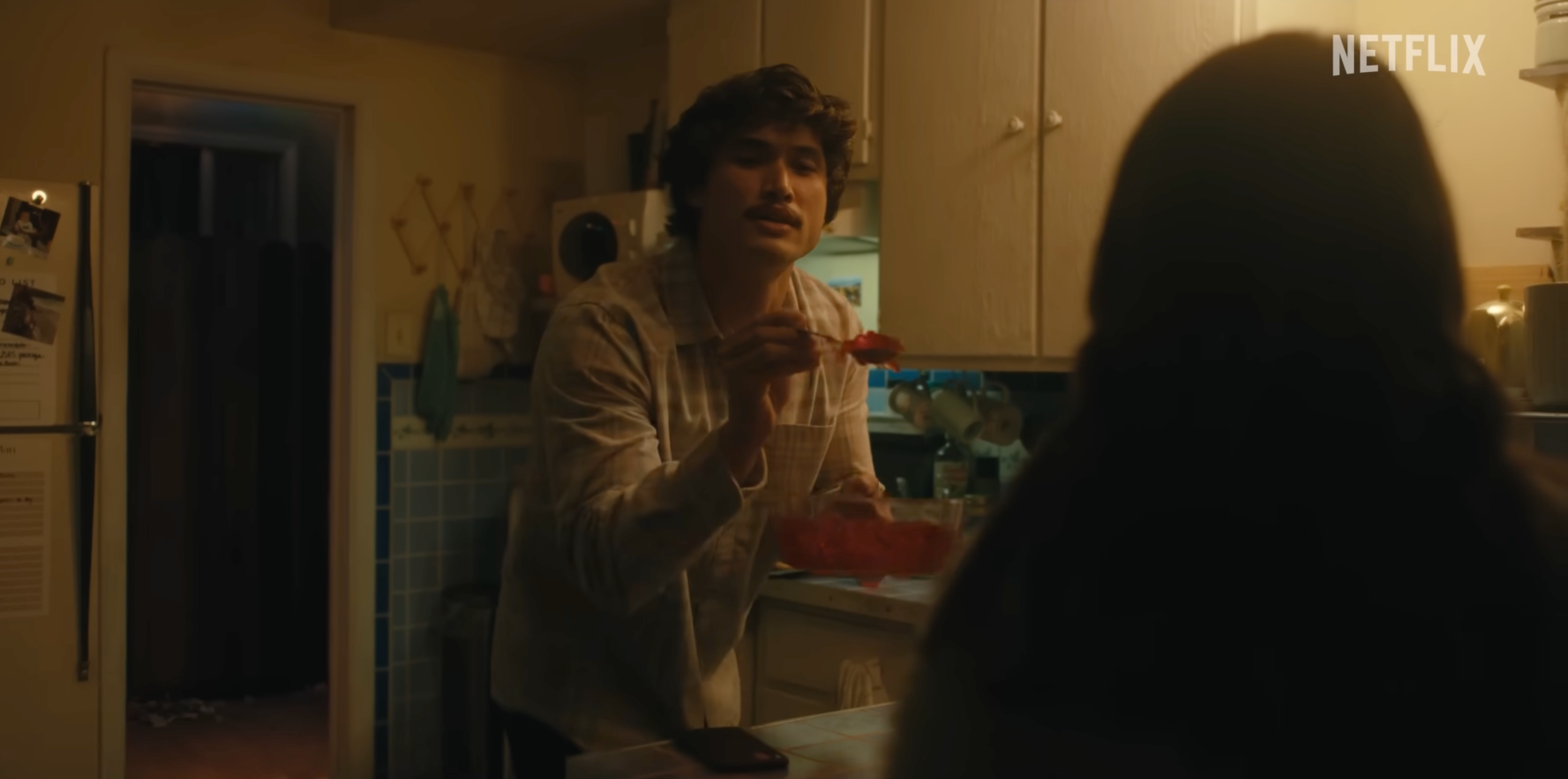
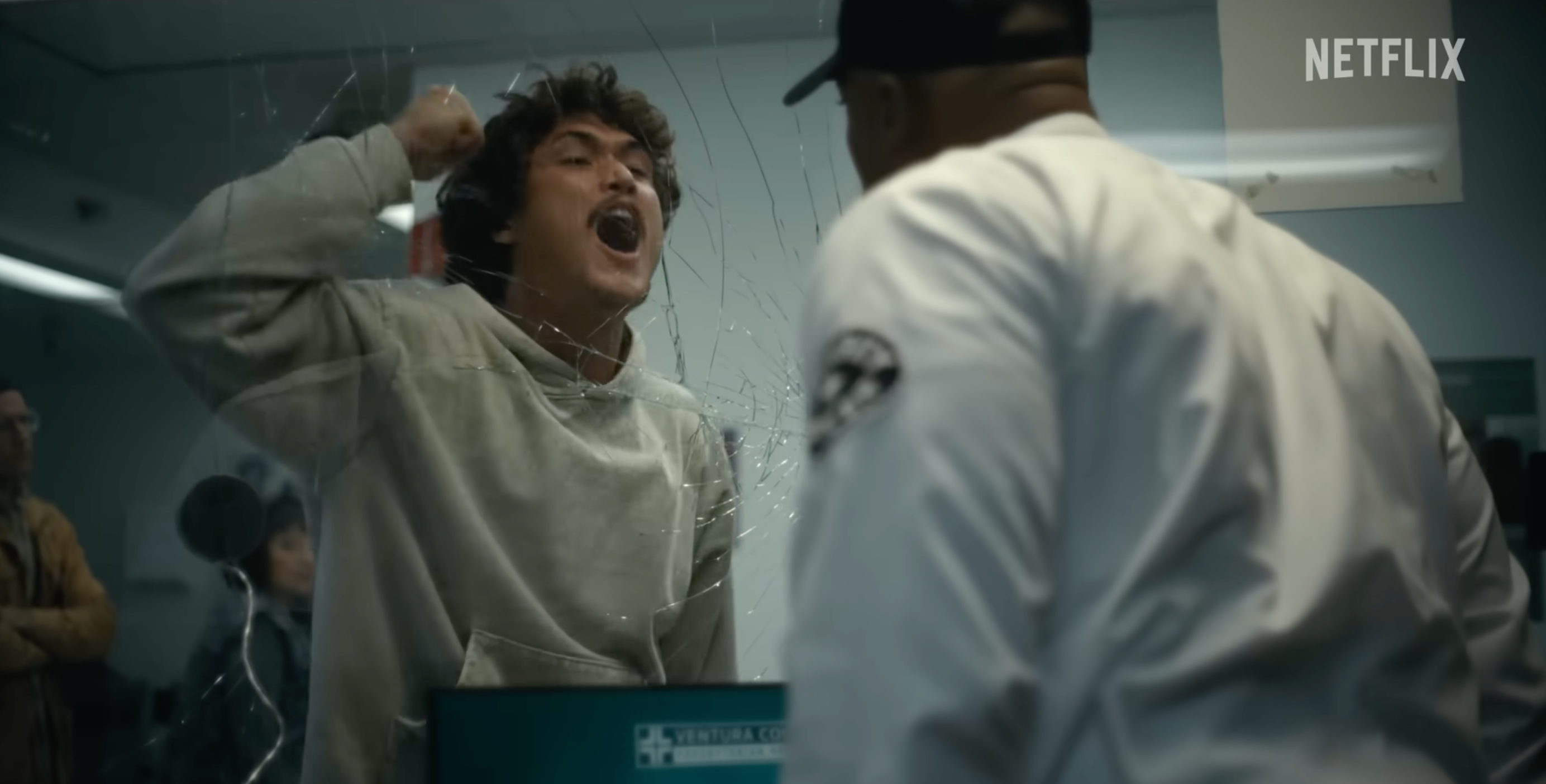
“Seoul has always been part of me, but returning as an actor telling this story was something else entirely.” — Charles Melton

Aside from being a twisted thriller that exposes humanity’s darkest tendencies and the ills of late-stage capitalism, the show also serves as a love letter to Korea and Korean culture, told with an appreciation, authenticity and nuance that could only come from a creator drawing deeply from their own heritage.

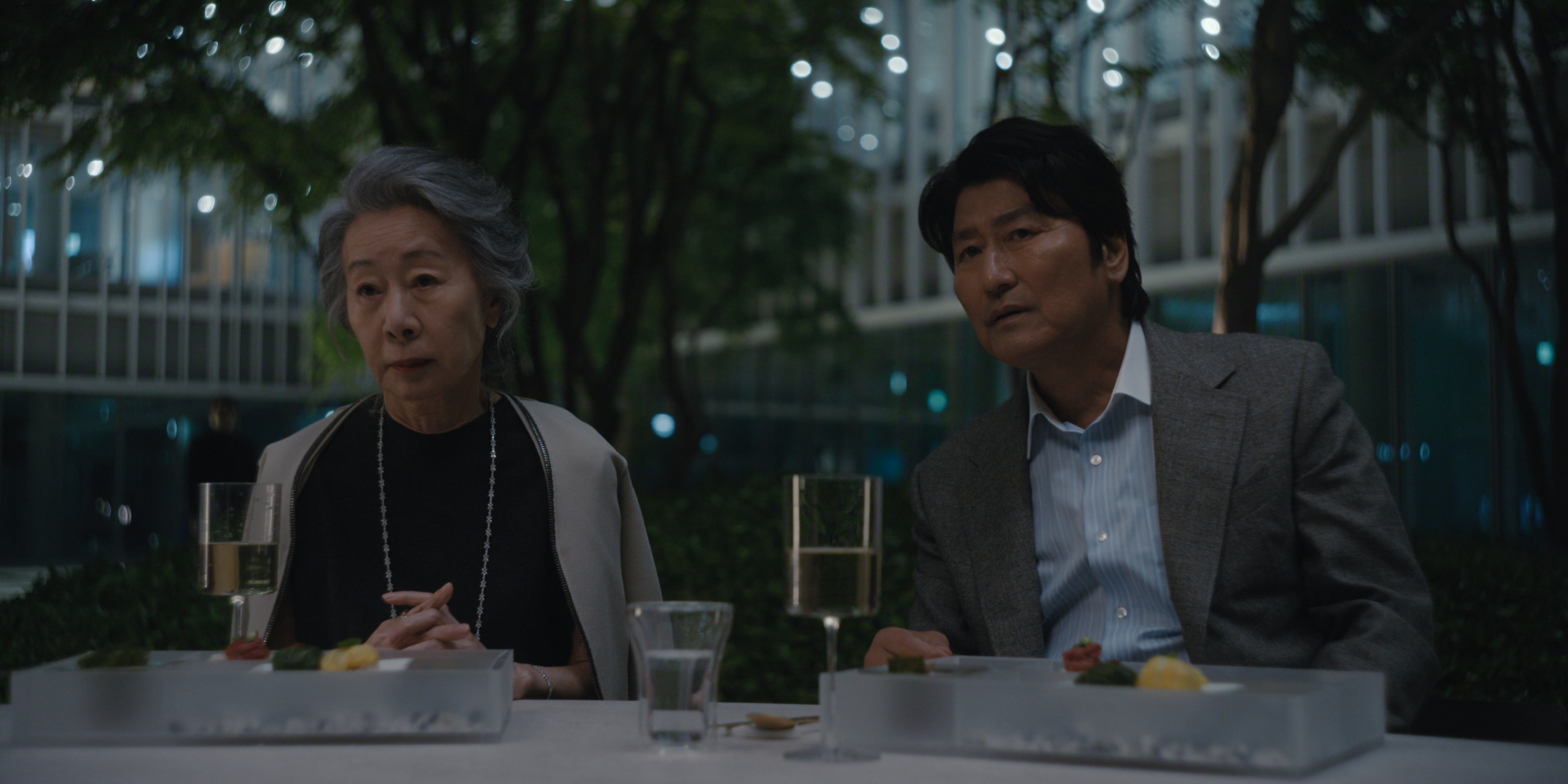
Actors of Korean descent also make up a significant proportion of the cast, with Charles Melton, Matthew Kim and Seoyeon Jang appearing alongside legendary Korean actors Youn Yuh-jung and Song Kang-ho. The season finale takes place in Seoul, where some of the scenes are filmed at the majestic headquarters of Amorepacific, South Korea’s largest cosmetics company.

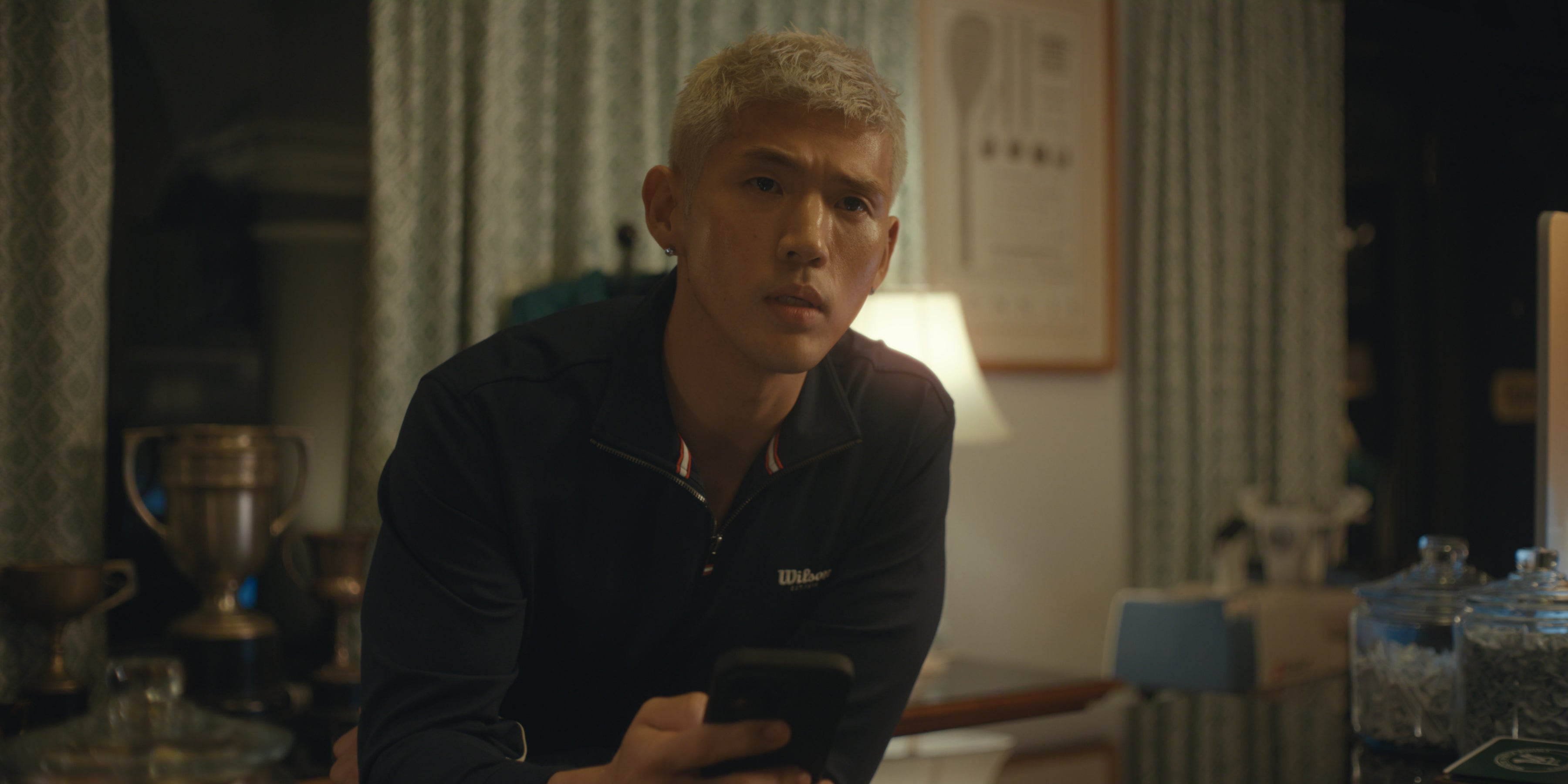
Despite the global rise of Korean popular culture, it’s still rare for a Hollywood series to feature so many Korean cultural elements and such prominent Korean representation both behind and in front of the camera. For Kim, who plays beefy tennis instructor Woosh, the show felt different from the outset.

He added, “It’s a huge honor to be on a show where Korean culture and Korean people are respected.”

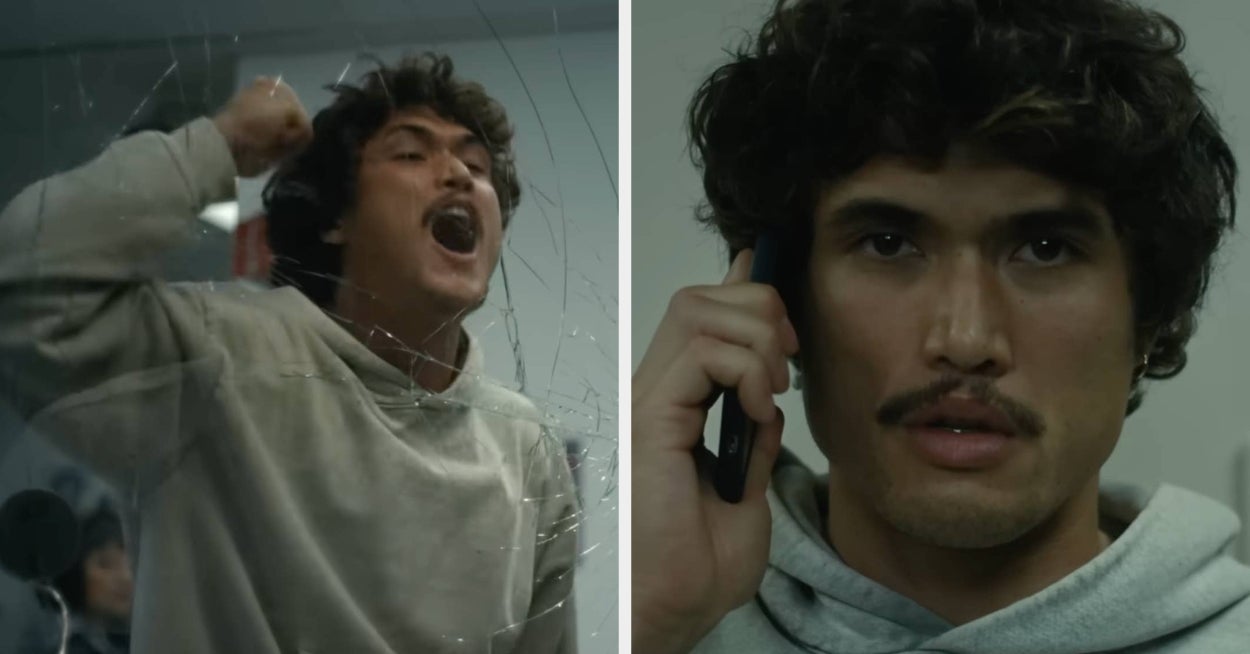
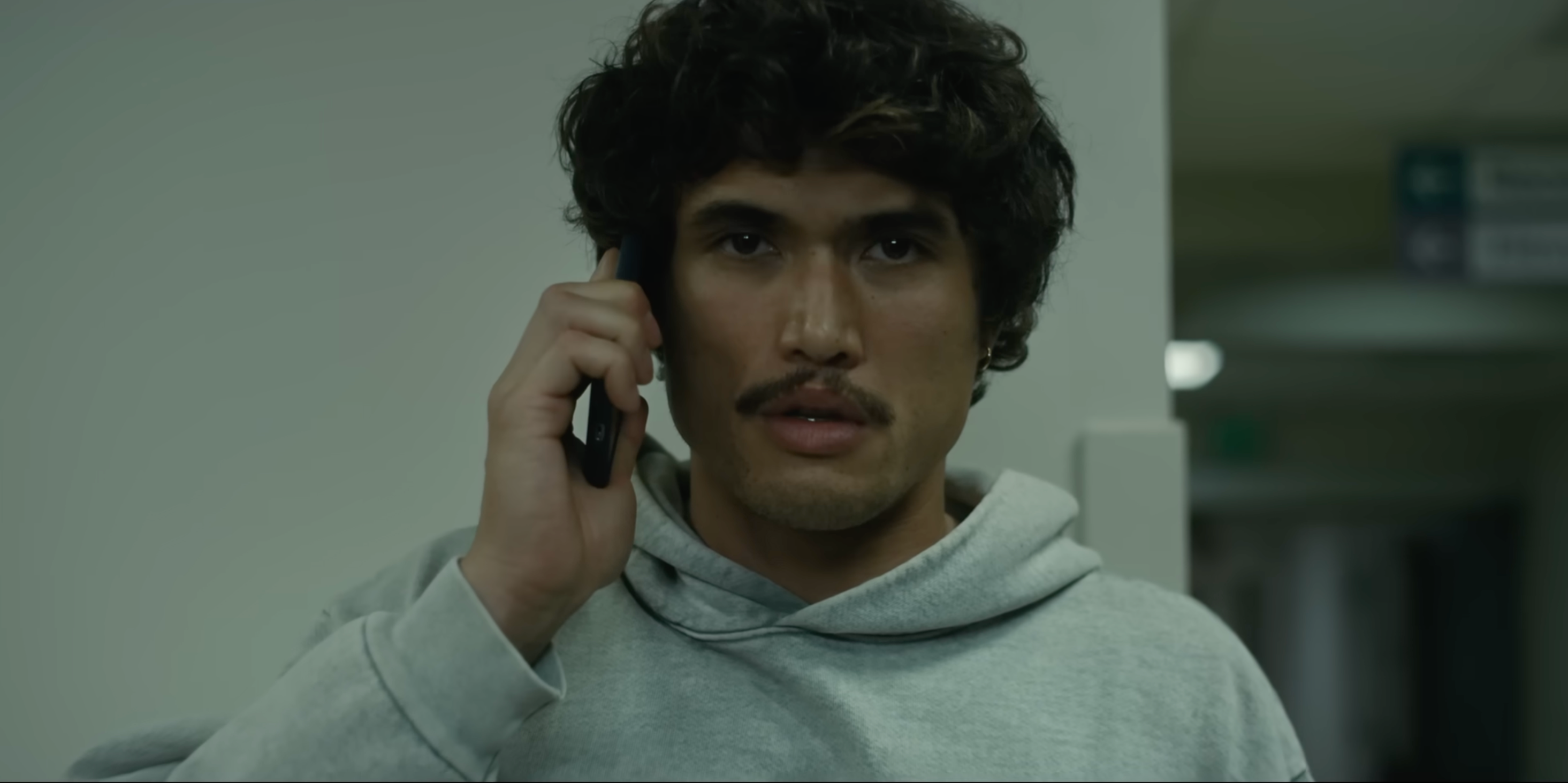
That sentiment was echoed by other cast members of Korean descent. “Being part of a story that connects to my Korean heritage made me realize how much I had been waiting for a project like this,” Melton said.

“I think there was an unspoken connection because of our heritage,” she said over Zoom.

He admits that it took him almost two decades to learn to be comfortable with sharing his heritage and lived experience through his work.

Despite growing up in London and speaking fluent English, Jang never even entertained the possibility of working in Western television until she was cast in Beef. Jang had worked primarily on Korean films and K-dramas. Then she appeared in the 2025 American spy thriller Butterfly, but as that series was shot entirely in South Korea by a predominantly Korean production crew, Beef was her first time filming in the US.

There he eventually debuted as a member of the co-ed K-pop group Kard and came to be known as “BM” or “Big Matthew” in the K-pop world. Although he says acting was always one of his goals, the lack of Asian and Asian American and Pacific Islander (AAPI) representation in Hollywood kept him from even considering that option.

A 2024 study by the University of Southern California of the top 1,700 films between 2007 and 2023 showed that the percentage of Asian characters with speaking roles jumped from 3.4% to 18.4% over that period. Asian men, long deemed unattractive by mainstream Western media, are now often viewed as desirable (partly thanks to the rise of K-pop and K-dramas) and increasingly portrayed as multifaceted characters in Hollywood films and shows.

“Beauty standards are changing. When I was growing up, the blond, blue-eyed person was the only kind of beauty standard. Now, because we have K-pop and K-beauty, people are really appreciating the Asian face for the first time in the United States,” Yuen explained over Zoom. “I mean, fetishization always existed. But now people actually want to look like us. They’re like, ‘We want to have the glass skin. We like the K-beauty makeup.’”

We’re currently living in an era where the biggest band, TV show and movie — namely BTS, “Squid Game” and “KPop Demon Hunters,” respectively — are all Korean and/or grounded in Korean culture. Stories told by members of the Korean diaspora, like Minari, Pachinko, KPop Demon Hunters and, yes, Beef, have also won prestigious awards in recent years.

“I feel incredibly lucky,” Kim said. “And while I’m of Korean descent and love how much attention K-everything is getting, I think it creates hope for other ethnicities of Asian descent to have that door open, too. I really believe that everyone has something beautiful to show about their culture.”

That USC study referred to earlier in this article that examined the 1,700 top-grossing films from 2007 to 2023? Yuen points out that much of the increase in Asian representation over that time period actually stemmed from imported Asian films. What’s worse, the following year’s USC study showed that the percentage of speaking roles for Asian characters fell from 18.4% in 2023 to 13.5% in 2024.

“There definitely are more opportunities than in the past, but that’s because we literally had no opportunities in the past,” Yuen added.

Kim and Jang, for their part, seem optimistic about the future of Asian and AAPI representation in Hollywood.

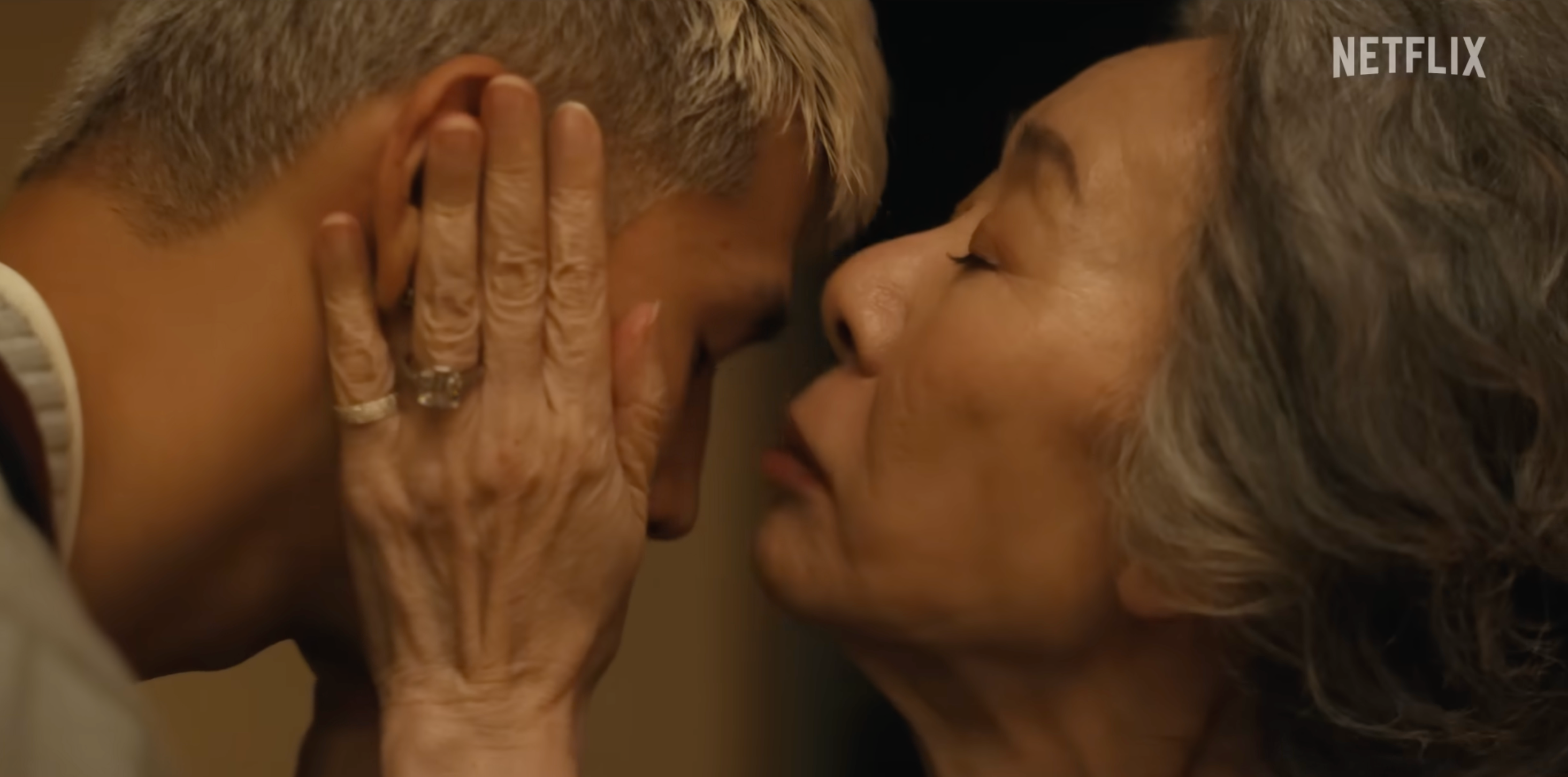
"Even Youn Yuh-jung is paving the way for me. It sounds very scary, but I hope I can do the same for the generations to come. I think there is a low-key sense of responsibility that I carry, but it’s shared. Lee Sung Jin — he’s doing that. Charles Melton is doing that. Youn Yuh-jung is doing that. And so many Korean stars are doing that as well.”

This article originally appeared on HuffPost.