Press
'I left a children's home – and was embraced by love'
Images
1 / 11

2 / 11

3 / 11

4 / 11
5 / 11

6 / 11
7 / 11
8 / 11
9 / 11

10 / 11
11 / 11
"I had no-one else, so to feel part of a family after leaving care is making a huge difference."

Poppie was 10 when she was placed in care after a breakdown in her relationship with her mother.

She started living with a foster family, but within two years moved into a children's home in Hertfordshire where she stayed until just before her 18th birthday.

She has no contact with her birth family - but Poppie wasn't alone as she took her first steps into adulthood last year.

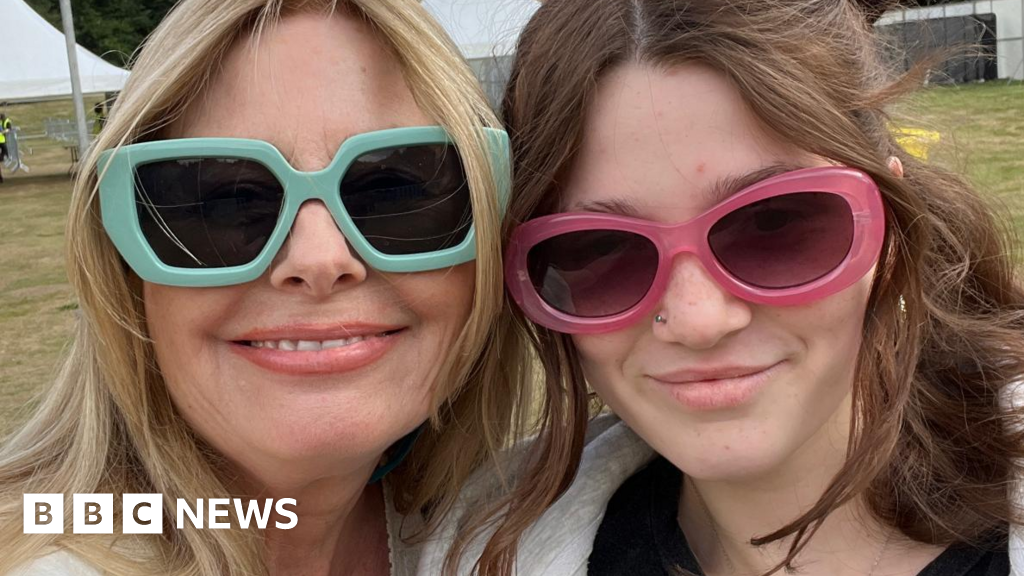
Brigitte Marshall, 58, and her son, Reuben, 24, who were support workers at her care home, are now there for her.

Reuben was her key worker and played a crucial role in supporting her to sit her GCSEs. Now, they accompany her to medical appointments and have helped her chose a college course. In September she will begin a health and care course and has ambitions to become a doctor.

"It means so much having Brigitte and her family in my life," says Poppie, 18, who attends family BBQs, social events and trips out with them.

She is so close to the family that she refers to Brigitte as "mummy Brigitte".

Poppie benefited from a government-funded scheme called the Finding Family programme, where she was given a coordinator by the local council who helped and encouraged the bond with the Marshall family.

But not everyone leaving care is as lucky.

For many young people, the move out of the care system is sometimes described as the "cliff edge" - it's the point at which care and support can stop almost overnight.

"The thought of her leaving and being all on her own when she left care was shocking," Brigitte says.

"When you leave you get support sorting out housing, finance and education, but you need more than that.

"I just wanted her to feel valued, loved and supported."

Brigitte has four children of her own, but thinks of Poppie as part of the family.

Mackenzie, 20, has also received support under the programme, which has been piloted since 2023.

He spent six years in care after his mother died and his relationship with his father broke down. Mackenzie was placed in a care home in Norfolk, miles away from his family in Hertfordshire.

Although he kept contact with his father while in care, his coordinator helped him establish relationships with his wider family, including aunts, uncles, cousins and a half-sister. She even organised a family get-together.

"It's wonderful to feel close to them again," Mackenzie says.

"I still have trauma from my childhood and sometimes need some time out – but there would be a big hole in my life if I didn't have the contact I do."

He says his coordinator helped provide "a safe space" to connect with his family, helping arrange and plan things.

The support Poppie and Mackenzie received in Hertfordshire is something the government is aiming to ensure is available to all 80,000 children in care.

The Department for Education has so far provided funding to 25 local areas to employ coordinators to help children re-establish or develop new relationships with trusted adults.

These can include everyone from estranged family members to developing closer bonds with teachers, former sports coaches or, as in the case of Poppie, people she has come into contact with while in care.

During the pilot, young people who were supported have made an average of nearly two meaningful relationships. More than a third were helped to reconnect with family members.

Similar support exists in some places outside the pilot, arranged by councils or charities independently, but it is patchy.

The government is aiming to address this by making £8.4 million of funding available over the next three years, to ensure all children in care and leaving care are offered this support.

Children's minister Josh MacAlister said he hoped the move would help children leaving care "achieve and thrive".

"Too many children leave care without the lifelong relationships that most of us rely on for love, support and stability throughout adulthood," he adds.

This announcement is part of a wider package of measures to reform children's social care, including creating more foster placements, keeping children in care closer to their home areas and ensuring councils provide support on issues like housing and employment up to the age of 25.

While the changes are being welcomed by those working in the sector, there are huge challenges to overcome.

Young people who leave care are three times more likely not to be in education, employment or training and a end up homeless within two years.

Cathy Ashley, head of the Family Rights Group, a charity which has worked closely with the government and council to deliver the Finding Family programme using a model the group developed called Lifelong Links, says the roll-out of the support is a "brilliant start".

But she says "huge challenges" remain.

"The state system has fundamentally failed for so long, that is why the outcomes for these young people are so poor."

In particular there needs to be more housing and employment support, she says.

"We have to keep building from here if we are going to solve this."

Ofsted rates the Salford facility run by Care 4 Every Child Limited as inadequate.

It follows a recommendation by health experts that only a small group of men should be screened.

Dave Cossie lost his brother Pete in 2025, and was himself diagnosed with prostate cancer in 2023.

Freedom Leisure will take on running the five centres across the county, it is confirmed.

As scientists edge closer to new treatments for hair loss, Victoria Derbyshire examines what such breakthroughs could mean for women.