huffpost Press
This New Queer Film Is Being Hailed As The ‘Heated Rivalry’ Of Horror
Images
1 / 10

2 / 10

3 / 10
4 / 10
5 / 10

6 / 10

7 / 10

8 / 10

9 / 10

10 / 10
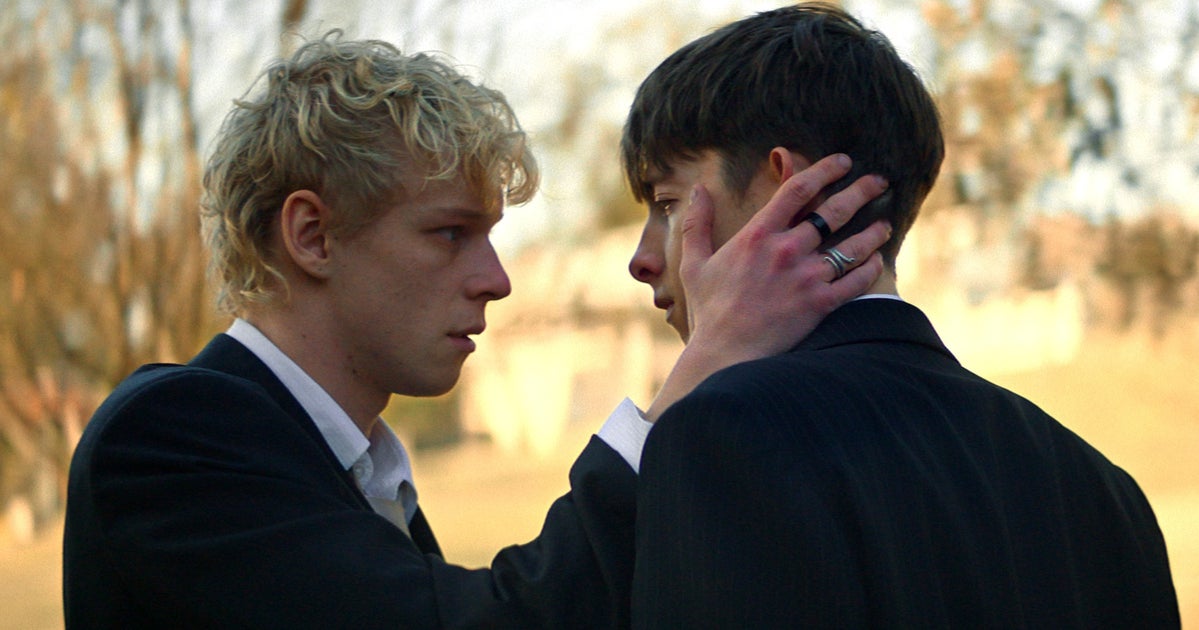
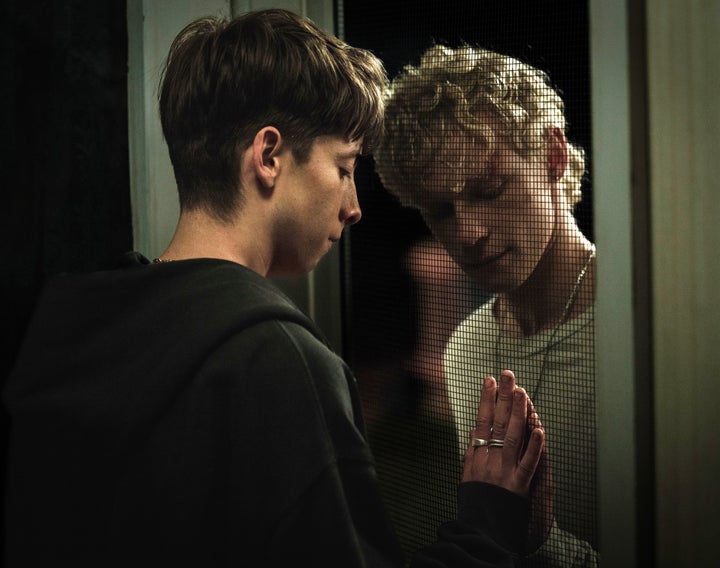
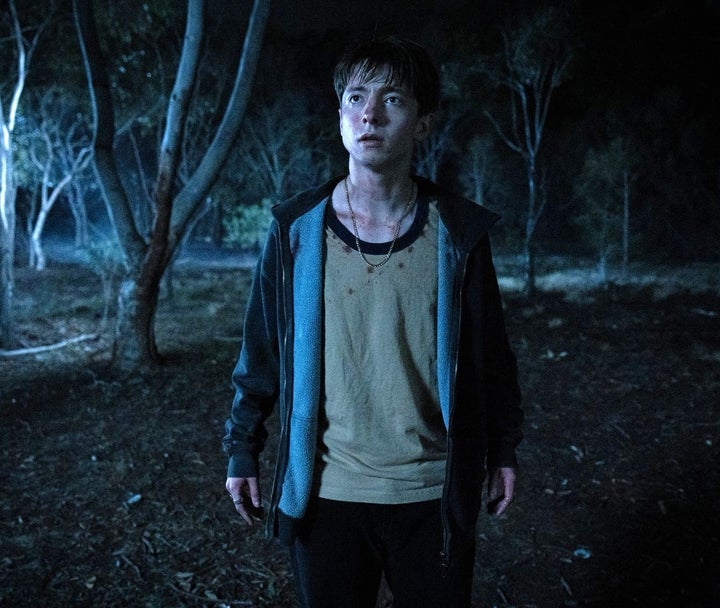
A budding romance between two queer teens gives way to a nightmare in “Leviticus,” a new horror film that puts a paranormal twist on the challenges of growing up LGBTQ+ in a conservative Christian community.

Adrian Chiarella’s feature debut opens in theaters Friday after premiering at the Sundance Film Festival in January to wide acclaim. The writer-director said his movie reflects the current threats to LGBTQ+ rights, both in his native Australia and around the world, as well as his love of classic horror films like “Carrie” and “The Thing.”

“I wanted to make a film that explored what homophobia was in the modern day, but more importantly, what it was to me, personally,” he told HuffPost. “So I started thinking about what I experienced as a teenager in terms of homophobia, at a time in my life when I weirdly turned to horror movies as a source of comfort.”

“I think a lot of young queer people had a special connection to those movies, and the fact they were about outsiders and otherness,” he continued. “They took the coming-of-age experience and [portrayed it as] teenagers being chased by monsters, so I wanted to tap into that.”

“Leviticus” ― the title of which alludes to the biblical verse many have interpreted as a condemnation of same-sex relationships ― follows Naim (played by Joe Bird) and his widowed mother, Arlene (Mia Wasikowska), who have recently relocated to a rural town in Australia. The introverted Naim becomes smitten with a classmate, Ryan (Stacy Clausen), and the pair are soon engaged in a secret tryst.

Convinced that his feelings of first love are reciprocated, Naim is crestfallen when he spies Ryan embracing another boy, Hunter (Jeremy Blewitt), who happens to be the son of a neighborhood preacher. When Hunter’s father learns of his son’s burgeoning sexuality, he calls in a “deliverance healer” (Nicholas Hope) to perform an exorcism-like ritual on Hunter and Ryan to cast out their same-sex attraction.

Before long, Naim is also subjected to the deliverance healer’s ritual. When he and Ryan attempt to rekindle their romance, they find they’re being stalked by a shape-shifting entity that takes the form of the object of their affection, meaning they can never be sure if they’re engaging with each other or a ghostly doppelgänger hell-bent on leaving them dead.

When Chiarella began writing his screenplay, he looked to the 1972 science-fiction film “Solaris,” in which a space-traveling psychologist is visited by an apparition of his late wife, for inspiration. He also delved into research around reparative, or “conversion,” therapy practices that target LGBTQ+ youth and remain prevalent in right-wing religious groups.

“They claim that they’re expelling some sort of gay demon,” he said, “but what they’re actually doing is planting this seed of fear that will scare [victims] away from their own feelings, identities and desires.”

For U.S. moviegoers, “Leviticus” marks the welcome return of Wasikowska, who rose to prominence as the star of Tim Burton’s 2010 adaptation of “Alice in Wonderland” but has stepped away from Hollywood to focus on independent Australian films in recent years.

Though Chiarella envisioned Wasikowska giving a “big horror movie mom” performance in the vein of Piper Laurie in “Carrie,” he found the actor could convey more “on a simmer” and with less dialogue.

As for Bird, 19, and Clausen, 21, the actors were tasked with creating two distinct personas for their characters as they alternately appear in their mortal and supernatural forms. Chiarella credits intimacy coordinator Amy Cater with choreographing the pair’s movements to depict Naim’s and Ryan’s transitions “from desire to attack” mode: “We talked a lot about big cat animals that can move very fast but don’t have great stamina, which means they need to get as close as possible to their prey.”

Inevitably, “Leviticus” has drawn comparisons to other queer-centric favorites, with Out magazine deeming it “the ‘Heated Rivalry’ of horror.” If it succeeds, it could position Chiarella among the ranks of filmmakers Ari Aster and Jordan Peele, who have similarly used horror tropes for sociopolitical commentary.

While Chiarella would like his movie to help audiences “understand what young queer people are going through, no matter where they are in the world,” he’s also hopeful the story will speak to anyone who has embarked on a journey of self-discovery at any age.

“No matter who you are, you can’t change who you are,” he said, “and you have to overcome the fear of that.”

Catch the trailer for “Leviticus” below.

By entering your email and clicking Sign Up, you're agreeing to let us send you customized marketing messages about us and our advertising partners. You are also agreeing to our Terms of Service and Privacy Policy.