Canadian Comedic Legend Norm Macdonald Remembered in New Netflix Documentary
Photo record
7 images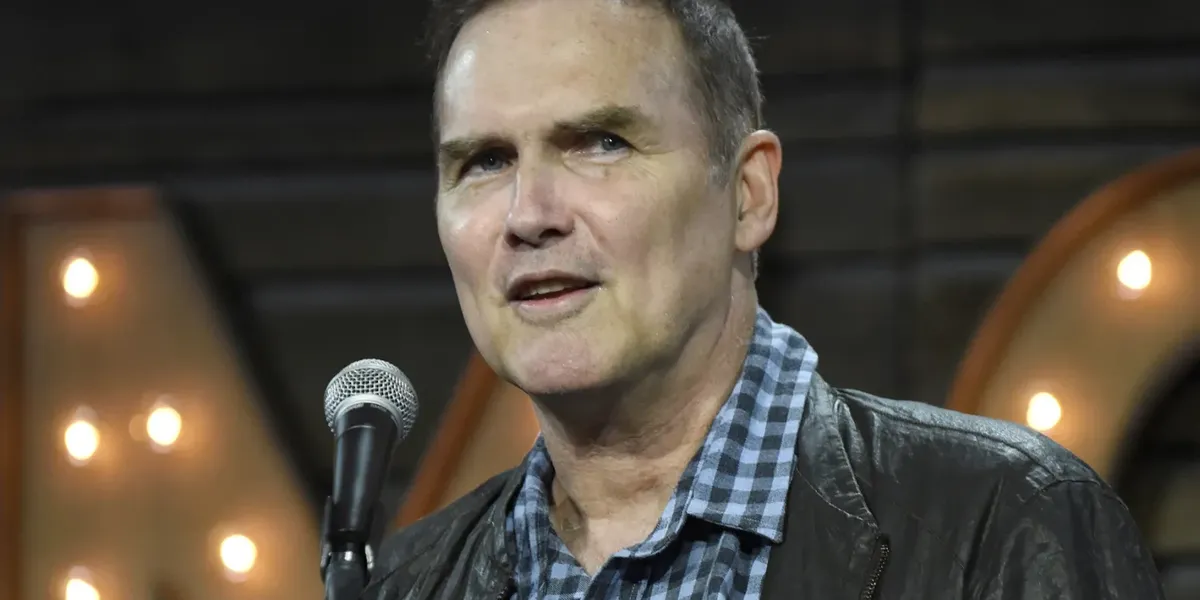

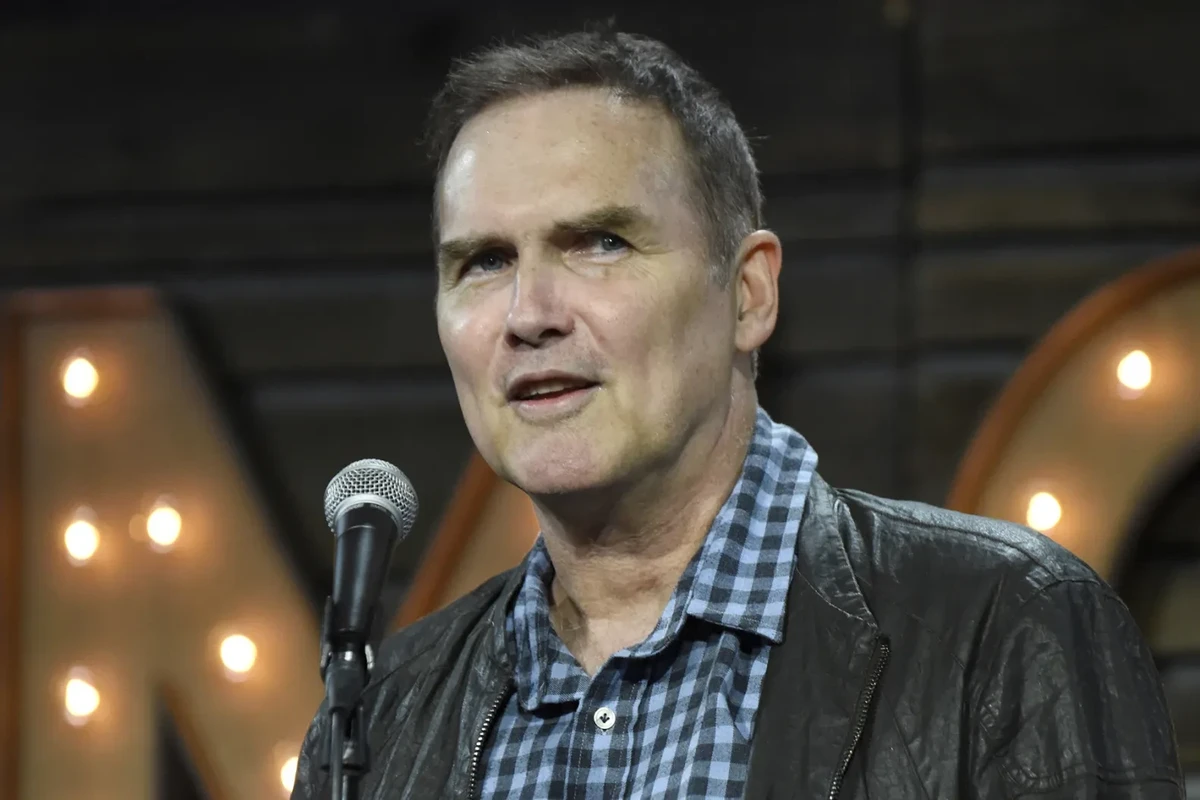
Judd Apatow's 'Norm: The Tale of Norm Macdonald' will premiere October 16 on Netflix
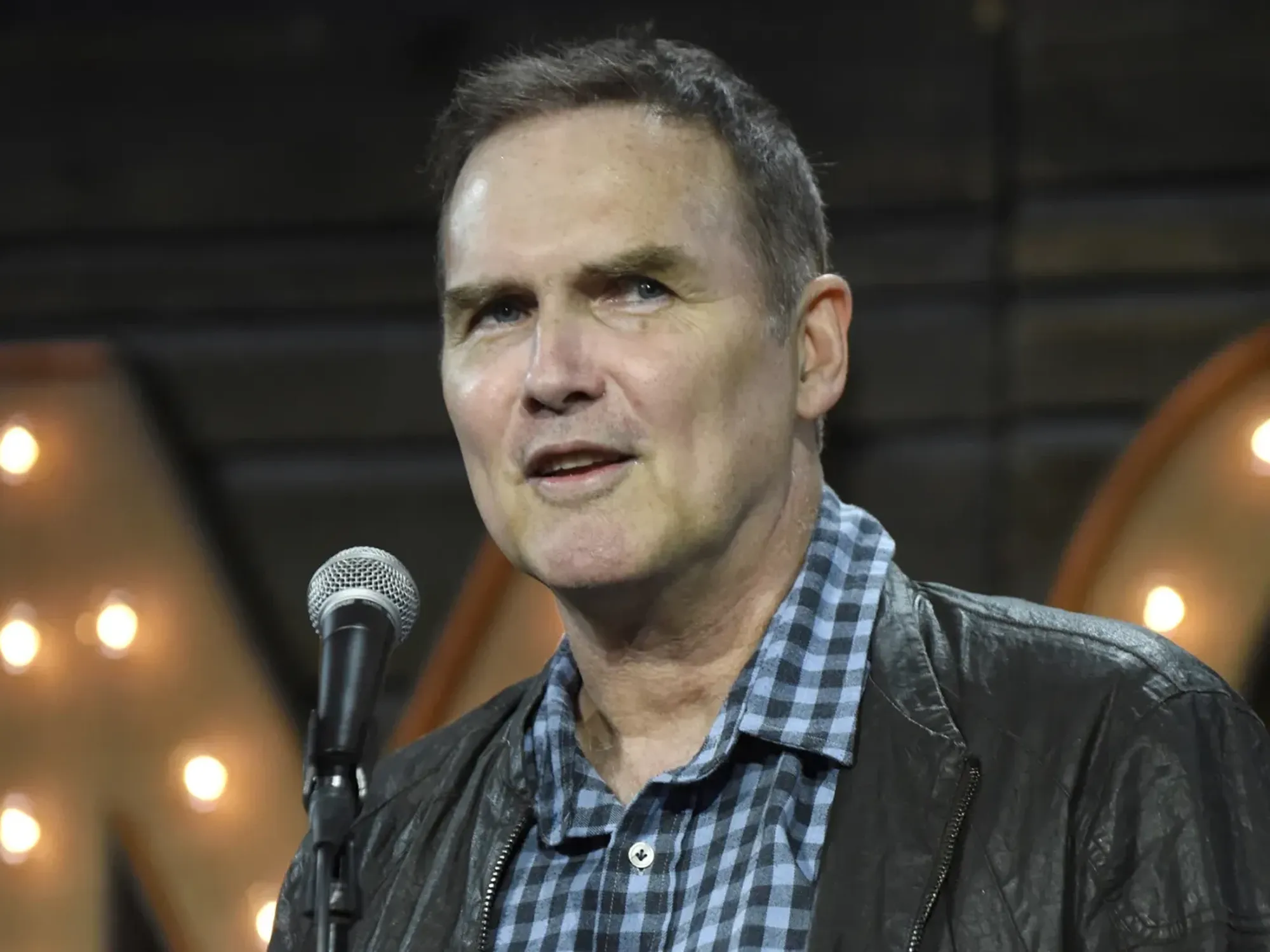
Norm Macdonald performing at Del Mar Fairgrounds in 2017
Billy Eff is the Content Director for Rolling Stone Canada. An award-winning journalist and columnist, he has previously contributed to outlets including VICE and Urbania. A passionate advocate for underground music and a musician himself, he has conducted several hundred interviews with artists and industry professionals across a wide range of styles and genres over the past 15 years. He is based in Montréal, Québec.
Norm Macdonald’s story is coming to Netflix this fall, with a new documentary from Judd Apatow set to revisit the life and career of the Canadian comedy legend.
Norm: The Tale of Norm Macdonald will premiere October 16, Variety reports, and will be the first major documentary devoted to Macdonald since his passing in 2021. Apatow is directing the film, which promises an intimate portrait of the comedian through archival footage, personal photographs and rare home videos. The project has been in the works since at least early 2025, when Apatow publicly asked fans to submit photographs, videos and other material that could help tell Macdonald’s story.
See on Instagram
Macdonald was born in Québec City in 1959 and spent his early childhood in the Quebec City area before his family relocated to Ottawa. He eventually began performing stand-up at Ottawa’s Yuk Yuk’s, before making an early breakthrough at Montreal’s Just for Laughs festival.
The documentary’s official description focuses on the career that followed, from Saturday Night Live’s Weekend Update to Macdonald’s enduring reputation among fellow comedians. also offers a chance to see the roots of that career before Macdonald became a household name south of the border. Apatow has previously directed documentaries about comedy figures including George Carlin and Garry Shandling.
Martin Andrijasevic and Hamzah Al-Emad in Dawson City, YukonAndre Santos/@themindofandre
Slushy Noobz fans inhabit something of an inner sanctum, fluent in the Toronto-based YouTube channel’s running jokes and lore. The channel, launched in 2023 by Hamzah Al-Emad, 24, and Martin Andrijasevic, 27, grew out of the pair’s friendship and a shared love of old-school gaming videos, and features everything from Minecraft role-play to restaurant reviews, road trips, and increasingly elaborate real-world challenges. On a Zoom call from a hostel room, midway through a cross-Canada livestream tour, Andrijasevic puts it more simply: “Finding entertainment in the mundane, that’s all we do.â€
As members of a generation raised on YouTube, Slushy Noobz feels quietly subversive. While online entertainment aimed at young men increasingly rewards nihilism, cruelty, and humiliation (see Clavicular), Al-Emad and Andrijasevic are refreshingly normal: two friends hanging out and paying close enough attention for the banal to become strange. Before Slushy Noobz, both made short-form videos on their own. They talked through DMs, became online friends, and eventually met in person. Andrijasevic was living in Ottawa; he later moved to Toronto so they could make videos more regularly. Their early videos revived the spirit of 2010s-era YouTube: two grown men playing video games and treating a newly adopted dog like the center of an elaborate mythology. Other days, they wandered Toronto with an iPhone or simply turned on the camera while they were already hanging out. The channel now has more than 1.5 million YouTube subscribers.
Their growing popularity has also produced an increasingly strange collection of celebrity crossovers. Al-Emad and Andrijasevic have gone live with NLE Choppa, while Andrijasevic appeared alongside the rapper in a Marc Jacobs campaign and, more recently, popped up in a Lil Uzi Vert music video. This summer, they partnered with Toronto underground music festival First Class Fest, which boasts headliners like Osamason and Lancey Foux, Lucki and Nettspend. “We’ve just brushed up so many times with this underground sound,†Andrijasevic says. “We’re friends with a couple of producers here and friends with some artists. I think we just fall naturally in this place.â€
See on Instagram
Earlier this summer, inspired by the globetrotting extravagance of 21-year-old streamer IShowSpeed’s marathon travel streams, the Slushy Noobz boys tried to take their friendship live across Canada. On Speed’s streams, hordes of screaming fans, “stream snipers†tracking his whereabouts in real time, and locals who have no idea what’s going on can suddenly find themselves in the middle of one of the internet’s most popular primetime shows.
Along with their production crew, who went ahead to test internet connections, meet locals, and scout each stop, Al-Emad and Andrijasevic were less concerned with manufacturing confrontations than letting local people show them around. They beaded with Indigenous elders and went fishing in Newfoundland with someone for whom catching and cooking fish was simply daily life. At other stops, they sought out local figures who carried their own kind of small-town fame.
They thought about tone from the start. As it currently exists, IRL streaming is often fueled by the desire to see drama play out live on camera. Strangers can become props, and public spaces can turn into film sets no one agreed to take part in. During our first conversation, Andrijasevic says the genre had “a harassment air to it.â€
Like all content creators in 2026, Andrijasevic and Al-Emad know fan-created clips help spread their videos across social media. A stray moment could reach people who had never watched them before. Earlier this year, one of their clips caught the attention of PlaqueBoyMax, a streamer and musician known for making songs live with guests. He invited them onto his stream the next day. “He didn’t even really know who we were, it seemed like,†Al-Emad says. “It was just sort of ‘clips recognized clips.’â€
They eventually joined Max on stream and recorded a vocal drop he could use as a producer tag, the audio signature that identifies a beat or producer. “I’m going to be honest, bro. Like, we on the internet, everyone’s so judgmental. We just got to stand out and be ourselves,†Max told them during the stream. Around the same time, people were picking apart whether Max himself was masculine enough, calling him “zesty†and criticizing his tattoo of the word “diva.†Andrijasevic texted him to ignore it. “Being that invested in someone else’s business is crazy,†he says. “I get ‘zesty’ allegations a lot, but it is what it is.â€
By our second call, the trek had cured them of a few assumptions about streaming. Al-Emad says it takes “a certain type of person†to stay on for so long while also thinking about “short-form, clippable moments all the time.†They gave it their best shot, he says, but “there’s just some people who are bred for this and that’s not us.â€
Andrijasevic went into the tour thinking they’d be naturally good at IRL streaming. As the trip went on, he says, they stopped trying to squeeze a video out of every stop. They became more interested in “authentically experiencing everything.†“It’s just so much harder than we expected,†he says. Their usual videos draw on spontaneous moments but have the benefit of editing, allowing them to shape the way diversions can play into the bit.
The word “wholesome†follows them around, and the tour brought it up again. Andrijasevic doesn’t mind being seen as an alternative to the harder, alpha-male side of streamer culture. He says he’d welcome audiences looking for a change “with open arms.†Meanwhile, Al-Emad bristles at the idea of being typecast as “safe.†He isn’t interested in promising a sanitized stream where nothing strange or messy happens. He just doesn’t think someone has to be humiliated to make a moment count. Andrijasevic’s definition? Two friends “experiencing the world.†“That’s all,†he says. “There’s nothing else really there.â€
If Slushy Noobz goes live again, it’ll probably look more like an event than a road diary. Al-Emad is drawn to one-off broadcasts that let them bring in musicians or other guests. He wants viewers to feel they have to be there. Constant streaming, he says, belongs to “a different beast.†Andrijasevic agrees. The tour is also being shaped into a documentary, but at the time of our second call, details hadn’t been announced yet. “Real Gs move in silence like lasagna,†Andrijasevic says. By the time they get home, Al-Emad doesn’t want to make merch or launch another stream for the moment. He wants to get back to making “really good YouTube videos.†Andrijasevic compares it to coming home from a long trip and suddenly wanting to declutter the house and start working out. “We feel re-energized in a new way,†he says.
“It’s that old trope, that musicians want to be comedians, and comedians want to be rock stars,†Robby Hoffman says.
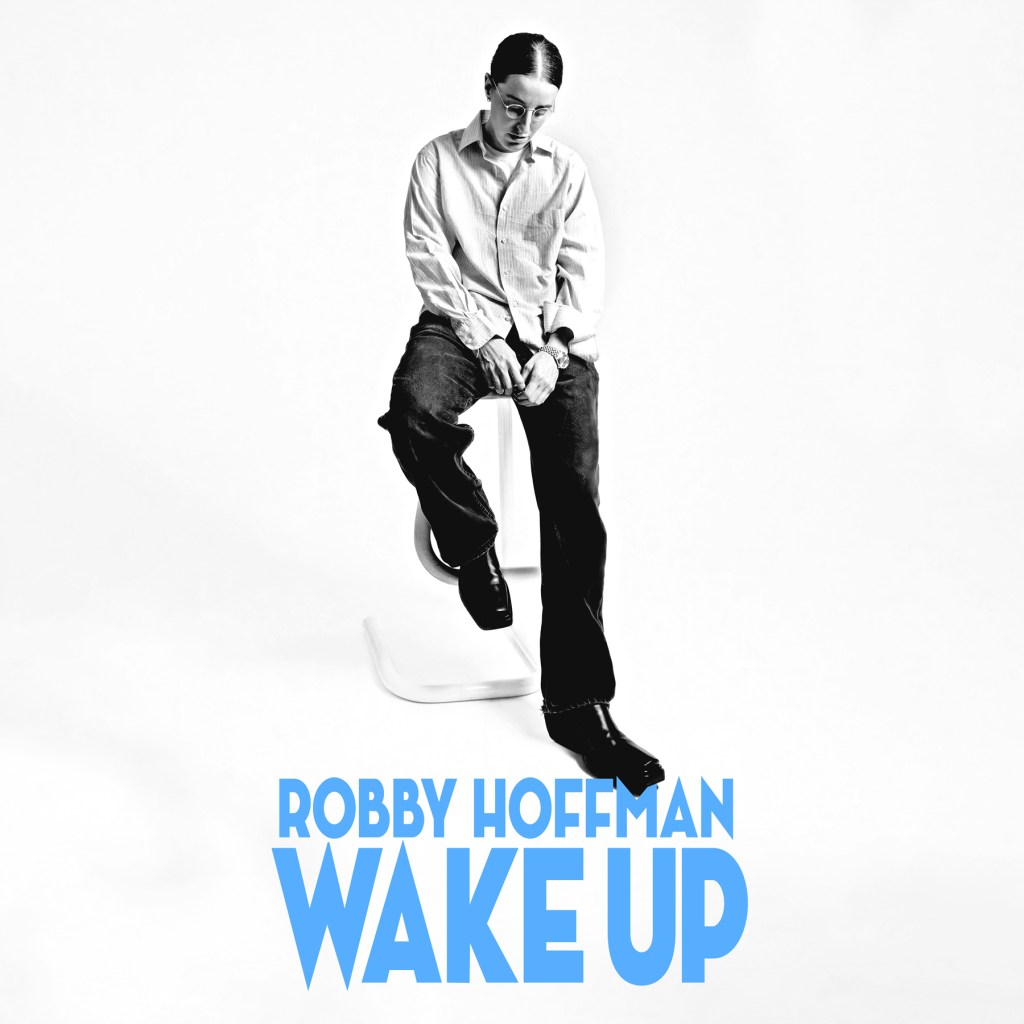
We’re talking about her comedy special, Robby Hoffman: Wake Up, which was produced by John Mulaney and was a breakout hit on Netflix when it aired in December 2025. Today, it also drops as an album from the legendary indie label Secretly Canadian, available in digital format as well as a limited run of signed vinyl. (Find out where to order here.)
For a diminutive Jewish dyke (her word) from Montreal, Hoffman has an ineffable swagger — it’s something in the incongruity of how she looks, paired with her jokes dressing down children, pedophiles, and the Brooklyn straights who use they/them pronouns. “I come out very rock star-like. It’s almost like this old Andrew Dice Clay way of doing comedy. [On tour,] I’m in a lot of historic music venues, and we’re bringing the house down with comedy instead of music. Our fandoms have really collided.â€
So it makes sense, then, that Hoffman is releasing her first album. “You always see those pictures of artists signing shit,†she says. “They want me to do that now, so I’m gonna do that. I’ll take a picture.â€
Hoffman’s rise to fame has been “slow and steady,†says the comedian, 36. “I know everybody wants to pop off right away. For me, I was always doing this for love or money. This is how I toil.†She started with four-minute stints on Toronto comedy club stages, working her way up to short specials on Netflix. Then came scene-stealing roles in Hacks (which earned her an Outstanding Guest Actress Emmy nomination earlier this year), Dying for Sex, and Rooster, and now she’s selling out venues across the globe. “I’ve been moving from smaller venues to bigger venues,†she says. “I was, for a very long time, ‘If you knew, you knew.’ Now I’m like, ‘You have to know.â€
In the press release for the album, Hoffman jokes that putting out a physical album is the only way her mother will finally hear the special. In reality, Hoffman’s interest in comedy records came almost entirely from her. “My mother, who’s a musician and avid record [collector], she probably has 10,000 records,†Hoffman says. When she got started in comedy about a decade ago, her mother started sending her comedy records. Now, the comedian makes sure to hit record stores in the towns where she tours. So far, she’s got about 50, which she shows off via Zoom. “She’s been sending me [George] Carlin and Joan Rivers,†she says, flipping through. “These are a lot of Carlin.†She pauses and makes a little grimace, pulling out another album. “But I have Bill Cosby.â€
She launches into a bit about how her mother doesn’t have a conception of “art vs. artist†— “What’s the problem with Cosby?†she says in a perfect Borscht Belt lilt, imitating her mother. “Suddenly, there’s a problem with Cosby?†Her mother, she says, doesn’t pay attention to pop culture enough to know anything about the people who make the art. “She just knows the work,†she says. “It’s actually a great way to live.†It’s classic Hoffman — a little aggressive, a little nervous, a little anachronistic, a throwback to a comedy era where someone with her personal bio very likely would not have been welcomed into the fold. (“I’m somewhere between seven years old and 73,†Hoffman says.)
Hoffman was born in Brooklyn, one of 10 children in an ultraorthodox Jewish community, and raised in Montreal after her Canadian mother extracted the family. “We grew up poor with a lot of records and a lot of books, and that was really it,†she says. “When I got into comedy, she would be like, ‘Oh, you should listen to Lenny Bruce, Jackie Mason,’†Hoffman remembers. “And I used to think those people were hacks. But then I went back. I’m like, ‘These guys are fucking awesome. She’s totally right.’†Now, when Hoffman goes home to visit, the two listen to them together. “She goes, ‘Let me just put it on,’ and we are laughing. We are laughing.â€
Though Wake Up has been streaming on Netflix for over six months, it’s this kind of intimate experience she hopes people will get by listening in an audio-only medium. “There’s a tactileness to sound, the cracking of it. It makes it more tangible,†Hoffman says. “You’re looking at the other person you’re listening to it [with]. If you’re listening to a record communally, or in my case with my mother, you’re laughing. You’re looking at her, laughing, watching me, we hear the crackling of the record. It fills the room in a way that contemporary media just hasn’t nailed.â€
It didn’t hurt that Secretly Canadian was eager to put out the album, and made the process extremely easy. “We’ve been big fans of Robby’s for a long time and couldn’t pass up the opportunity to work with her,†John Coombs, vice president of A&R at Secretly Group tells Rolling Stone. “She’s a legend in the making.â€
Though Hoffman won’t discuss the project she has in the works with HBO, she has plenty going on between spending time with her wife, former Bachelorette Gabby Windey, and an increasingly rigorous tour schedule. At the moment, she’s preparing herself emotionally for an upcoming Australian tour. “This is in February 2027,†she says. “I’m already nervous about it. The flight — it’s too long.†But too-long flight or not, she’s excited that people care enough to want her to come. “You think I want to go to Australia?†she jokes. “No, I’m coming for you.â€
Luigi Mangione, pictured in Honolulu in 2023, pleaded guilty last week.
On Friday, Luigi Mangione confessed to stalking and killing United Healthcare CEO Brian Thompson on a Manhattan street in Dec. 2024. Since the shooting, Mangione has become a nationally recognized figure, and for some he is a symbol of violent retaliation against a broken healthcare system. Throughout the swirl of attention on him, though, his friends and family have remained largely silent.
While in Metropolitan Detention Center, a federal jail in Brooklyn known for housing inmates such as Diddy and Sam Bankman-Fried, Mangione has stayed in touch with some friends. Mangione didn’t have any friends or family in federal court Friday, but friends who spoke with Rolling Stone say they were unaware he was planning to submit a guilty plea. His federal trial was set to begin in Jan. 2027, and the state trial was scheduled for next month.
“Friday was deeply emotional,†says R.J. Martin, Mangione’s friend and former landlord in Hawaii, where Mangione lived after college. “Beyond the noise, Luigi is a human being with a circle of longtime friends who know who he is, stay in touch, and care about him deeply.â€
Martin believes, “Luigi was declared guilty by our government from the start,†and he adds that would make “a truly fair trial difficult to imagine.â€
Other friends of Mangione’s say they were surprised to hear he was pleading guilty as opposed to seeing how at least one of his upcoming trials would play out with a jury. Many expressed their sadness at knowing their friend would likely spend much of his life incarcerated, but declined to comment on the record.
A former friend of Mangione’s who did extracurricular computer programming with Mangione in high school says he found it “really weird†to hear the guilty plea, calling it a “stark shift†from the Mangione he used to know.
“He never struck me as a political person,†says R.K., who asked to use only his initials. “I think it speaks to the radicalization in this country in the current day.â€
R.K. says he finds the crime “unacceptable and deeply sad†but says he hopes the guilty plea doesn’t stop the conversation about Americans’ frustration with the healthcare system. “I’ve experienced the difference firsthand as a foreigner living in this country,†says R.K.
When Mangione was first arrested as the shooting suspect in Dec. 2024, the cellphones of his classmates at Gilman, the prestigious high school in Baltimore he attended, started blowing up with students messaging each other. “Did you see the news?†“OMG, Luigi?!†“I can’t believe it.â€
“Luigi was in this crew of kids that you knew were going to an Ivy and were going to do groundbreaking science research,†one of his high school classmates told Rolling Stone in 2024, shortly after he was accused of the crime. “But Luigi was the only one [of them] you could shoot the shit with. Once you got him talking, he had all of the kind of suave, cool-guy vibes.â€
“Luigi was always chasing perfection, because that was his identity: being smart,†said Mangione’s former high school teacher, who thought Mangione would grow up to work in a science lab or build AI models. His friends in Hawaii remember him as thoughtful, kind, and compassionate.
After Mangione was arrested in Dec. 2024, his family went on lockdown; his parents stopped opening their mail, and his sisters deleted their social media accounts. Friends dropped off baked goods at their home. “We only know what we have read in the media,†the Mangione family said in a statement released Dec. 9, 2024. “Our family is shocked and devastated by Luigi’s arrest. We offer our prayers to the family of Brian Thompson, and we ask people to pray for all involved. We are devastated by this news.â€
It is the Mangione family’s only public statement to date.
Over the past year and a half, Mangione has garnered international support from fans and health care activists alike. Since his guilty plea on Friday, his supporters have expressed disappointment, confusion, sadness, and frustration, with many of them saying they wished Mangione had gone to trial in order to draw more awareness to flaws in the American healthcare system.
Mangione pled guilty in federal court to two charges of stalking, which resulted in the death of Thompson, who was in Manhattan for a conference. During his plea, Mangione took a few digs at the health insurance industry while making his longest public comments on the matter.
“After years of enduring severe pain from a broken back, navigating the obstacles of the health insurance system and witnessing similar experiences of countless others,†said Mangione, reading stoically and methodically. “I learned that United Healthcare would be holding its annual investor conference in New York City on Dec. 4, 2024.â€
Mangione revealed that in order to get more information about the location of the conference, he emailed UnitedHealthcare leadership posing as an investor at a firm managing more than $50 billion in assets. “Unlike my previous interactions with insurers, I received an immediate response within an hour,†Mangione said in federal court on Friday. As he spoke, Thompson’s family watched from the front row, sitting behind federal prosecutors.
Later, the Thompson family released a statement saying, “While nothing will ease the pain of losing [Thompson], we are grateful that the federal justice system has held the person responsible for this heinous act accountable. Now we look to the court to ensure that sentencing reflects the severity of this crime.â€
Mangione’s next state hearing was moved back from Sept. 8 to Dec. 10. His state trial was supposed to begin next month, but his legal team has filed a motion to dismiss the murder case on the grounds of double jeopardy. The state prosecution will respond, and then New York State Supreme Court Judge Gregory Carro is expected to rule on the motion in December.
As far as his federal guilty plea, Judge Margaret Garnett has scheduled a sentencing hearing for Dec. 18.
Canada’s proposed social media ban for children under 16 comes with an obvious question: how exactly do you prove someone's age? That question is at the centre of Bill C-34, introduced by the federal government in June. The legislation would require social media platforms to block users under 16, but it does not put forward a clear way for companies to determine someone’s age.
As other countries have discovered, an age gate is only as effective as the system behind it, and the options currently being considered all involve some combination of inconvenience, privacy concerns and opportunities to cheat.
One approach is facial age estimation, where a user takes a live selfie and has software estimate their age. It does not necessarily require a government ID, but it involves biometric information and can be less accurate for some people. As anyone who got into bars and clubs while still underage knows, a 16-year-old who looks 18 could present a problem.
The second option is to verify age through an existing relationship with a bank, cellphone provider or other company. The advantage is that those organizations may already have reliable information about their customers. The downside, however, is evident: many do not have credit cards, phone contracts or other adult accounts. And with younger and younger children having access to devices bought by their parents, this could easily be circumvented.
Digital ID is a more targeted solution that is being worked on. Instead of handing over a birthdate or identification document, a system could simply confirm that a person is above the required age. The European Union is working on developing a technology designed to work this way. But introducing a government-backed digital ID system in Canada could create its own political and privacy battles.
Australia, which has introduced a similar law in 2025, provides perhaps the clearest warning about what happens after the rules are introduced. Its under-16 restrictions have led to millions of social media accounts being removed or restricted, but authorities reported that a substantial number of children still retained access. Facial age estimation has also shown weaknesses around the age threshold. And kids today are so tech-savvy a teenager could use an older friend’s account, borrow a parent’s credentials or access the internet through a VPN that makes the website believe they are located somewhere the restrictions do not apply.
France has also voted on a similar measure, which was blocked by the Constitutional Council, who judged the law too broad.
France’s experience with online pornography, however, offers useful insight for Canada. Under rules strengthened in 2024, pornographic sites must verify that users are 18 or older, with France’s regulator, Arcom, setting technical requirements for the systems. One model involves a third-party age-verification provider confirming a user’s age without necessarily telling the porn site who that person is. Other approaches can include checking a bank card or using an identity document, although France has pushed for systems that offer stronger privacy protections. The regulator’s framework is built around a principle known as “double anonymityâ€: the service verifying someone’s age should not know what content they are accessing, while the porn site should not receive unnecessary information about the person’s identity.
The system has already forced changes. After Arcom threatened sites with blocking and other sanctions, all 17 porn sites targeted by a 2025 government order had either introduced age verification or left France. By February 2026, Arcom said 12-to-17-year-olds were spending 35 per cent less time on monitored sites than a year earlier.
By far, the privacy question is the most concerning. Canada’s privacy commissioner has warned that poorly designed age-assurance systems could expose people to data breaches or create new forms of online surveillance. Marc Miller, Canada's Minister of Culture, said there would be "a back and forth with platforms as to what protects people’s privacy." Bill C-34 is still early in the legislative process, and no date has been set for a final vote. If passed, the legislation would still require Senate approval and royal assent before being enforced.
Perez Hilton attending the Not Alone Awards in Las Vegas on Nov. 11, 2025
Perez Hilton is now receiving inpatient medical care after being hospitalized under Florida’s Baker Act following an overdose and an incident in which he livestreamed acts of self-harm on TikTok.
His family shared the news in a new statement on the blogger’s website. “Perez remains hospitalized and is receiving the medical care he needs,†the post read. “His treatment is continuing in an inpatient setting under the care of a dedicated team of medical and mental health professionals.â€
The Miami-Dade Sheriff’s Office, which responded to multiple calls regarding an individual who was livestreaming acts of self-harm on social media, initially stated that Hilton was “safely recovered†and transported to a local hospital following the Aug. 4 incident. An incident report stated that a fire rescue team “began treatment on scene for multiple lacerations and an overdose†before the blogger was hospitalized.
On Aug. 9, Hilton’s family provided an update via his official website that said that the blogger was in “serious but stable†condition after “[he] experienced significant blood loss and sustained additional injuries that will require surgery in the coming days.â€
According to the police report, Hilton’s sister Barbara Lavandeira said that her brother had been “suicidal†the week prior to the livestream and that he had been taken to get treatment by the family that same week. In an interview with Page Six, she provided more details on Hilton’s state of mind. “He told us that a few days earlier he had felt empty, hopeless and like he was a burden on everyone,†Lavandeira said.
In their most recent update, the blogger’s family also announced that his website, PerezHilton.com, will begin publishing stories once again. “Perez built PerezHilton.com more than 20 years ago, and it has remained one of the most important parts of his life ever since,†the statement reads. “Whether you have followed Perez from the beginning or only recently started reading, we hope you will continue visiting, reading, and sharing the site,†the family wrote, adding, “For now, Perez’s health remains the priority as his team keeps the site active and moving forward.â€