All of Ed Sheeran’s Openers Abandon Tour After Macklemore Debacle
Photo record
7 images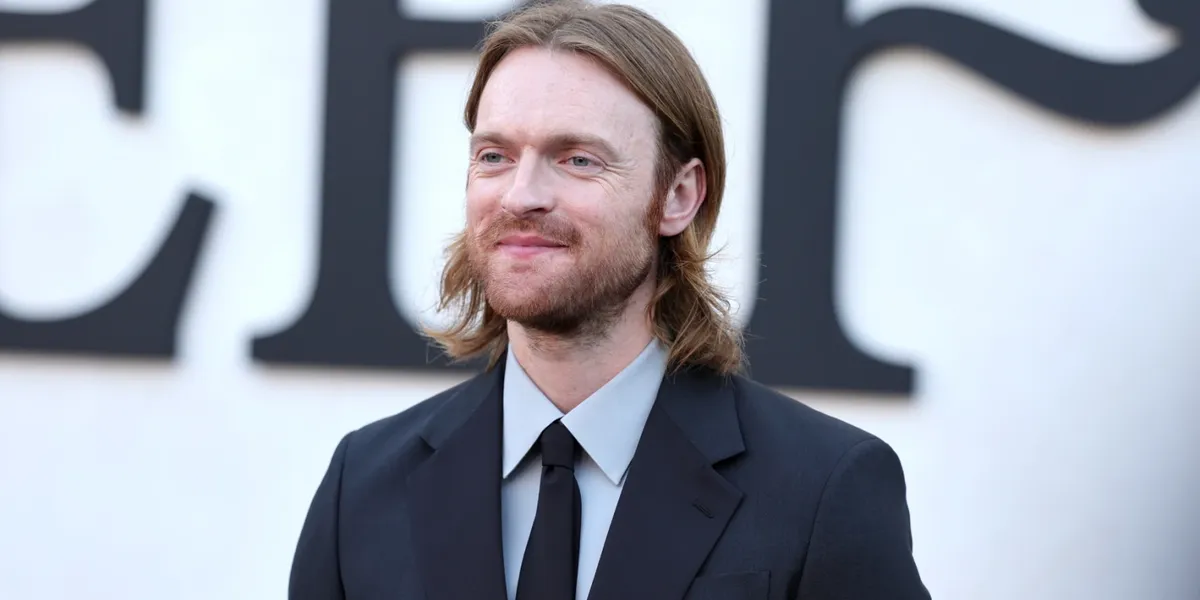

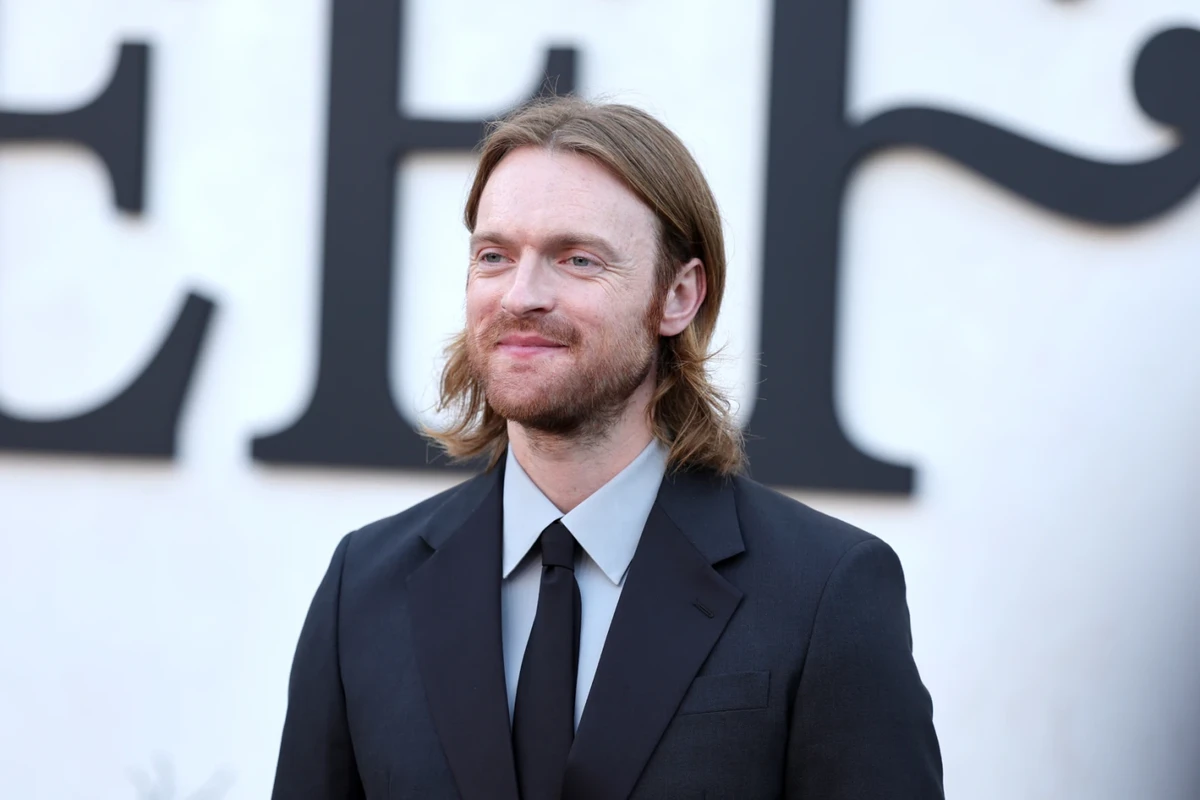
Finneas, Lukas Graham, and Aaron Rowe withdrew after Macklemore was forced off the trek following a pressure campaign over his comments in support of Palestinians
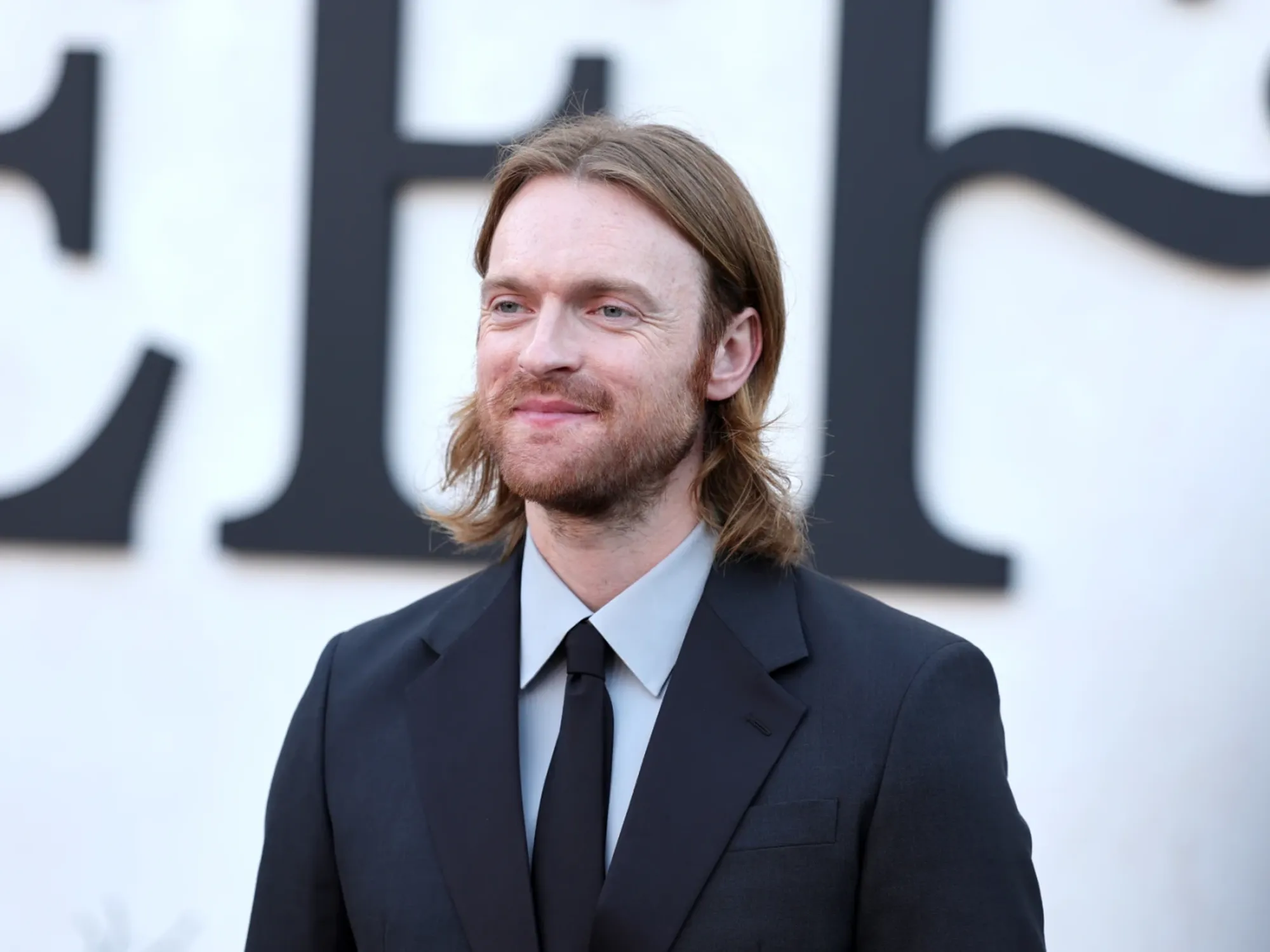
Finneas in April 2026.
Finneas and every other artist supporting Ed Sheeran on his Loop Tour have withdrawn from the trek after Macklemore was forced off it following onstage comments he made in support of Palestinians and critical of Israel’s war in Gaza.
Finneas, the singer-songwriter best known for his work with sister Billie Eilish, will no longer open for Sheeran on the upcoming South American leg of the Loop Tour, which was set to begin in November. “Artists must not be silenced when they speak up for the oppressed,†he wrote on Instagram. “I have decided to withdraw from my upcoming tour dates with Ed Sheeran. I stand with Palestine and its people.â€
See on Instagram
Additionally, the other two openers for the U.S. leg — Danish pop artist Lukas Graham and Irish singer-songwriter Aaron Rowe — announced they would not partake in the rest of the U.S. leg of the Loop Tour.
On Instagram, Graham wrote, “It’s hard to watch families in other parts of the world burying the people they love. We should be able to speak about war, about civilians being killed, about children who deserve to grow up. Wherever they live. Whatever flag flies over them.
“Money doesn’t give you the right to own the conversation. Nobody’s bank balance should decide who gets to speak or which suffering we’re allowed to acknowledge,†he added. “I love Ed, and I’m grateful for everything we’ve shared. That hasn’t changed. But I can’t put these words out into the world and carry on with this tour as things stand. We’re withdrawing from the remaining dates. I’m sorry I won’t be there. This is a difficult decision, but it’s one I need to stand by.â€
“I cannot stand by and allow billionaires to use their position of power to silence the rightful voices of those who speak up against Israeli genocide and who highlight the savage,†Rowe wrote on Instagram. Rowe added that he did not “take the decision lightly,†thanking Sheeran for his friendship and for the opportunities he’d given him. “But,†Rowe continued, “as Irish people we know all too well about genocide, forced famine and violent occupation… I need to be true to myself and my ancestors who resisted colonization, and fought for a freedom that I enjoy today in Ireland.†(Humanitarian groups and a United Nations commission have said Israel’s actions in Gaza constitute a genocide. Israel and its allies, including the United States, have denied this.)
Sheeran is also losing the support of Beoga, a traditional Irish folk band who join him onstage for a run of songs during his set. The band said they made the decision to leave the tour “following the silencing of Macklemore by zionist lobbies.â€
Like Rowe, the band thanked Sheeran for his friendship and for asking them to join him on tour, but said: “We believe in dialogue as a means of progressing the plight of the Palestinian people. As musicians, playing to those crowds every night is the stuff of dreams but to play in venues that silence anyone advocating for a Free Palestine is simply not an option for us.â€
They added, “We were there for Macklemore’s performance and speech. We fully supported his message, so did most of the audience in MetLife Stadium, which terrifies the lobbies. Go back and read the transcript if you’re in doubt. We are Irish people who understand colonialism. As founding members of the Irish Artists for Palestine movement, we are committed activists for justice and will continue to be. This whole episode is once again serving to distract form the real issue, over 1000 Palestinians have been killed since the most recent so-called ceasefire.â€
Macklemore was dropped from Sheeran’s Loop Tour on Monday after several venues told Sheeran they would not allow gigs to take place if the Seattle rapper was still on the bill. Macklemore was heavily criticized by pro-Israel groups for his actions at two shows at MetLife Stadium, where he expressed solidarity with people in Gaza and the occupied West Bank, shouted “Free Palestine,†shared images of the devastation from Israel’s war in Gaza, and performed his protest song, “Hind’s Hall, about pro-Palestine demonstrators at Columbia University.
In a statement, Macklemore said New England Patriots owner, Robert Kraft, led the effort to pressure Sheeran into dropping Macklemore. “Ed told me that Kraft said I would not be allowed to perform in his stadium,†Macklemore wrote. “Ed also told me that Kraft had rallied some of the other stadium owners and collectively they gave him an ultimatum: if Macklemore stays on the tour, you will not be allowed to play in our venues.â€
Kraft, for his part, confirmed he would not allow Macklemore to perform at Gillette Stadium, which he owns. He said the decision was based on the rapper’s “recent actions, material shared from the stage during Ed Sheeran’s shows in New Jersey, and a broader history of antisemitic rhetoric and imagery that we believe has been deeply offensive and hurtful to the Jewish community.†Kraft, however, did not address Macklemore’s claim that he also “rallied†other stadium owners to pressure Sheeran into dropping Macklemore.
On Tuesday, Sheeran reiterated that the decision to drop Macklemore was not his, but that of promoter Messina Touring Group following pressure from the venues. “I have spent this week trying to build bridges, to find a solution and unfortunately, was unable to do so,†Sheeran wrote. “I know who I am, both as a person and as an artist, and those who know my heart know my values too.â€
Reps for Sheeran did not immediately return requests for comments regarding the decisions of Finneas, Rowe, and Beoga.
In certain corners of the internet, Carly Rae Jepsen is not just the woman behind the immortal 2011 hit “Call Me Maybe,†but a bard of pop excellence. Her fans will say she has penned at least five of the century’s best pop songs (though no one can agree on which). She is considered the Canadian equivalent to the Down Under disco queen Kylie Minogue by some, and recalls a young Taylor Swift for her unabashed earnestness. Across her vast discography, she writes, almost exclusively, about this crazy little thing called love, delivering endearing declarations of running away together and bold breakup anthems in her syrupy-sweet voice.
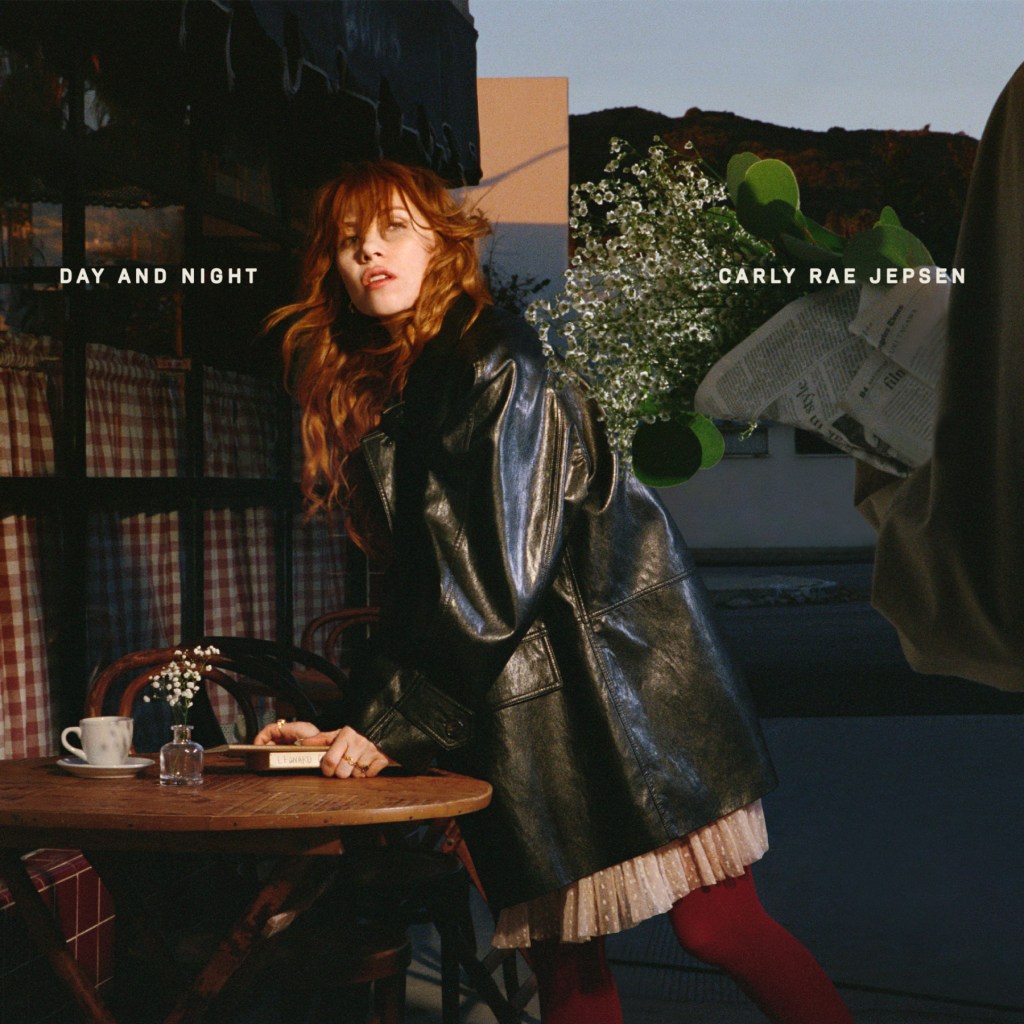
Jepsen’s instinct to follow her heart, whether it’s toward new love or to experiment with an untouched genre, has always been her greatest asset. Her latest record Day and Night isn’t just a double album; it’s also a travelogue — musically and lyrically — of love, some of which is inspired by her romance with producer Cole M.G.N., whom she married last year. From cotton-candy afternoons flecked with Balearic influence to two-stepping sunset soirees and blissed-out bossa-nova confessionals under a twilight sky, it’s Jepsen’s most experimental and exhilarating work, and she makes falling in love feel brand-new all over again.
The Day side of the album draws from silky genres like dream pop and folk pop, where she sounds like she’s on cloud nine. The nu-disco “Habits of Creatures†establishes Jepsen’s desire for stability (“Gimme some more of the same,†she sighs as the synths, which mimic a familiar Todd Terje track, pirouette toward the heavens), and on “Soft,†she lets her guard down and twirls into her lover’s arms. Night jets off to clubs across the globe, where she gets more direct with her desires. There’s the deep house “Near or Far,†the sexy, sample-heavy “Never Let a Good Thing Die,†and a whole lot of disco (this is a Carly Rae Jepsen album, after all). “Don’t Leave Me on the Dance Floor†is a sing-so-hard-you-cry proclamation, where each repeat of the song’s title, from sky-high shouts to cellophane-thin coos, feels like the difference between life and death. “Don’t leave me in the dark to face another song alone,†she beckons to her lover on the metallic chorus, concurrently recalling French touch and ABBA.
Day and Night is a never-ending honeymoon as she saunters through a variety of serene tableaus, like the beach sway of “Blue Skies†or the opulent bacchanal that is “Versailles.†The latter track takes overt inspiration from Sofia Coppola’s 2006 film Marie Antoinette, as Jepsen beckons her love to engage in life’s vices with her, like marring bedsheets with fruit stains and dashing nude through the garden. The record was chiefly produced by Jepsen mainstay Kyle Shearer, who provides Day and Night‘s most danceable tracks, while Bullion, CJ Baran, Magnus Lidehäll, and more, make appearances too. Most notably, M.G.N. co-wrote and produced several songs, including the bubbly ode to family “Motivation†and “Just a Little Walk on the Moon,†which dabbles in bossa nova and acts as a fairytale closer to Day and Night’s first side.
With Jepsen, it’s all about love, all the time, from the dazzling highs to the devastating lows. To her, there’s no shame in airing out your baggage and confessing your feelings in a single song. Night closer “Super Sage†starts with Jepsen nervously pacing, worried she’s driving her lover to the brink as synths pile and pan like spiraling anxieties. Then suddenly, “Super Sage†rockets to the psychedelic-pop cosmos. The tempo picks up, synths undulate like a sine wave, and it all mimics that rush of heat one feels when they’re about to confess everything. Despite the Edenic imagery painted throughout Day and Night, Jepsen’s repeated gasps of “I love you†make for the album’s most romantic and vulnerable moment, full of stark intensity. Seven years ago, on Dedicated‘s “Real Love,†Jepsen screamed to the clouds about wanting genuine connection. On Day and Night, it sounds like she’s found it.
Drake onstage in Toronto last year
Not to be dramatic or anything, but not too long ago, listening to people talk about Drake, you’d think he would never top the charts again. But here we are: With Iceman, he’s broken his own record, earning a 13th week atop Billboard’s Top R&B/Hip-Hop Albums chart on Sept. 5, surpassing Take Care’s 12-week run more than a decade ago. The achievement comes after the great rap civil war of 2024, which was framed as everything from a referendum on Drake’s character as a human being to a cleansing of what popular radio host Ebro would describe, in February 2025, as “a sickness in the game.â€
Again, not trying to be dramatic, but even if you were skeptical of the discourse circa 2024, it is a bit shocking to hear the public’s recent re-embrace of Drake. Consider how far the frenzy around the most salacious allegations on Kendrick Lamar‘s “Not Like Us†extended. There was Christopher Alvarez, a disabled journalist, being dragged into conspiracy theories. There was the woman from the resurfaced concert footage, now 31, having to publicly dispute the creepy significance strangers had assigned to an onstage kiss from when she was 17. Drake said in his lawsuit against UMG that the threats had forced him to pull his seven-year-old son out of school.
What now feels like the absurdity of the moment registered as something deathly serious at the time. By September 2024, Lamar was releasing the ominous “Watch the Party Die,†just days after his Super Bowl halftime performance was announced. Oh, also, a major talking point in American culture a year and a half ago was whether one of the biggest superstars in the world would be publicly branded a pedophile during the Super Bowl.
In what world would any celebrity recover from that?
Except, with time, the online frenzy surrounding the Drake and Lamar feud reads more like a mass-psychosis event than a cultural reckoning. The music, oddly enough, often seemed secondary to the certainty of everyone discussing it. “Not Like Us†was a veritable hit, absolutely. But its cultural dominance became bound up in a widespread vilification of Drake that curdled online, where the most damning interpretation of anything could quickly become the accepted one. For a while, even putting on a Drake song could feel like something you had to explain, as if listening amounted to taking a position on the allegations.
That this all happened in 2024 is meaningful. This was right in the peak of Elon Musk’s reconstruction of Twitter, privileging rage bait and engagement tactics that helped misinformation disseminate like fact. It was also the beginning of AI tools becoming sophisticated enough to produce convincing-sounding tracks. Even before Drake released his first response, “Push Ups,†AI-generated response tracks were circulating across social media. And so, in many ways, the well of public opinion was already poisoned.
Listeners’ recent embrace of Drake feels settled in a broader cultural shift brewing since 2024. The beef, in hindsight, feels like a dying vestige of whatever people want to call “Woke 1.0â€: a particular faith that exposing the right person could amount to a cultural transformation. For a moment, defeating Drake seemed to promise something about the future of hip-hop, about who would belong in it and what it would tolerate.
There were obvious holes in the argument, namely who exactly these arbiters of culture were and why they were uniquely qualified to speak for the entirety of Black people, questions that Drake pokes at on “Ran to Atlanta†from Iceman. Still, these were never even supposed to be binding philosophical truths in the first place. To hear levelheaded commentators discuss it, this was all simply entertainment — two of the genre’s greats duking it out. Even one of the beef’s catalysts, Metro Boomin, echoed the sentiment, lamenting how online fans had turned the battle into something sinister. Hell, even Jay-Z said something similar before himself tossing a few jabs at Drizzy in a freestyle at the Roots Picnic this year. But the artists themselves supplied the allegations. The ability to raise those stakes and then retreat into “simply entertainment†was part of the dynamic, too.
Even so, how it all devolved into a pseudocultural reckoning says more about the environment fans exist in today than it does about either Drake or Lamar. In the years around the beef, shocking revelations about Diddy as well as the global elite’s ties to Jeffrey Epstein have become folded into the background, alongside a sense that accountability remains selective. This atmosphere of collective powerlessness offers one explanation for the conspiratorial thinking at the heart of Lamar versus Drake. A frustration with an increasingly degraded world and dwindling resources to change it means outrage can mobilize an enormous number of people very quickly, with little holding them together once the moment passes.
The language of exploitation and cultural extraction gave the battle a purpose that seemed to extend well beyond either rapper. But even if you took the least charitable opinion imaginable of our Canadian hitmaker, what was supposed to happen after Drake was defeated? The industry whose supposed wickedness Drake allegedly embodied carried on selling the spectacle itself.
What everyone was caught up in was an appetite with a longer history than the social media platforms now feeding it. Lance Oppenheim’s new film, Primetime, returns to Chris Hansen and To Catch a Predator, a television format that made public humiliation feel like a public service. The connection is in the experience offered to the audience. The viewer could enjoy the confrontation with the reassuring sense that watching served some larger good. Never mind if anything that was unfolding on screen amounted to justice.
In the historian Anton Jäger’s book-length essay Hyperpolitics, published earlier this year in English, he describes how the past decade’s surge of political feeling has coincided with a continuing withdrawal from communal life. More isolated digital environments can fuel extraordinary mobilization without the actual community organizations that might turn it into something tangible. Negating Drake, then, became a gesture in itself. A means of signaling a broader dissatisfaction with the direction of hip-hop culture. Where the problems extend to technology and the demoralizing margins of streaming music, for a while it felt good for people to just wrap it all up in one word: Drake.
But on Iceman, it’s hard to take the idea of Drake as an evil force within hip-hop very seriously, even as he himself makes an effort to lean into the role of the villain. Drake’s music is most potent when it’s aimed at the masses, even if he swears his nice-guy days are over. This is the Degrassi kid turned global superstar rivaling Taylor Swift, after all.
Now, with Fear of Missing Out, Drake’s cryptically announced project slated for release this week, we’ve entered a second kind of Drake Renaissance. However delusional it seems, there was a moment when it felt somehow wrong to play Drake. His return to the top of the charts suggests a good deal of people were eager to get back to listening.
Oasis
After teasing fans on social media and in interviews for the past few months, Oasis have officially announced a 2027 tour. The trek, dubbed Oasis Live ‘27, will see the Manchester band play 38 live shows in the U.S., U.K., and Europe. Richard Ashcroft will open all dates.
The U.S. tour dates include three nights each at Boston’s Gillette Stadium and Las Vegas’ Allegiant Stadium in August. The band’s highly anticipated 2025 reunion tour, which kicked off in Cardiff, Wales, included several dates in North America, including stops in Toronto, Chicago, and Los Angeles, but this will be their first reunion shows in either city. A press release notes that “with the exception of homecoming shows in Manchester, the tour will see the band perform in a completely new set of locations from the Oasis Live ‘25 tour.â€
The tour opens in Glasgow with five nights at Celtic Park in May and wraps in September with a return to U.K. venue Knebworth Park, where Oasis will perform four shows. The band notably played Knebworth Park in 1996 as part of Knebworth Festival, a set that was memorialized in Jake Scott’s 2021 documentary.
Oasis announced the tour with a short trailer that starts out atmospheric and nostalgic with a mix of footage from the band’s heyday and reunion tour. With hype properly built, the clip shifts gears as their classic tune “Morning Glory?†kicks in and the dates are revealed.
“START THE CELEBRATIONS!!!!†the band said in a statement. “After a period of reflection ‘The Most Damaging Pop Cultural Force In Recent British History’ has declared itself fit for purpose and will once again return to lift the spirits of the people. Come witness the fitness. It shall be a sight to behold.â€
Tickets for Oasis Live ‘27 will be available only to fans who have registered in advance via the band’s website. Fans must register before Thursday, September 17 at 11 a.m. ET. Fans who are successful will be sent a unique, non-transferable code to access an allocated on-sale window. U.S. on-sale windows will vary by city and will take place on Friday, Sept. 25.
We review the best portable speakers under $200, from Marshall to Bose, that wirelessly pair with Bluetooth to stream music and more.
Oasis recently released a new documentary, Don’t Look Back in Anger, which documents their reunion. It was created by Peaky Blinders’ Steven Knight, and directed by Dylan Southern and Will Lovelace.
Oasis Live ‘27 Tour DatesMay 21, 23, 25, 28, 29 – Glasgow, Celtic ParkJune 4, 6, 8, 11, 12, 15, 18, 19, 22, 25, 26 – Manchester, Etihad StadiumJuly 2, 3 – Munich, Allianz ArenaJuly 10, 11 Barcelona, Estadi OlÃmpic LluÃs CompanysJuly 16, 17 – Amsterdam, Johan Cruijff ArenaJuly 23, 24 – Paris, Stade de FranceJuly 29, 30 – Rome, Stadio OlimpicoAugust 10, 13, 14 – Boston, Gillette StadiumAugust 20, 21, 24 – Las Vegas, Allegiant StadiumSeptember 4, 5 – Slane Castle, IrelandSeptember 11, 12, 18, 19 – Knebworth, UK
Macklemore performing in France in August
Macklemore has been removed from the rest of Ed Sheeran’s stadium tour after several venues allegedly told the trek’s promoter that they would not allow the rapper to perform. The news came after Macklemore made several onstage statements in support of Palestinians in Gaza and the West Bank and called for a “free Palestine.â€
In an exclusive statement shared with Rolling Stone, Messina Touring Group, promoter of the U.S. leg of Sheeran’s Loop Tour, said: “As the concert promoter for Ed Sheeran’s U.S. Loop Tour, we have been notified by venues on the upcoming U.S. tour dates that they will not allow a concert to take place with Macklemore on the lineup, which would result in the cancellation of the tour and impact hundreds of thousands of fans. After discussions with stakeholders, Macklemore will not be performing on the remaining support dates.â€
Macklemore was slated to appear at eight of the 10 shows left on the U.S. leg of Sheeran’s tour, which is set to resume this Friday, Sept. 19, in Philadelphia. The venues that allegedly objected to the rapper include: Lincoln Financial Field in Philadelphia; Gillette Stadium in Foxborough, Massachusetts; Mercedes-Benz Stadium in Atlanta; Lucas Oil Stadium in Indianapolis; Bank of America Stadium in Charlotte, North Carolina; AT&T Stadium in Arlington, Texas; and Raymond James Stadium in Tampa, Florida.
Reps for Sheeran, Macklemore, and most of the venues did not immediately reply to requests for comment.
Macklemore — who’s been an outspoken supporter of Palestinians and those in Gaza for several years — joined the Loop Tour earlier this month, performing two shows at MetLife Stadium outside of New York City, on Sept. 4 and 5. At the first show, the Seattle rapper yelled “Free Palestine†onstage and expressed solidarity with people in Gaza and the occupied West Bank. He also showed images from the devastation in Gaza and performed his protest song, “Hind’s Hall,†about pro-Palestine demonstrators at Columbia, who occupied a building and named it after Hind Raja, a six-year-old killed by the Israeli military.
“A big part of the reason why I wanted to do this tour in the first place is so I could stand up in stadiums like this and say two words that are very near and dear to my heart: ‘Free Palestine,’†he said during the first MetLife show. “I said, ‘Free Palestine!’ I want those words to be loud and clear, so that people all the way in Gaza to the occupied West Bank know that we have not forgotten about them.â€
This spurred much criticism and backlash from pro-Israel groups. StopAntisemitism accused the rapper of ambushing fans with “anti-Israel propaganda†in an Instagram post, which the pop singer Pink amplified.
Pink later explained that she did not object to Macklemore’s calls for a “Free Palestine,†but said, “I have never asked for another artist to be silenced and I’m not asking now. I don’t need anyone fired, and I don’t need a refund. What I need is to be able to say, as a Jewish mom, ‘that scared me, and it scared people I love,’ without being told our fear is just propaganda, and without being told I’m somehow cool with genocide because I noticed?â€
Additionally, the Israeli American Council launched a petition demanding Sheeran remove Macklemore from the rest of the tour, claiming his actions raised questions over “where the line should be drawn when an opening act uses a global concert platform to advance a one-sided political agenda.â€
At the second MetLife show, Macklemore reiterated his calls for a “Free Palestine†and addressed Jewish members of the audience, saying, “Criticism of Israel, criticism of apartheid, being against genocide in no way is a criticism of you. My message is for peace; love for all human beings to be treated with dignity, respect, and equality.†(Humanitarian groups and a United Nations commission have said Israel’s actions in Gaza constitute a genocide. Israel and its allies, including the United States, have denied this.)
The stadiums that allegedly would not allow a Macklemore show did not immediately return requests for comments either, including for explanations as to why they objected to the rapper performing at their venue. While two of those stadiums are privately owned — Bank of America Stadium in Charlotte and Gillette Stadium in Foxborough — the rest are owned and, in many cases, operated by cities, states, or other government entities, potentially raising First Amendment issues if the venues barred Macklemore over his statements.
The last stop on Sheeran’s Loop Tour, for instance, is Raymond James Stadium in Tampa, which found itself in a similar spot earlier this summer after booking two Kanye West concerts. The shows, unsurprisingly, drew backlash and calls for cancellation due to West’s many past antisemitic statements, but they went ahead as planned.
Pointedly, Ye’s promoter included a clause in his contract prohibiting Raymond James Stadium from canceling the gigs based on the rapper’s past public statements or viewpoints. But legal experts also told local news that canceling the shows would’ve likely violated the First Amendment. Because Raymond James is owned by Hillsborough County, Florida, and operated by a public board, the Tampa Sports Authority, any cancellation based on Ye’s past statements could have been seen as the government restricting speech.
When reached for comment on the Macklemore decision, a rep for the Tampa Sports Authority told Rolling Stone, “We can confirm Macklemore will not be performing at the upcoming show. Apart from this lineup change, the concert will go forward as planned.â€
The North American leg of Sheeran’s Loop Tour is set to run through the fall, wrapping Nov. 7 at Raymond James Stadium. During the trek, Sheeran will continue to receive support from Lukas Graham and Aaron Rowe. A South American leg of the Loop Tour will follow in November and December.
Drake
Drake has shared more details about his mysterious “Fear of Missing Out†project ahead of its release next week.
Drake began hinting at his latest offering on social media in August, sharing photos of his family alongside the caption: “FOMO 2026.†Two weeks later, he followed that up with an image of a CD cover titled “Fear of Missing Out.†Fans online have speculated whether it’s an upcoming album, tour, or music video.
Turns out, the latter prediction was most correct, as Drake himself revealed Saturday on social media that “FOMO†is “a not so short film directed and scored by the family.â€
See on Instagram
The announcement was accompanied by a clip of Drake piloting a neon yellow speed boat as a female voice says in voiceover, “What if I told you there were two versions of your life. In one, you avoid risk and withhold love. You feel like you’ve gone missing from yourself. You look for something you can’t find. In the other version of your life… you find it.â€
Drake also reiterated Fear of Missing Out’s release date: September 15.
The rapper is no stranger to making his project reveals as elusive and difficult as possible. In April, the artist hid the release date for his Iceman trilogy in a gigantic block of ice plopped in a downtown Toronto parking lot. Fans climbed onto the glacial block with sledgehammers — one even brought a blowtorch and hairspray — in attempts to access the big reveal.