yahoo Press
Ebola outbreak live updates: WHO says it is 'catching up' with virus as 60 confirmed dead
Images
1 / 16
2 / 16

3 / 16

4 / 16
5 / 16

6 / 16
7 / 16
8 / 16
9 / 16

10 / 16

11 / 16
12 / 16

13 / 16
14 / 16

15 / 16

16 / 16
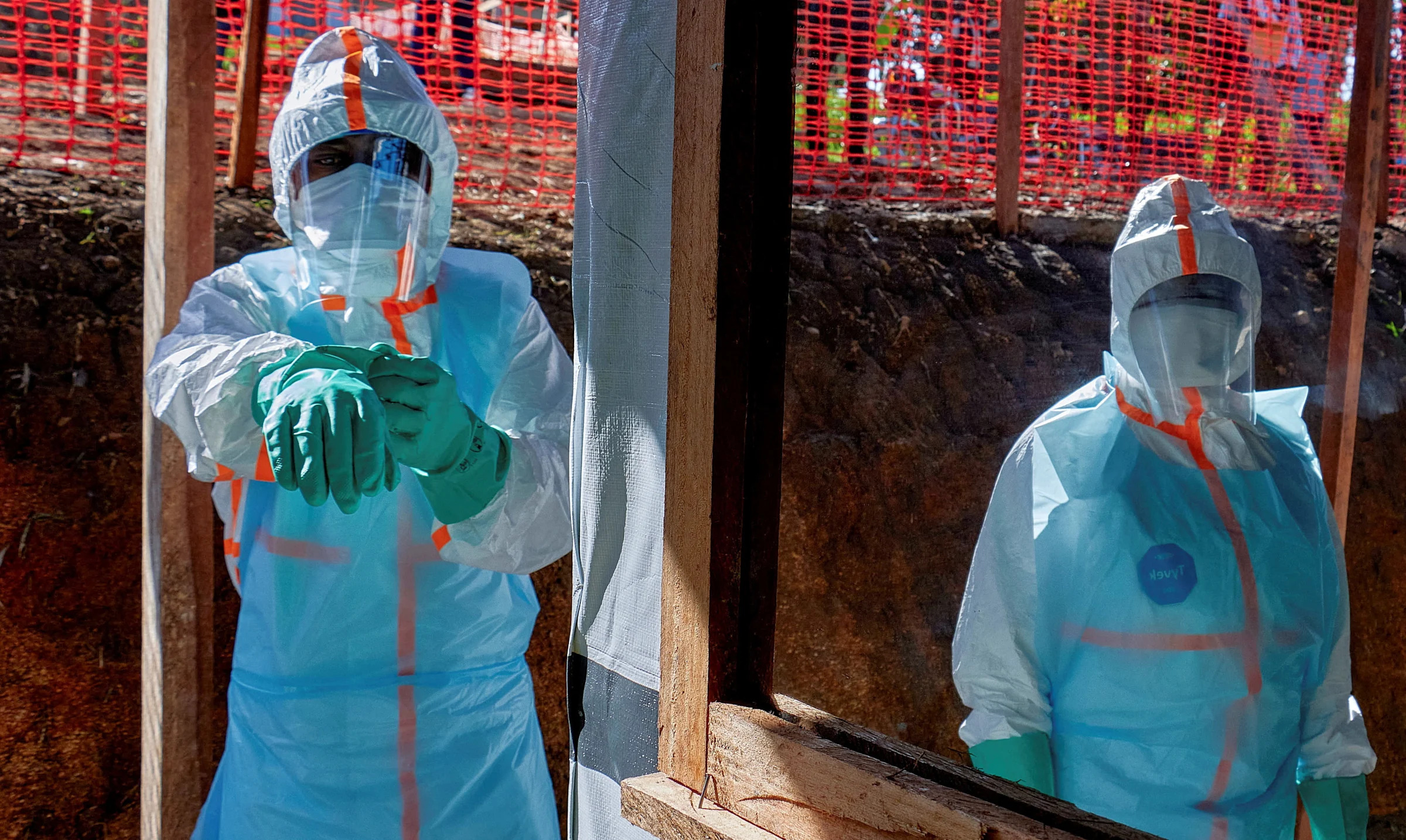
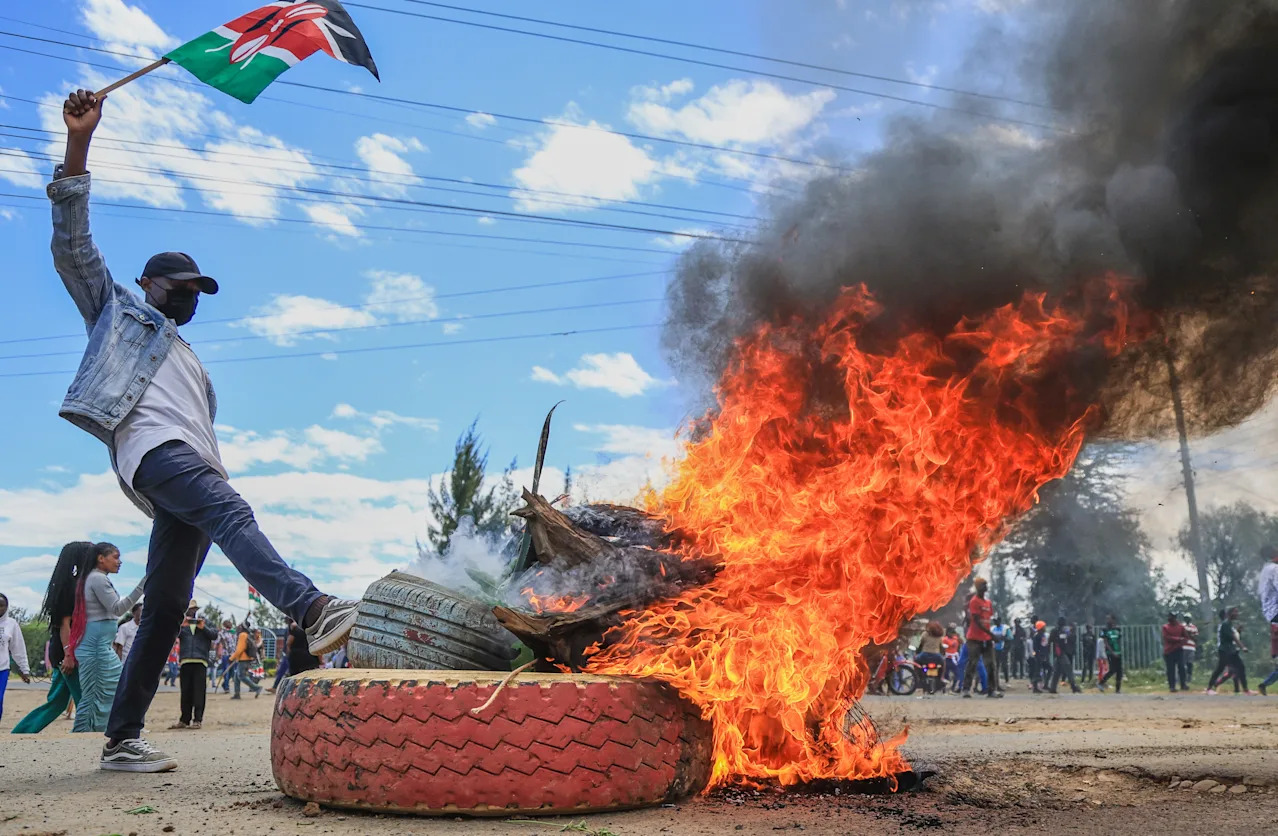
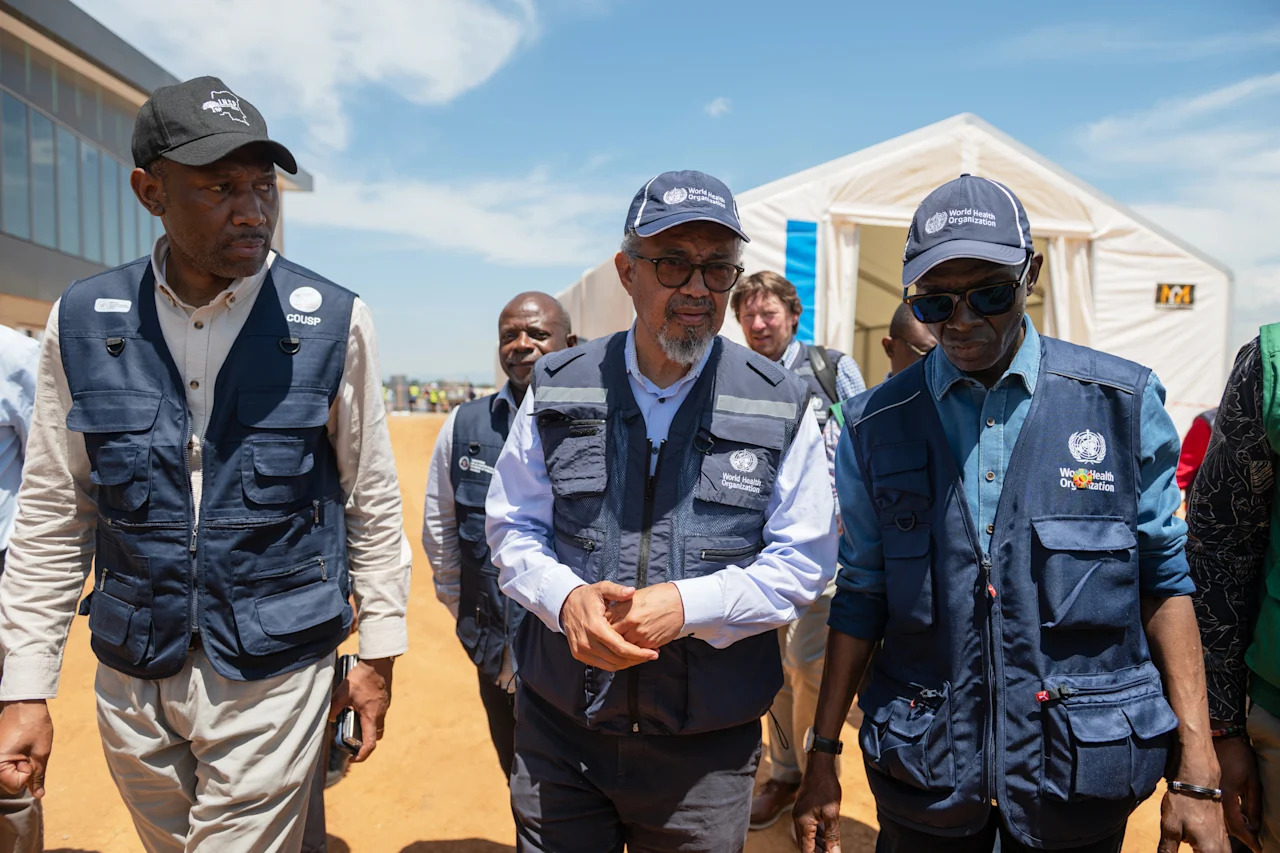
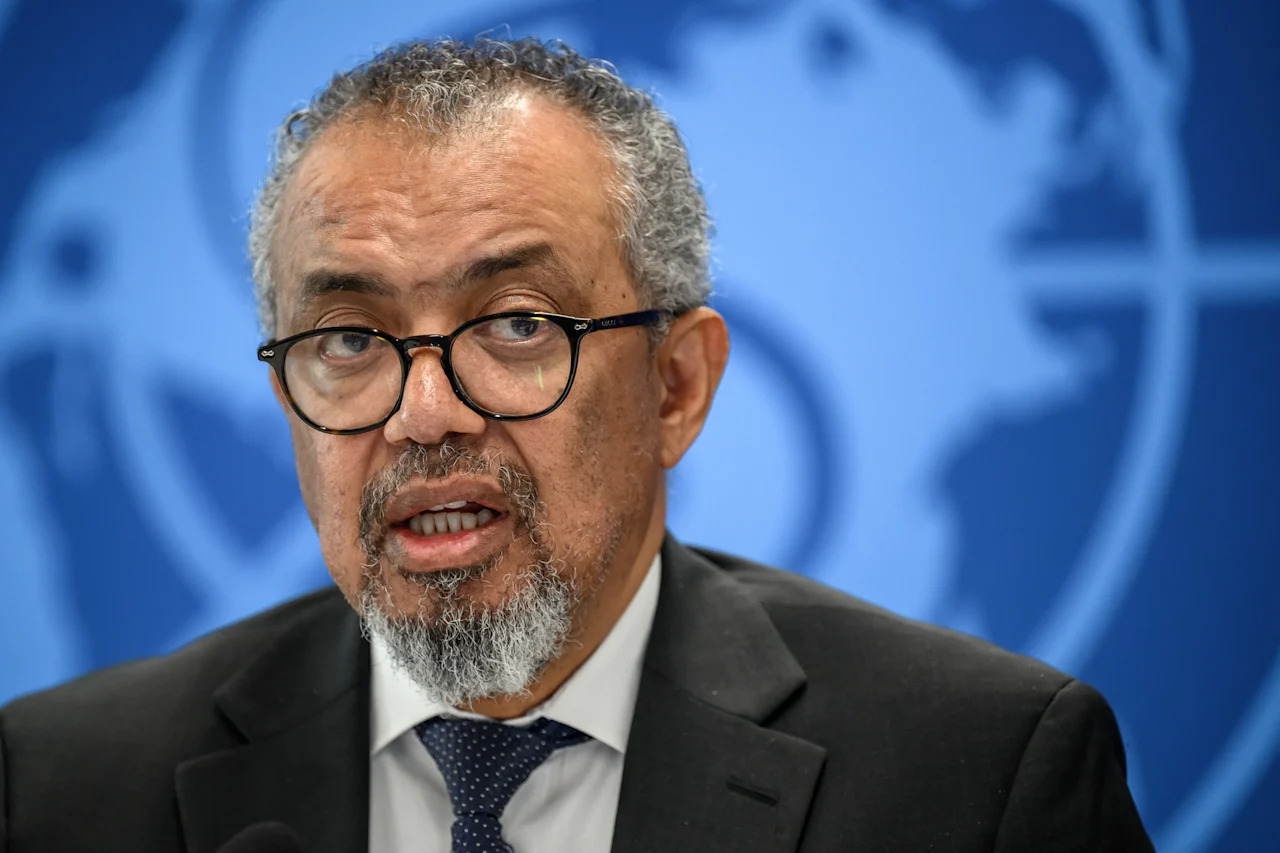
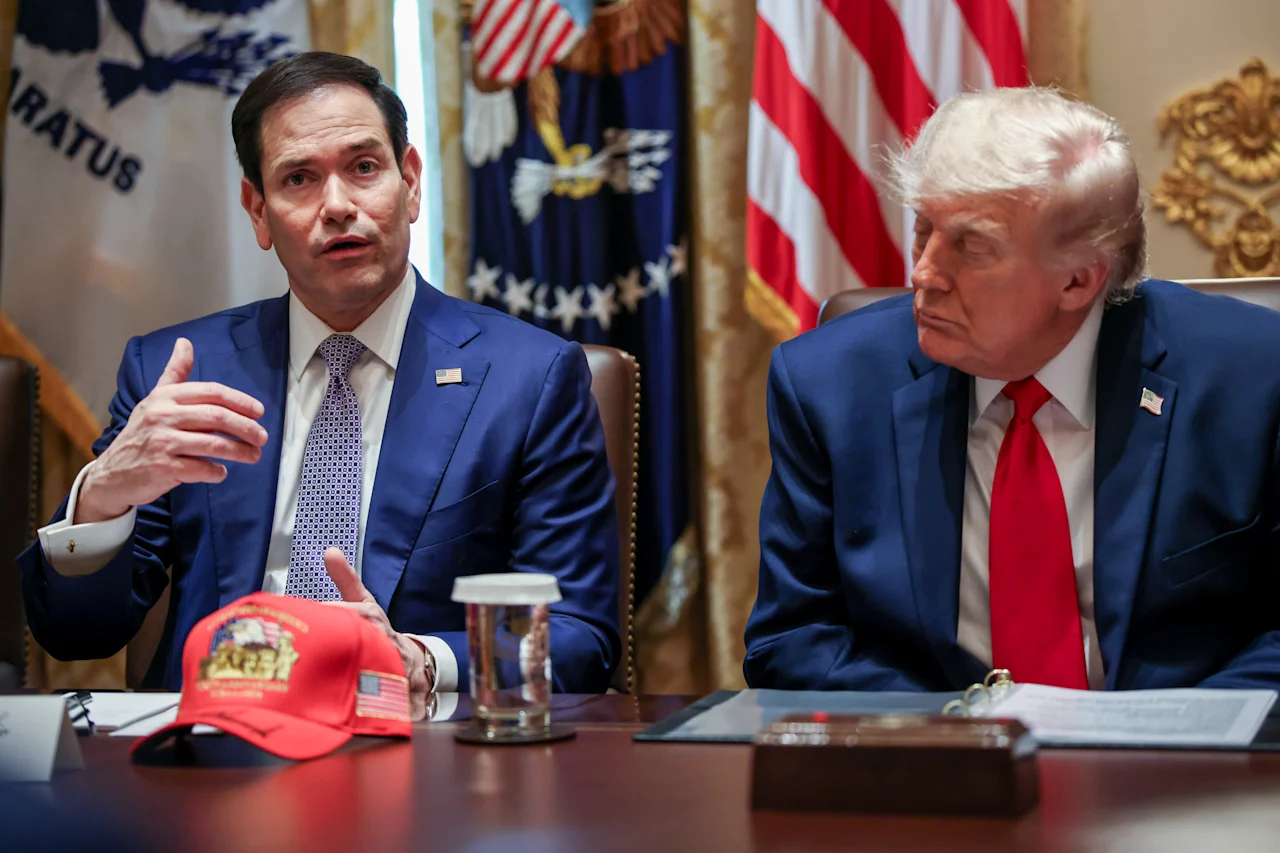
The World Health Organization has said efforts to contain the Ebola epidemic are “catching up”, despite the virus having had a “big head start.” This week, WHO reported a major drop in the number of suspected Ebola cases in the Democratic Republic of Congo (DRC) outbreak, after testing ruled out many of them. WHO Director-General Tedros Adhanom Ghebreyesus said on Wednesday there were now 344 confirmed cases of Ebola in the DRC outbreak and 116 suspected cases — a significant drop from the 1,000-plus suspected cases. Tedros confirmed there had been 60 deaths, but that six people had recovered in Congo and two in Uganda, showing that patients can survive if they have early access to treatment. Challenges remain, however, especially in terms of increasing testing capacity and tracing contacts. Frustrations also remain over U.S. plans to open a controversial Ebola isolation facility in Kenya. Plans to establish a 50-bed quarantine facility for U.S. citizens affected by the Ebola outbreak in DRC have provoked a public backlash in Kenya, although the country’s president, William Ruto, said the plan was safe. On Tuesday, two people were reportedly killed amid a protest close to the Laikipia Air Base, where the facility is due to be placed. Kenya’s high court temporarily blocked the quarantine facility last week, citing public health concerns. Some U.S. health experts have also criticized the plans, after the Trump administration said it was determined to ensure the virus did not cross U.S. borders. Follow live updates below World Health Organization Director-General Tedros Adhanom Ghebreyesus said on Wednesday that health officials were “catching up” with the virus as they battle to contain it. Sharing updated figures on the scale of the outbreak, he said 344 cases had been confirmed in Congo, including 60 deaths. The number of suspected cases has dropped to 116 from over 1,000 last week as increased testing ruled many out. However, Tedros criticized blanket travel bans put in place by some countries, which he warned were continuing to disrupt supply chains and hinder the response. He also cautioned that contact tracing in the DRC was not yet fully effective, with 45% of contacts being followed up — far below the 90% needed to get on top of an epidemic. The World Health Organization reported on Tuesday a significant drop in the number of confirmed or suspected Ebola cases amid the ongoing outbreak. WHO spokesperson Christian Lindmeier said there had been 321 confirmed and 116 suspected cases in the Democratic Republic of Congo, down markedly from the 906 suspected cases reported on May 30. Lindmeier said there had been 48 deaths and that six people had recovered in Congo. In neighboring Uganda, 15 cases have been confirmed. Asked to explain the reasons behind the drop, Lindmeier said, “They have been cleared out and have either other diseases or have just had fever and nothing else." Health care experts in the U.S. have warned against plans to treat Americans exposed to Ebola in a new quarantine facility in Kenya. Last week, it emerged that the U.S. and Kenya were in discussions to open the facility at Laikipia Air Base in Kenya. The Kenyan high court subsequently ordered the plans to be temporarily paused amid concerns over public health. Americans requiring specialized care would be taken to countries in the European Union for treatment, rather than flown back to the U.S., under attempts by the Trump administration to prevent the virus from crossing the border. In an open letter on Monday, a number of U.S. experts, including former Centers for Disease Control and Prevention officials, said the policy raised “profound clinical, ethical, operational, and legal concerns,” according to Reuters. “At a time when outbreak response efforts are already strained, this is a dangerous precedent,” the letter stated, adding that the measures could discourage frontline responders from going to regions affected by outbreaks, harming attempts to control the virus at its source. Hundreds of people took to the streets in a Kenyan town to protest U.S. plans to set up an Ebola quarantine facility at a nearby military base. U.S. officials say that the proposals, which emerged last week, would see a 50-bed isolation center set up at an air force base in Laikipia County to treat Americans who have been exposed to the virus but are still asymptomatic. Last week, the High Court of Kenya ordered a temporary pause on the plans, saying the site could endanger public health. On Monday, a crowd of protesters blew whistles and chanted anti-Ebola slogans as they marched to the gates of the air base. Kenya has not recorded any cases of the virus thus far. The Trump administration has said it wants to prevent the virus from entering the U.S. “We cannot and will not allow any cases of Ebola to enter the United States,” U.S. Secretary of State Marco Rubio said last week. However, critics said the plan raised “serious questions about resources, timing and the level of care Americans sent there will receive.” Five patients have recovered from the rare Bundibugyo strain of Ebola driving the current outbreak in the Democratic Republic of Congo, World Health Organization Director-General Tedros Adhanom Ghebreyesus announced Sunday from Bunia. "Four people will be discharged today and there was one that was discharged the day before yesterday," Tedros said at the opening of a new Ebola treatment center in the Ituri provincial capital, the AP reported. The WHO confirmed Friday that one patient had recovered, marking the first time a confirmed Bundibugyo patient had been declared recovered since the outbreak began. There is no approved vaccine or treatment for the Bundibugyo strain, but Tedros said survival is possible with timely supportive care. World Health Organization Director-General Tedros Adhanom Ghebreyesus arrived Saturday in Bunia, the capital of the Democratic Republic of Congo's Ituri province and the epicenter of the country's 17th Ebola outbreak. Tedros met with Lt. Gen. Johnny Luboya Nkashama, the governor of Ituri, where roughly 90% of confirmed cases have been reported. Tedros said he and the governor agreed that a key priority was tightening coordination among health and humanitarian groups under the government's leadership, and that local communities are "best equipped" to identify what's needed to contain the outbreak. Ahead of his arrival, Tedros made a direct appeal to the armed groups that have fueled years of conflict in eastern DRC, urging them to lay down weapons long enough to let health workers reach affected communities. "Please, declare a ceasefire. Even briefly. Even just enough to let health workers through," Tedros said. "People are dying from Ebola who do not have to die." The Centers for Disease Control and Prevention reiterated Friday that the risk of Ebola spreading within the United States remains “very low,” but added that the best way to keep the virus out of the country is to support DRC and Uganda as they work to contain their outbreaks. “The most effective way to protect Americans is to stop outbreaks quickly where they occur,” Dr. Satish K. Pillai, incident manager for CDC's Ebola response, said during a press conference. Pillai said that 230 CDC staff members are currently assigned to the Ebola response, including some who have been deployed to affected regions. The U.S. is focusing on helping the DRC and Uganda with epidemiology, lab work and operations support, he said. The goal, Pillai added, is to make sure the most affected countries “have what they need to effectively contain and control their outbreaks.” WHO Director-General Tedros Adhanom Ghebreyesus explained why his organization is advising countries not to institute travel bans in response to the ongoing Ebola outbreak. “It doesn’t help,” he told reporters shortly after arriving in DRC on Thursday. “It could slow [the spread] maybe a few days ... but not more. The best approach is to intensify the measures at the source.” His comments come a day after Uganda closed its border with the DRC in hopes of preventing further spread of the virus. Though he didn’t specifically criticize Uganda’s decision, Tedros said the risk of being hit with a travel ban could cause countries to keep any Ebola cases they detect secret, which could severely undermine efforts to contain the outbreak. “When you ban travel, it doesn’t encourage [transparency] because other countries then will say, ‘OK, if I’m going to be sanctioned or there will be a ban imposed on me … why do I even report early?’” he said. “It has consequences on public health.” Earlier this week, the WHO told the Associated Press that travel bans make it harder to track and contain the virus because they "push the movement of people and goods to informal border crossings that are not monitored, thus increasing the chances of the spread of disease." Anaïs Legand, a public health officer with the World Health Organization, told reporters on Friday that one of the biggest challenges in preventing Ebola from spreading is asking people to go against their instincts to care for their loved ones who get sick from the disease. “It’s a terrible disease because it’s a disease that you get when you care for someone,” she said during a press conference in Geneva. “When you care for your husband or our partner or your child or your mother. You get it when you want to help someone who is sick with symptoms.” She added that it’s difficult to convince people in affected areas to suppress their human desire to provide comfort to their ailing loved ones. “You have to ask communities not to touch someone they love when they are feeling sick,” she said. Legand said that past outbreaks have shown that the virus can only be contained when local communities are “fully involved” in the response. A Kenyan court has ordered plans for a U.S. Ebola quarantine facility to be temporarily paused amid concerns over public health. Senior U.S. officials on Thursday said a 50-bed unit at a military air base in central Kenya would house Americans who have been exposed to the virus but are still asymptomatic and would become operational on Friday. However, a lawsuit argued the site could endanger public health, and plans have been temporarily suspended. New York City’s John F. Kennedy International Airport will become one of the few entry points for travelers entering the United States from parts of Africa affected by the Ebola outbreak. Starting early Friday morning, the CDC will begin performing enhanced screenings on any incoming traveler who has been to DRC, Uganda or South Sudan within the past 21 days, U.S. Customs and Border Protection announced. JFK will be one of just four airports in the U.S. that are permitted to receive such travelers. Last week, CBP issued an order requiring anyone who has recently been to the affected countries to arrive in the U.S. at an airport with enhanced screenings. At the time, only Washington-Dulles International Airport in Washington, D.C., had them, making it the only potential point of entry for those travelers. Advanced screenings have since been implemented at international airports in Atlanta and Houston too. Only U.S. citizens are currently permitted to enter the country if they have recently traveled to affected areas. Earlier this month, the federal government barred all foreign nationals with similar travel history from entering. It expanded those restrictions last week to block green card holders as well. WHO Director-General Tedros Adhanom Ghebreyesus announced on Thursday that he was on his way to the Democratic Republic of Congo as the organization ramps up its efforts to control the ongoing outbreak in the country. “I will be on the ground with our [WHO] teams, partners, and the extraordinary health workers who have never stopped fighting, all working under the leadership of the Government of DRC,” he wrote in a post on X. In a separate post, Tedros wrote at length about his years of experience combating Ebola and included a specific message of hope for the people of Ituri province, where the majority of cases have been reported. “This province deserves to be seen for more than its hardships. Ituri is a place of remarkable energy. … That spirit, that refusal to give up, is exactly what we need now. It is the foundation on which we will build our response. We do not come to Ituri with only medicine and expertise. We come to join a community that already knows how to fight for its survival,” he wrote. Secretary of State Marco Rubio acknowledged Americans’ concerns about the Ebola outbreak during a Cabinet meeting on Wednesday. ”The No. 1 priority of our foreign policy is to protect the American people,” he told President Trump. “The State Department and other agencies represented here — the Centers for Disease Control, HHS, others — are working very, very hard to contain this crisis to the countries where it's currently located, particularly the Democratic Republic of the Congo, and so we surged assistance to make sure that it is being contained there,” he added. The Ebola outbreak has caused a suspected 220 deaths and 900 cases since mid-May, according to the World Health Organization. "We cannot and will not allow any cases of Ebola to enter the United States," Rubio said. Last week, the CDC imposed 30-day entry restrictions on people who have traveled to DRC, Uganda and South Sudan within the past 21 days. U.S. citizens and nationals will have to undergo a public health screening before entering the U.S. Authorities in Uganda closed its borders with the Democratic Republic of Congo on Wednesday “with immediate effect,” the Associated Press reports, as cases of a rare strain of Ebola surge. The decision by Vice President Jesca Alupo’s Ebola task force came after a rise in Ugandan health workers exposed to the virus by Congolese patients who crossed the border before the Ebola outbreak was declared in mid-May. When the World Health Organization declared the Ebola outbreak an emergency of international concern, it said in a May 17 statement, “No country should close its borders or place any restrictions on travel and trade. Such measures are usually implemented out of fear and have no basis in science.” The border between Uganda and Congo is several hundred miles long and can be crossed by various footpaths that don’t include official border posts. The WHO has also said border closures can “push the movement of people and goods to informal border crossings that are not monitored, thus increasing the chances of the spread of disease.” Discussions are underway between the United States and Kenya to open a quarantine facility in Kenya for American citizens exposed to the Ebola outbreak in the Democratic Republic of Congo, the Wall Street Journal reports. The Trump administration was expected to deploy staff from the U.S. Public Health Service, part of the Department of Health and Human Services, to staff the quarantine facility, according to the report. Kenya’s government has not yet approved the plan, according to Reuters, and it remains unclear where exactly in Kenya the quarantine facility would be located. As the Ebola outbeak continues to spread in DRC, Project Hope has outlined concerns over whether the virus has reached South Sudan. “As case numbers continue to rise, there is increasing uncertainty on whether the virus has already reached South Sudan, which is facing a humanitarian crisis,” the emergency response team said in a release on Wednesday. “With no vaccine available in the near future, local authorities and humanitarian partners are relying on IPC practices, community education, and rapid hot spot identification to stem the outbreak.” People in the Ituri province in the Democratic Republic of Congo are struggling with a lack of resources as they fight the Ebola outbreak, the area’s military governor has said. Johnny Luboya Nkashama told French broadcaster RFI, "People in affected areas are not receiving enough food.” He added that “a swift response” was needed to prevent the province "from descending into catastrophe." The head of the World Health Organization, Tedros Adhanom Ghebreyesus, warned Monday that the Ebola outbreak is spreading faster than health workers can contain it. Tedros said that countries bordering the Democratic Republic of Congo were at especially high risk. He cited three concerns that made the response to the current outbreak difficult. First, the initial delay in detecting the outbreak meant officials were “playing catch-up with a very fast-moving epidemic.” Second, there is a lack of approved vaccines or therapeutics for the Bundibugyo strain of Ebola. Third, a “significant distrust” of outside authorities among the local population has led to two attacks on health facilities. “We are facing an extremely serious and difficult outbreak. It will get worse before it gets better,” Tedros added. The number of suspected Ebola cases in eastern Democratic Republic of Congo has climbed above 900, Congolese authorities announced Sunday, the Associated Press reported. The new tally marks a jump from the roughly 750 suspected cases the World Health Organization cited Friday, when WHO Director-General Tedros Adhanom Ghebreyesus raised the agency's risk assessment for DRC to "very high."