yahoo Press
Ebola outbreak live updates: WHO warns cases and deaths will rise after American doctor tests positive — but global risk remains low
Images
1 / 11
2 / 11

3 / 11

4 / 11
5 / 11

6 / 11
7 / 11

8 / 11
9 / 11

10 / 11

11 / 11
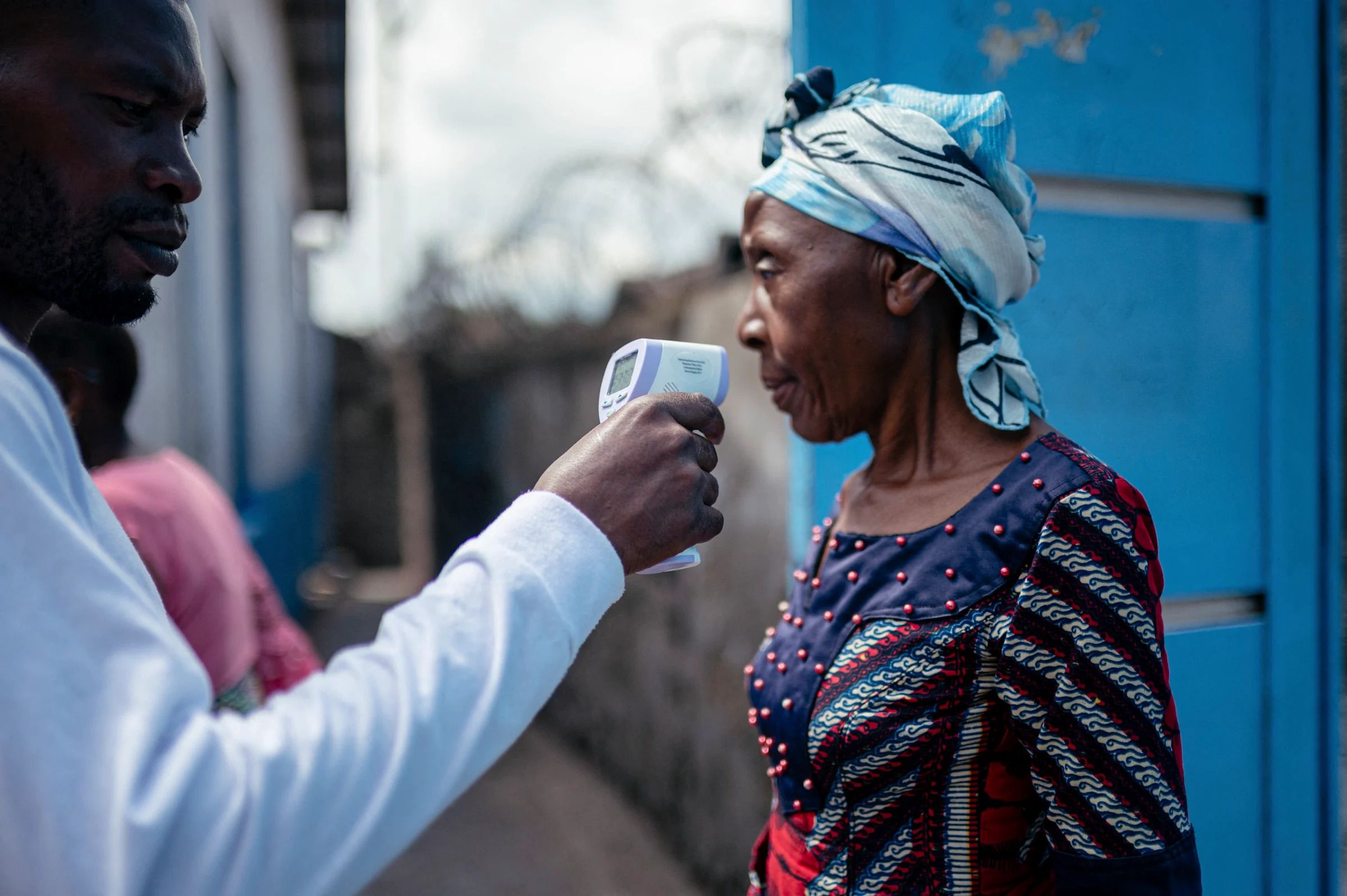
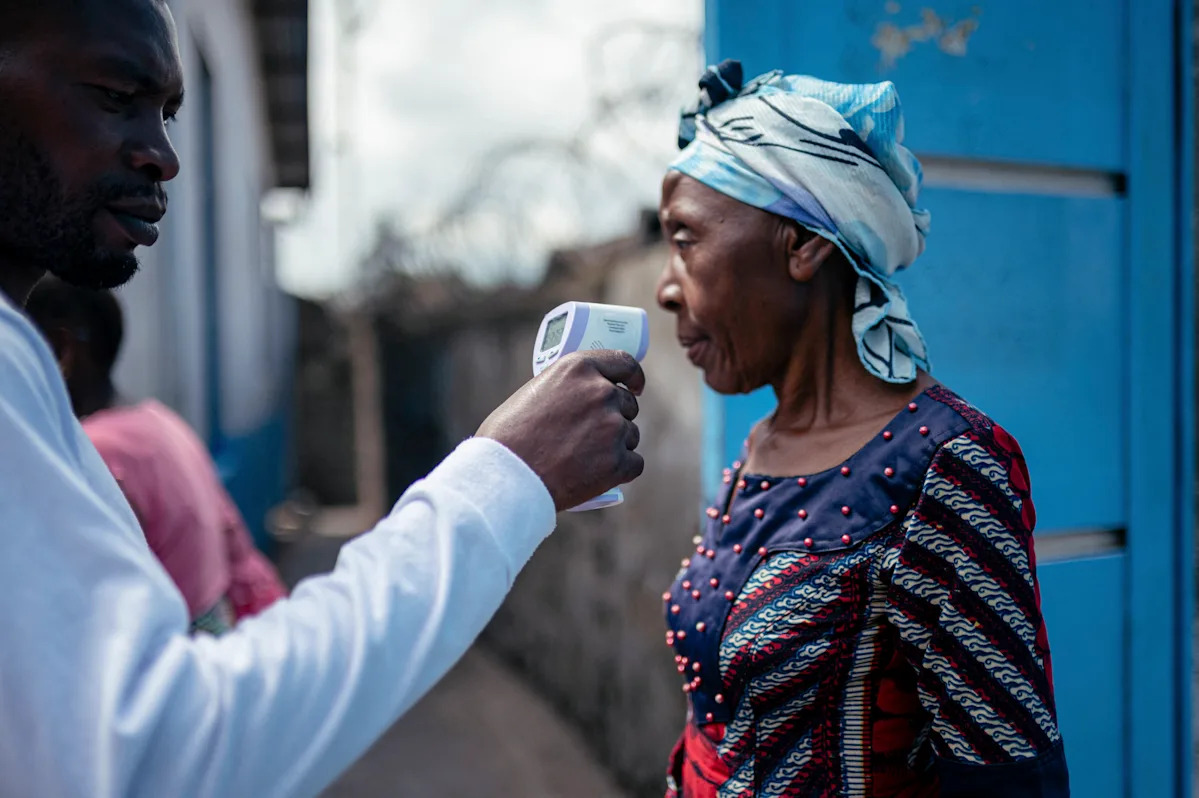
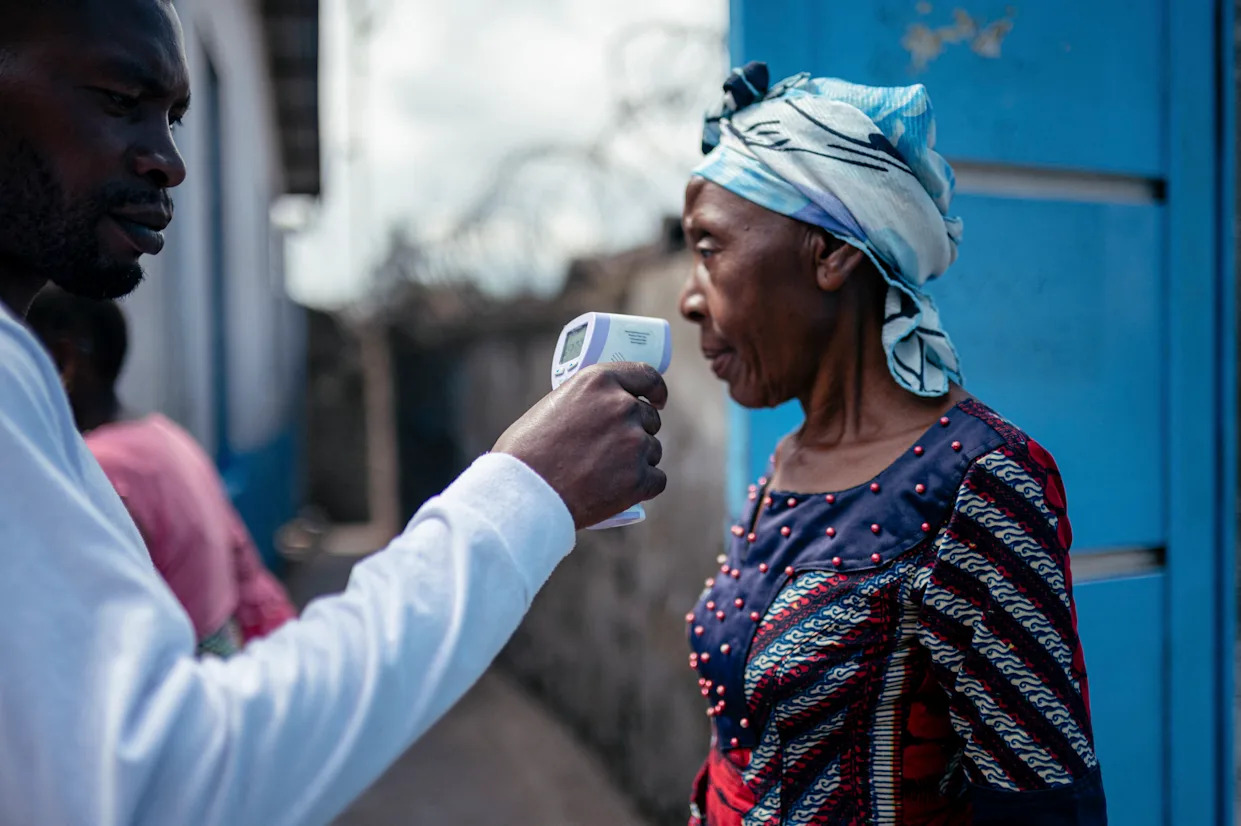
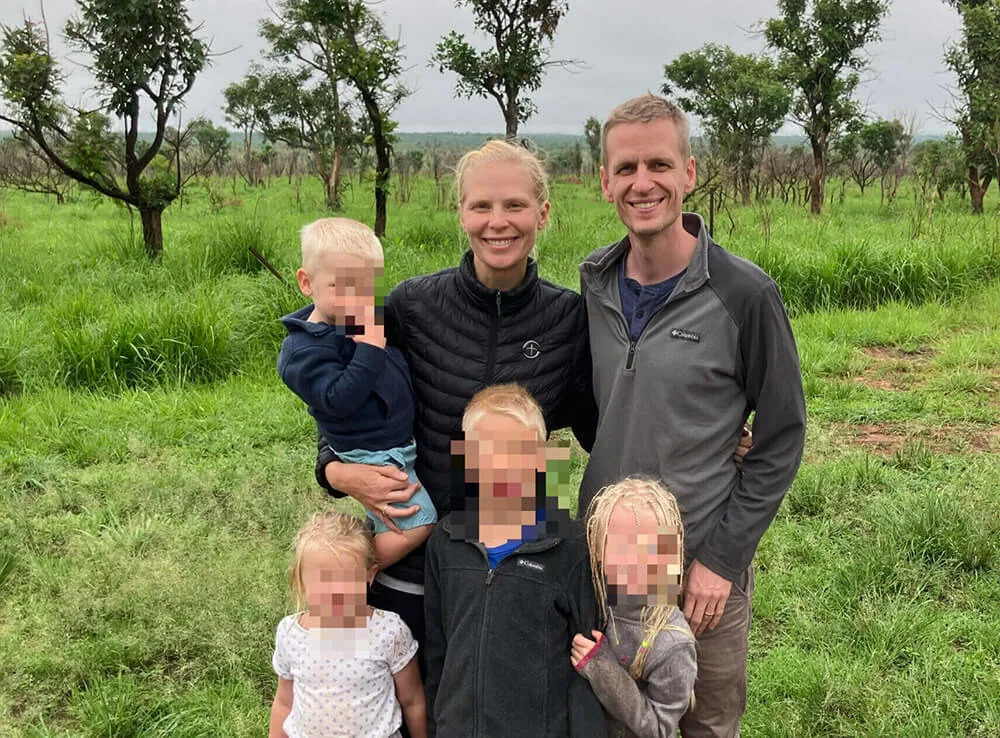
The number of Ebola cases and deaths in the Democratic Republic of Congo (DRC) and Uganda is expected to rise, the World Health Organization (WHO) has warned, following an outbreak linked to a rare strain of the virus. Tedros Adhanom Ghebreyesus, director-general of the WHO, said Wednesday that 51 cases have been confirmed in Congo's northern provinces of Ituri and North Kivu, "although we know the scale of the epidemic is much larger." He said Uganda has also reported two confirmed cases in the capital, Kampala. "Beyond the confirmed cases, there are almost 600 suspected cases and 139 suspected deaths," he said. "We expect those numbers to keep increasing." There is a low risk of the outbreak spreading globally, he added, but a high risk of it spreading nationally and regionally in DRC and Uganda. Tedros previously said he was "deeply concerned about the scale and speed" of the outbreak and declared it a public health emergency. The U.S. Centers for Disease Control and Prevention has confirmed that an American doctor working in Congo, identified as Peter Stafford, had tested positive for Ebola and that six other U.S. citizens there have been exposed. Satish Pillai, the CDC's Ebola response incident manager, said Wednesday that the doctor and the six other individuals considered high-risk contacts were transported to Germany and the Czech Republic for treatment and monitoring. Pillai added that the risk to the United States remains "low." Follow all the latest updates below: The White House resisted allowing an American missionary doctor who tested positive for Ebola to return to the U.S., which delayed his evacuation from the Democratic Republic of Congo and his ability to receive care, the Washington Post reported Wednesday, citing five people familiar with the U.S. Ebola response. Dr. Peter Stafford was ultimately transported to Germany, where he remains in stable condition at a hospital, according to the Centers for Disease Control and Prevention. The Washington Post reported that around the same time that Stafford was transported, the wife and children of Dr. Patrick LaRochelle, from the same missionary group, returned to the United States after the CDC assessed the family twice. The White House denied the Washington Post’s report when asked about it. “Given that this American was in a very unstable part of the DRC, which as a whole is an unstable country, the administration continues to take the most effective actions to maximize this American’s odds of survival and minimize the odds of further transmission,” said White House spokesperson Kush Desai. The CDC announced entry restrictions on Monday for those who departed from, or were in, the Democratic Republic of Congo, Uganda or South Sudan during the last 21 days. The 30-day order doesn’t apply to U.S. citizens, nationals and lawful permanent residents. Dr. Peter Stafford, an American doctor who contracted the Bundibugyo strain of Ebola while treating patients in the Democratic Republic of Congo, has landed in Germany and is receiving Ebola-specific care at Charite University Hospital in Berlin, according to Serge, the Christian missionary group for which he works. The Centers for Disease Control and Prevention said Wednesday that he is in stable condition. Six other Americans with high-risk exposures remain asymptomatic and are currently in transit to Europe to “ensure they have access to specialized care if needed,” the CDC said. Serge has identified these individuals as Peter’s wife, Dr. Rebekah Stafford, their four young children and Dr. Patrick LaRochelle. According to Serge, Stafford’s wife and four children are being flown to Germany, while LaRochelle is being flown to the Czech Republic. There is currently no vaccine for the Bundibugyo strain of the Ebola virus, which is causing the outbreak in the Democratic Republic of Congo as well as Uganda. It could take months before a vaccine is ready, and even then, there’s no guarantee it would work, a top official with the World Health Organization said during a news conference on Wednesday. Dr. Vasee Moorthy, the lead for the WHO’s research and development blueprint, said there are two potential vaccine candidates. The more promising of the two vaccines could take six to nine months before enough doses are ready for clinical trials. An American doctor infected with Ebola has been flown to Germany for treatment, alongside his wife and four children, who are being monitored for signs of illness. Dr. Peter Stafford performed a gallbladder operation on a patient who later died from Ebola, before it was known that the patient had been infected. Later, Dr. Stafford — whose hospital is in the Ituri province, at the center of the outbreak — developed symptoms and tested positive for Ebola. Describing the scene as Dr. Stafford was transported, his colleague, Dr. Scott Myhre, said he was “really sick.” “There were people in full — we call it PPE — the personal protective equipment, and they’re completely covered, and he’s hanging on them barely strong enough to walk,” Myhre told NBC News. “He looked really tired and really sick.” The following numbers have been reported as of May 20: 600 suspected cases and 139 suspected deaths have been recorded so far, WHO director-general Tedros Adhanom Ghebreyesus told reporters in Geneva Wednesday. 51 cases have been confirmed by laboratory testing in DRC, and two cases confirmed in neighboring Uganda, both infections in people who traveled from DRC. In the 48 hours leading up to May 19, there had been 26 new confirmed cases and 143 new suspected cases, according to the CDC. As international concerns rise over the Ebola outbreak, the U.S. is suspending entry for some travelers for 30 days to reduce the risk, the CDC said. The federal agency issued an order suspending the entry of non-U.S. passport holders who departed from, or were in, the Democratic Republic of Congo, Uganda or South Sudan during the last 21 days. The CDC said it is coordinating with airlines, international partners and port-of-entry officials to "identify and manage travelers who may have been exposed to Ebola virus." An alert was released to the CDC's public health and clinical partners nationwide on Tuesday, offering "clinical guidance, training, and strict infection prevention control protocols for hospitals evaluating suspect cases," Pillai said. While the World Health Organization declared the outbreak a public health emergency, the agency said it does not meet the criteria for a pandemic emergency like COVID-19 and has advised against closing international borders. The CDC has advised Americans in DRC and Uganda to "practice enhanced precautions" and avoid people with symptoms. Tedros Adhanom Ghebreyesus, director-general of the WHO, said Wednesday there are almost 600 suspected cases and 139 suspected deaths. The earliest known suspected case, a 59-year-old man, developed symptoms on April 24 and died at a hospital in Ituri on April 27. Ituri is a remote province in the Democratic Republic of Congo, more than 1,700 miles from the capital, Kinshasa. A close contact of the first suspected victim died on April 28 after also presenting with symptoms, according to health officials. The CDC advised Americans in DRC and Uganda to "practice enhanced precautions" and avoid people with symptoms. The majority of cases have been found in the Democratic Republic of Congo, with 136 deaths in the country, while one death has occurred in neighboring Uganda. The current strain of Ebola is caused by the rare Bundibugyo virus, which was first detected in 2007. There are no approved drugs or vaccines for the strain. More than 20 Ebola outbreaks have taken place in DRC and Uganda, but this is only the third time that the Bundibugyo virus has been detected. The fatality rate for the Bundibugyo strain is estimated to be between 25% and 40%, according to Doctors Without Borders.