buzzfeed Press
15 Popular Famous Dead People Who Did Terrible Things When They Were Alive
Images
1 / 18
2 / 18

3 / 18

4 / 18
5 / 18
6 / 18

7 / 18

8 / 18
9 / 18
10 / 18
11 / 18
12 / 18
13 / 18
14 / 18
15 / 18
16 / 18
17 / 18

18 / 18
Hi, I’m Crystal, a Senior Editor based in Los Angeles and creator of BuzzFeed’s “That Got Dark” newsletter.

Steve Jobs is often remembered as the visionary who co-founded Apple, revived it from near collapse, and helped create the iPhone. But his legacy is more complicated. In 1976, while working with Steve Wozniak on a project for Atari, Jobs misled him about their payment — telling Wozniak they had received $700 and splitting it evenly, when in reality Jobs had received a $5,000 bonus. He also denied paternity of his daughter, Lisa, for years and had a distant relationship with her and her mother. Known for his demanding and sometimes abrasive behavior, Jobs was a perfectionist whose brilliance often came with a lack of empathy. Later in life, he delayed conventional treatment for his cancer, choosing alternative therapies first — a decision he would come to regret.

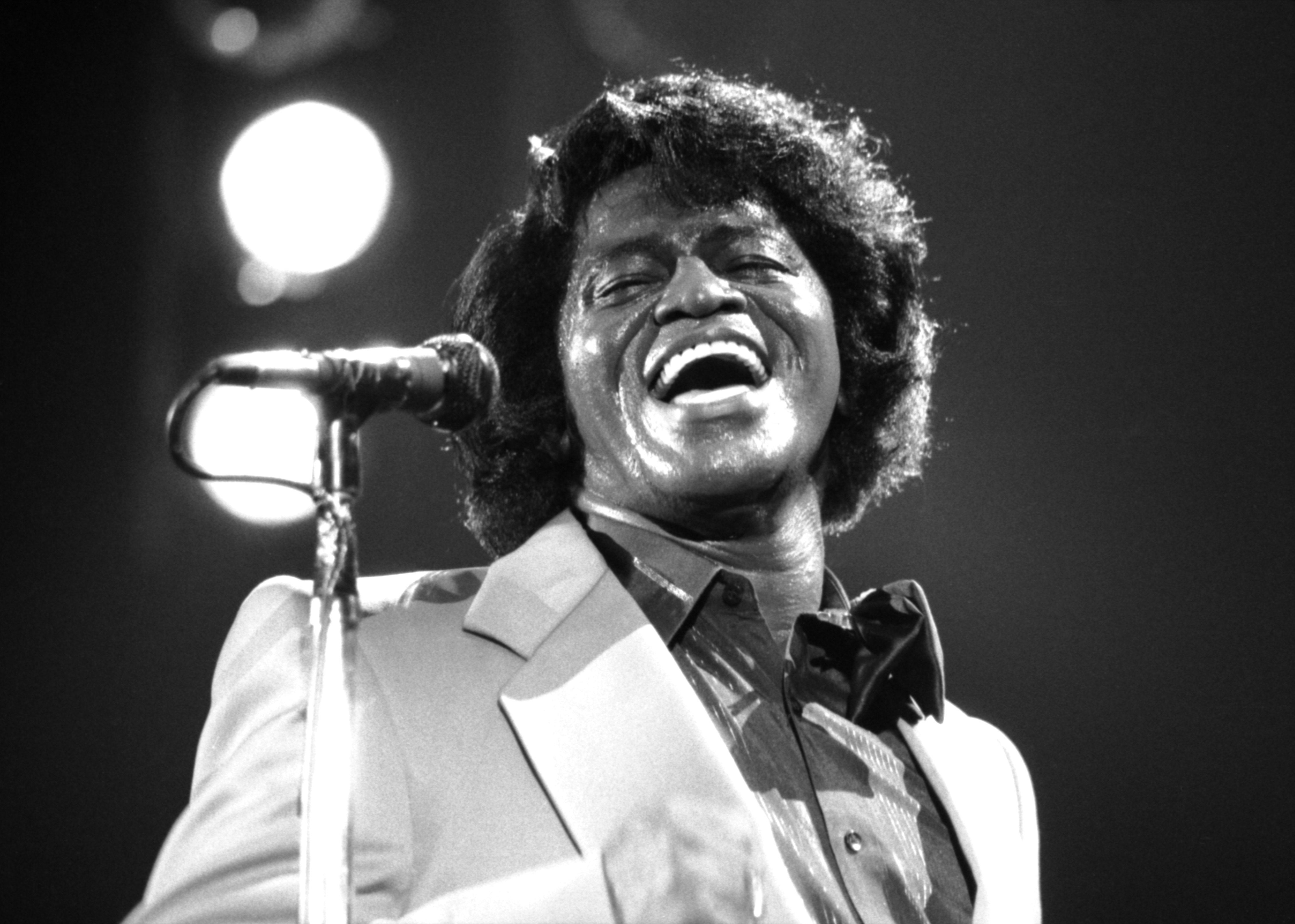
According to the BBC, "A then-70-year-old Brown was arrested in 2004 on domestic violence charges against his backup singer and fourth wife, who was 36 years his junior, Tomi Rae Hynie. He pleaded no contest. This wasn’t his first incident either. His violent marriage to Deidre Jenkins was well-documented in his daughter Yamma Brown’s memoir, Cold Sweat. He sent his third wife, Adrienne Rodriguez, to hospital, and she had him arrested four times for assault. Backup singer-turned-Marvin-Gaye-collaborator Tammi Terrell was 'savagely beaten' by Brown in the '60s, and in 2005, he was sued for raping a woman at gunpoint in 1988, but the charges were dropped."

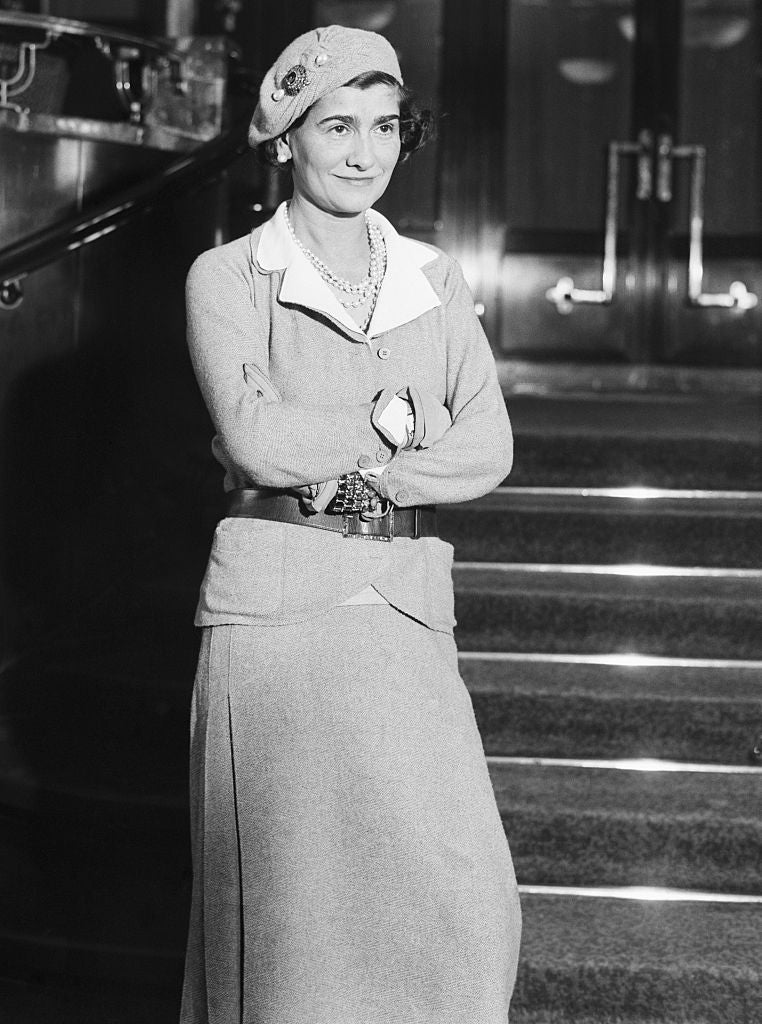
Coco Chanel’s wartime history is complicated and controversial. She had well-documented ties to the Nazis during World War II. Most notably, she had a romantic relationship with Hans Günther von Dincklage, a German intelligence officer based in Paris. French intelligence records later identified her as a possible Nazi agent, though the extent of her involvement is debated.

Chanel also tried to use Nazi anti-Jewish laws to take full control of her Chanel perfume brand, which included Chanel No. 5, from its Jewish owners, the Wertheimer brothers, and she expressed anti-Semitic views throughout her life. After the war, she was questioned about her Nazi connections but never charged. She later rebuilt her fashion empire in the 1950s. In short, while Chanel revolutionized fashion, her wartime actions and beliefs cast a dark shadow over her legacy.

"Hugo Boss wasn't even a fashion designer, though he became a Nazi before it was fashionable. He just owned a business that made utilitarian clothes and uniforms, including the Nazis' own designs that he made under contract, during the war, using forced labour. After Boss died in 1948, his successors, noticing a lull in the stormtrooper market, shifted to civilian clothes and started to make suits, though the company didn't become a major fashion house until the 1970s."

Hugo Boss, the founder of the fashion brand, was a member of the Nazi Party, and his company made uniforms for Nazi organizations like the SS, SA, and Hitler Youth during World War II. His factory also used forced labor from prisoners of war and civilians under brutal conditions. After the war, Boss was fined and punished for his involvement with the regime. He died in 1948, but decades later, the company publicly apologized for its role in supporting the Nazis and exploiting forced laborers.

According to Jalopnik, "After news of the actor’s death broke, the Daily Mail and In Touch Weekly both ran features of how Walker’s current girlfriend, Jasmine Pilchard-Gosnell, was coping with her loss. Both of them noted that the pair began a relationship while she was 16 and he was 33. And before Pilchard-Gosnell, Walker had dated another woman, Aubrianna Atwell, while she was allegedly 16 as well."

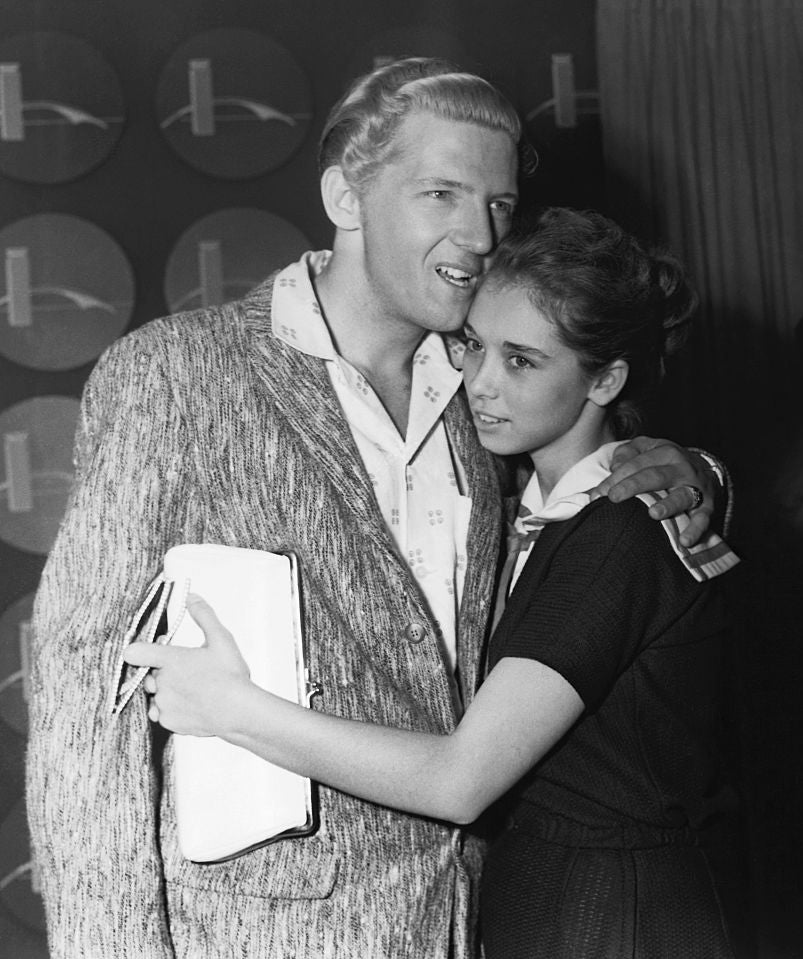
In 1957, rock musician Jerry Lee Lewis married his 13-year-old cousin, Myra Gale Brown, who was the daughter of his cousin. The marriage caused a massive scandal at the time, nearly destroying his career and leading to canceled tours and public outrage. Over the years, however, the controversy has largely faded from public memory.

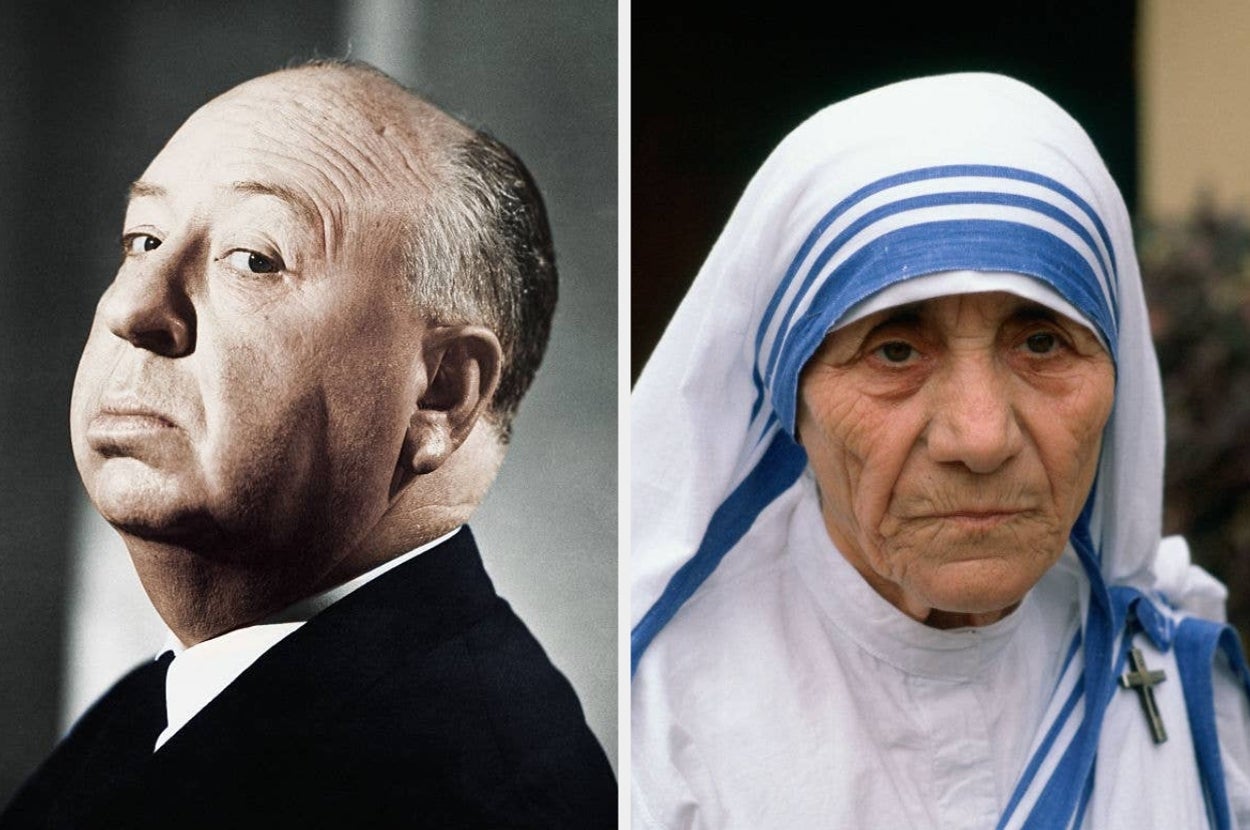
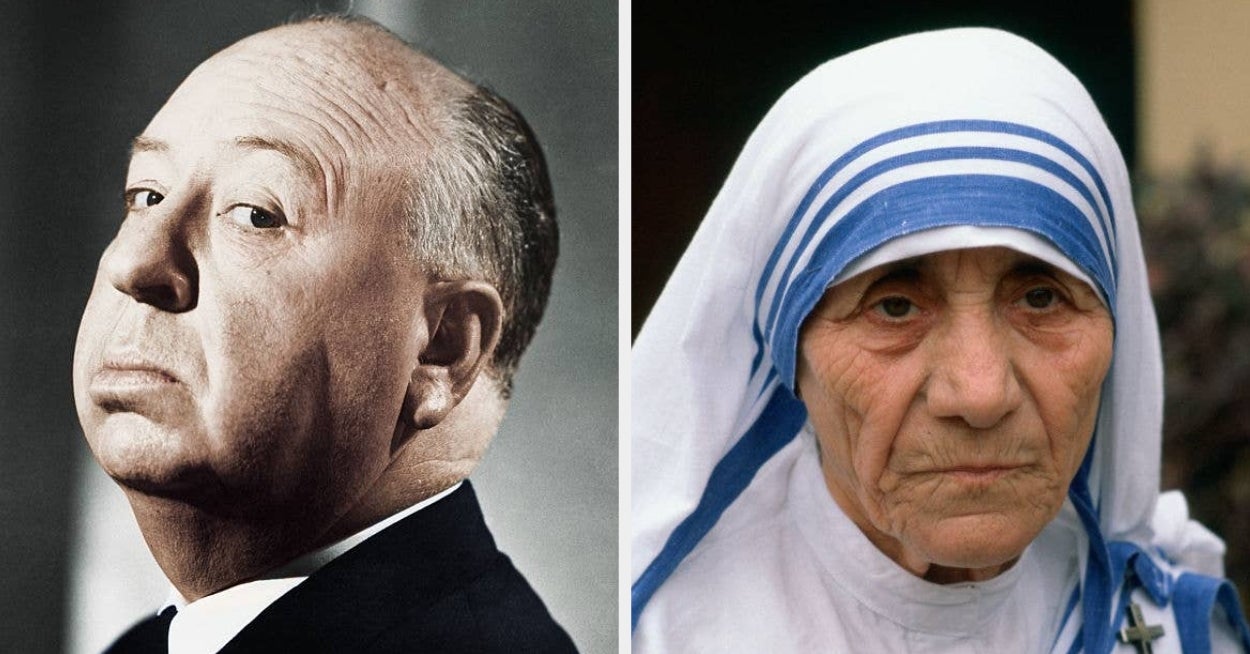
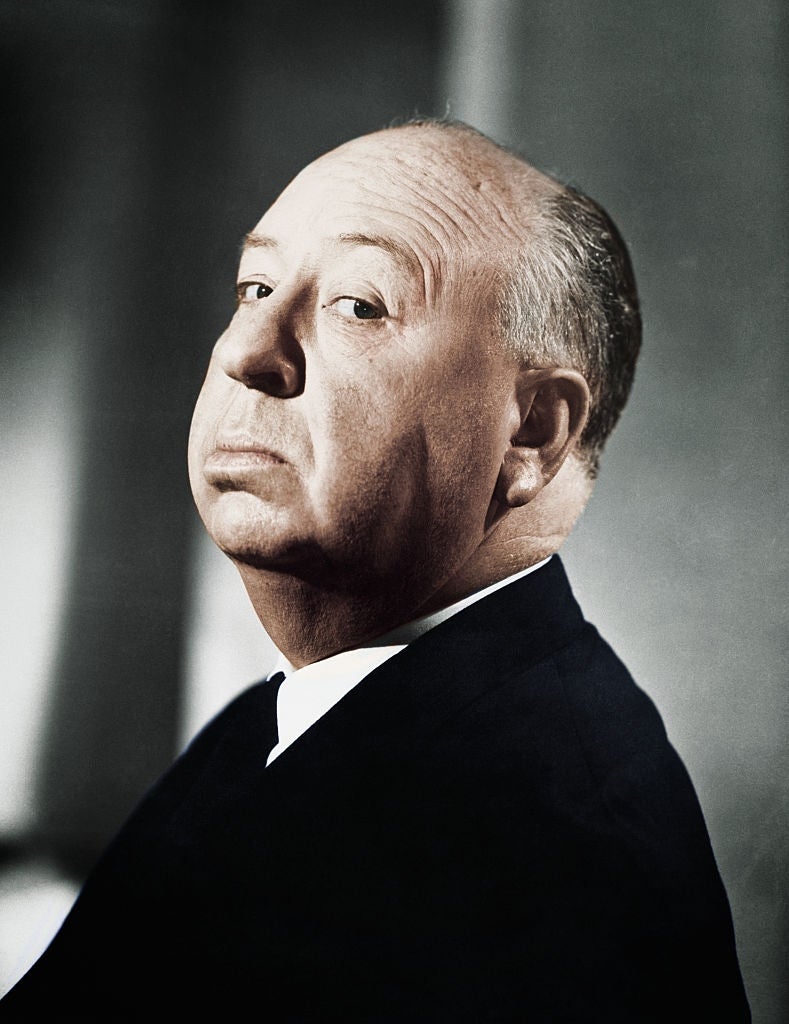
Over the years, Alfred Hitchcock has been accused of being emotionally abusive and sexually inappropriate toward some of his actresses. Tippi Hedren, star of The Birds and Marnie, said Hitchcock sexually harassed her, made unwanted advances, and once threw himself on top of her in a limousine and tried to kiss her, later threatening to ruin her career when she rejected him. She also described being humiliated and manipulated on set. Known for being a perfectionist and a deeply manipulative director, Hitchcock often pushed his actors to emotional extremes to achieve his vision.

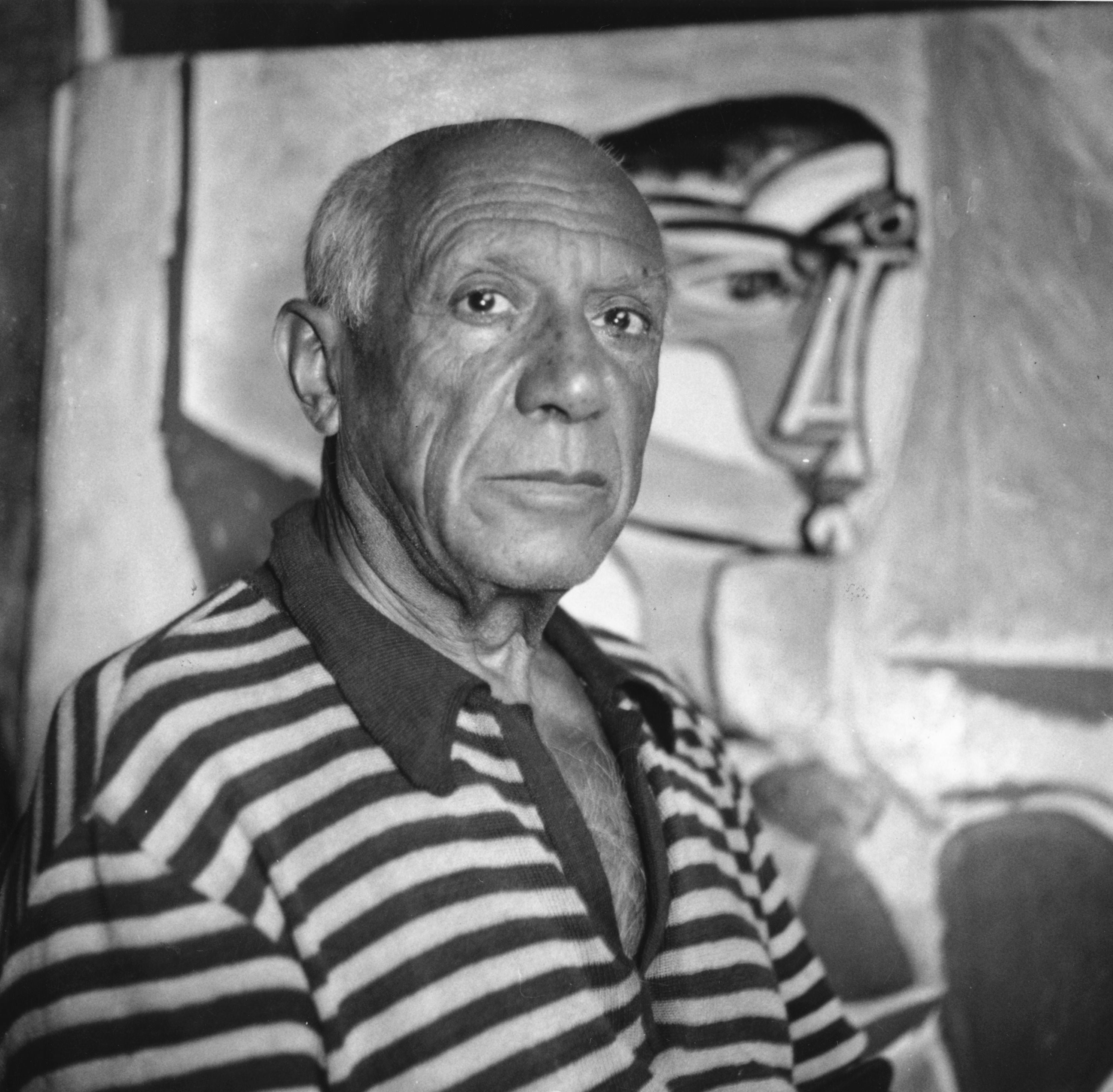
Pablo Picasso, though celebrated as one of the greatest artists of the 20th century, was also known for being cruel, manipulative, and abusive, especially toward women. He often pursued much younger partners and treated them with emotional cruelty and control. His former lovers, like Dora Maar and Françoise Gilot, described him as deeply abusive, saying he humiliated and psychologically tormented the women in his life. Picasso once said, “There are only two kinds of women: goddesses and doormats,” reflecting his deeply sexist views.

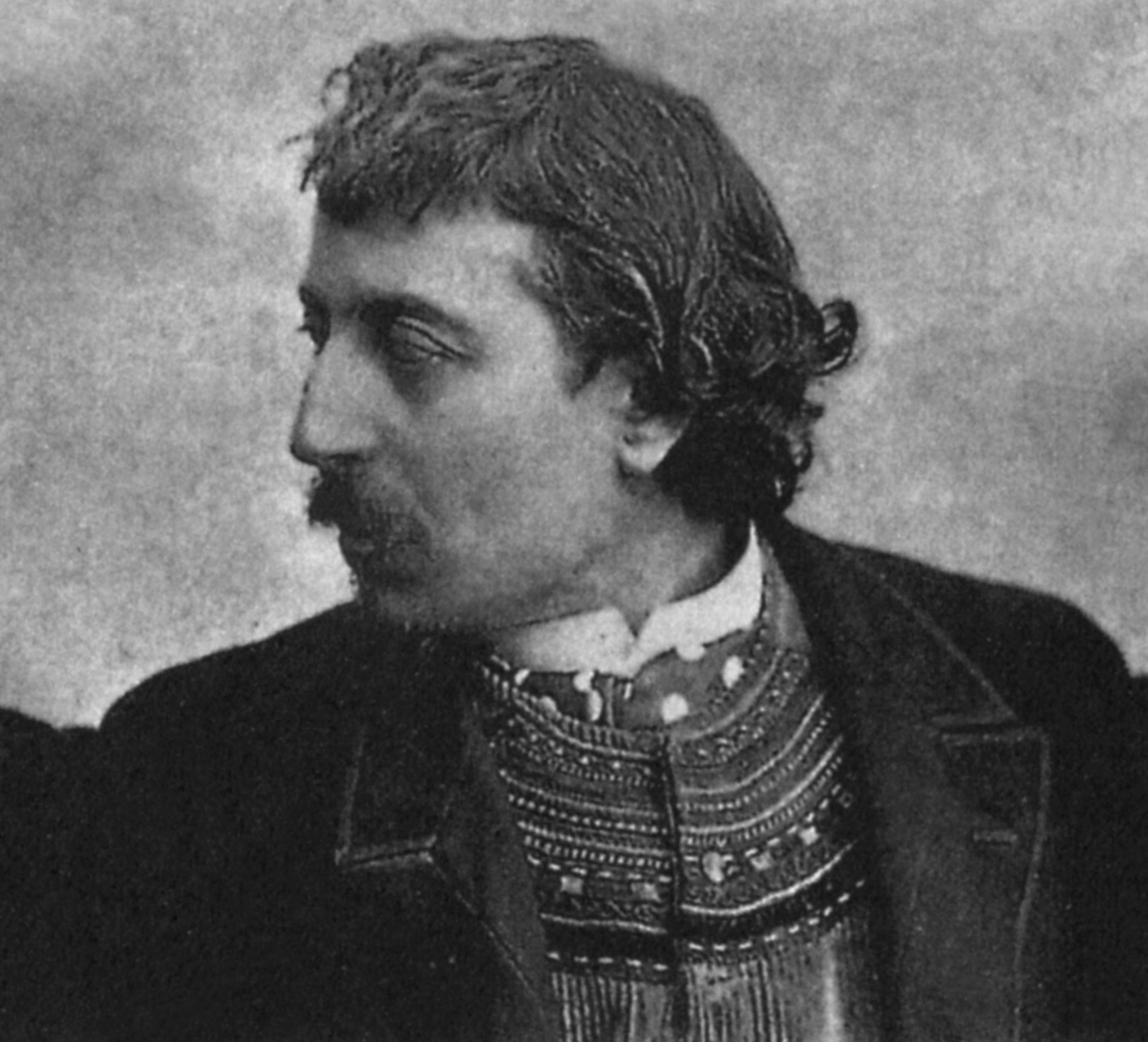
Gauguin actually had sexual relations with at least three teenage Indigenous girls, fathering children with each of them, and it's believed he may have infected them with syphilis as well. He abandoned the girls and children in all cases.

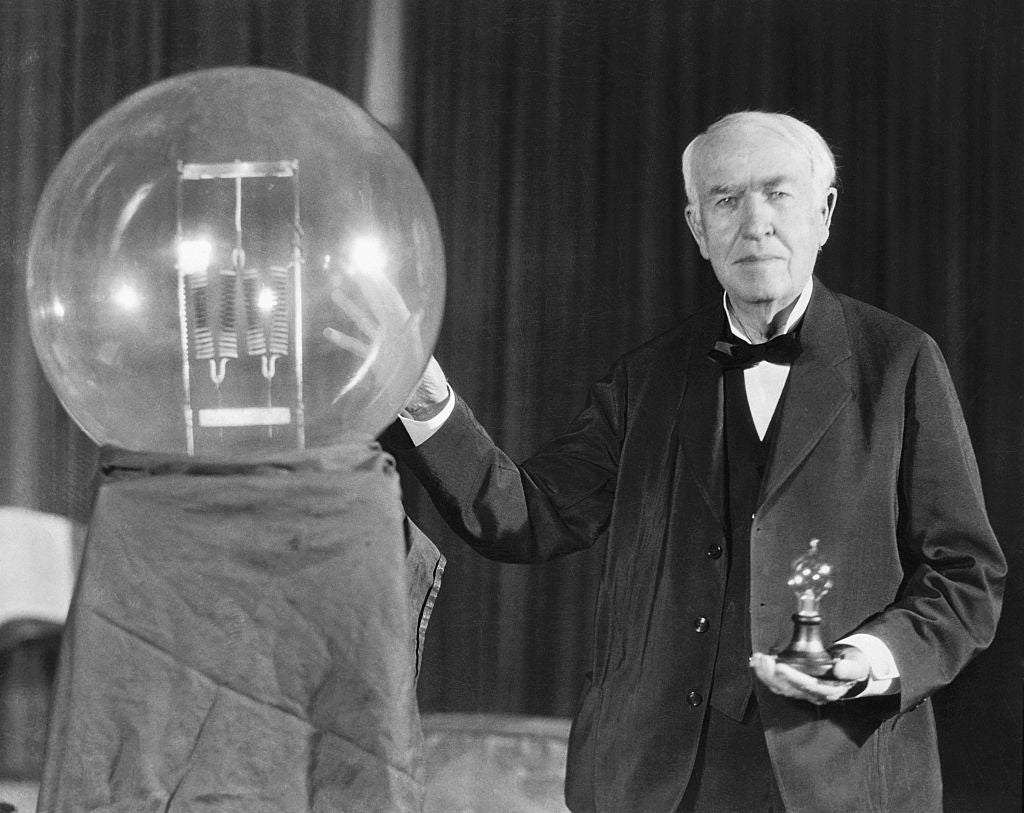
Thomas Edison didn’t actually invent the lightbulb, but he perfected and commercialized it, then took much of the credit. Earlier inventors, such as Joseph Swan, had already created working versions, but Edison improved the design and built a complete electrical system that made widespread use possible. Through clever marketing and self-promotion, he helped solidify the myth that he alone invented the light bulb, overshadowing the contributions of others who came before him.

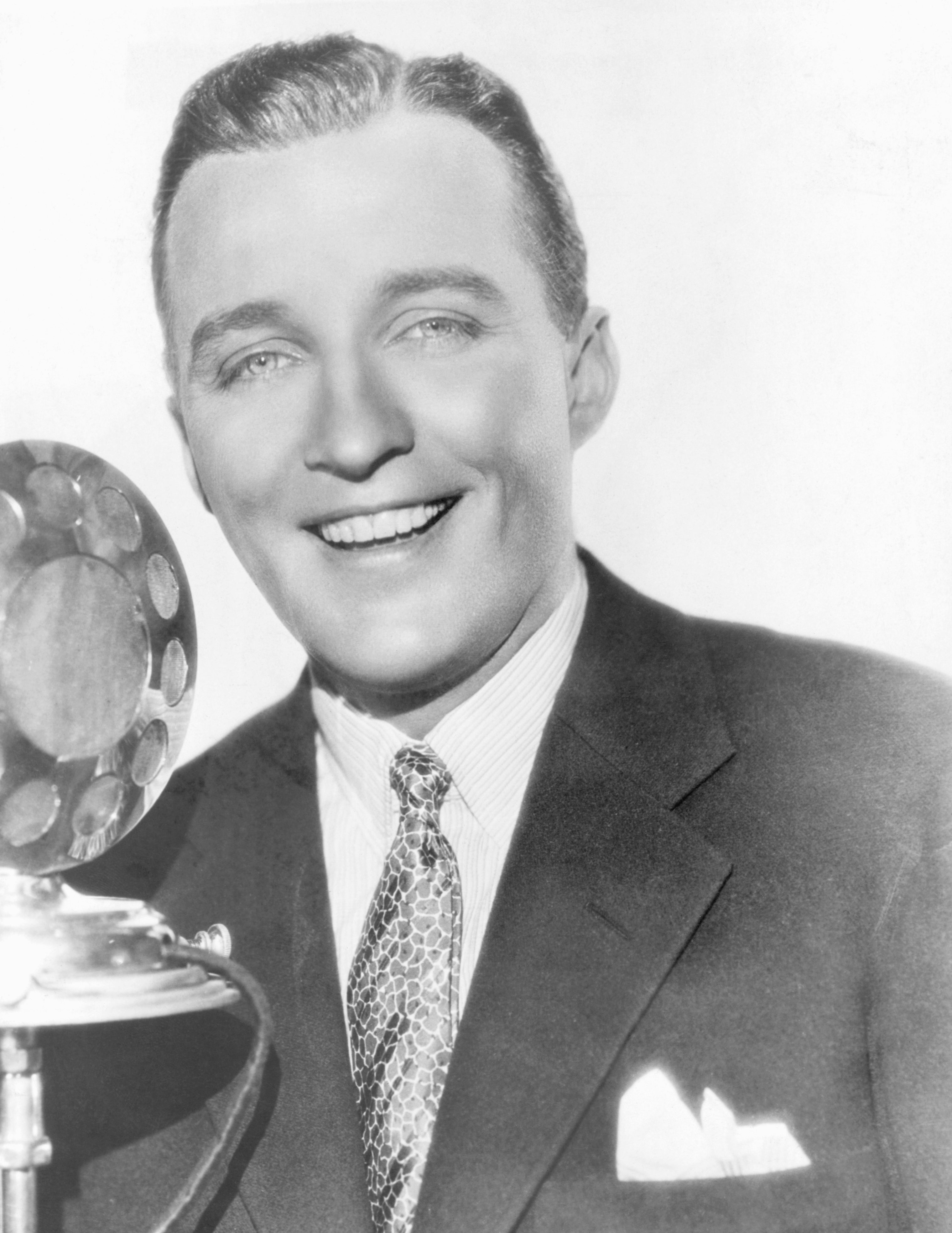
Bing Crosby’s legacy as a beloved singer and actor is shadowed by accounts of harsh treatment toward his first family. With his first wife, Dixie Lee, he had four sons who later described him as strict, emotionally distant, and sometimes physically abusive, saying his rigid discipline left lasting emotional scars. Several of those sons struggled with addiction and mental health issues as adults.

After Dixie’s death, Crosby remarried Kathryn Grant and had three more children, to whom he was reportedly much kinder and more affectionate. Many believe he tried to make up for the damage done to his older children by being a better father the second time around.

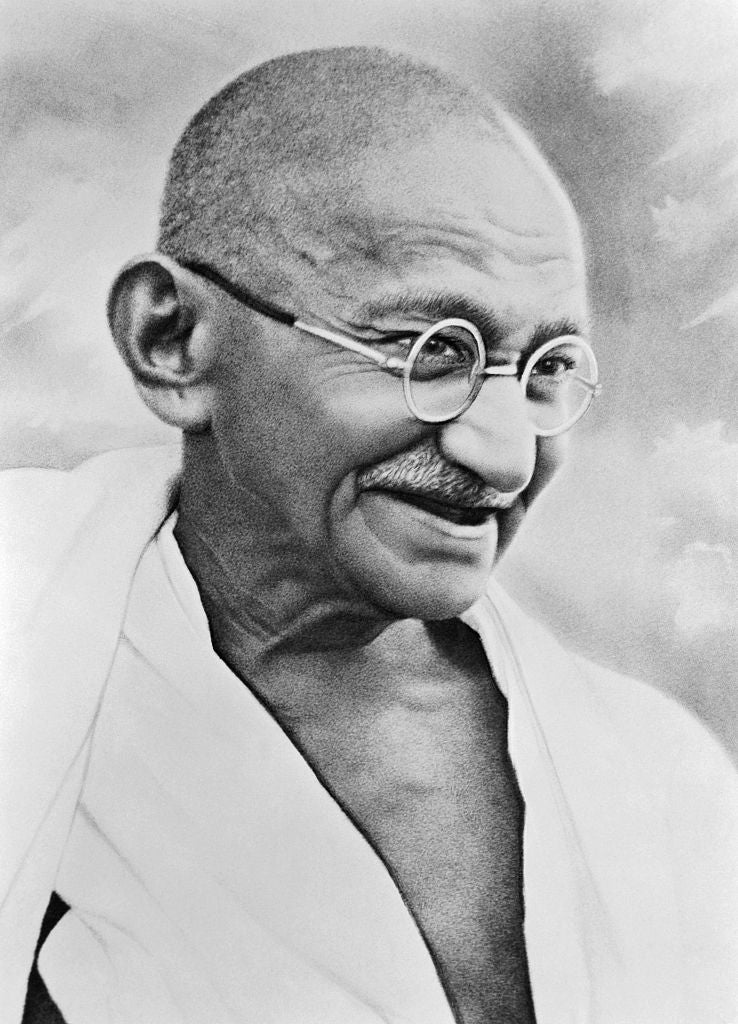
Gandhi admitted to abusing his wife, Kasturba, when he was young — something he later expressed regret for. Earlier in his life, during his years in South Africa, he also held racist views, describing Black Africans in derogatory terms and opposing being treated as their equals.

In his later years, Gandhi carried out what he called “brahmacharya experiments” — tests of celibacy in which he slept naked beside young women, including his grandniece and other teenage followers, claiming it helped him test his self-control. He insisted these acts were non-sexual, but even at the time, many of his contemporaries condemned them as inappropriate, exploitative, and hypocritical.

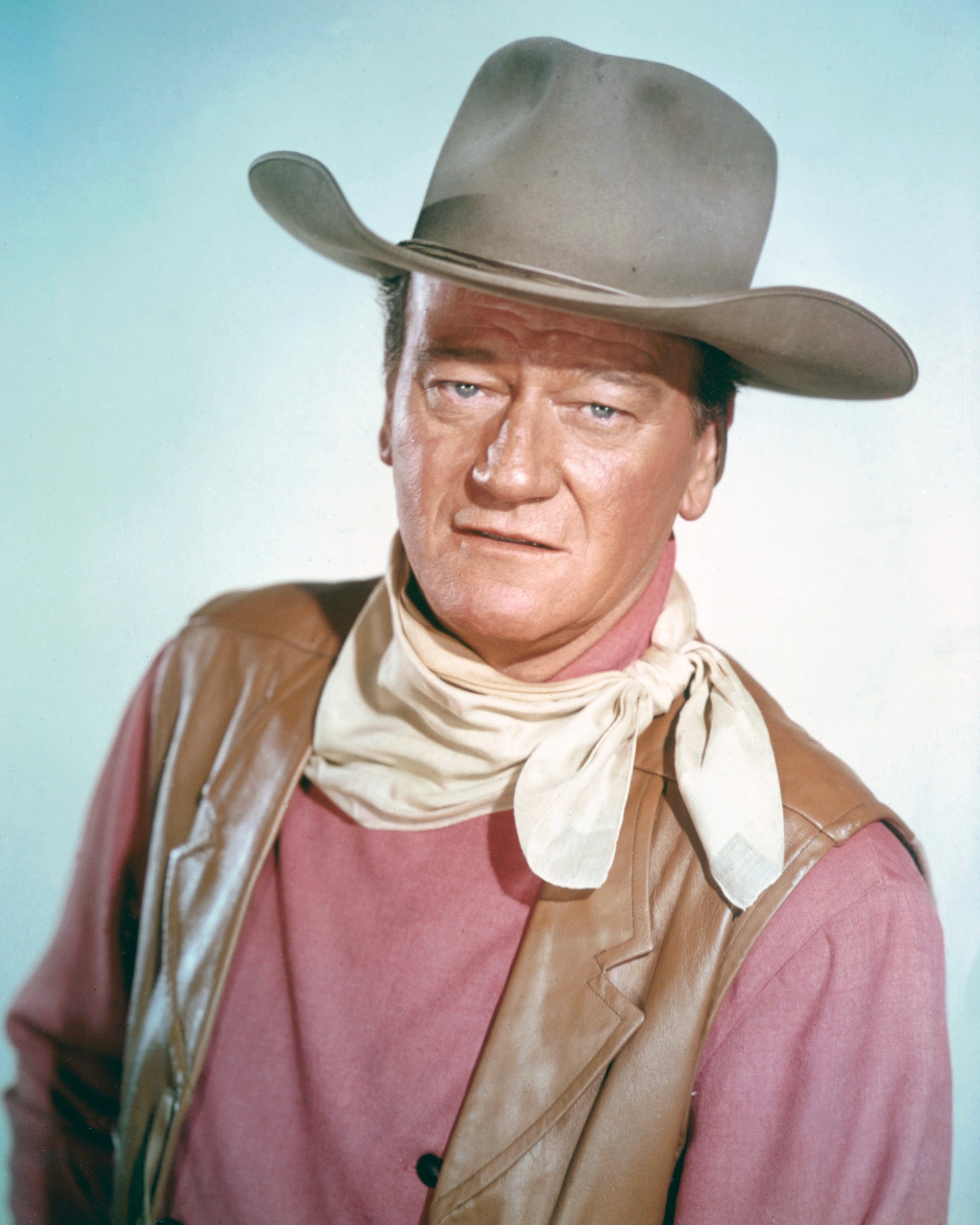
John Wayne, one of Hollywood’s most iconic stars, is still revered by many fans today as a symbol of old-school masculinity and American patriotism, but his legacy is deeply controversial. In a 1971 Playboy interview, he said he believed in white supremacy, dismissed the suffering of Native Americans, and opposed giving women or LGBTQ+ people equal respect. He also supported Hollywood’s anti-communist blacklists, which ruined many careers.

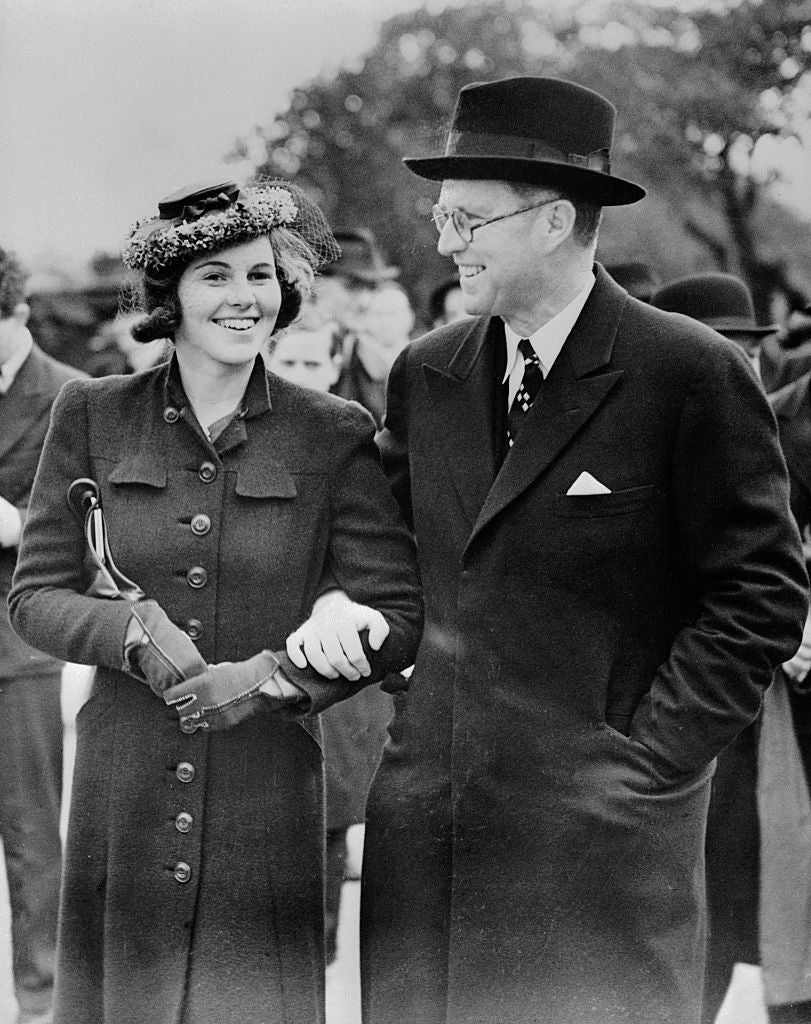
During Rosemary’s birth, the attending doctor was delayed, and a nurse instructed her mother, Rose, to keep her legs closed to postpone the delivery. For two hours, this restriction deprived baby Rosemary of oxygen, which is believed to have caused a brain injury that resulted in lifelong developmental disabilities.

As Rosemary grew older, her behavioral struggles and mood swings increasingly alarmed her family, who were extremely conscious of their public image. In 1941, at age 23, her father arranged a secret lobotomy — without telling her mother — that involved drilling holes into both sides of her head and inserting a medical spatula into her cranium. The procedure was reportedly botched, and it left Rosemary with the mental capacity of a toddler. She spent the rest of her life in institutions, hidden from public view.

For decades, little was known about Rosemary, while the rest of the Kennedys projected an image of glamour, intelligence, and success. However, in the 1960s, her story began to surface through journalists and biographers. The secrecy surrounding her contrasted sharply with the family’s polished image, and she was often described as their “dark secret.” Eventually, Rosemary’s siblings acknowledged her more openly and shifted their narrative toward disability advocacy, particularly through the Special Olympics

Mother Teresa is still praised around the world for her charity work, but her legacy is deeply controversial. Reports from former volunteers and medical professionals claimed that many of her care homes were unsanitary and neglectful, with patients denied pain relief because she believed suffering brought people closer to God. Despite receiving millions in donations, her organization frequently failed to provide proper medical treatment or transparency regarding the use of the funds. She also accepted money and praise from dictators and was firmly against abortion, contraception, and divorce, even in extreme cases.